


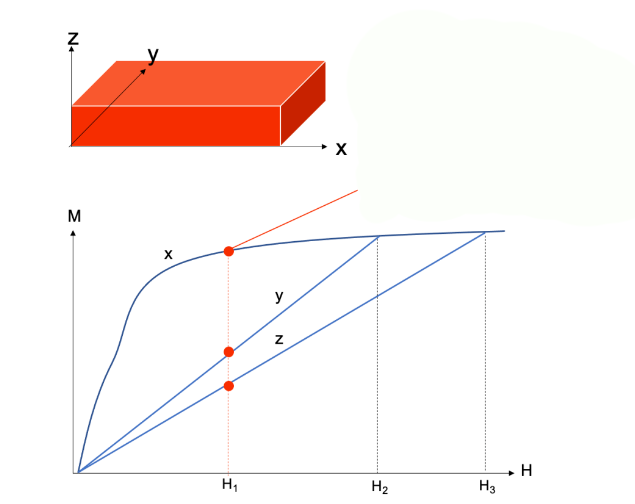
Orientation is an important process in the production of sintered NdFeB magnets
The magnetism of the magnet comes from the magnetic order (arranging the magnetic domains in one direction), and the sintered NdFeB is formed by pressing the magnetic powder in the mold. Put the magnetic powder into a mold to give a given shape, apply a strong magnetic field through the electromagnet, and at the same time give a certain pressure to the magnetic powder by the press, so that the easy magnetization axis of the magnetic powder is aligned. After pressing, the blank is demagnetized, and then demolded to obtain a blank with a good orientation in the direction of easy magnetization, which is then cut into a finished magnetic steel product of a specified size according to the user’s needs.
Powder orientation is the key process for preparing high-performance NdFeB permanent magnets. Whether the magnet orientation is good in the blank production stage is affected by many factors, including: orientation magnetic field strength, powder particle shape and size, molding method, orientation field and molding pressure. Direction, bulk density of oriented powder, etc.
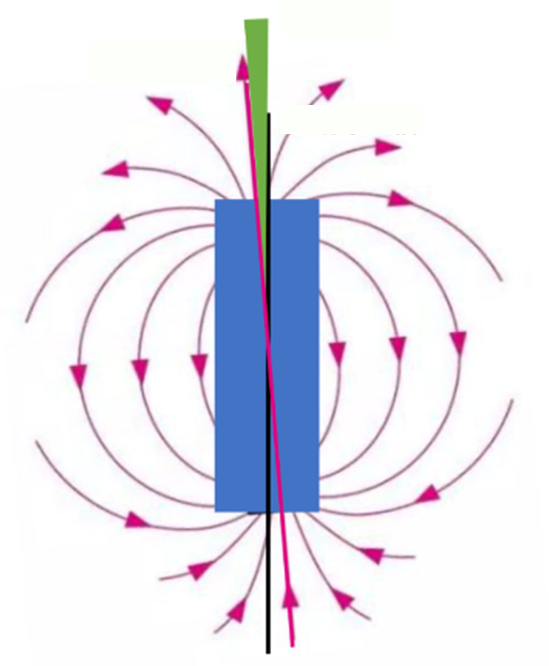
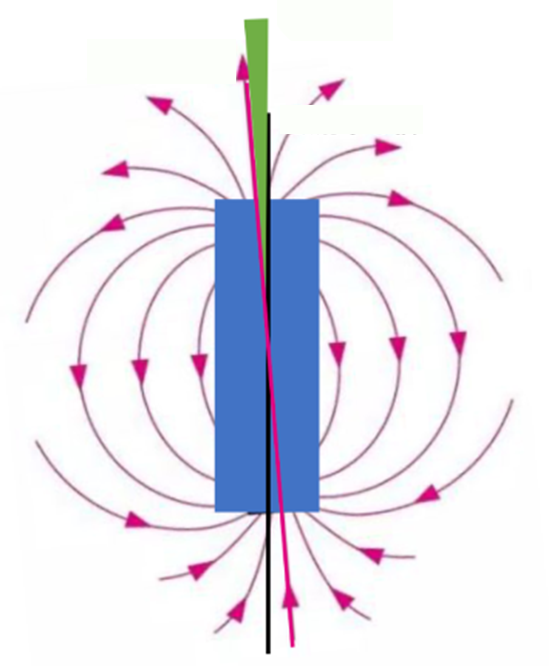
The magnetic declination angle generated in the post-processing link has a certain influence on the magnetic field distribution of the magnetic steel
Magnetic declination refers to the angle between the direction of the magnet’s magnetic force line and the magnet’s orientation plane. The ideal state of the magnetic declination is perpendicular to the orientation plane, but in the post-processing process, due to the operation of the adhesive and the cutting process, there will be a certain angle between the cutting direction and the polar plane. After the subsequent magnetization, The magnetic field strength of the orientation plane will be lower than the normal magnetic field strength.
Magnetization is the last step for sintered NdFeB to obtain magnetism
The magnet blank is cut to obtain the size required by the user, and then undergoes anti-corrosion treatment such as electroplating to become a finished magnet steel. However, at this time, the magnet itself does not show magnetism to the outside, and it is necessary to go through the process of magnetization to “magnetize” the magnet.
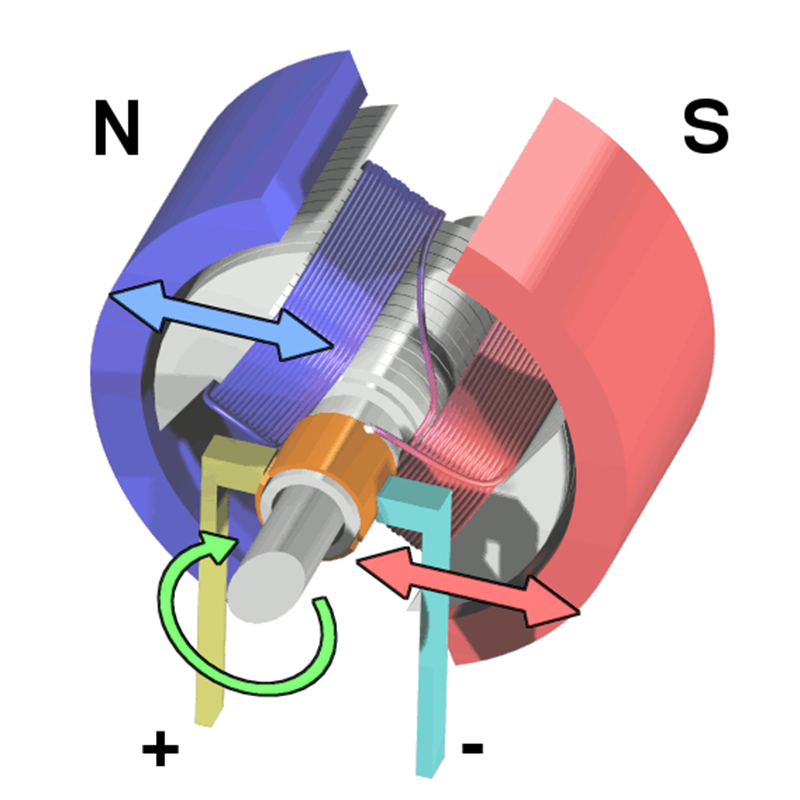
The equipment we use to magnetize the magnetic steel is a magnetizer, also called a magnetizer. The magnetizer first charges the capacitor with a DC high-voltage voltage (that is, energy storage), and then discharges it through a coil with a very small resistance (magnetizing fixture). The peak value of the discharge pulse current is very high, up to tens of thousands of amperes. This current pulse creates a strong magnetic field within the magnetizing fixture, which permanently magnetizes the magnets placed in the magnetizing fixture.
Accidents also occur during the magnetization process, such as unsaturated magnetization, bursting of the pole head of the magnetizer, broken magnets, etc.
?Unsaturated magnetization is mainly because the magnetization voltage is not enough, the magnetic field generated by the coil is not 1.5~2 times of the saturation magnetization of the magnet.
? If it is multi-pole magnetization, it is difficult to magnetize a magnet with a relatively thick orientation direction to saturation, because the distance between the upper and lower poles of the magnetizer is too large, and the magnetic field strength generated by the poles is not enough to form a normal magnetizer. The closed magnetic circuit of the magnet cannot penetrate the magnet through the magnetic field, so it will cause the magnetic poles to be confused and the magnetic field strength is not enough.
The bursting of the magnetizing pole is mainly because the set voltage is too high, exceeding the safe voltage of the magnetizer.
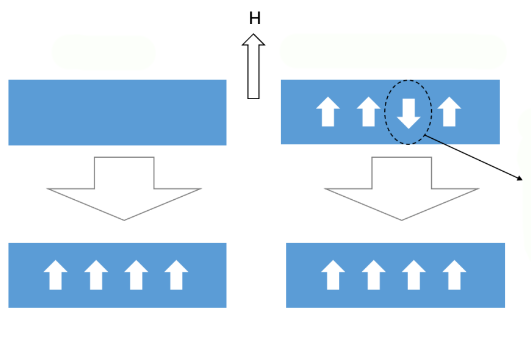
Unsaturated magnets or magnets that have been demagnetized will be more difficult to fill and saturate, because the magnetic domains in the original state are chaotic and do not show magnetism to the outside. To fill and saturate, you only need to overcome the resistance of the displacement and rotation of the magnetic domains themselves. . However, when the magnet is not fully charged, or demagnetized but not fully demagnetized, there is a reverse magnetic field area inside it. Whether it is forward magnetized or reverse magnetized, there are parts of the magnetized area that need to be reversed, and additional magnetization is required. To overcome the intrinsic coercive force in the reverse magnetic field region, a stronger magnetic field than the theoretical magnetizing magnetic field is required.
Neodymium Iron Boron Magnet: What Is It?
Neodymium magnets, commonly referred to as “NdFeB” magnets, “Neo” magnets, or rare earth magnets, are made of neodymium, iron, and boron. They are among the strongest permanent rare earth magnets available, outperforming samarium cobalt (SmCo), alnico, and ferrite. In addition to having a strong magnetic field, they are also reasonably priced, which makes them perfect for a wide range of consumer, commercial, industrial, and technical functions.
Neodymium magnets, often known as NdFeB magnets, offer the highest performance with the lowest magnet size. Nearly every industry, including the automotive, aerospace, wind energy, military, lighting, food manufacturing, separation, electric motor, and generating industries, uses neodymium permanent magnets.
Uses for permanent NdFeB magnets
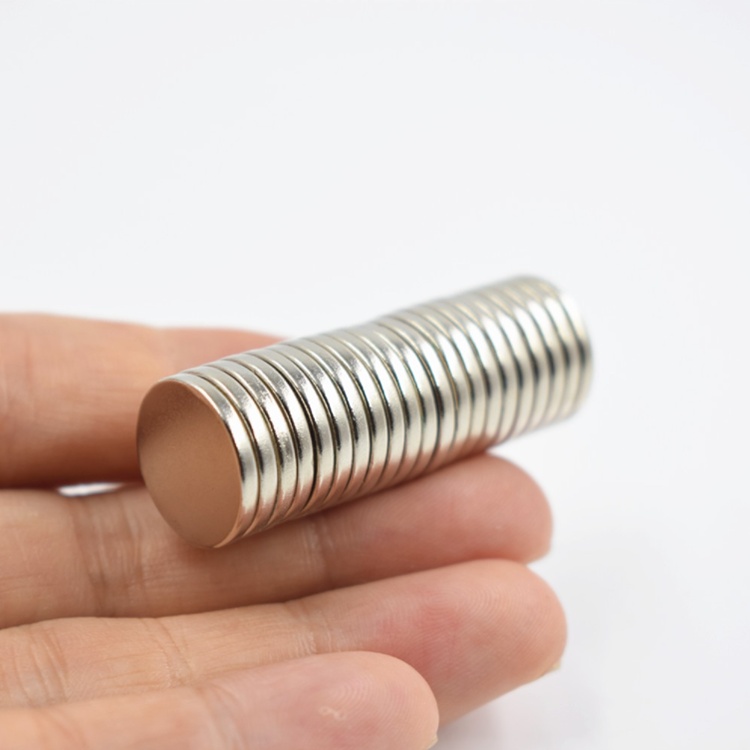
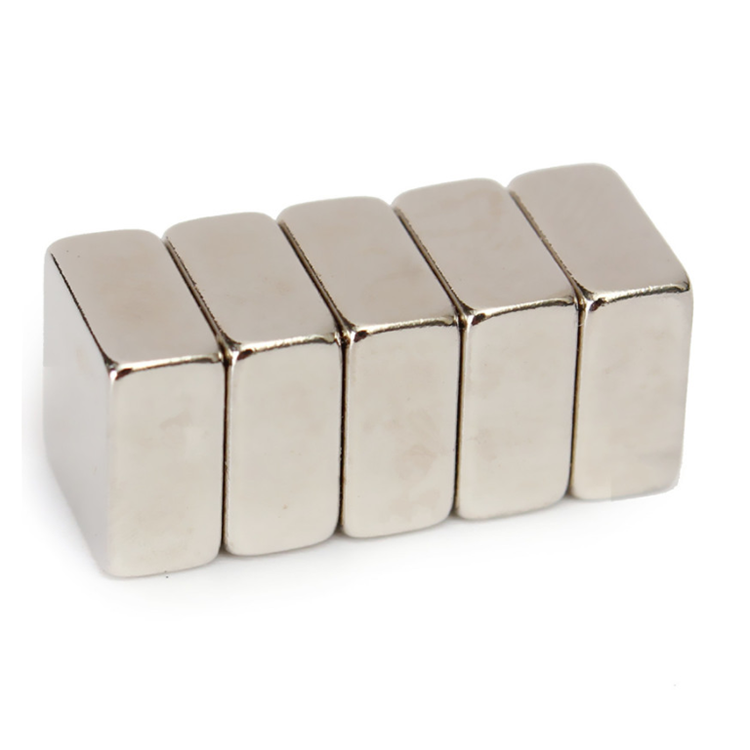
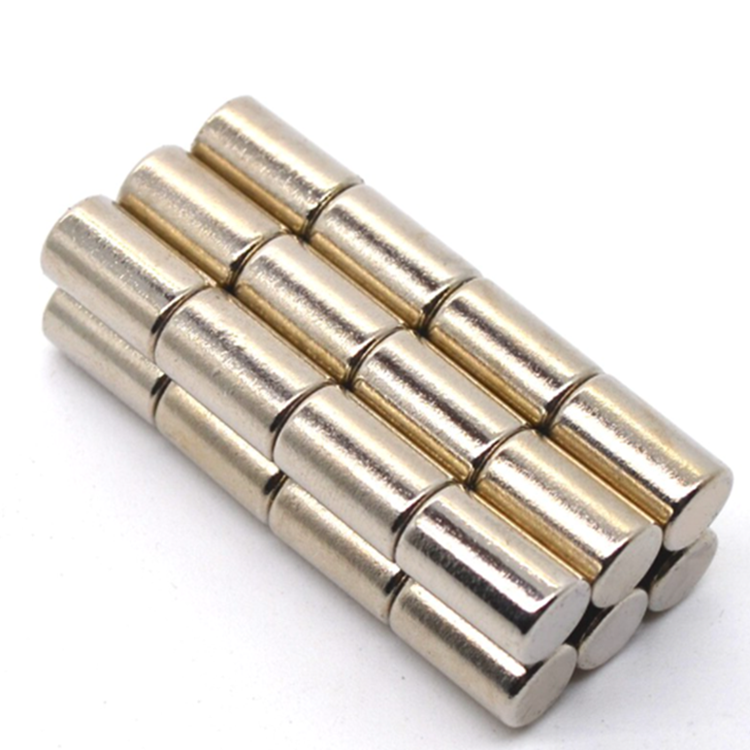
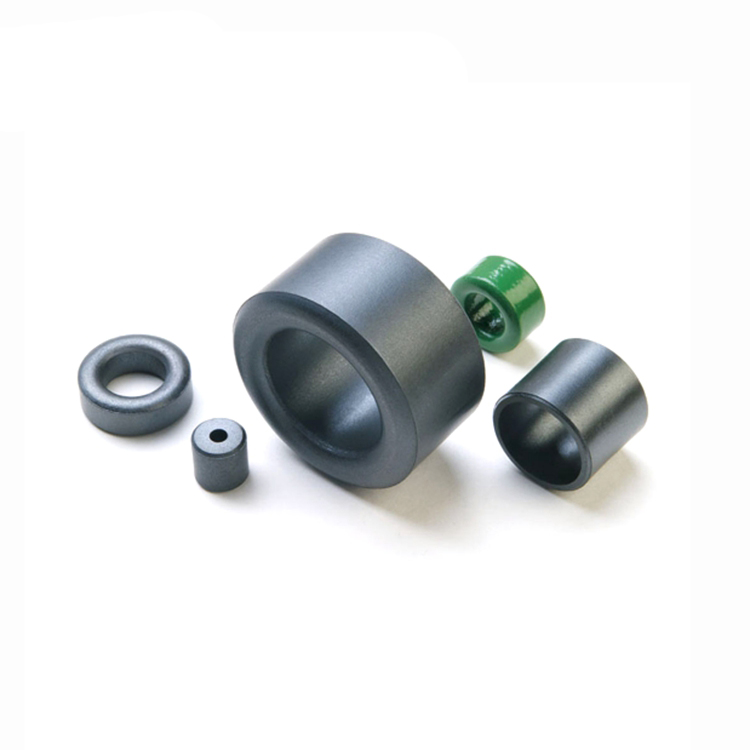
Disc magnets, neodymium ball magnets, NdFeB blocks, neodymium ring magnets, neodymium arc magnets, and countersunk hole magnets are just a few of the numerous shapes and sizes that are available for NdFeB magnets.
Additionally, Screwfix offers customized neodymium magnets that come with a rubber or plastic coating. This provides a variety of alternatives to support a variety of applications, including
for usage in tidal and wind turbine motor and generator drives.
Mètres
Headphones and microphones for audio equipment
PC printers and disc drives
Vehicles: interior trim, sensors, clamps, and alternators
Precision magnets for sensing and navigation in space
Pot magnets, fishing magnets, or hook magnets with excellent performance
Electronics: sensors, relays, and switches
NdFeB magnetic lifters are available for lifting large metal items.
Benefits of using rare earth magnets
maintaining the magnetic field continuously without deterioration
due to the magnet material’s high energy density, it is light and small.
is a very economical option
Since the magnet does not produce heat from the energy source, there is no requirement for maintenance or cooling.
Magnet Grade for Rare Earth Neodymium
The grades of NIB magnets range from N35 (the weakest and least costly) to N52 (the strongest, most expensive, and most fragile), according to the strength of their magnetic fields. The grades of NdFeB permanent magnets and their corresponding magnetic characteristics are shown below.
1. Components: neodymium, iron, and boron;
2.Utilizes cutting-edge Sintered NdFeB magnet methods and apparatus, such as strip casting and HDDR technology;
3. High coercive force and a maximum operating temperature of 200 degrees centigrade (or 380 curie);
4. N35–N52, 30M–50M, 30H–48H, 30SH–45SH, 30UH–40UH, and 30EH–38EH grades;
5. Forms: A variety of forms
6. Dimensions: Per customer requirement;
7. Coatings: parylene, epoxy, chemical, gold, copper, zinc, and so on;
8. Applications: Magnets are widely employed in a variety of applications, including filters for cars, motors, rotors, wind turbines/wind generators, loudspeakers, magnetic hooks, and magnetic holders.
Magnet NdFeB
ND, Fe, B, and additional trace metal components are used to create the alloy magnet known as NdFeB. It is a rare earth magnet with the highest performance (8MGOe-55MGOe), best coercive force, and strongest magnetism to date. Proven manufacturing methods, stringent quality control, full technical support, and outstanding cost effectiveness.
tolerancing and machining
Neodymium is simple to grind, however in order to prevent particle spontaneous combustion, coolants must be employed throughout the grinding process. To stop the magnets from corroding, grinding must be finished before coating or plating. For ground dimensions, neodymium magnets typically have tolerances of +/-0.05mm.
temperatures restrictions
Neodymium’s temperature coefficient has led to the development of a number of grades to satisfy certain operating needs. Please see our graph.
To compare the qualities of each grade, please see our chart of magnetic properties. Make careful to take into account the maximum working temperature for your application when selecting a neodymium magnet.
Des services à valeur ajoutée
Notre équipe d'ingénieurs expérimentés est toujours disponible pour vous aider à choisir la taille et la qualité des aimants ndfeb frittés radialement qui conviennent à votre application. Pour les aimants que nous fabriquons sur mesure, nous proposons également des options de revêtement et de placage.
Produits apparentés