




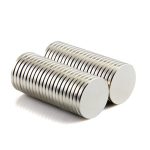
Why rubber coated magnets are the best solution for your business needs!
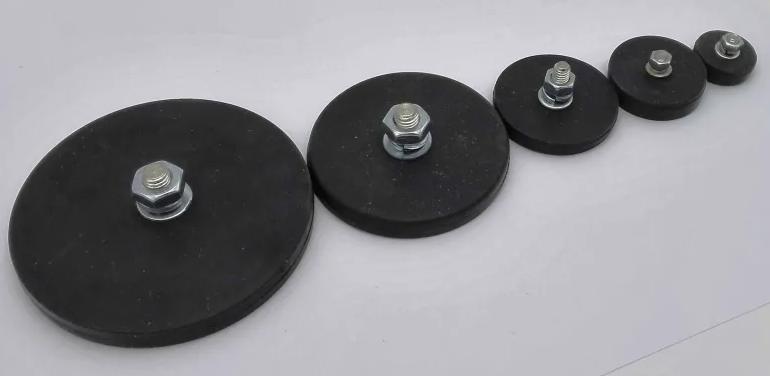
In the business world, we often encounter seemingly insurmountable challenges. One of the most common problems I’ve faced is finding reliable solutions that are both effective and cost-efficient. That’s where rubber magnets come in. They may seem like a simple tool, but believe me, they can be the game-changer your business needs. Understanding the Pain […]
Advantages of Plastic and Rubber Coated Magnets
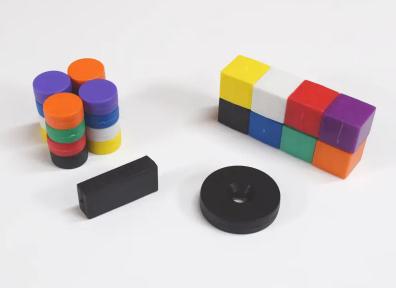
Characteristics of Plastic and Rubber Magnets Plastic and rubber magnets are known for their versatility and durability, making them suitable for a wide range of applications. Whether you need corrosion resistance for underwater environments, enhanced grip, or a vibrant and aesthetically pleasing appearance, our plastic and rubber coated magnets offer a variety of solutions to […]
Why Choose Rubber-Coated Magnets?
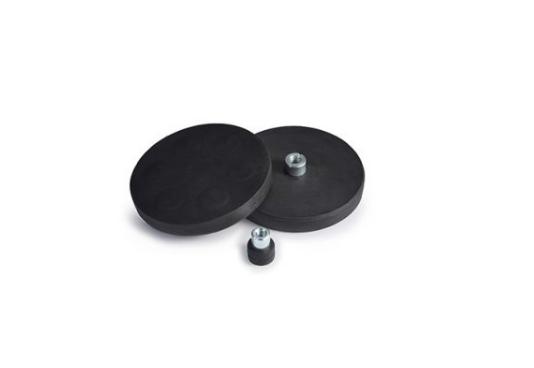
Why do magnets need coatings? Many magnets are coated with different materials because doing so offers significant benefits. The choice of coating material depends on whether the magnet’s intended use matches the properties of the coating material. One reason magnets need coatings is to improve corrosion resistance. If the magnet you are using is likely […]
What are Ferrite Magnets made of?
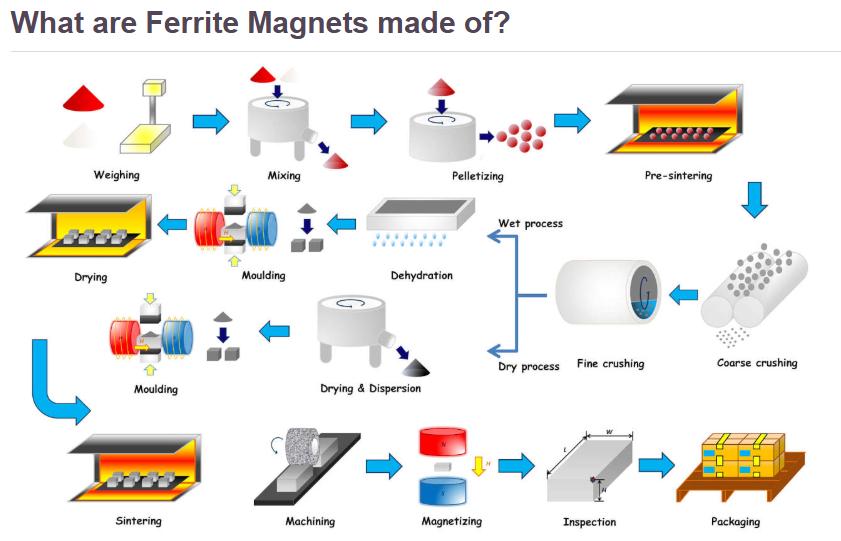
Ferrite magnets are made from a ceramic material containing iron oxide and other chemicals. This mixture is heated and molded into various shapes, like tiny magnet soldiers ready to cling to anything. But what makes ferrite magnets so powerful? It’s all thanks to their unique atomic structure. Without getting too technical, suffice it to say […]
Neodymium Magnets Vs. Ferrite Magnets
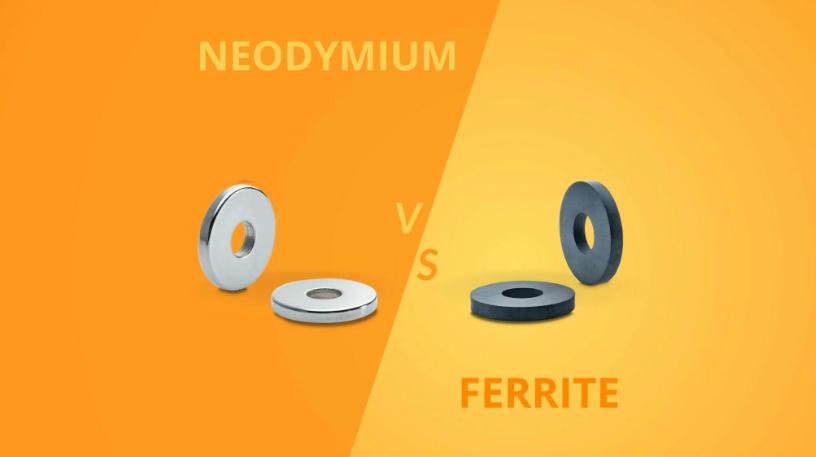
Neodymium magnets vs. ferrite magnets: which is better? If you’re looking to buy magnets online, you’ll quickly discover that they come in many different materials and alloys. Neodymium and ferrite magnets are the most common, but you can also find alnico, samarium cobalt, and neodymium magnets in many different grades (N35, N42, N54, etc.). Neodymium […]
Ceramic Vs Neodymium Magnets
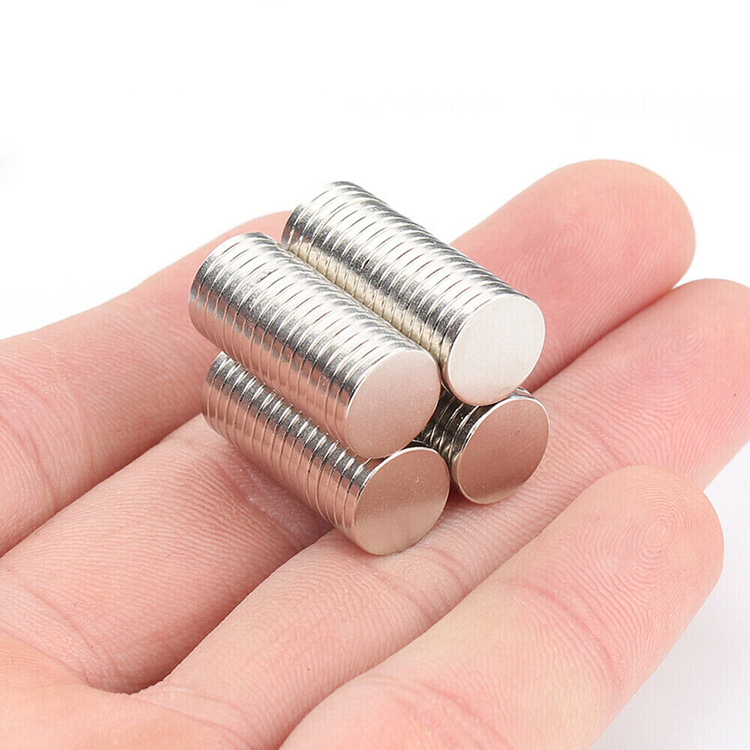
There are many different materials used in the permanent magnet market—ceramic (ferrite), aluminum nickel cobalt (AlNiCo), samarium cobalt (SmCo), bonded neodymium, and sintered neodymium. We specialize in the production and supply of sintered neodymium magnets. We believe the two most common types are ceramic neodymium magnets and sintered neodymium magnets. In this article, we will […]
Comment sont fabriqués les aimants en néodyme ?
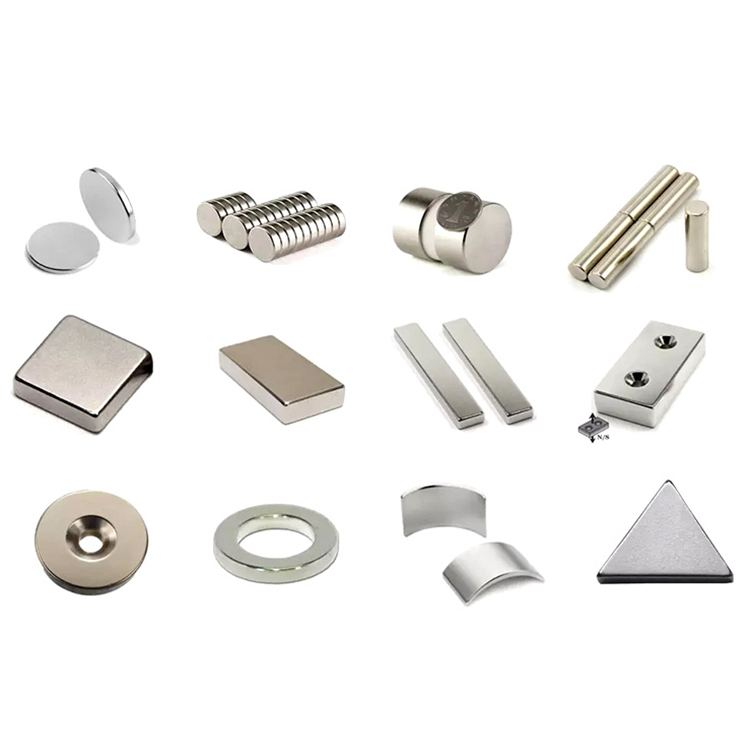
Les aimants en néodyme sont de puissants aimants permanents fabriqués à partir d'alliages de métaux de terres rares. Les aimants au néodyme sont principalement constitués d'un alliage de néodyme, de fer et de bore (NdFeB). Ils contiennent en outre de petites quantités d'éléments tels que le praséodyme (Pr), le dysprosium (Dy), l'aluminium (Al) et le niobium (Nb). L'ajout de ces éléments améliore les propriétés du matériau, telles que [...]
A quoi servent les aimants en anneau ? 6 applications importantes
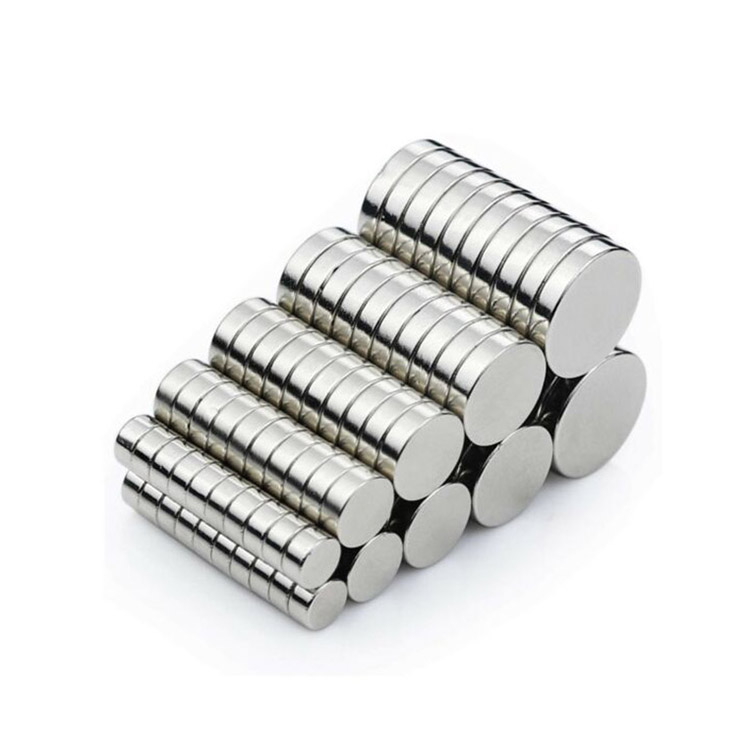
Les aimants annulaires sont des produits très demandés sur les marchés technologiquement avancés d'aujourd'hui et sont disponibles dans une variété de tailles, de formes et de matériaux, y compris le néodyme, la ferrite et le samarium. Notre centre de production est spécialisé dans la production de différentes catégories d'aimants annulaires au néodyme (N, H, M et SH) avec divers revêtements pour améliorer leur résilience et leur [...]
Applications courantes des aimants annulaires en néodyme
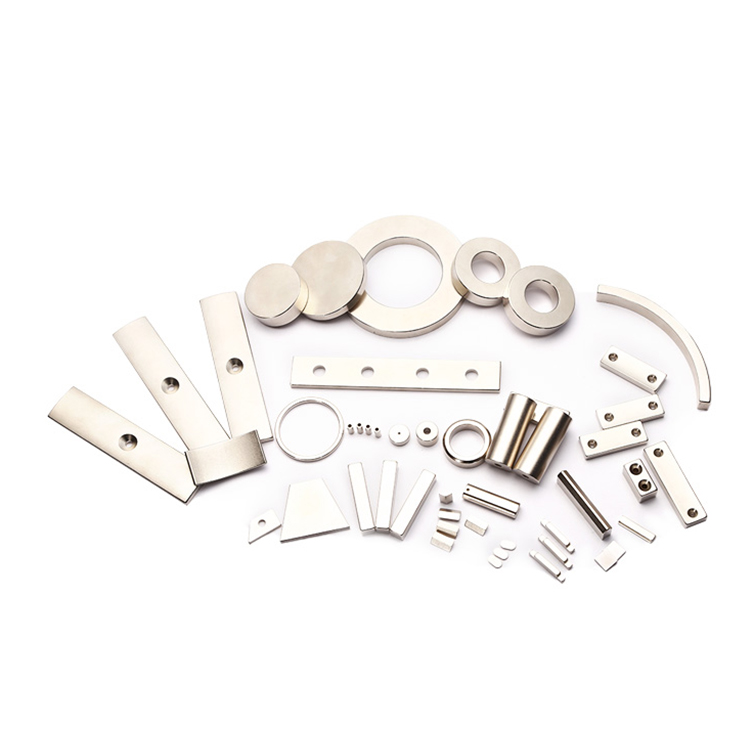
Les aimants en néodyme fer bore, également connus sous le nom d'aimants en néodyme, sont parmi les aimants permanents les plus puissants disponibles sur le marché. Ils sont constitués d'un alliage de néodyme, de fer et de bore, ce qui leur confère d'excellentes propriétés magnétiques. Ces aimants sont disponibles sous différentes formes et tailles, y compris les aimants annulaires en néodyme. Les aimants annulaires en néodyme sont largement utilisés [...]