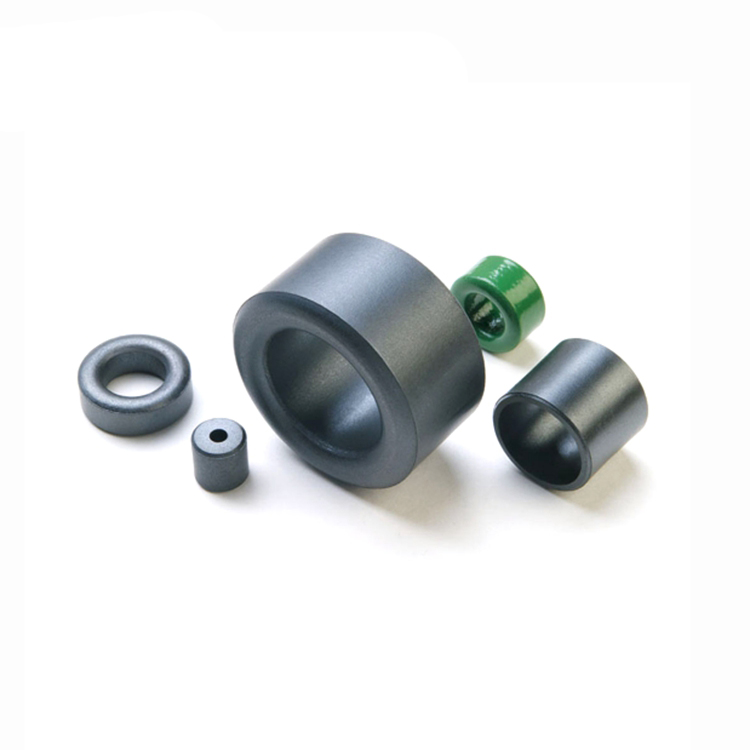
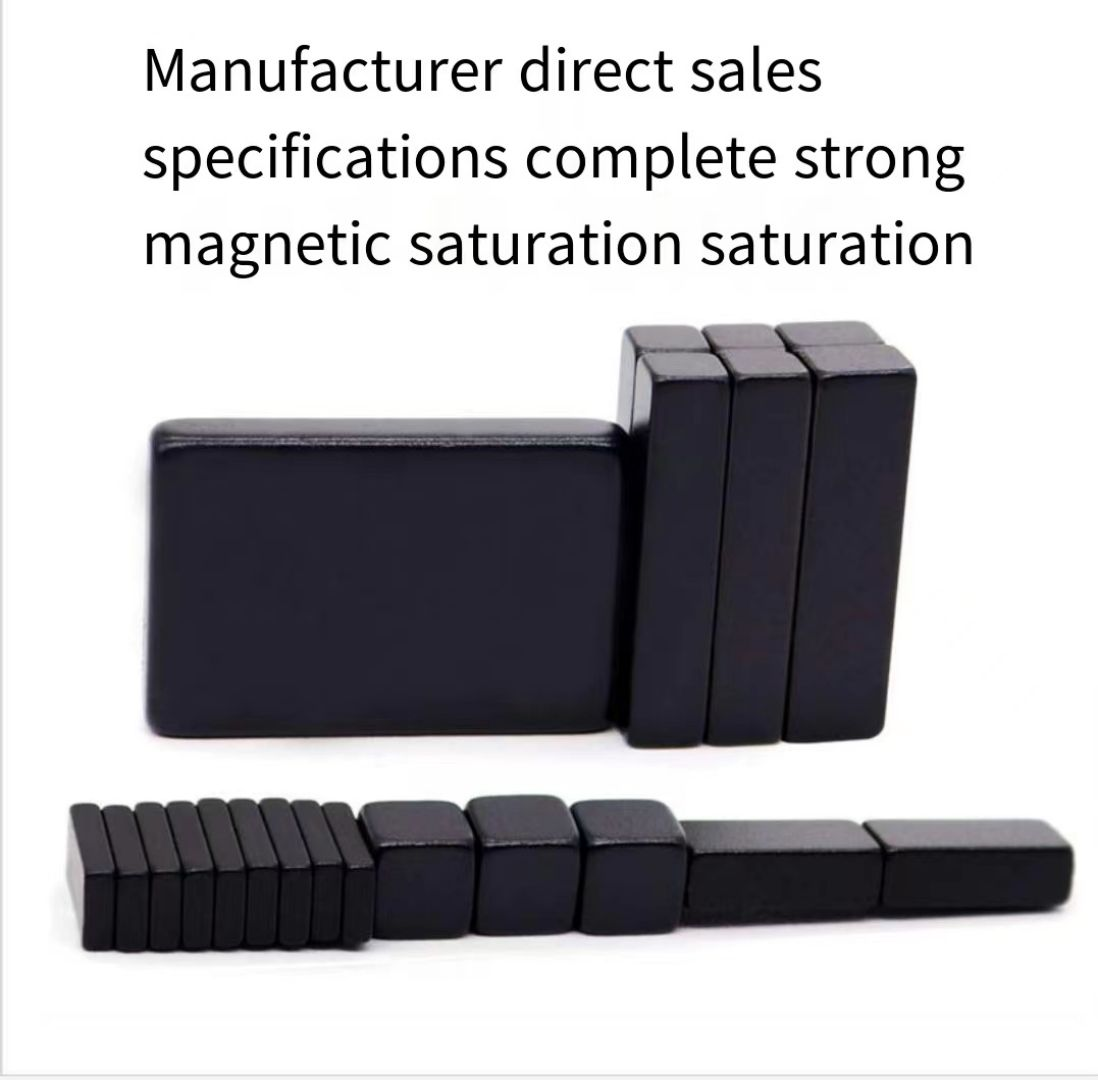
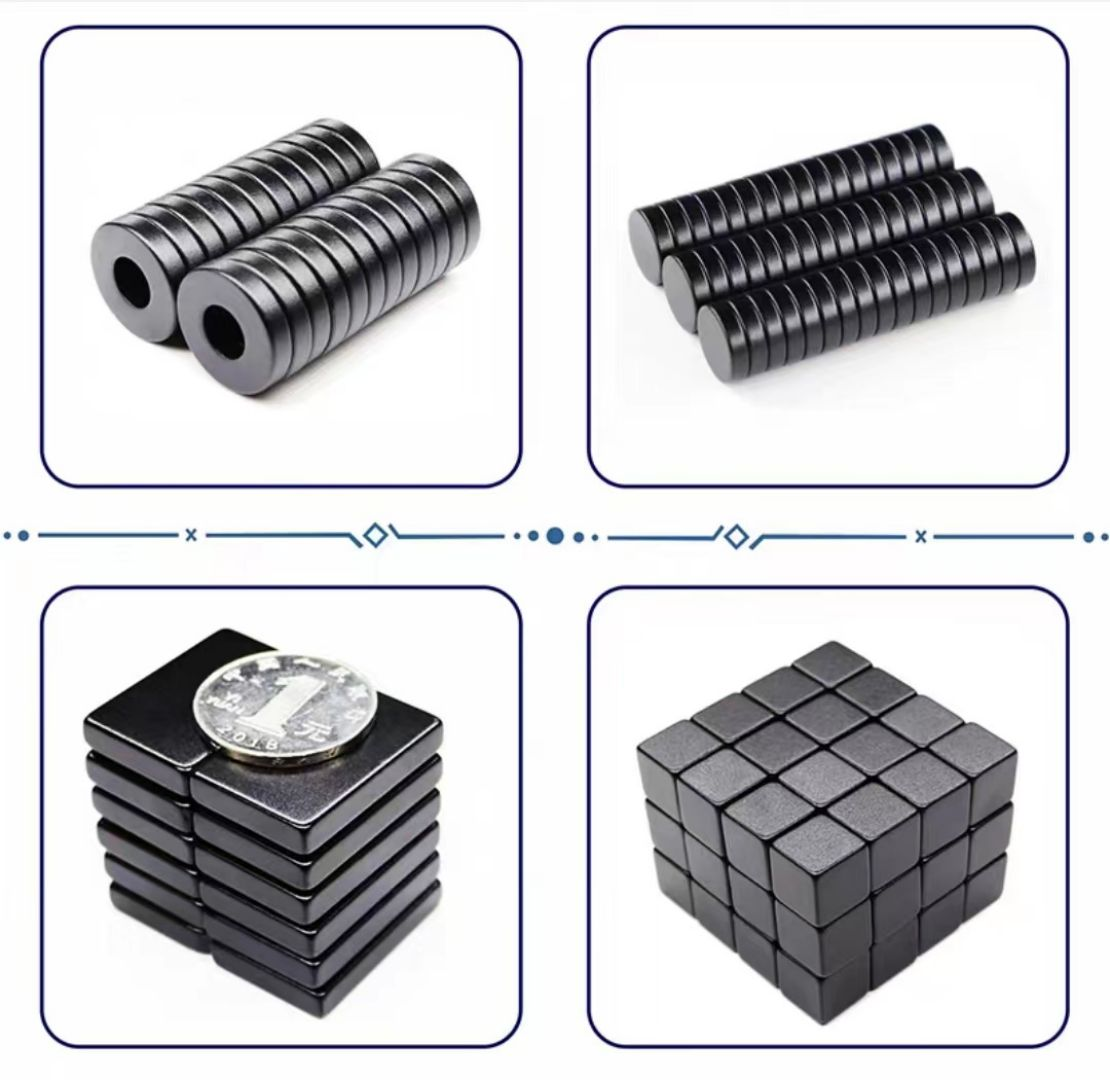
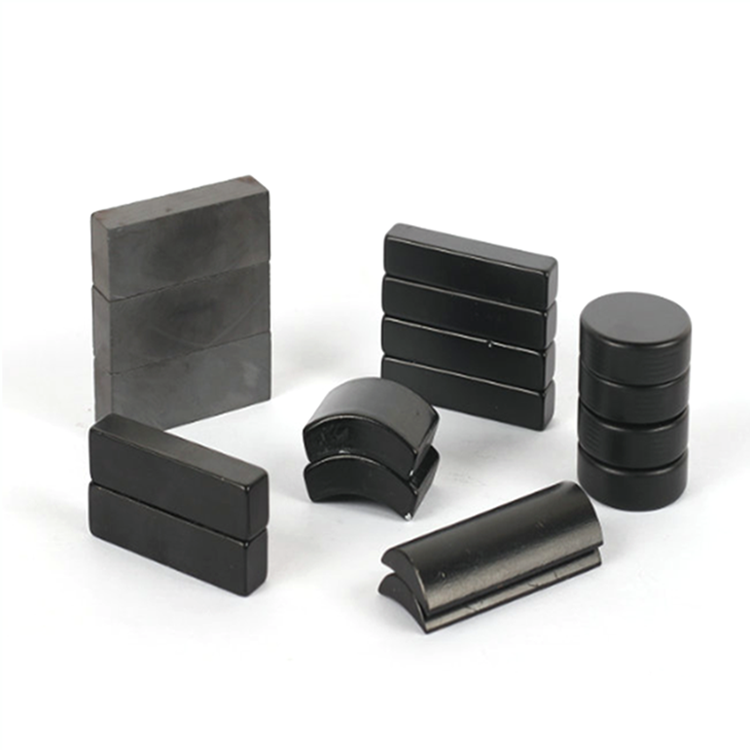
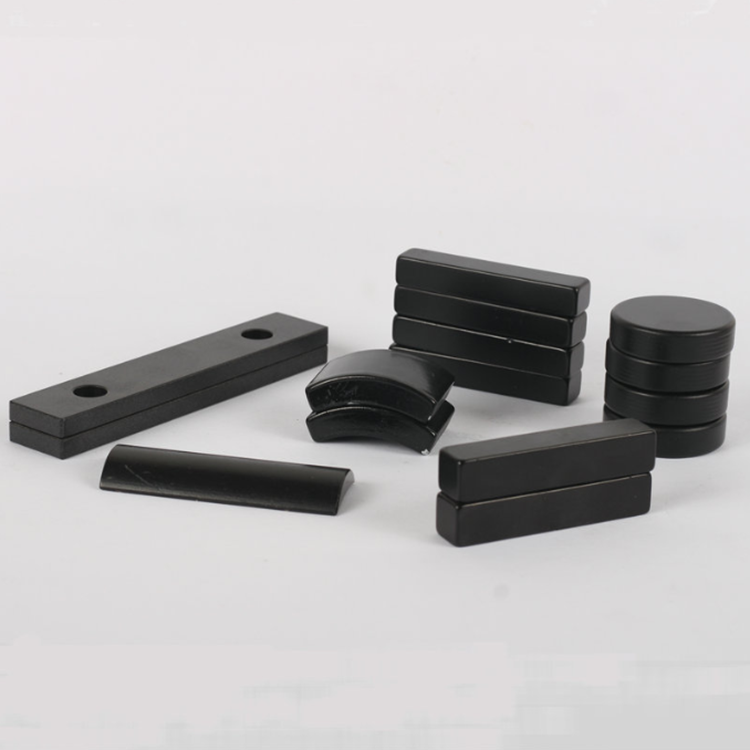
Consider employing bonded neodymium magnets for your application as a more adaptable substitute for sintered neodymium. These magnets are produced using bonded neodymium powder. Melted powder is combined with a polymer. The final step in making the product is pressing or extruding the components.
Bonded Neodymium magnets are capable of magnetization into multipole complex configurations. Bonded neodymium magnets offer greater form flexibility while being much weaker than sintered neodymium magnets. Additionally, they have a lower permissible temperature (coercivity) than samarium cobalt and are lighter. They do, however, provide good value for applications that need for a smaller magnet or make use of radial rings.
Strong Bonded NdFeB Magnet Industry material is blended with an epoxy binder to create bonded Neodymium magnets. About 97 vol% of the mixture is magnet material, and 3 vol% is epoxy. Nd-Fe-B powder and an epoxy binder are combined during the production process, Bonded NdFeB Magnet Industry also includes compressing the mixture in a press and curing the component in an oven. Since the material is created using compression bonding, a run’s dimensions will normally vary by no more than.002 inches.
Strong magnets, bonded neodymium-iron-boron (NdFeB) Bonded NdFeB Magnet Industry are utilized in a variety of applications. For bonded Bonded NdFeB Magnet Industry, epoxy coating is most frequently utilized. Electroless nickel plating is also used to stop corrosion. Any orientation or a number of poles may be used to magnetize isotropically bound NdFeB materials.
Being isotropic, bonded Nd-Fe-B material may be magnetized in any direction, including several polar configurations. The material may be machined on a mill or lathe since it is in an epoxy binder. However, holes cannot be tapped since the material will not sustain a thread. In order to significantly minimize the size of designs that employed ceramic magnet materials, bonded Nd-Fe-B material is frequently used.
The material is about three times stronger than ceramic magnet material, allowing for significant size reductions. The material may also be magnetized multi-polarly since it is isotropic, such as by creating a N-S-N-S pattern on a ring’s outside circumference.
Working temperature maximum of Bonded NdFeB Magnet Industry
Despite the fact that the NdFeB material’s Curie temperature ranges from roughly 310 oC for 0% cobalt to more than 370 oC for 5% cobalt, significant permanent output loss may be anticipated at even mild temperatures. Additionally, the Reversible Temperature Coefficient of Induction of neo magnets is relatively high, which means that when temperature increases, the overall magnetic output decreases. Selection of neo magnets instead of SmCo, is a function of the maximum temperature of the application, needed magnetic output at usual working temperature and total cost of the system.
Bonded NdFeB Magnet Industry also have some restrictions because of how they react to corrosion. A protective coating or plating is strongly advised in humid conditions. E-coating, powder coating, nickel plating, zinc plating, parylene are among the coatings that have been successfully applied.
A class of goods known as bonded magnets is created by fusing a polymer or other binder with the microcrystalline form of rare earths. NdFeB powders are often used in Bonded NdFeB Magnet Industry, however SmCo or Alnico powders may also be used in high temperature applications. The binders, which can be either thermoplastic or elastomeric, are typically non-magnetic.
Depending on the final use, processing for bonded magnets may involve extrusion, injection molding, compression bonding, and calendaring. A lower energy product with much enhanced mechanical characteristics is the trade-off for adding the binder.
Bonded NdFeB Magnet Industry may be precisely shaped into intricate or tiny geometries without the need for further finishing steps. High volume applications make these production techniques the most economical. There are many reasons why a uniform is a good idea – all the reasons why are here. use of the term “para-” in the term “pole” Unlike conventional sintered magnets, multipole magnets are magnetized to contain several alternating poles. For sensor applications, multipole rings with 100 or more poles are usual.
By applying compression, bonded Neodymium magnets are produced. TheseBonded NdFeB Magnet Industry are made isotropic by a procedure that includes combining neodymium powder with epoxy as a binder and pressing it into a die cavity without a magnetic field. Then, the oven is used to cure the pressed components.
Neodymium magnets that are compression bonded are a great alternative to other magnet types that have limitations on certain geometries, such as hard ferrites, sintered samarium cobalt, and Bonded NdFeB Magnet Industry. They are the perfect choice for many applications needing high magnetic strength and precise tolerances because of their high energy product, which may reach up to 12 MGOe. The end product can be magnetized in either direction since there is no magnetic field applied during compression. Information on NdFeB Bonded Compressed Magnets.
It takes a mixture of isotropic Neodymium, Iron, and Boron components to create Bonded NdFeB Magnet Industry. To meet the unique needs of each client, several elemental grades are employed to provide particular magnetic characteristics. Due to the compaction method used in their production, bonded compressed magnets are only capable of producing basic forms and have a lower magnetic strength than injection moulded magnets. Maximum lifespan is guaranteed by the epoxy’s high resistance to common industrial solvents and vehicle fluids. These Bonded NdFeB Magnet Industry are often used in environments with temperatures between -40 °C and 165 °C.
A Bonded Magnet: What Is It?
The phrase “bonded magnet” refers to magnets that have been treated and molded by being kneaded into rubber or plastic.
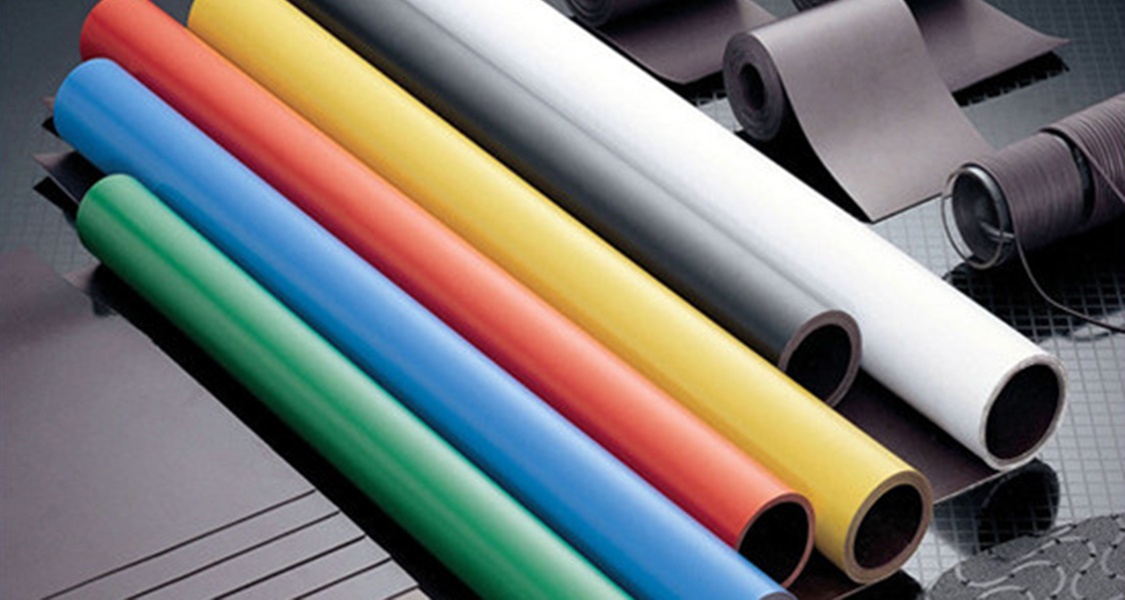
By converting regular ferrite magnets into boards and plasticizing their surfaces, they may be utilized as whiteboards, door seals for refrigerators, and exhibits.
Neodymium magnets, a type of rare earth magnet with a strong magnetic field, are shaped into a variety of forms and utilized in industrial applications such tiny motors, electronic parts, and train driving motors.
Bonded magnet uses
After manufacturing, bonded magnets can be freely created, produced, processed, and molded.
Magnetic tape, magnetic sheets, refrigerator doors, and whiteboards are all commonplace uses for ferrite magnets in daily life.
High magnetic force magnets are used in hard disks, tiny motors, drive motors for cars, trains, and elevators. Examples include neodymium magnets and samarium iron nitride magnets.
Bonded magnets and sintered magnets have different properties.
Magnetic powder is solidified with resin to create bonded magnets. Sintered magnets, on the other hand, are created by squeezing magnetic powder and baking it at a high temperature.
Sintered magnets are preferable than bonded magnets created by combining resin in terms of magnetic characteristics and heat endurance. This is due to the non-magnetic glue that is put into Bonded NdFeB Magnet Industry.
Bonded magnets, however, are better in terms of dimensional precision since they can handle more intricate processing. This is due to the fact that throughout the production process, sintered magnets are prone to more substantial sintering shrinkage.
The Basics of Bonded Magnets
Cast magnets, Bonded NdFeB Magnet Industry, and bonded magnets are the three categories of permanent magnets now used in industry.
Magnet compounds are created by mixing and distributing a high concentration of magnetic powder generated from ferrite or rare earth magnets in a binder like polymer resin or rubber to create bound magnets (polymer bonded magnets).
They may be precisely treated and sculpted into intricate shapes after production. In contrast to cast or sintered magnets, which cannot be easily integrated with thin, long, or wide metal, they not only offer good mechanical qualities like resistance to cracking and chipping.
It offers a lot of benefits as an industrial material and can be mass-produced.
It offers a lot of benefits as an industrial material and can be mass-produced.
For today’s common tiny motors and electronic components, employing rare earth magnets with a strong magnetic field is essential. The performance of the bonded magnet itself may be improved to further reduce size and increase efficiency.
The employment of rare earth-bonded magnets in the field of energy generation is anticipated to increase in the future. They are also useful in reducing the size and increasing the power of generators.
Bonded Magnets Promote Motor Evolution
Today, as environmental concerns gain in importance, the motor sector is likewise undergoing significant change. In many contexts, including vehicles and home appliances, motors are employed, and this accounts for a sizable portion of Japan’s overall power usage. For a low-carbon world to be realized, saving power for motors is a crucial issue.
In light of this, there is an increase in demand for PM motors.
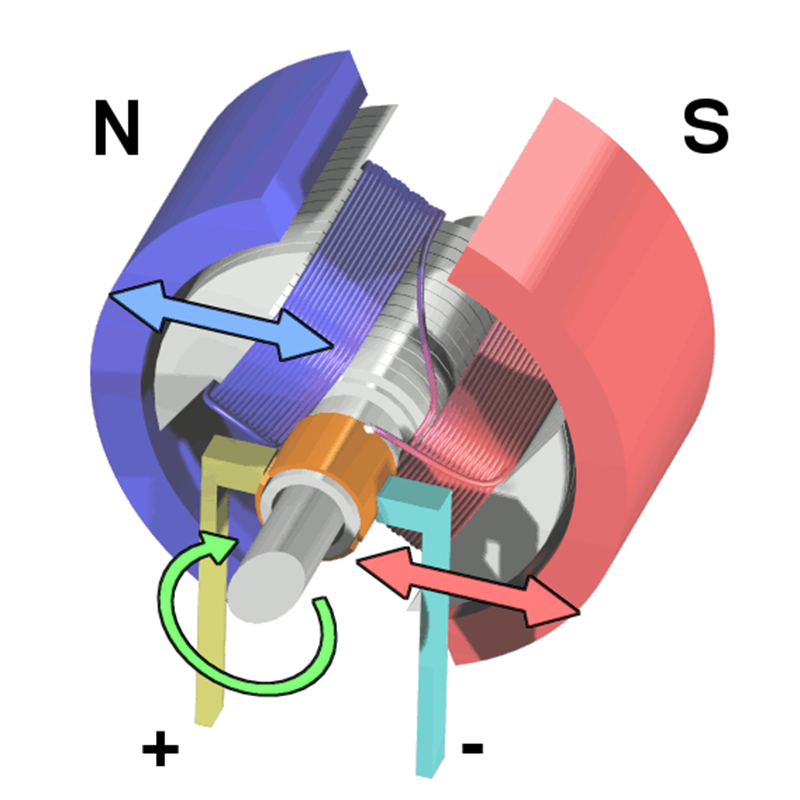
Because PM motors employ permanent magnets in the rotor, they are more effective and efficient than non-permanent magnet motors (such as induction motors). This is so because PM motors don’t create rotor losses. After all, the rotor is not where the secondary current is flowing.
SPM motors and IPM motors are the two types of PM motors that are separated based on the rotor’s structure. Permanent magnets are “stuck” to the rotor in SPM motors and “embedded” in the rotor in IPM motors. Magnets integrated in IPM motors allow for faster speeds and better mechanical safety.
The technology behind these PM motors is supported by rare earth magnets with significant magnetic forces. Even still, rare earth magnets have been identified as a procurement risk because of their skyrocketing costs and unpredictable availability due to Chinese export regulations and other causes.
However, other technologies have emerged recently, such as IPM motors that use bonded magnets produced from samarium, which are not rare earth magnets, and are not rare earth magnets. Bonded magnets offer support.