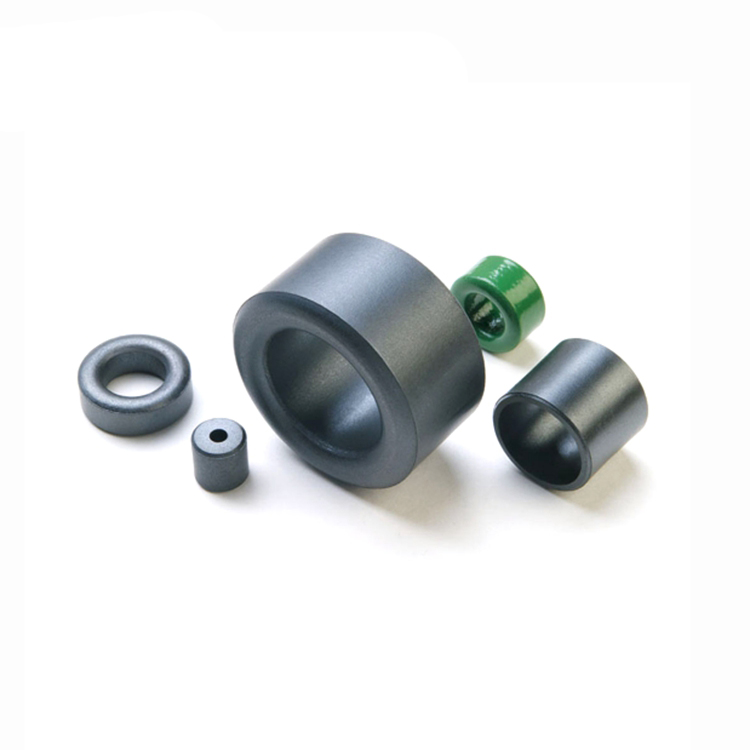
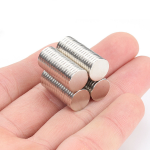
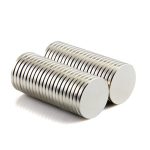
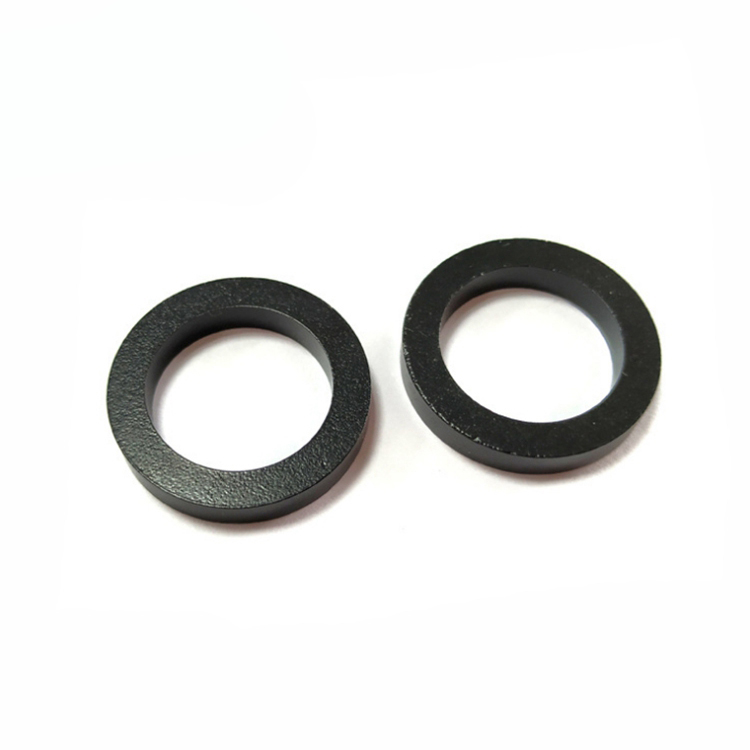
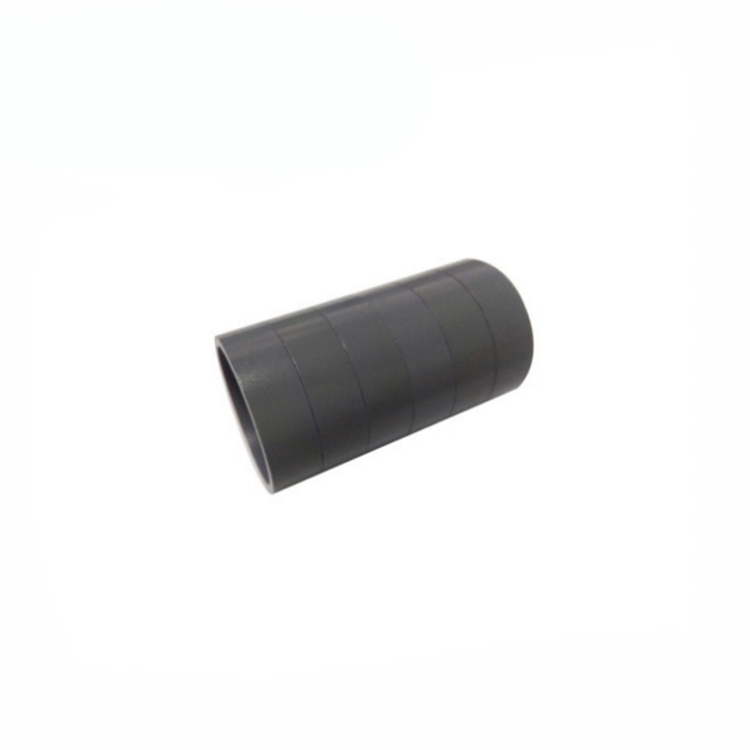
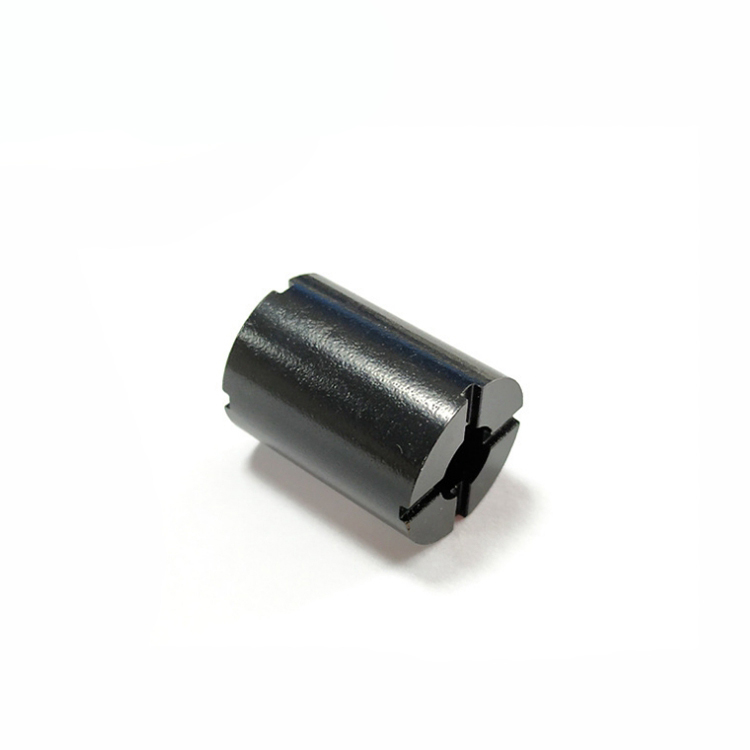
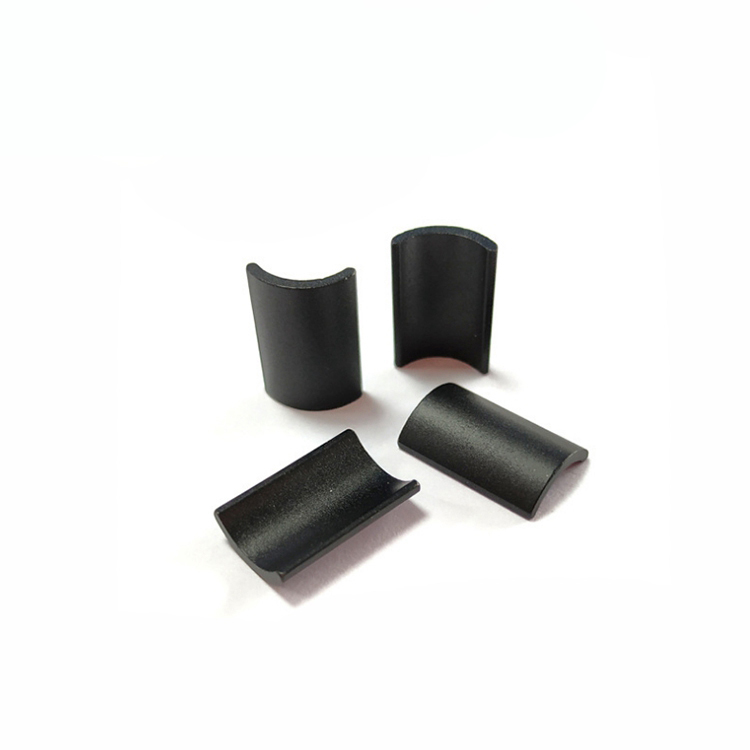
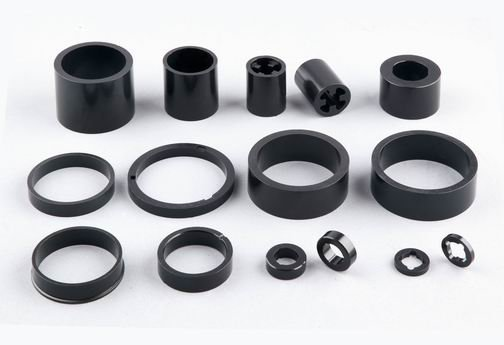
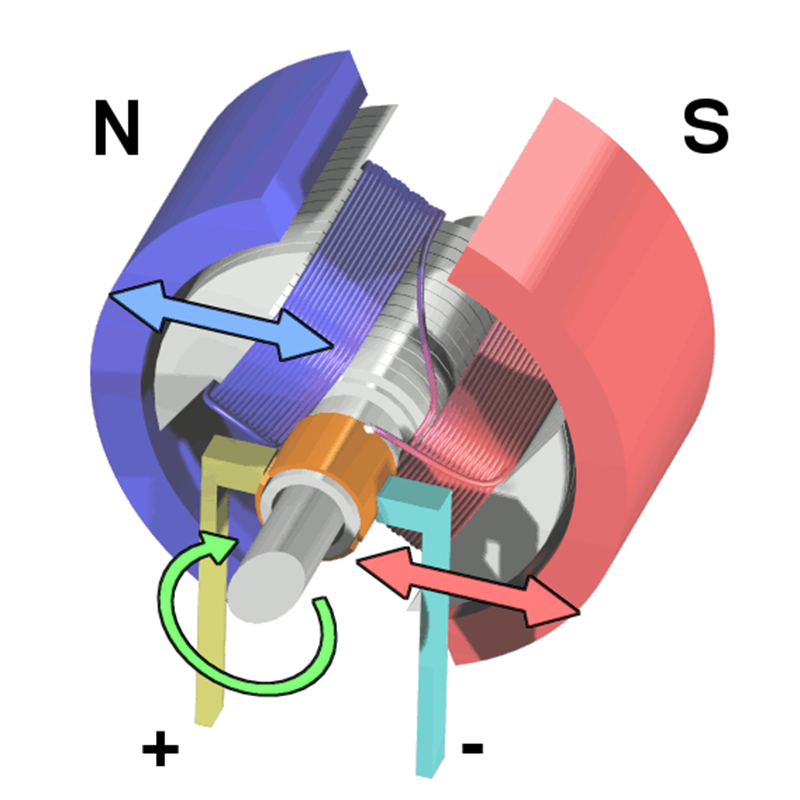
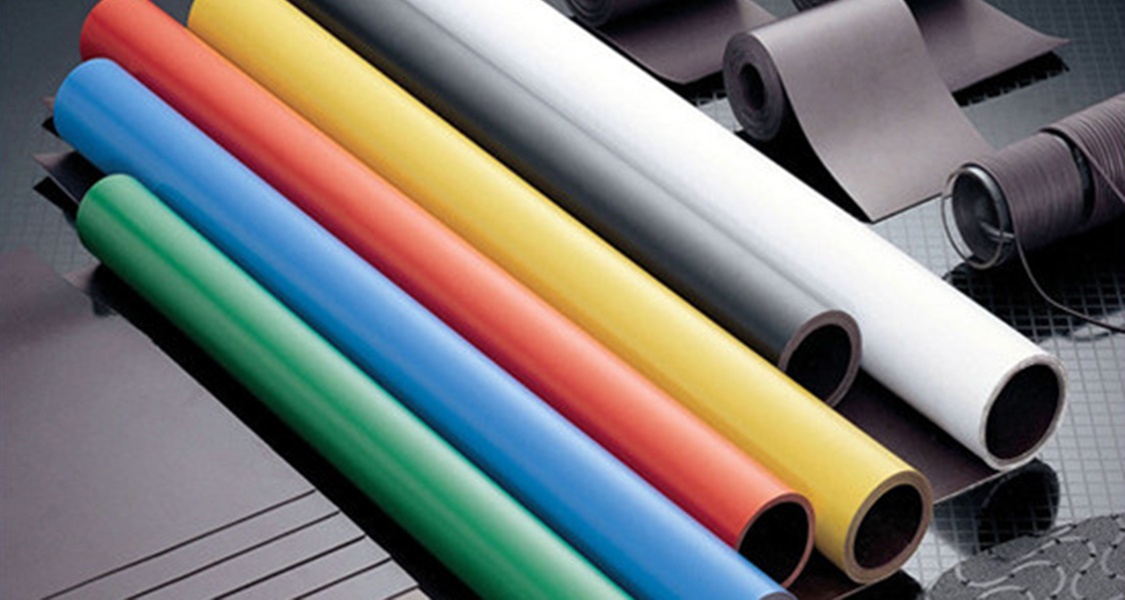
It is a brand-new hybrid permanent magnetic material that is made by hand-crafting it using the techniques of compression, injection,pressing, and extrusion after mixing magnetic powder with the bound material.Speakers, vehicle motors, sub-miniature vibration motors, CDROM, DVD spindle motors, and computer HDD are all included in the application region.Principal axis drives, step motors, and other electromotors are examples.
◆ altas propiedades magnéticas pueden alcanzar N55 - los imanes más fuertes a temperatura ambiente.
◆ El tamaño máximo puede alcanzar 130 x 130 x 30 mm y el mínimo 1,5 x 1,5 x 1,5 mm.
◆ Variedad de tratamientos superficiales: Revestimiento protector de níquel, algunos con chapado adicional de oro o cobre, o revestimiento de resina epoxi.
Bonded Ndfeb, also known as Nd2Fe14B, is a synthetic magnet. Bonded NdFeB magnets are created by combining quick-quenched ndFeB magnetic powder and a binder in a “press molding” or “injection molding” magnet. Bonded magnets may be formed into magnetic components with somewhat complicated geometries with high dimensional precision, and they have the properties of one casting and multi-pole orientation. The mechanical strength of bonded NdFeb is great, and it may be created once with other supporting components during forming.
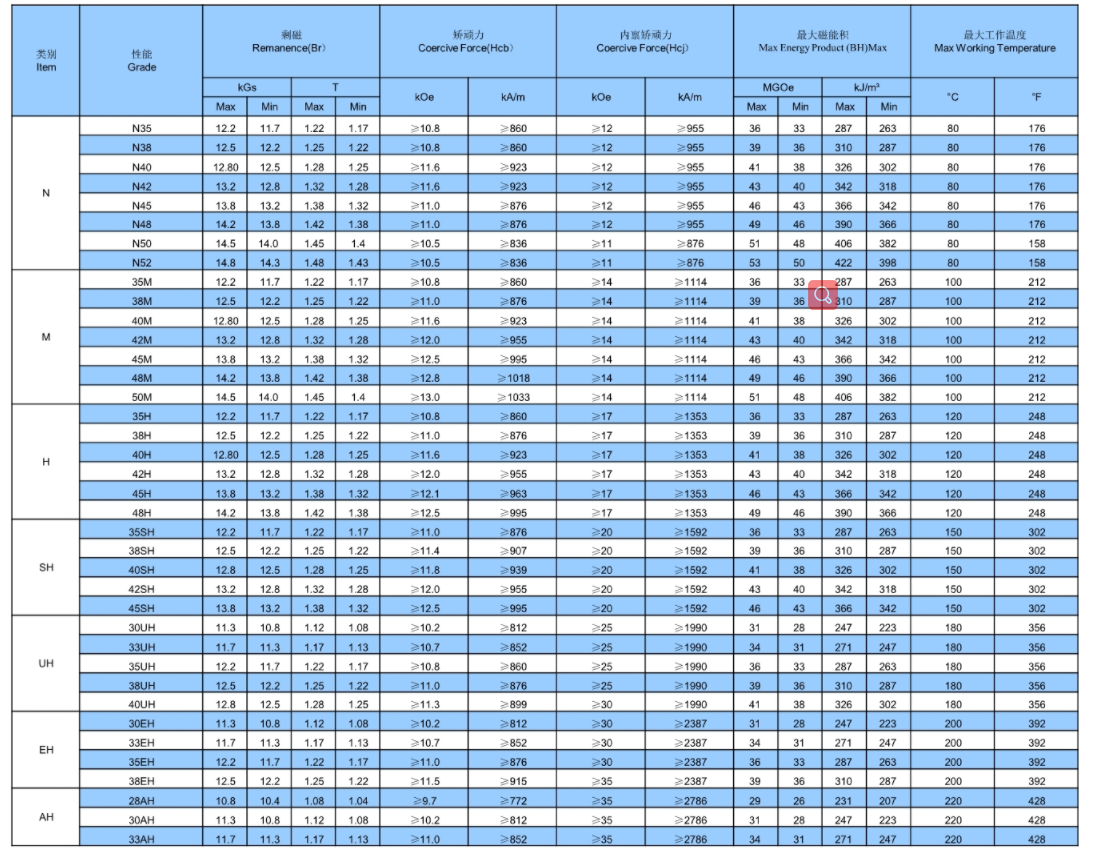
Clases de imanes de neodimio Los imanes de neodimio se clasifican según el material del que están hechos. Como regla general, cuanto mayor sea el grado (el número que sigue a la "N"), más potente será el imán. El grado más alto de imán de neodimio disponible actualmente es N52. Cualquier letra que siga al grado se refiere a la temperatura nominal del imán. Si no hay ninguna letra después del grado, el imán es de neodimio de temperatura estándar. Las temperaturas nominales son estándar (sin designación) - M - H - SH - UH - EH
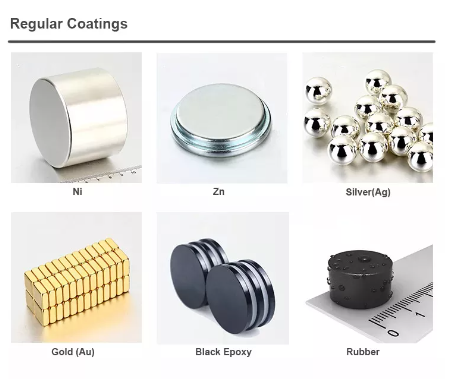
Magnet Coating Types Display
Support all magnet plating , like Ni, Zn, Epoxy , Gold, Silver etc.
Ni Plating Maget: Good anti-oxidation effect, high gloss apprearance,long servie life . Zn Plating Magnet: Suitable for general requirements on surface appearance and oxidation resistance . Epoxy Plating Magnet: Black surface, suitable for harsh atmospheric environments and occasions which require high corrosionresistance.
Comparison of sintered versus bonded NdFeB magnets A type of manufactured permanent magnet and currently the most potent one is the neodymium magnet, also referred to as the NdFeB magnet. Magnets made of NdFeB have an attraction force of up to 640 times their own weight. If the NdFeB magnets were split based on form, they would be classified as round magnets, ring magnets, rectangular magnets, square magnets, irregular magnets, etc. NdFeB magnets can be separated into cemented NdFeB magnets and sintered NdFeB magnets based on the manufacturing method. What distinguishes bonded NdFeB magnets from sintered NdFeB magnets? The distinctions between sintered and bonded NdFeB magnets will be explored in this essay.
Comparison of sintered versus bonded NdFeB magnets Magnets with NdFeB Bonds A manufactured magnet made of Nd2Fe14B is called a bonded NdFeB magnet. NdFeB magnetic material that has been quickly cooled and a binder are combined to form bonded NdFeB magnets through compression molding or injection molding.
High dimensional precision, one-time molding, multi-polar orientation, and the ability to be turned into magnetic components with reasonably complicated forms are all features of bonded NdFeB magnets. The bonded NdFeB magnets can be made all at once with other supporting components during shaping and have a high tensile strength.
Thanks to their low cost, high dimensional accuracy, the large degree of freedom in shape, good mechanical strength, and light specific gravity, bonded NdFeB magnets are widely used in office automation equipment, Denso machinery, audiovisual equipment, instrumentation, small motors and metering machinery, mobile phones, CD-ROM, DVD-ROM drive motors, hard disk spindle motors HDD, other micro special DC motors and automated instruments and other fields. Their rate of yearly development has surpassed 35%.
Bonded NdFeB magnets are superior to sintered NdFeB magnets in that they can be produced at a single step without additional processing and in a variety of complicated magnet shapes. The size and weight of the engine can be significantly decreased with the aid of the attached NdFeB magnets.
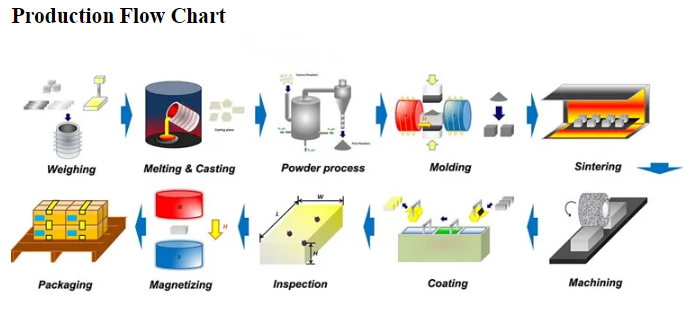
Magnesia NdFeB Sintered The powder metallurgy method is used to create the sintered NdFeB magnet. The smelted metal must first be pulverized and compacted into a compact in a magnetic field before being sintered to accomplish densification in an inert gas or vacuum.
In general, only the magnet blank can be made after sintering, and it can then be mechanically processed into magnets of different forms. (such as wire cutting, slicing, grinding, etc.).
Sintered NdFeB permanent magnets are extensively used in a variety of industries, including aerospace, electrical gear, toys, medical equipment, toys, packaging, and toys. Permanent magnet engines, speakers, magnetic separators, computer hard drives, and MRI devices are some of the more popular ones.
Sintered NdFeB magnets have bad dimensional precision, high manufacturing expenses, and significant processing loss when compared to bonded NdFeB magnets. But it also clearly has an edge. Currently, the sintered NdFeB magnet’s (BH) maximum can approach more than 50M, whereas the bonded magnet typically falls below 10M.
Conclusión We appreciate you taking the time to read our piece and hope it will help you better grasp the differences between sintered and bonded NdFeB magnets. We would like to suggest that you contact Stanford Magnets for more information if you are interested in learning more about neodymium magnets.
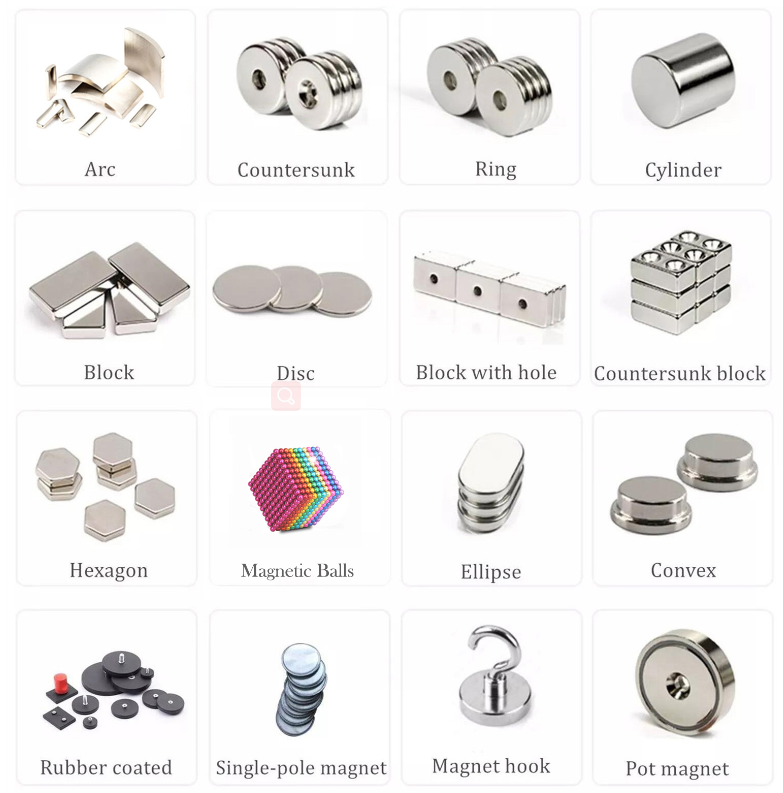
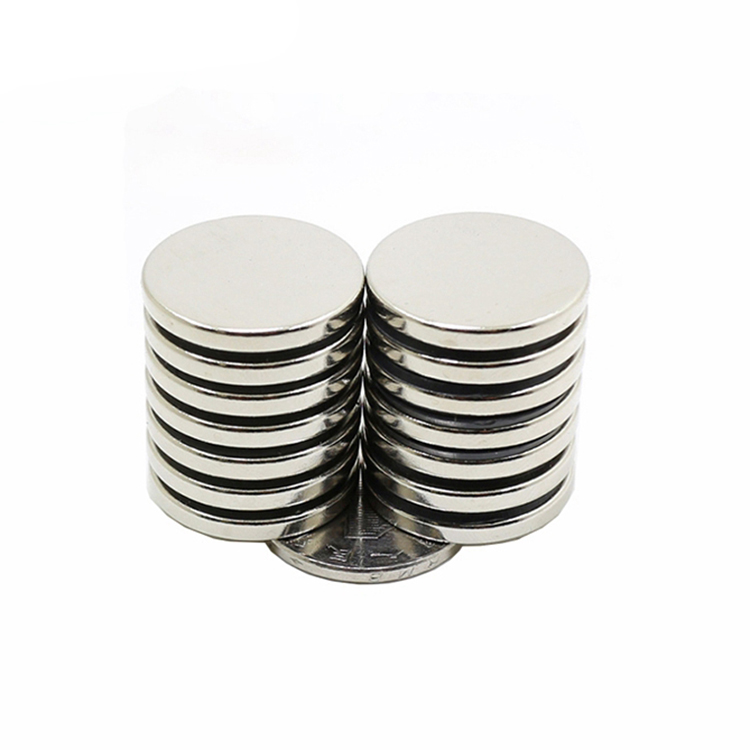
Imanes de neodimio personalizados
Disco magnético de neodimio, tamaño y grado personalizables
Grade ranges from N28 to N52. magnetic polarity, coating type
Its size may be altered according the requests of clients
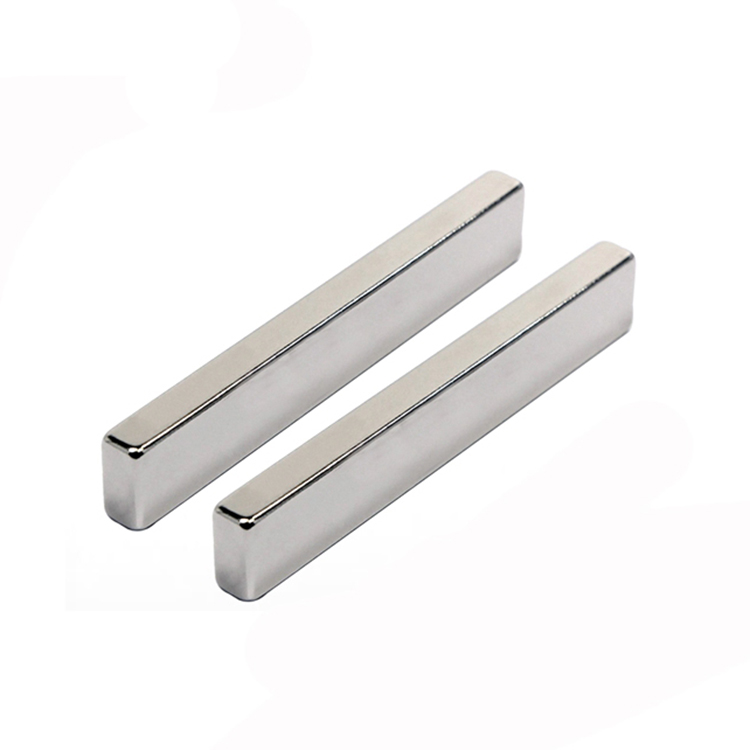
Imán de neodimio en bloque, tamaño y calidad personalizables Grade ranges from N28 to N52.
The magnetic field, the type of covering, and the dimensions are all customizable to the needs of the customer.
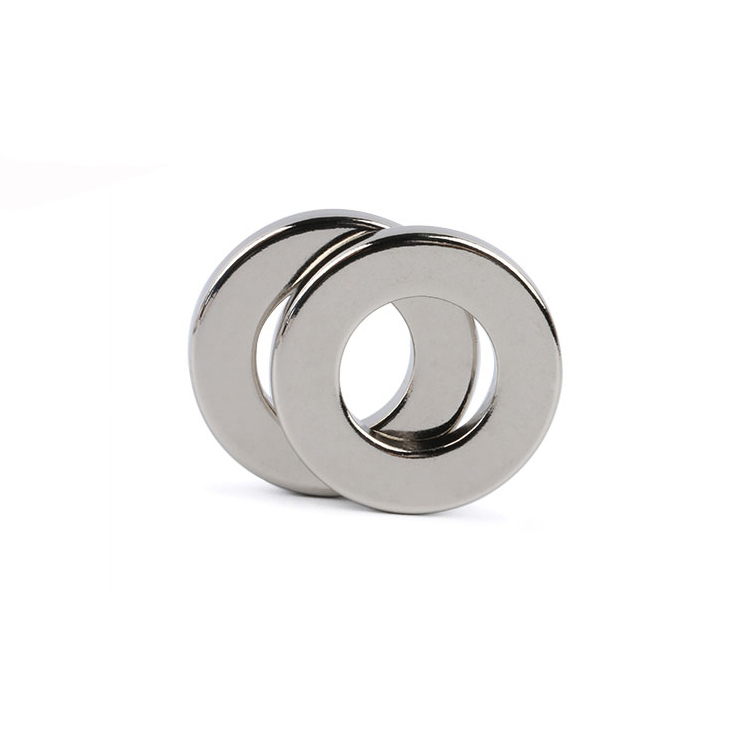
Imán de neodimio anular, tamaño y grado personalizables
Grade ranges from N28 to N52. a magnetic field,
The type of covering and its dimensions are flexible to accommodate customer requests.
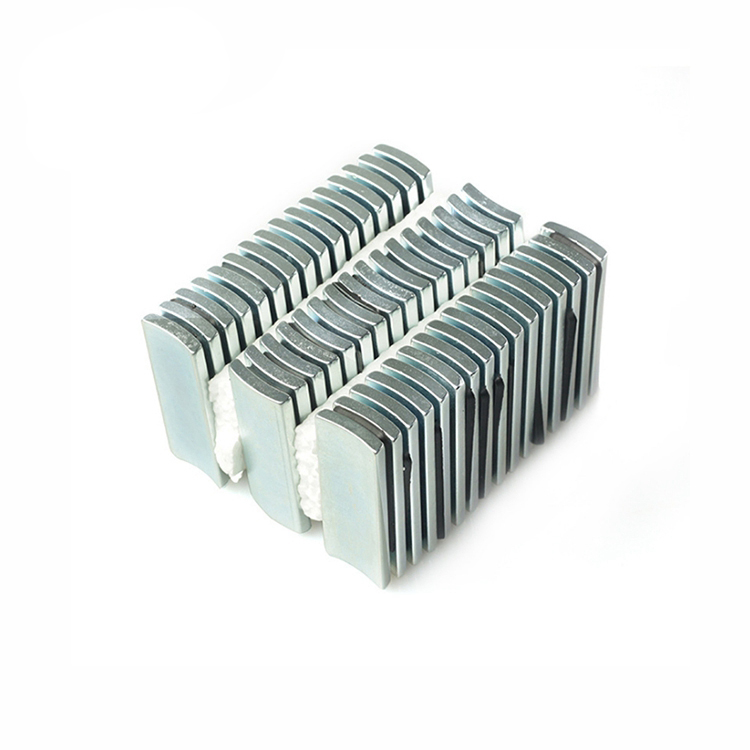
Imán de neodimio de arco, tamaño y grado personalizables,
resistencia a temperaturas de hasta 220℃ para algunos usos especiales del motor Grade ranges from N28 to N52. a magnetic field,
Both the coating’s substance and its size can be altered at the request of the customer.
It is also possible to fulfill some specialized temperature resistance requests.
We create specialized high-temperature magnets that can withstand 220 °C.
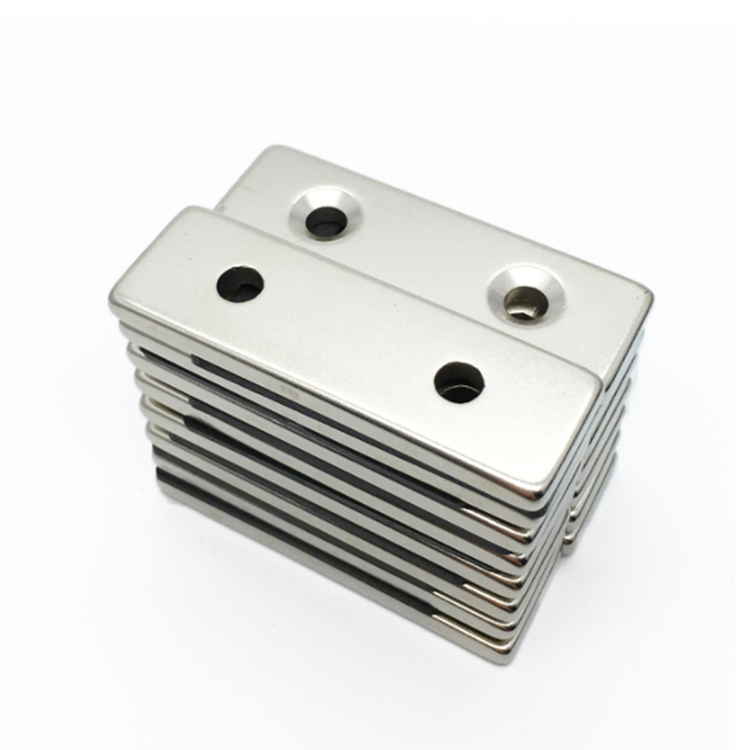
Imán de neodimio avellanado de diferentes formas
Grade ranges from N28 to N52. a magnetic field,
The type of covering and its dimensions are flexible to accommodate customer requests.
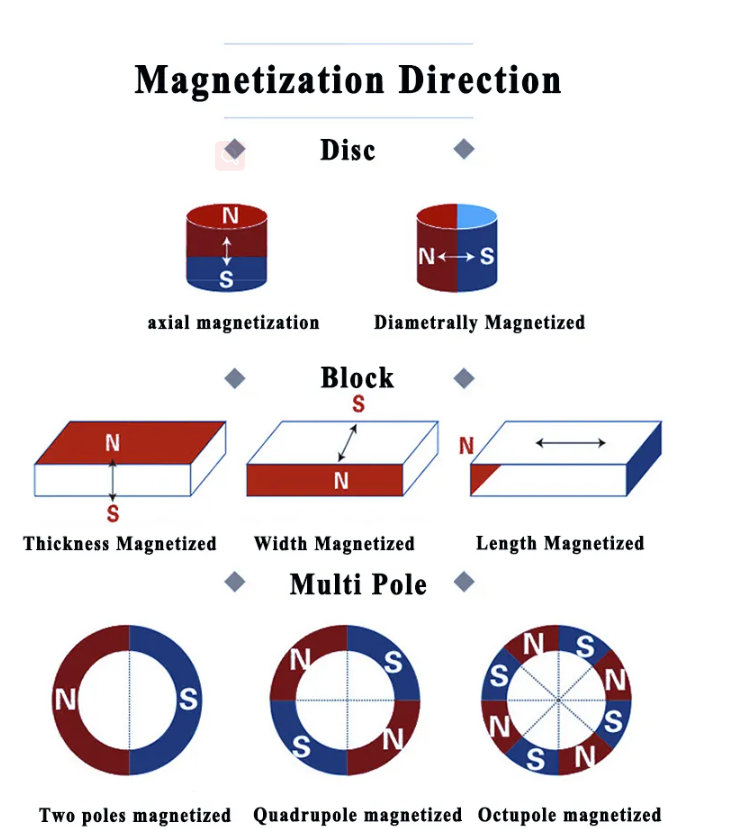
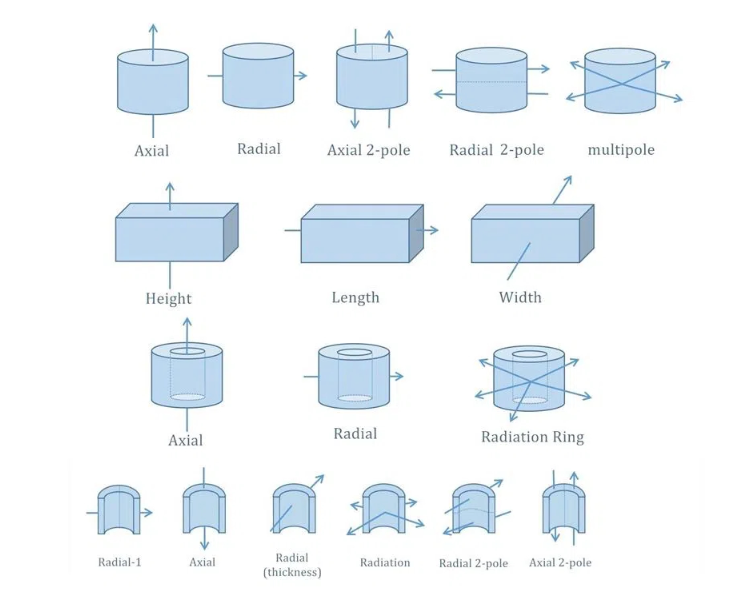
Dirección magnética
The magnet will release some of its saved energy when it draws toward or attaches to something. It will then store or preserve the energy expended by the person moving the object away.
Every magnet has a face that faces north and a face that faces south on its opposite ends.
Particle composites comprised of permanent magnet powder embedded in a plastic binder are known as plastic-bonded magnets. The major components of magnetic powder are hard ferrite (HF), different SmCo and NdFeB granules, and, to a lesser extent, AINiCo alloys. Duroplasts such as epoxy resins and thermoplastic materials such as polyamide (PA) or polyphenylene sulfide (PPS) are used to include the magnetic particles. There are both isotropic and anisotropic magnets with a variety of magnetic and mechanical properties, depending on the material composition and manufacturing technique. Because the properties of a composite are dependent on components like as the type of magnet or plastic used, as well as the amount of filling and alignment, a wide range of shapes and forms are accessible.
Making stiff plastic-bonded magnets involves two stages. The most common technique is injection casting. Compression shaping is employed, particularly for plastic-bonded rare-earth magnets. The shape is formed by magnetization. Injection molded thermoplastic grades provide practical options for direct insertion into other structural elements such as shafts, hubs, bearings, or housing components. As a result, components ready for installation may be created using a single process. Magnets may be inserted into bores or axles in a single cycle, while the injection molding process ensures that the specifications are met. Complex forms and structures, thin-walled rings, flat disk and ring magnets, pot-shaped magnets, sections, reinforcing fins, sectional bores, and a variety of other characteristics are also possible.
Every pressed geometric, with the exception of cylinders, blocks, and ring shapes, is realizable.
Our product selection reflects this variety. manner of delivery Our inventory contains a wide range of plastic-bonded NdFeB components with varied magnetic characteristics. They allow you to select materials based on the needs of each application. We would be delighted to offer you expert advice.
Bonded NdFeB magnets are extensively used in computer and auxiliary equipment micromotors, OA goods, digital appliances, and cars. Spindle motors for HDD, CDR, and CD-RW drives, pick-up motors, synchronous motors, and PM stepping motors are some examples.
Bonded NdFeB magnets exhibit the following properties:
* Multi-pole magnetization and radial magnetization
* Significantly better corrosion resistance than Sintered NdFeB magnets;
Resumen 3D-printed magnets are produced utilizing stereolithography and magnetic isotropic NdFeB material with a spherical form. (SLA). SLA makes it possible to manufacture complex magnets with minuscule feature areas and superb surface quality. Investigation and comparison of the magnetic properties of connected magnets generated by fused filament fabrication (FFF) and selective laser sintering (SLS) with those of 3D printed joined magnets. All processes employ the same stiff magnetic isotropic NdFeB material. FFF and SLA employ a polymer matrix component as its binder, whereas SLS instantly sinters the powder. SLA may be used to produce magnets with a 388 mT remanence and a 0.923 T coercivity. A complex magnetic design is shown and printed for applications involving speed wheel sensing.
Keywords:
Magnets, photopolymerization, NdFeB, material extrusion, and powder bed fusing are all examples of processes. New magnetic detecting applications and magnetic materials are now possible thanks to additive manufacturing. A approach is to build concrete things layer by layer utilizing chemical or thermal processes from a formless or form-neutral feedstock. This offers several advantages over traditional production processes such as sintering full-dense magnets or injection-molding polymer-bonded magnets, such as design flexibility, net form possibilities, waste reduction, and low prototyping lead times.
Printing thermoplastic materials with fused filament fabrication or fused deposition modeling is a well-known and commonly utilized AM technology. For construction, it is formed of a polymer wire-like thread. Before being fed into a mobile extruder, the material is heated to the point of breaking. The structure is built layer by layer on top of the previously printed and hardened layer as the liquid material is forced out of the extruder entrance. Figure 1a depicts the FFF technique in drawing form. FFF may also be used to 3D print polymer-bonded magnets with filling ratios of up to 90% by combining magnetic soft- or hard-magnetic materials with the polymeric adhesive.
Because of the flexible nature of their matrix, polymer-bonded permanent magnets have a lower maximal energy product (BH)max than sintered magnets, which is a significant drawback. The (BH)max must be raised to maximize the efficacy of permanent magnets. When employing the powder bed fusion (PBF) technology, there is no requirement for a polymer matrix component. PBF sinters or totally melts the metallic material using a powerful laser or electron beam source. The use of spherical particles improves the printing process and image quality. Figure 1b depicts a basic sketch of the printing process. This implies that completely thick magnets might be created.
The quick liquefaction and cooling of the material near the concentrated heat source, on the other hand, changes the microstructure (grain size and grain boundary composition), which effects the magnetic characteristics of the printed items. Magnetic research is active, magnetic research is magnetic, magnetic research is magnetic, and magnetic research is magnetic. The energy source is one component of the PBF process. It is investigated if rigid or flexible magnets may be printed using the frequently used PBF printing technologies selective laser melting (SLM), electron beam melting (EBM), and laser sintering.
Sintering the particles preserves their original microstructure rather than fully melting each layer of powder.
Using a grain boundary infiltration method, a second step can significantly improve the coercivity of the printed samples. Stereolithography (SLA) was the first generally available AM technology. The photosensitive resin is methodically cured using visible or ultraviolet (UV) light for each cross-section of the layers of the cut computer model, or the entire image of each layer is projected and cured using a digital light processing (DLP) engine. The item gets thinned out by one layer when each layer is completed. The cross section of the half-finished item is then coated with a fresh coat of resin. This layer is scanned and cemented over the preceding layer.
The SLA concept is depicted in Figure 1c. The reference describes SLA of flexible magnetic materials with just 30% filler weight. There is presently no literature on stiff magnetic component SLA.
The SLA of magnetic isotropic material in a photo reactive plastic is discussed in this article. The 3D printed permanent magnet samples are more exact and clear. Figure 1d depicts a 3D-printed reproduction of Vienna’s St. Stephen’s Cathedral with a layer height of 60 m and a minimum feature size of 0.1 mm. Furthermore, as previously stated, sintered magnets generated with SLS and polymer-bonded magnets made with FFF are both made from the same magnetic isotropic material.
Each approach’s benefits and drawbacks are thoroughly evaluated. Complex magnets may be produced, allowing for magnetic property investigation and comparison.
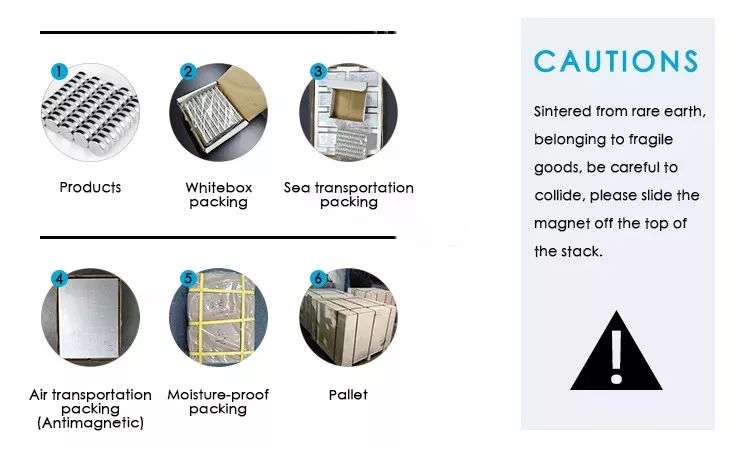
1. Una caja blanca interior.
2. 2. Tamaño adecuado del contenedor.
3. Embalaje no magnético.
4.En función del importe del pedido, le recomendaremos la mejor solución de envío.