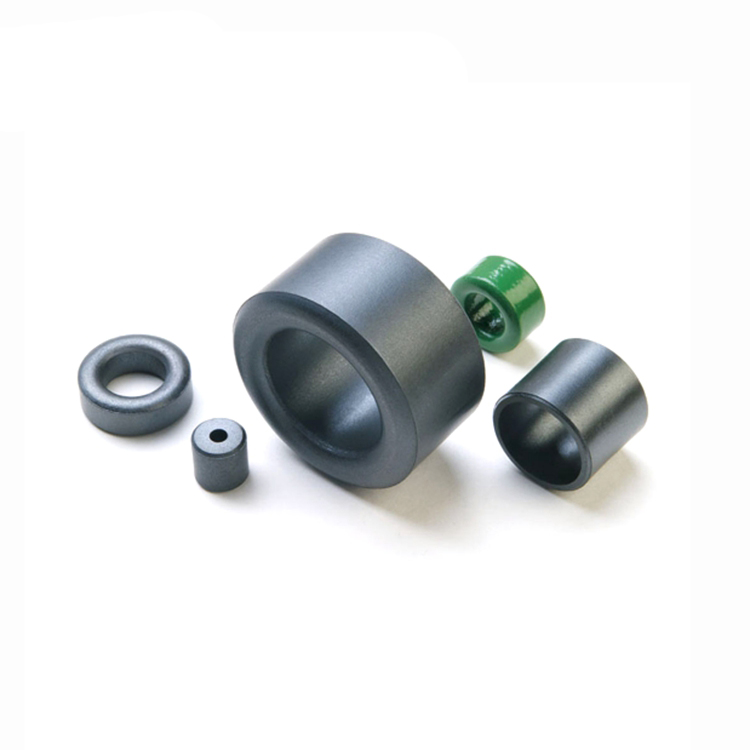
Bonded ndfeb magnet
In the past 15 years, Hesheng has exported 85% of its goods to nations in America, Europe, Asia, and Africa. Our skilled professionals can help you find the most affordable material for your needs out of the broad variety of neodymium and permanent magnetic material possibilities.
Rare earth magnet grades
Bonded ndfeb magnet applications
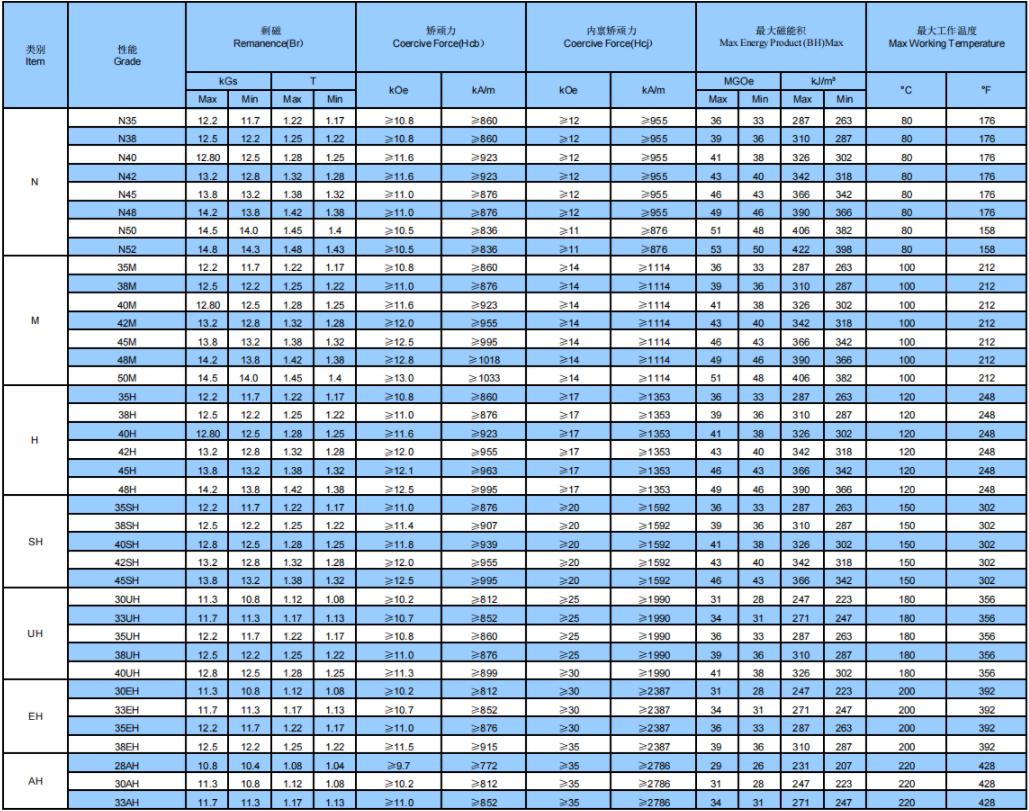
The type of material used to make each neodymium magnet determines its grade. The stronger the magnet, in general, the higher the grade (the number after the ‘N’). N52 is the highest grade of neodymium magnet that is currently offered. Any letter that appears after the grade denotes the magnet’s temperature rating.
The magnet is normal temperature neodymium if there are no letters after the grade. The standard temperature ratings are M, H, SH, UH, and EH (no indication).
You can successfully personalize different forms with the aid of cutting-edge manufacturing technology and thirty years of manufacturing expertise! Magnets with unique shapes, such as triangles, loaves, trapezoids, etc., may also be made to order!
Strong Magnet Customized
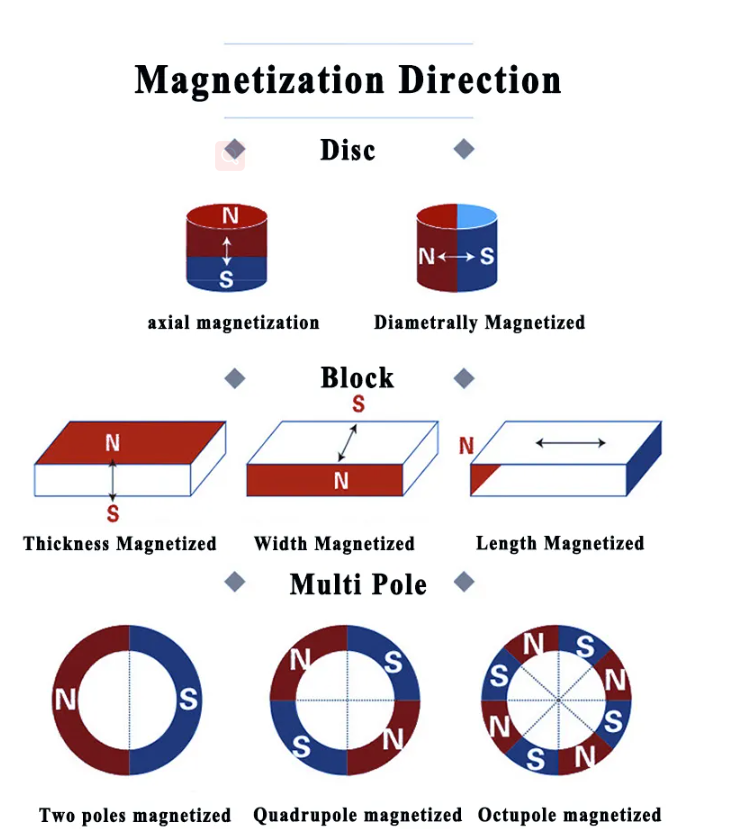
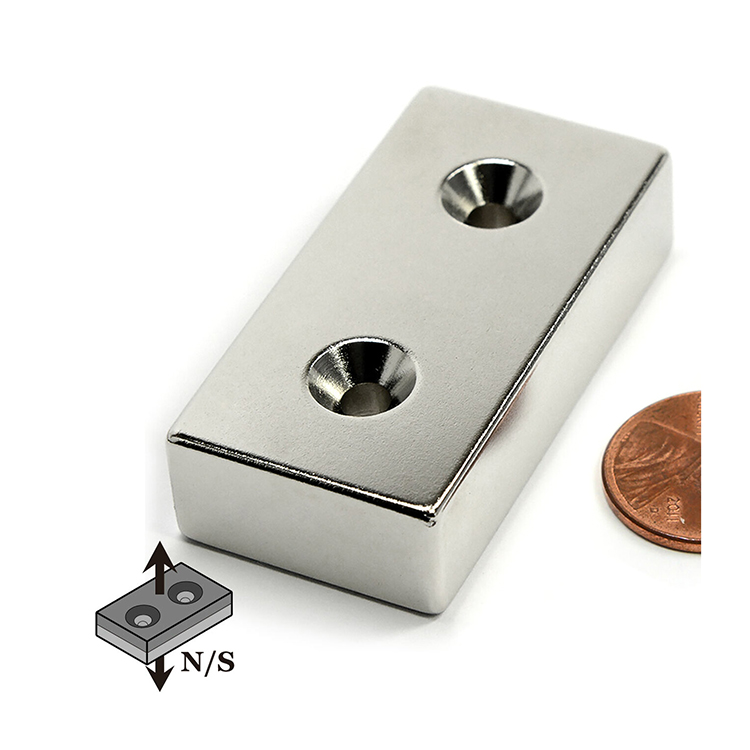
We accept specially crafted services: Shape and Dimension Requirements, Material and Coating Requirements, Processing in accordance with Design Drawings, Magnetization Direction Requirements, etc. 5) Minimum Magnet Grade Standards; 6) Requirements for surface treatment (plating requirements)
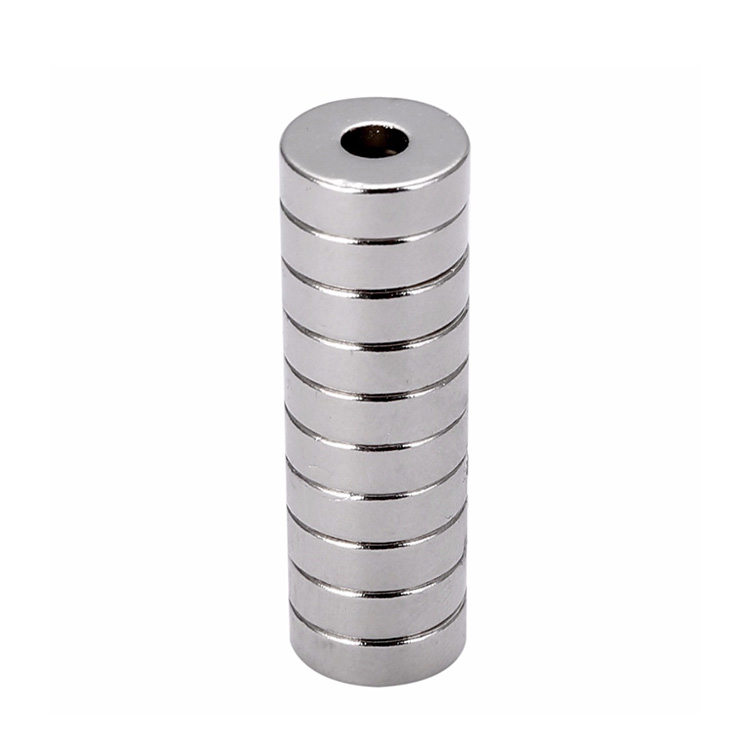
Magnetized Neodymium Ring
Common dimension range:
Cusomized Size in accordance with your needs
Axial or diametric magnetization direction.
The magnetization’s maximum extent is 60mm.
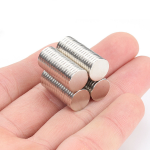
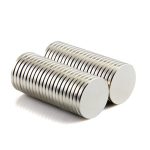
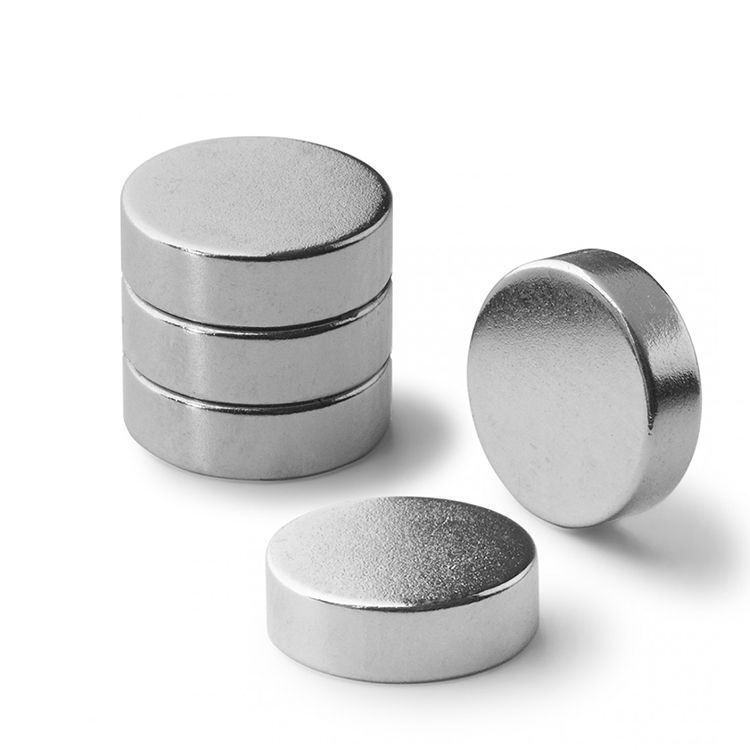
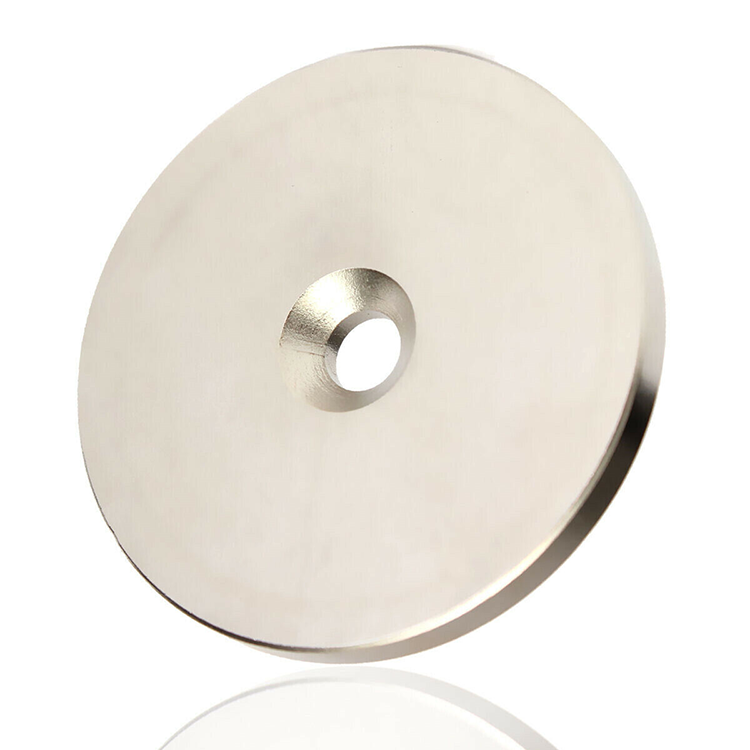
Magnetized Neodymium disk
Common diametrical range:
D200x50mm can be magnetized either axially or diametrically at its maximum.
The maximum extent of magnetization is 60mm, although it may be changed to meet your needs.
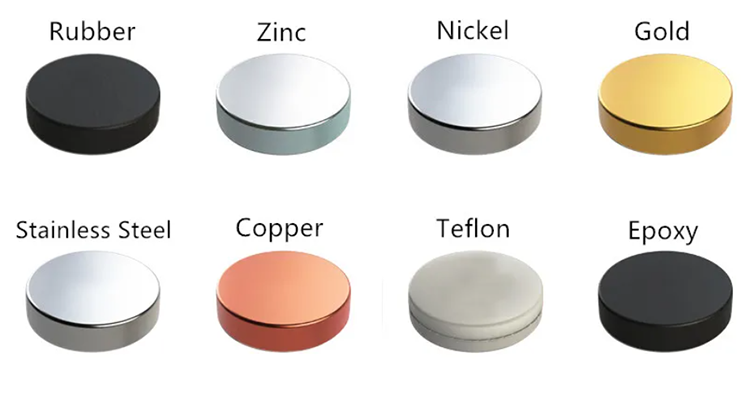
Display of Magnet Coating Types
Support for all types of magnet plating, including Ni, Zn, Epoxy, Gold, and Silver.
Ni Plating Material: Effective anti-oxidation, high gloss appearance, and prolonged service life.
Zn plating magnets are appropriate for general surface appearance and oxidation resistance needs.
Epoxy plating magnets have a black surface and are ideal for use in corrosive environments and other situations.
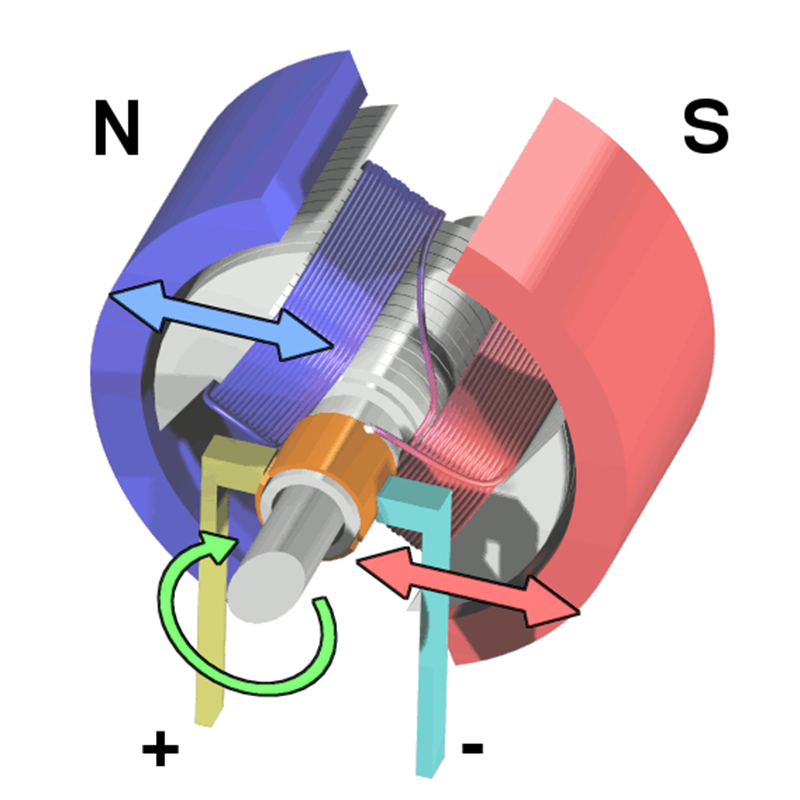
2) The auto industry: hybrid and electric DC motors, tiny high-performance motors, and power steering; 3) The medical sector: MRI equipment and scanners;
4) Clean Tech Energy: Windmills and improved water flow;
5) Magnetic separators, which are used for waste collection, food and liquid quality control;
6) Magnetic Bearing – Used in several heavy industries for extremely delicate and sensitive processes.
Based on its mechanical and magnetic properties, composite bonded magnet becomes one of intriguing magnetic materials. Additionally, the use of composite materials in the manufacture of magnet materials lowers the cost, making it more effective and efficient. However, because of its chemical composition, composite bonded magnets do not have particularly excellent stability. Bonded ndfeb magnet industry In this work, the characteristics of a NdFeB-based composite bonded magnet that was made by compressing powders of NdFeB, BaFe12O19, and bakelite were investigated. The samples’ physical characteristics were examined using the dimensional method for bulk density, the Vickers Hardness (HV) test, an optical microscope (OM) to examine the microstructure, a Gaussmeter to measure magnetic properties, and a vibrating sample magnetometer to measure the hysterical curve (VSM). Bonded ndfeb magnet statistics.
The optimal composition for a NdFeB composite bonded magnet was determined by the results of all the characteristic tests to be 95%wt NdFeB, 5%wt BaFe12O19, and 2.5%wt bakelite. This mixture produces a NdFeB composite bonded magnet with a bulk density of 4.148 g/cm3 and a magnetic flux of 981.75 Gauss. While the product energy (BH max), coercivity (Hcj), and remanence value (Br) are 4.410 kG, 9.334 kOe, and 3.679 MGOe, respectively. BaFe12O19 with 2.5%wt of bakelite has the best hardness value, 163.58 HV, in the meanwhile. The size range reported by the particle size observer using OM and Image-j was 0.938 to 1.450 m. Overall, the density and magnetic flux values are decreased and the hardness value is increased with the addition of BaFe12O19 and bakelite.
Bonded ndfeb magnet uses.
Bonded neodymium iron boron magnets, also known as bonded ndFeB magnets, are those permanent magnetic materials formed of quick quenched neodymium iron boron magnetic powders mixed with resin binders (epoxy, nylon/polyamide (PA), polyphenylene sulfide (PPS), etc.). It is possible to generate complicated geometries with great dimensional precision since they are produced using a bonded technique (compression, injection, extrusion, or calendaring molding). It is able to alter the magnetic characteristics of the magnets in a continuous range by regulating the performance and quantity of NdFeB magnetic powders. Bonded NdFeB magnets are used extensively in spindle motors, micro motors, direct current (DC) motors, synchronous motors, power tools, magnetic rollers, Hall effect sensors, and other devices due to their availability in complex geometries, high dimensional precision, uniform magnetic properties, variety of magnetization patterns, good corrosion resistance, and mechanical properties.
Neodymium magnets: what are they?
The strongest magnets now in use are neodymium magnets, which are comprised of neodymium (Nd), iron (Fe), and boron (B). Neodymium magnets offer outstanding mechanical strength and an energy output that is eight times stronger than that of anisotropic ferrite magnets. They are often nickel-plated as a surface treatment since they rust rapidly. Neodymium magnets have the drawbacks of being heat-sensitive and needing cautious handling. They are frequently employed in industrial products as well as in everyday items like apparel and home goods. Our clients include businesses that produce magnetic goods as well as those looking to purchase a tiny yet powerful
Because of its remarkable magnetic characteristics, NdFeB permanent magnets are vital for current technologies. Recycling essential metals from sintered NdFeB permanent magnets has received a great deal of interest in the recent decade, but recycling of (polymer or resin) bonded NdFeB magnets has received less attention. This article provides an overview of the polymer or resin binders used in commercial bonded magnets, as well as potential recycling pathways for these magnets. Polyamides (PA6 and PA12), poly-p-phenylene sulfide (PPS), and epoxy were discovered in commercially bonded NdFeB magnets. Ionic solutions containing coordinating anions (chloride, acetate, or dialkylphosphate) quickly dissolved both types of polyamide resins.
Ionic liquid solvents could not be used to remove the resin, only 1-chloronaphthalene and 1,3,5-triphenylbenzene at high temperatures. Although some ionic liquids could remove epoxy, an interaction between the NdFeB powder and the ionic liquids was detected. To remove the polymeric component of a batch of PA6-bonded magnets, an ionic liquid tributylethylphosphonium diethylphosphate was used. It was discovered that the PA-free magnet powder retained more than 90% of its original magnetic characteristics. Two epoxy-bonded magnets made from this recycled magnet powder demonstrated magnetic qualities similar to those of commercial equivalents, demonstrating the process’s adaptability and that the materials loop could be effectively closed.
Bonded magnet materials can be manufactured from NdFeB, Strontium Ferrite, or a mixture of the two via injection molding. Bonded magnets produced by injection molding may be molded into intricate forms as well as molded directly onto components. Compression bonding may also be used to manufacture bonded magnets, which have a greater magnetic output but are confined to simpler geometries than Injection Molded materials. Compression NdFeB or SmCo powders can be used to make bonded magnets.
Molded by injection:
Nylon, PPS, and Polyamide are examples of binder materials.
Temperature range: -40 to 180 degrees Celsius
Off-tool tolerances are quite tight (often 0.002 -0.003).
Excellent mechanical strength
Bonded by compression:
Magnetic particle density increases magnetic strength.
Resistant to common industrial chemicals and automotive fluids.
After manufacture, apply an epoxy coating to prevent oxidation.
Temperature range: -40°C to 165°C “Tight” off-tool tolerances
Excellent mechanical strength
Examples of Bonded Magnet Applications:
Brushless DC Motors Sensors General Bonded Magnet Applications:
Materials are isotropic, which means they may be magnetized in any direction.
Existing tool sizes in rings, discs, and rectangles are extensive.
Exsisting Magnetizing fittings with several poles for rapid prototyping
Simple to machine
Existing Multipole rings make assembly verse arc separations easier.