





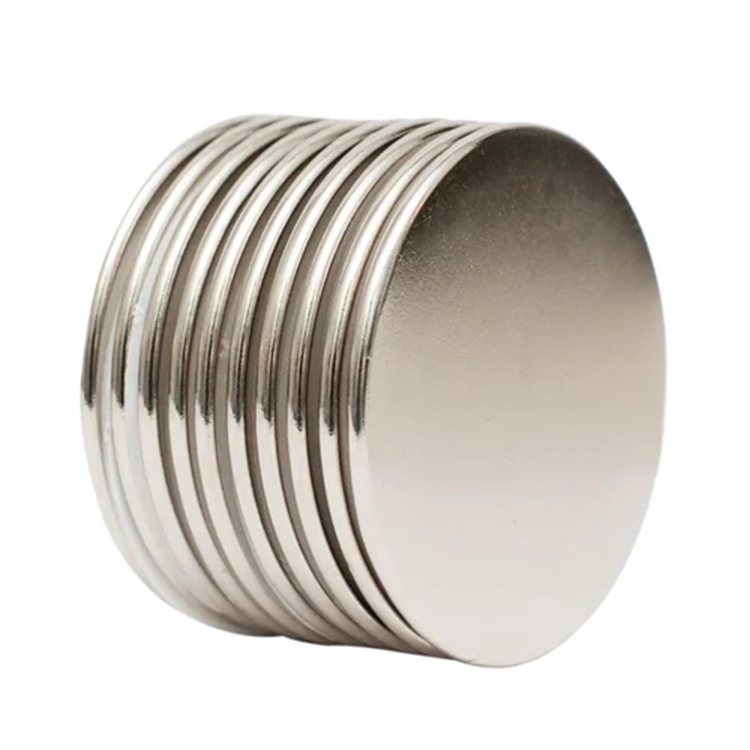
Introduction
Neodymium magnets, known for their exceptional strength, are classified based on their grades. Among these, the N40 grade Neodymium Bar Magnets stand out for their specific magnetic properties, making them a popular choice in various industries and applications.

Understanding Neodymium Magnet Grades
Neodymium magnets are graded according to the magnetic properties they possess. The N40 grade signifies a particular strength level, denoting its place in the spectrum of Neodymium magnet strengths. Understanding this grading system is crucial in comprehending the capabilities and applications of N40 Neodymium Bar Magnets.
Typical Dimensions of N40 Neodymium Bar Magnets
N40 Neodymium Bar Magnets come in a diverse array of sizes and shapes, catering to various industrial and commercial needs. These magnets are predominantly available in block or rectangular shapes, although other configurations, such as cylindrical or square forms, can also be found.
- Standard Sizes and Shapes
The standard dimensions for N40 Neodymium Bar Magnets encompass a spectrum of lengths, widths, and thicknesses. The lengths can range from a fraction of an inch to several inches, with common variations including 1 inch, 2 inches, and 3 inches, among others. Similarly, widths can vary from a few millimeters to several centimeters, offering versatility in applications. Thicknesses often range from 1mm to 10mm or more, providing different magnetic strengths and adaptation to various purposes.
- Variations in Dimensions
Manufacturers typically offer specifications outlining the exact measurements of N40 Neodymium Bar Magnets, providing customers with a wide selection to suit specific applications. These variations in size accommodate different requirements across industries, allowing for customized solutions in engineering, electronics, and manufacturing sectors.
- Customization Possibilities
Beyond standard shapes and sizes, N40 Neodymium Bar Magnets can be customized to meet unique specifications for specialized applications. Custom machining or cutting allows for precise alterations in dimensions, enabling magnets to conform to intricate shapes or fit particular components within machinery or devices.
- Applications of Different Sizes
The variability in dimensions of N40 Neodymium Bar Magnets corresponds to their application versatility. Smaller-sized magnets, such as those measuring a few millimeters in length and width, find utility in microelectronics, sensor technologies, and miniature devices. Conversely, larger-sized magnets are utilized in machinery, industrial equipment, and magnetic assemblies where higher magnetic force is required.
- Manufacturing Specifications
In the production process, manufacturers adhere to stringent quality control standards to ensure consistency in the dimensions of N40 Neodymium Bar Magnets. These magnets undergo precise manufacturing techniques to achieve uniformity in size, shape, and magnetic properties, meeting industry standards and customer expectations.
Magnetic Strength of N40 Neodymium Bar Magnets
N40 Neodymium Bar Magnets are esteemed for their remarkable magnetic strength within the spectrum of Neodymium magnet grades. The designation “N40” indicates a specific strength level, signifying their robust magnetic force compared to lower-grade magnets while slightly less potent than higher grades like N52.
- Specific Magnetic Properties
The N40 grade of Neodymium magnets encompasses several magnetic properties essential for understanding their strength. These magnets possess high magnetic flux density, indicating a stronger magnetic field compared to lower grade magnets. Additionally, they exhibit a high level of coercivity, allowing them to resist demagnetization and maintain their magnetic strength over time, even under challenging conditions.
- Comparative Strength
Compared to lower grade Neodymium magnets, N40 magnets offer significantly greater magnetic force. While lower-grade magnets like N35 or N38 exhibit strong magnetic properties, N40 Neodymium Bar Magnets boast an enhanced magnetic strength, making them a preferred choice for applications demanding robust magnetism but not requiring the utmost strength provided by higher grades.
- Practical Use and Benefits
The superior magnetic strength of N40 Neodymium Bar Magnets makes them invaluable in various industrial, engineering, and technological applications. Their exceptional magnetic force allows for efficient performance in devices, machinery, and equipment requiring a reliable and potent magnetic field, contributing to improved functionality and precision in diverse settings.
- Performance Versatility
N40 Neodymium Bar Magnets deliver consistent performance across a broad range of temperatures and environments. Their magnetic strength remains reliable even in extreme conditions, demonstrating stability and resilience, making them suitable for applications in various industries such as aerospace, automotive, electronics, and renewable energy.
- Factors Influencing Strength
While N40 Neodymium Bar Magnets inherently possess robust magnetic strength, factors such as size, shape, temperature, and environmental conditions can affect their actual magnetic force in practical use. Understanding these factors helps optimize their performance for specific applications.
Factors Affecting N40 Neodymium Bar Magnets
N40 Neodymium Bar Magnets possess robust magnetic strength, but their actual performance in practical applications can be influenced by various factors. Understanding these elements is crucial for optimizing their effectiveness across diverse settings.
- Size and Shape
The size and shape of N40 Neodymium Bar Magnets play a significant role in their magnetic force. Larger magnets generally exhibit greater magnetic strength due to increased surface area, while specific shapes may influence the direction and concentration of the magnetic field.
- Temperature
Temperature is a critical factor influencing the magnetic properties of N40 Neodymium Bar Magnets. Changes in temperature can impact their magnetic strength. At higher temperatures, these magnets may experience reduced coercivity and magnetic flux, affecting their overall performance.
- Environmental Conditions
Environmental factors, such as humidity and exposure to corrosive elements, can affect the performance of Neodymium Bar Magnets. Moisture can cause corrosion, leading to degradation of magnetic properties over time. Protective coatings or proper storage can mitigate these effects.
- Alignment and Magnetization Process
The magnetization process during manufacturing and the alignment of magnetic domains within the magnet can impact its overall strength. Precise magnetization techniques ensure uniformity and consistency in magnetic properties.
- Magnetic Circuit Design
The design of the magnetic circuit where the magnet operates is crucial. The placement and configuration of magnets within a system, along with the surrounding materials and structures, can either enhance or diminish the overall magnetic force.
- Mechanical Stress
Mechanical stress or impacts on the magnet can affect its magnetic strength. Severe physical stress may cause damage or demagnetization, reducing the magnet’s effectiveness.
- Time and Aging
Over time, Neodymium Bar Magnets may experience slight changes in their magnetic properties due to aging. However, N40 Neodymium Magnets are known for their excellent stability, maintaining their magnetic strength over extended periods when properly handled and stored.
- Applications and Uses
N40 Neodymium Bar Magnets find widespread use across diverse industries due to their superior magnetic strength. They are extensively employed in engineering, manufacturing, electronics, medical devices, renewable energy systems, automotive applications, and more.
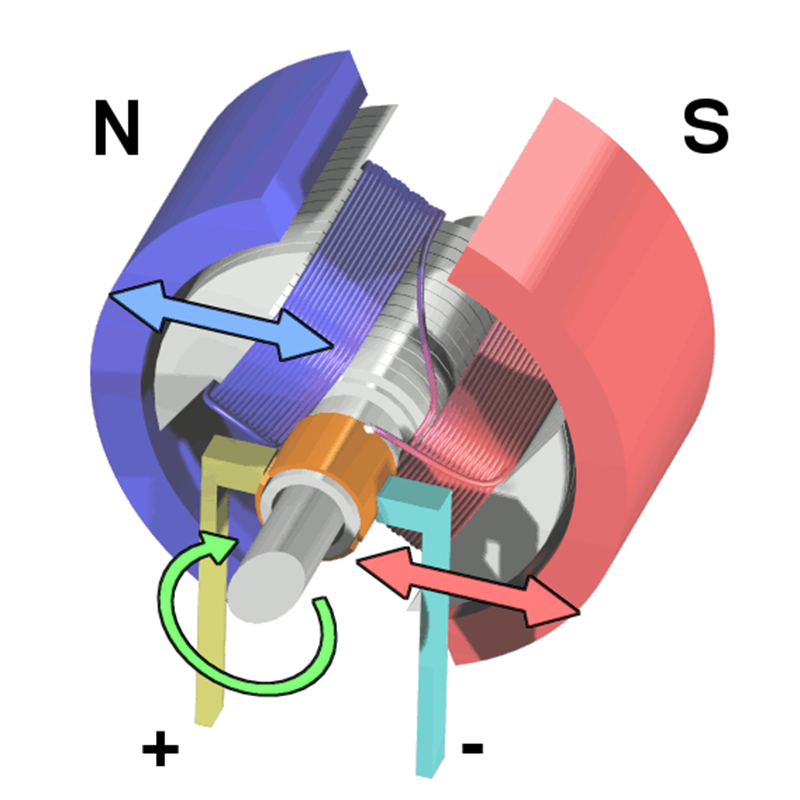
Their exceptional strength and resilience make them indispensable in high-tech sectors where precision and reliability are paramount. Common applications include magnetic separators, motors, actuators, sensors, magnetic therapy devices, and scientific experiments.
Safety and Handling Considerations
Due to their powerful magnetic force, precautions must be taken when handling N40 Neodymium Bar Magnets. Risks associated with these strong magnets include the potential for injury due to pinching, entrapment of fingers, and damage to nearby electronic devices or credit cards. Safe storage and handling practices are imperative to prevent accidents.
Conclusion
In conclusion, N40 Neodymium Bar Magnets epitomize high magnetic strength within the Neodymium magnet grading system. Understanding their typical dimensions and magnetic properties is crucial for harnessing their full potential across various industries and applications. Their versatility, resilience, and robust magnetic force position them as a key component in modern technological advancements and industrial innovations.