





Introduction
Magnets are indispensable components utilized in numerous industries, everyday gadgets, and technological advancements. Among these, Rectangular or Block Ferrite Magnets stand out for their distinctive characteristics and advantages. This article delves into their unique properties and compares them with other magnet types.
Understanding Rectangular or Block Ferrite Magnets
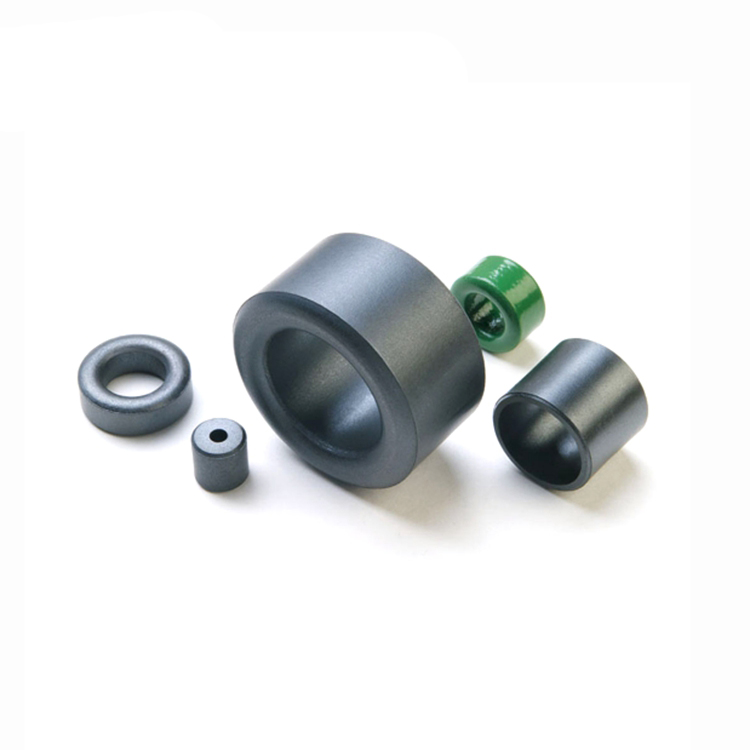
Rectangular or Block Ferrite Magnets belong to the family of permanent magnets known as Ferrite magnets. These magnets are primarily composed of iron oxide and strontium or barium carbonate, sintered together under high temperatures to form a solid, rigid structure.
- Physical Characteristics
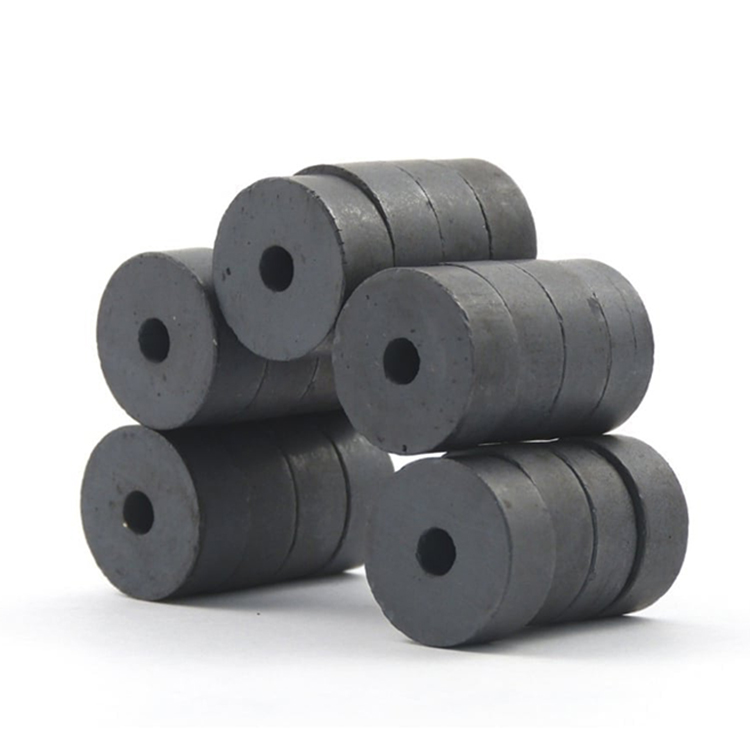
Rectangular or Block Ferrite Magnets are recognized by their distinct physical characteristics. They typically feature a geometrically shaped form, often rectangular or block-like in appearance, which allows for easy incorporation into various designs and applications. The surface of these magnets showcases a charcoal gray or black coloration.
- Magnetic Properties
Ferrite magnets, including Rectangular or Block Ferrite Magnets, possess moderate magnetic strength. Their magnetic properties stem from the alignment of microscopic magnetic domains within the crystalline structure during the manufacturing process. This alignment contributes to their ability to attract and hold ferrous materials.
- Moderate Strength and Coercivity
Rectangular or Block Ferrite Magnets exhibit a moderate level of magnetic strength, making them suitable for applications where strong magnetic force isn’t a primary requirement. While their magnetic force is lesser compared to some other magnet types like Neodymium magnets, Ferrite magnets offer sufficient strength for numerous everyday uses.
- Temperature Stability
One notable advantage of Ferrite magnets is their excellent stability across a wide temperature range. They can operate effectively in temperatures ranging from sub-zero to elevated temperatures without significant loss of magnetic properties. However, extreme temperatures can lead to minor variations in their magnetic strength.
- Applications Across Various Industries
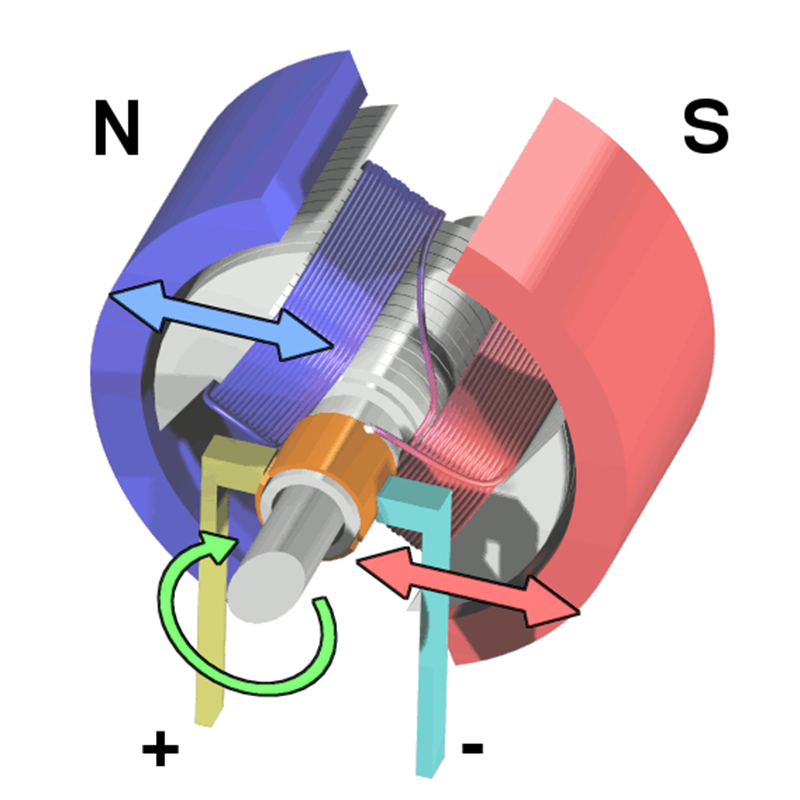
Rectangular or Block Ferrite Magnets find widespread use across different industries due to their versatile properties. They are commonly employed in electric motors, loudspeakers, refrigerator magnets, magnetic assemblies, and various consumer electronics. Their ability to retain magnetism over time, combined with their cost-effectiveness, makes them a preferred choice in many applications.
- Structural Integrity and Durability
These magnets are known for their structural integrity and durability. Their robust construction enables them to withstand mechanical stress and handling without undergoing significant deterioration, contributing to their long service life in diverse operating environments.
Advantages of Rectangular or Block Ferrite Magnets
Rectangular or Block Ferrite Magnets offer a range of distinct advantages, making them a preferred choice in various applications across different industries:
- Cost-effectiveness
One of the primary advantages of Rectangular or Block Ferrite Magnets lies in their cost-effectiveness. Compared to other types of magnets like Neodymium or Samarium Cobalt, Ferrite magnets are relatively inexpensive to produce. This affordability makes them an attractive option for applications where moderate magnetic strength suffices without requiring the highest magnetic properties that often come at a premium cost.
- Durability and Resistance
Rectangular or Block Ferrite Magnets exhibit exceptional durability and resistance to demagnetization. Their robustness allows them to maintain their magnetic strength even in challenging operating conditions, ensuring a longer lifespan. This feature makes them well-suited for applications where consistent and reliable magnetic force is essential over extended periods.
- Widespread Availability and Versatility
Ferrite magnets, including Rectangular or Block Ferrite Magnets, are widely available and versatile in their applications. They are commonly used in various industries, ranging from automotive to consumer electronics and manufacturing. Their versatility stems from their ability to perform reliably across a diverse array of applications, offering magnetic solutions at an affordable price point.
- Moderate Magnetic Strength
While not as strong as some other magnet types like Neodymium or Samarium Cobalt, Rectangular or Block Ferrite Magnets provide sufficient magnetic strength for numerous everyday applications. They are particularly suitable for applications where high magnetic force isn’t a primary requirement, offering a balanced compromise between cost and performance.
- Temperature Stability
Another notable advantage of Ferrite magnets is their excellent stability across a broad temperature range. They can operate effectively in temperatures ranging from below freezing to high temperatures without significant loss of magnetic properties. This stability ensures consistent performance across various environmental conditions.
- Reliability in Everyday Applications
Rectangular or Block Ferrite Magnets are widely used in numerous consumer applications, such as refrigerator magnets, magnetic toys, educational tools, and speakers. Their availability and cost-effectiveness make them a popular choice for everyday uses where moderate magnetic force is sufficient.
Comparison with Other Magnet Types
- Contrast with Neodymium Magnets: In contrast to Neodymium magnets, Ferrite magnets have moderate strength but are more cost-effective. Neodymium magnets offer superior strength but at a higher cost, limiting their use in certain applications.
- Comparison with Alnico Magnets: Alnico magnets possess excellent temperature stability and magnetic properties but are more susceptible to demagnetization. Ferrite magnets, however, offer better resistance to demagnetization at a lower cost.
- Differences from Samarium Cobalt Magnets: Samarium Cobalt magnets exhibit high magnetic strength and temperature resistance but come at a higher cost compared to Ferrite magnets. Ferrite magnets, though less powerful, offer cost-effective solutions for numerous applications.
Applications and Uses of Rectangular or Block Ferrite Magnets
- Industrial Applications: These magnets are extensively used in various industrial applications, including electric motors, generators, magnetic couplings, and magnetic separators due to their durability and moderate magnetic strength.
- Consumer Applications: In everyday life, Rectangular or Block Ferrite Magnets are commonly found in refrigerator magnets, magnetic toys, educational tools, and speakers due to their availability and cost-effectiveness.
- Considerations for Specific Applications: Understanding their characteristics helps in optimizing their use for specific applications where moderate strength and durability are crucial factors.
Environmental Considerations and Limitations
- Temperature Limitations: Ferrite magnets perform reliably across a wide temperature range but exhibit reduced strength at extremely high temperatures. Careful consideration of operating conditions is necessary to ensure optimal performance.
- Corrosion Resistance: While Ferrite magnets are less susceptible to corrosion compared to some other magnet types, exposure to harsh environments may affect their performance over time.
- Long-Term Applications and Storage: Proper storage and maintenance are essential for maximizing the longevity and effectiveness of Rectangular or Block Ferrite Magnets in long-term applications.
Conclusion
In conclusion, Rectangular or Block Ferrite Magnets offer a unique set of advantages, including cost-effectiveness, durability, and versatile applications, making them indispensable in various industries and everyday uses. Understanding their distinct properties and comparison with other magnet types facilitates their optimal use across diverse applications while considering environmental factors and limitations.