


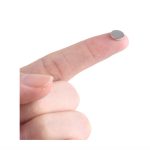
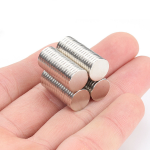
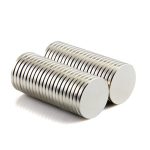
フェライト磁石に関する4つの事実
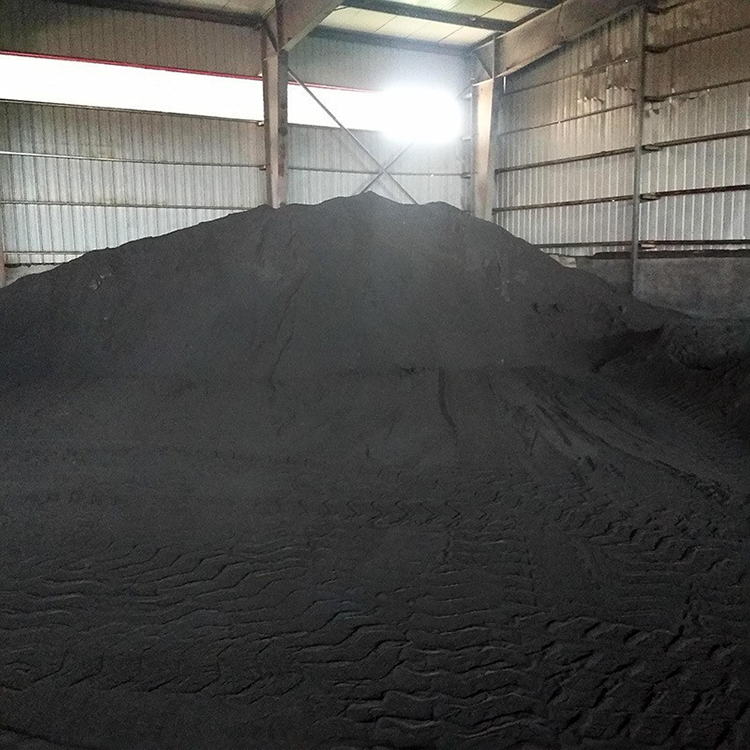
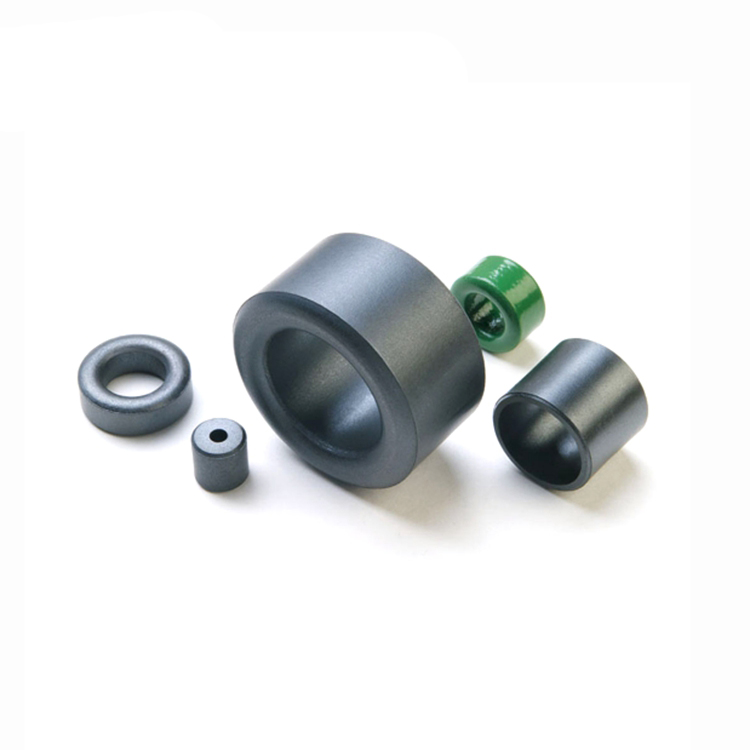
Cost-Effective & Widely Used – Ferrite magnets are inexpensive to produce compared to other types like neodymium magnets, making them popular in everyday applications such as refrigerator magnets, speakers, and small motors. Resistant to Corrosion & High Temperatures – Unlike metal-based magnets, ferrite magnets do not rust and can withstand high temperatures (up to 250°C or 482°F), making them ideal for outdoor and high-heat applications. Brittle but Strong – Ferrite magnets are hard and brittle, meaning they can break or chip easily if dropped or struck, but they have strong magnetic properties that remain stable over time. Made from Iron Oxide & Ceramic Materials – Composed mainly of iron oxide […]
セラミック・マグネットはどのようにして作られるのか?
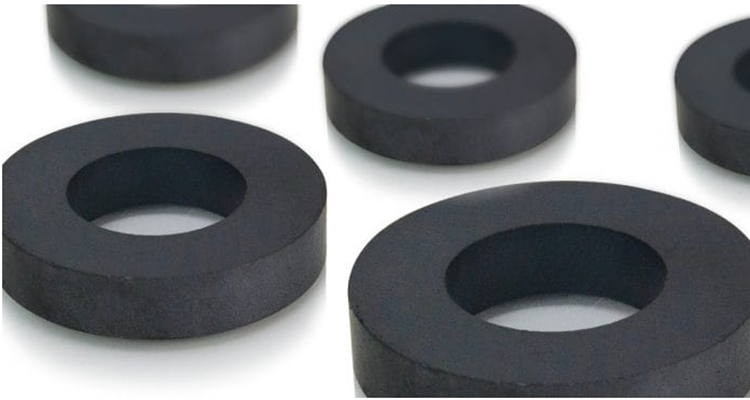
The process of making ferrite magnets, also known as ceramic magnets, is not as expensive or complicated as producing rare earth neodymium magnets. The compound of ferrite magnets is SrO-6 (Fe2O3), a combination of strontium carbonate and iron oxide. Due to their chemical composition, this means they are extremely resistant to demagnetization from heat and corrosion, although they are very hard and brittle like neodymium magnets. Ceramic magnets, also known as ferrite magnets, are made from a mixture of iron oxide (Fe₂O₃) and either barium carbonate (BaCO₃) or strontium carbonate (SrCO₃). The process of making ceramic magnets involves several key steps: Raw Material Preparation The primary ingredients, iron oxide and […]
永久磁石材料
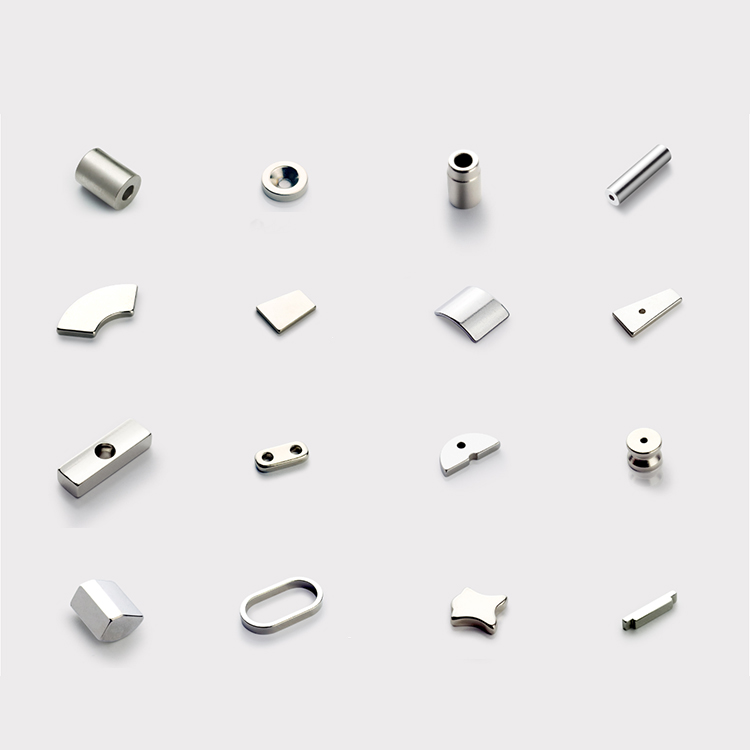
Permanent Magnetic Materials Permanent magnetic materials are substances that can retain their magnetization after being magnetized. They are widely used in electric motors, generators, magnetic storage devices, and various industrial applications. Types of Permanent Magnetic Materials Neodymium Iron Boron (NdFeB) Properties: Highest magnetic strength, brittle, susceptible to corrosion. Advantages: Strongest commercially available magnet, compact size, high energy density. Disadvantages: Poor temperature resistance, requires coating for protection. Applications: Electric motors, headphones, hard drives, medical devices. Samarium Cobalt (SmCo) Properties: High-temperature stability, corrosion-resistant, brittle. Advantages: Operates at temperatures up to 350°C, strong magnetic properties. Disadvantages: Expensive, lower magnetic strength than Neodymium. Applications: Aerospace, military, high-performance motors. Alnico (Aluminum-Nickel-Cobalt) Properties: High-temperature stability, moderate […]
磁石のケース1の吸引力とはどういう意味ですか?
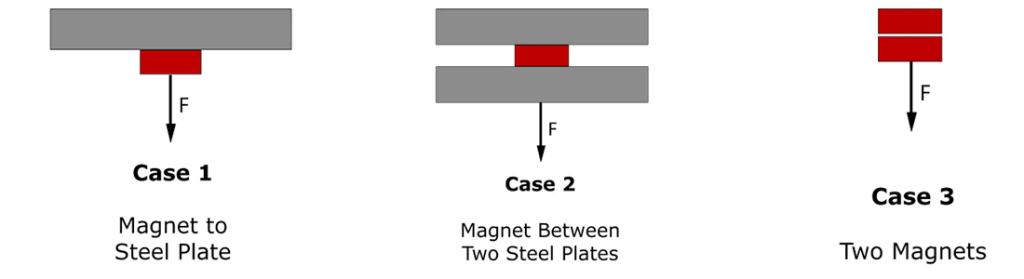
On our product pages, we list the Pull Force of a magnet as we’ve measured it using specific test conditions. A good, comparative measure of a magnet’s strength is Pull Force Case 1. This is the force you need to pull a single magnet directly away from a large, flat steel plate. Wait a second, you say, a pair of magnets seem stronger. How can we say this? Well, first and foremost, because we’ve measured it many times. It might seem like a pair of magnets is stronger for two reasons: one, if you’re sticking a magnet to a very thin or small piece of steel, you will see a […]
永久磁石の選び方
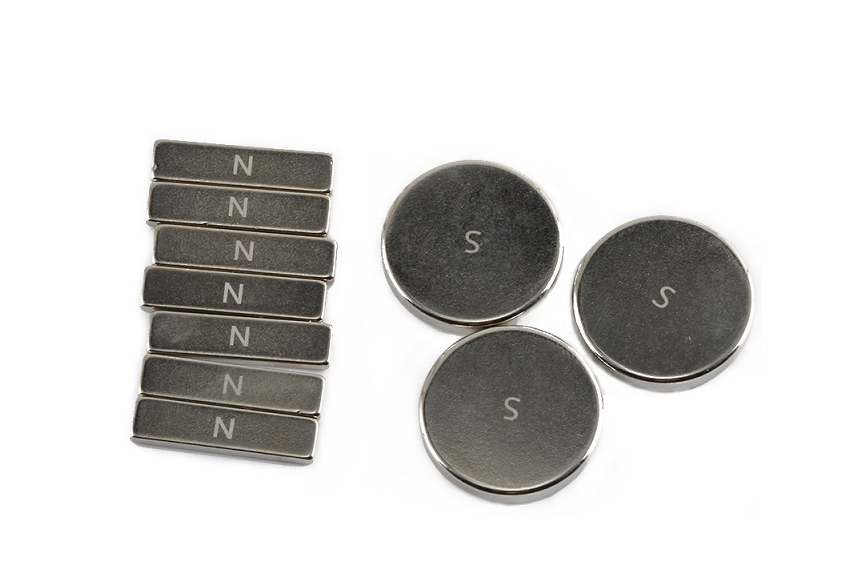
Choosing the right permanent magnet depends on several factors, including the application, environmental conditions, and required performance. Here’s a step-by-step guide to help you select the best magnet for your needs: Identify the Application What will the magnet be used for? (e.g., motors, sensors, holding applications, medical devices, etc.) Does it require high magnetic strength, temperature resistance, or corrosion resistance? Select the Magnet Type Different materials offer varying properties: Neodymium (NdFeB): Strongest magnetic force, but lower heat resistance and prone to corrosion unless coated. Samarium Cobalt (SmCo): High temperature resistance, corrosion-resistant, and stable, but more expensive. Alnico: Good temperature stability, lower strength, often used in sensors and instruments. Ferrite (Ceramic): […]
磁石とは何か?どのように機能するのか?
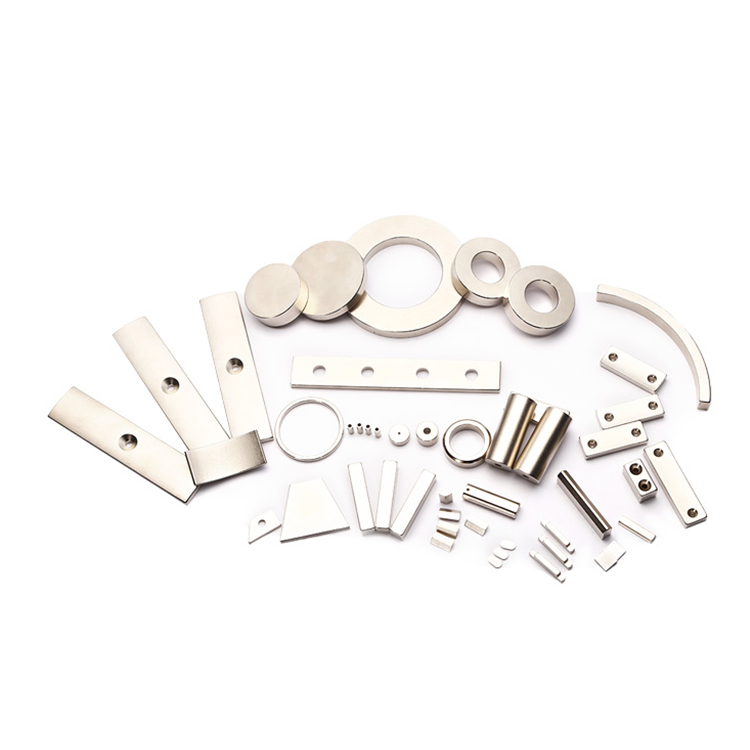
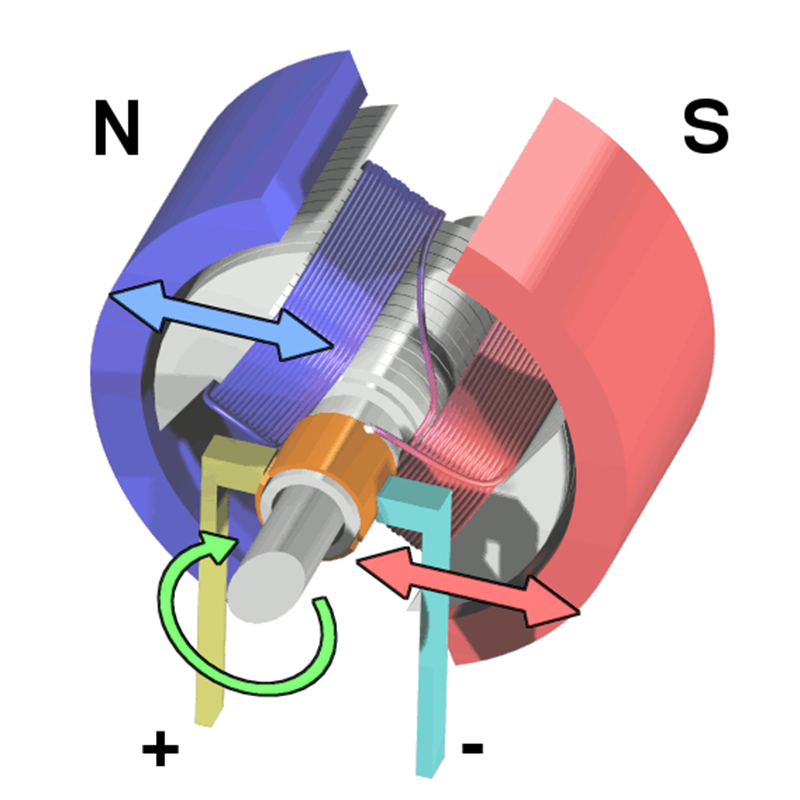
Magnet Basics Magnet basics are fundamental to understanding how magnets work in both everyday applications and advanced technologies. Here’s a quick recap and expansion on the key points: What is a Magnet? A magnet is an object that produces a magnetic field around itself. This magnetic field exerts a force on certain materials, causing them to either attract or repel the magnet, depending on the poles involved. Magnetic Poles Every magnet has two poles: North pole (N): The side of the magnet that points toward the Earth’s geographic North when freely suspended. South pole (S): The opposite side, which points toward the Earth’s geographic South when suspended. Opposites Attract, Like […]
ネオジム磁石とは?
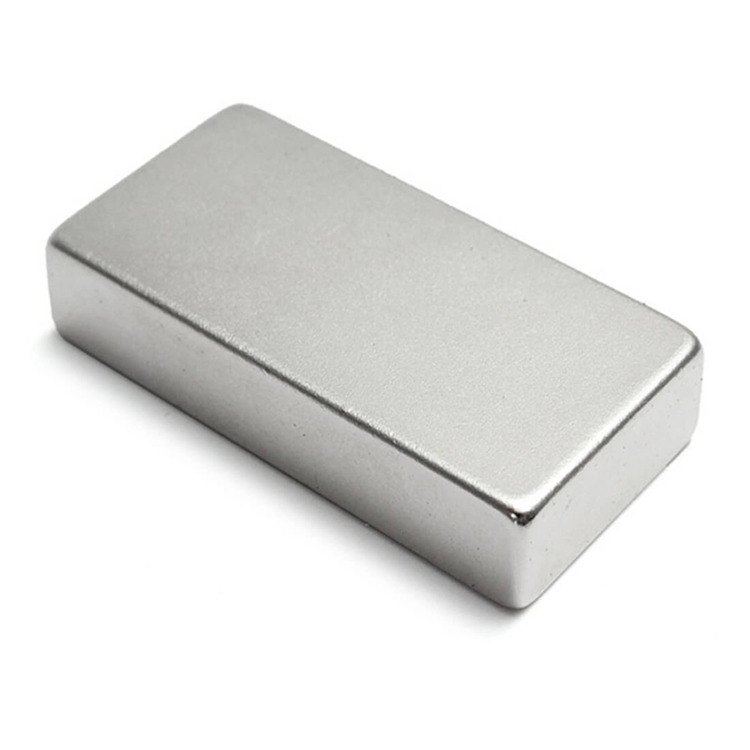
Neodymium magnets are permanent magnets made from an alloy of neodymium, iron and boron forming a Nd2Fe14B tetragonal crystal structure. Neodymium iron boron is a rare earth magnet widely recognized for its exceptional strength. It is the strongest permanent magnet currently available on the market. Composition: A magnet is typically composed of materials that exhibit strong magnetic properties. The composition depends on the type of magnet: Permanent Magnets – These retain their magnetism for a long time and are made from: Ferrite (Ceramic Magnets): Composed of iron oxide (Fe₂O₃) mixed with barium or strontium carbonate. Alnico Magnets: Made from aluminum (Al), nickel (Ni), cobalt (Co), and iron (Fe), sometimes with […]
アークフェライトマグネット小型で大出力
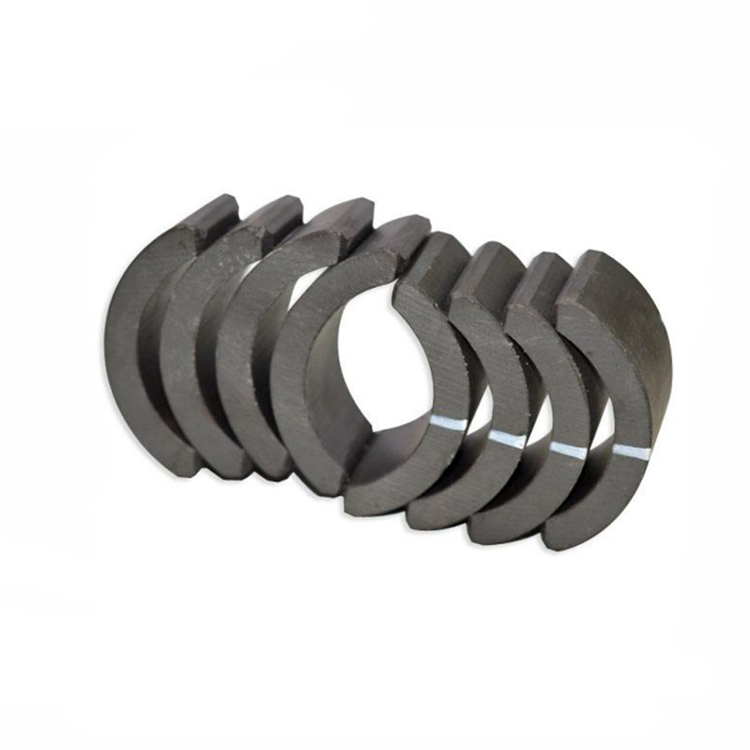
Arc Ferrite Magnets, or arc ferrite magnets, are mainly formed by a specific process of iron oxide (Fe₂O₃) and metal powders such as barium carbonate (BaCo₃) or strontium carbonate (SrCo₃) from the perspective of material composition. Ferrite itself is a metal oxide with ferromagnetism, which gives Arc Ferrite Magnets unique magnetic properties. Looking at its structure, as its name suggests, it has a unique arc structure, which is different from the common square and round magnets in appearance. This arc design is not for beauty. It makes the magnetic field distribution of the magnet different from the conventional shape and can meet the requirements of magnetic field direction and intensity […]
ヒステリシスループによる残留磁化、保磁力、固有保磁力、最大磁気エネルギー積の詳細説明
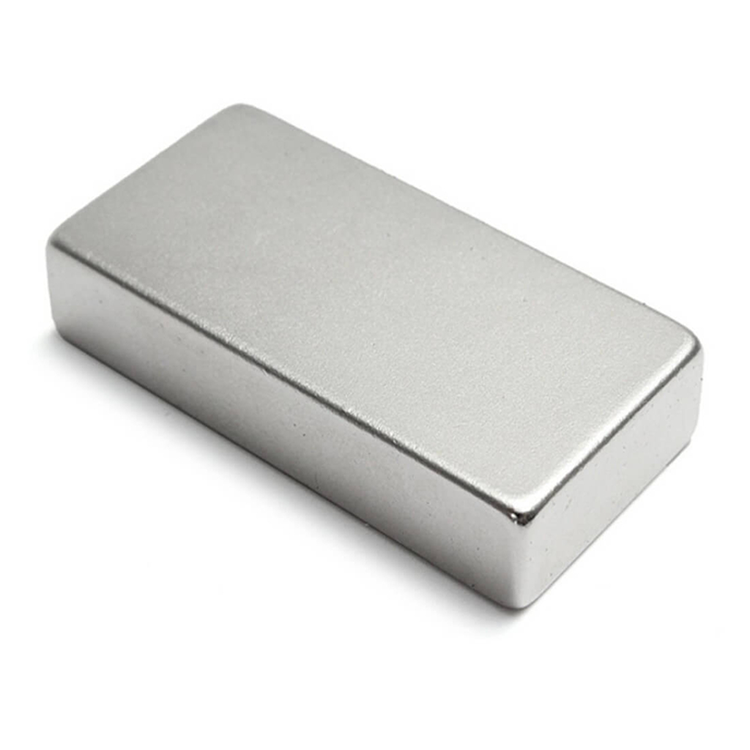
NdFeb永久磁石 NdFeBのような永久磁石では、主に磁性を発生・保持する能力を用いますが、これは磁性材料の最も基本的な機能要件です。では、磁石の磁気を発生・保持する能力はどのように測定するのでしょうか。私たちは通常、残留磁束Br、保磁力Hcb、固有保磁力Hcj、最大磁気エネルギー積BH(max)の4つの指標を用います。上記の指標を真に理解するには、まず減磁曲線を理解する必要があります。永久磁石材料はまず磁化される必要があるため、磁化された永久磁石は使用中に磁性に不利な様々な要因に耐える必要があります。減磁曲線は、[...]の全体的な性能を効果的に反映することができます。