


Quatre faits sur les aimants en ferrite
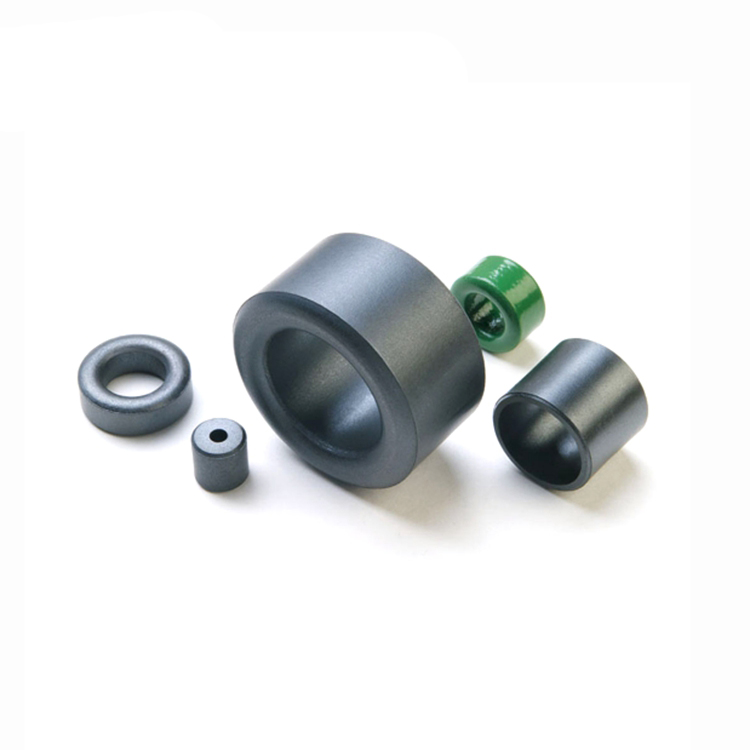
Cost-Effective & Widely Used – Ferrite magnets are inexpensive to produce compared to other types like neodymium magnets, making them popular in everyday applications such as refrigerator magnets, speakers, and small motors. Resistant to Corrosion & High Temperatures – Unlike metal-based magnets, ferrite magnets do not rust and can withstand high temperatures (up to 250°C […]
Comment sont fabriqués les aimants céramiques ?
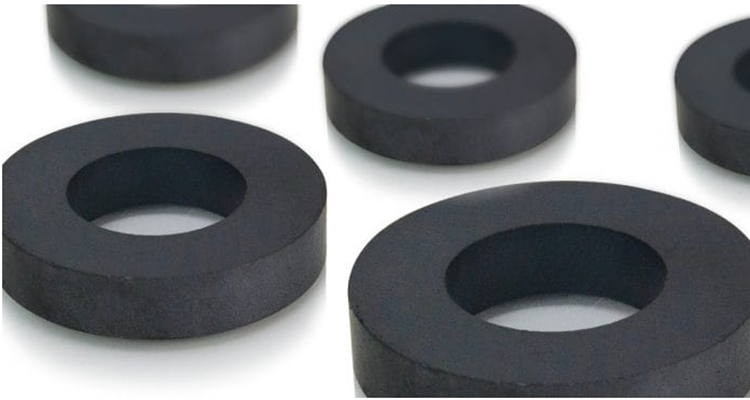
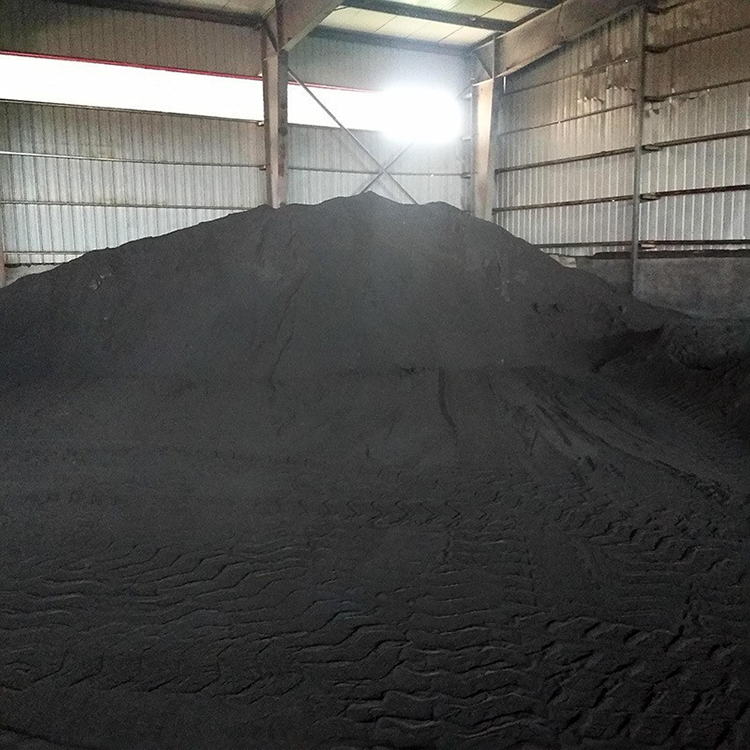
The process of making ferrite magnets, also known as ceramic magnets, is not as expensive or complicated as producing rare earth neodymium magnets. The compound of ferrite magnets is SrO-6 (Fe2O3), a combination of strontium carbonate and iron oxide. Due to their chemical composition, this means they are extremely resistant to demagnetization from heat and […]
Matériau magnétique permanent

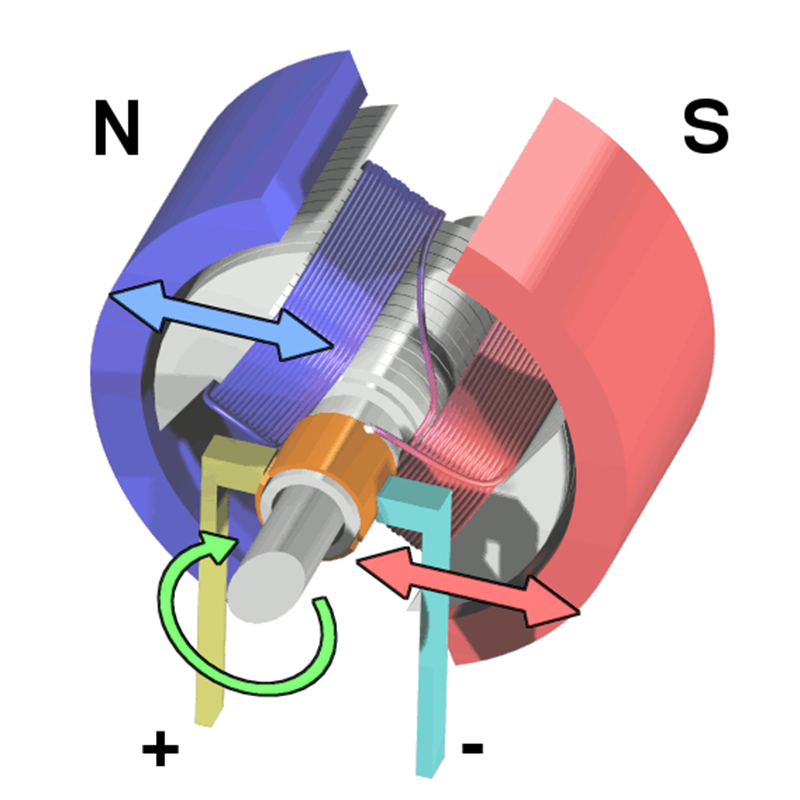
Permanent Magnetic Materials Permanent magnetic materials are substances that can retain their magnetization after being magnetized. They are widely used in electric motors, generators, magnetic storage devices, and various industrial applications. Types of Permanent Magnetic Materials Neodymium Iron Boron (NdFeB) Properties: Highest magnetic strength, brittle, susceptible to corrosion. Advantages: Strongest commercially available magnet, compact size, […]
Que signifie Force de traction Cas 1 de l'aimant ?
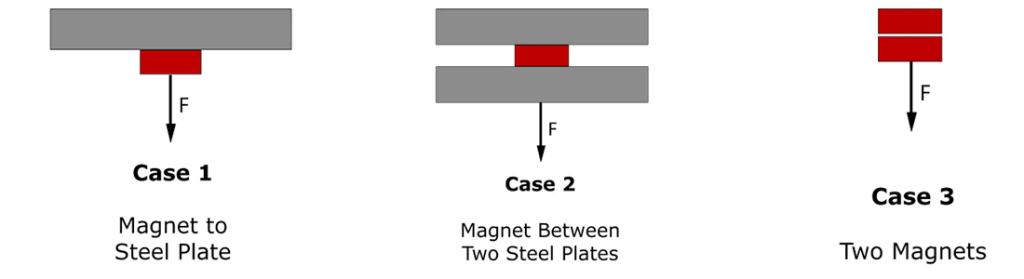
On our product pages, we list the Pull Force of a magnet as we’ve measured it using specific test conditions. A good, comparative measure of a magnet’s strength is Pull Force Case 1. This is the force you need to pull a single magnet directly away from a large, flat steel plate. Wait a second, […]
Comment choisir un aimant permanent ?
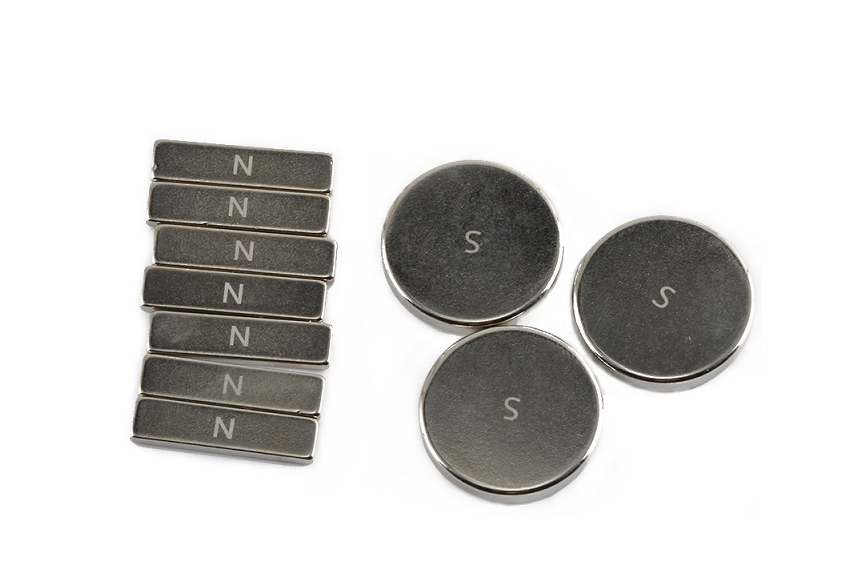
Choosing the right permanent magnet depends on several factors, including the application, environmental conditions, and required performance. Here’s a step-by-step guide to help you select the best magnet for your needs: Identify the Application What will the magnet be used for? (e.g., motors, sensors, holding applications, medical devices, etc.) Does it require high magnetic strength, […]
Qu'est-ce qu'un aimant ? Comment fonctionnent-ils ?
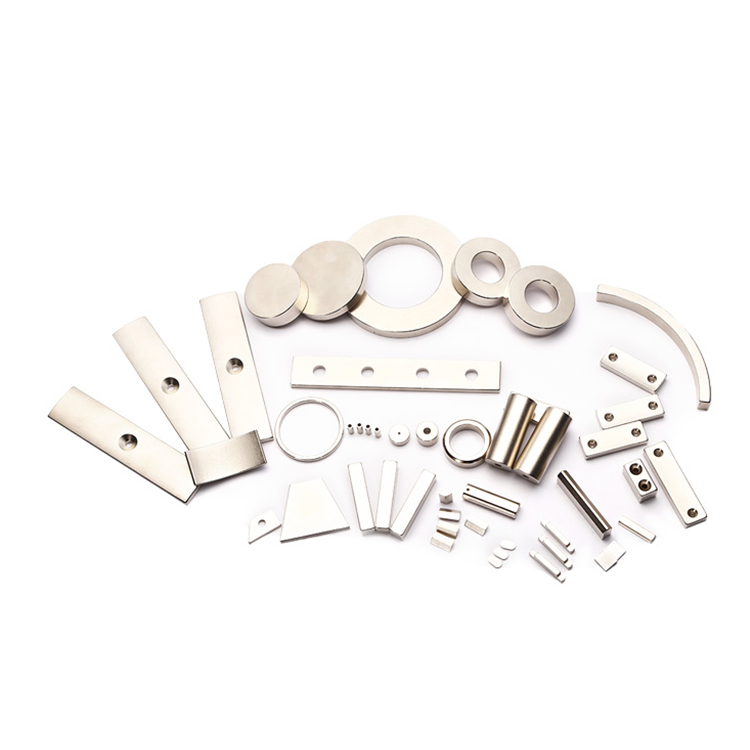
Magnet Basics Magnet basics are fundamental to understanding how magnets work in both everyday applications and advanced technologies. Here’s a quick recap and expansion on the key points: What is a Magnet? A magnet is an object that produces a magnetic field around itself. This magnetic field exerts a force on certain materials, causing them […]
Qu'est-ce que l'aimant néodyme ?
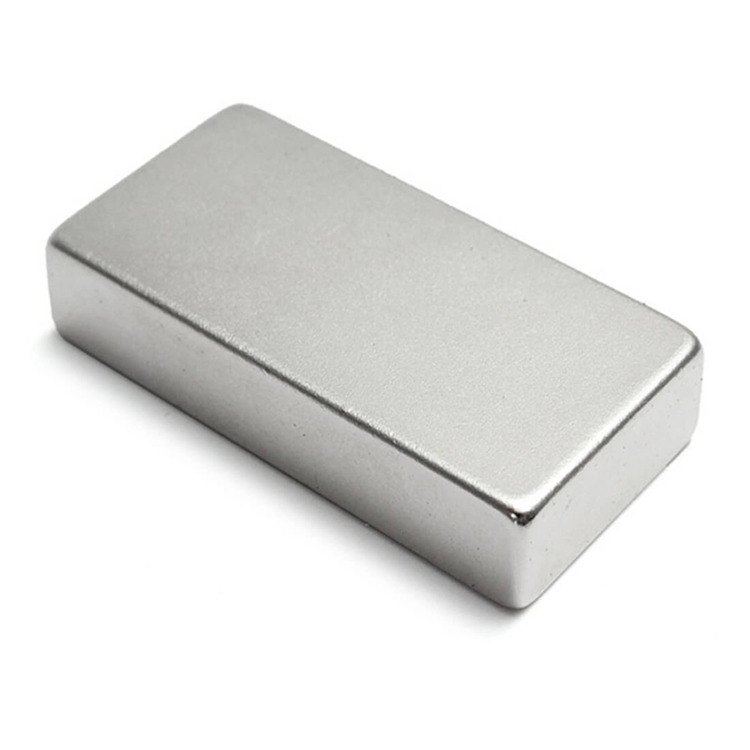
Neodymium magnets are permanent magnets made from an alloy of neodymium, iron and boron forming a Nd2Fe14B tetragonal crystal structure. Neodymium iron boron is a rare earth magnet widely recognized for its exceptional strength. It is the strongest permanent magnet currently available on the market. Composition: A magnet is typically composed of materials that exhibit […]
Arc Ferrite Magnets: Small in size, big in power
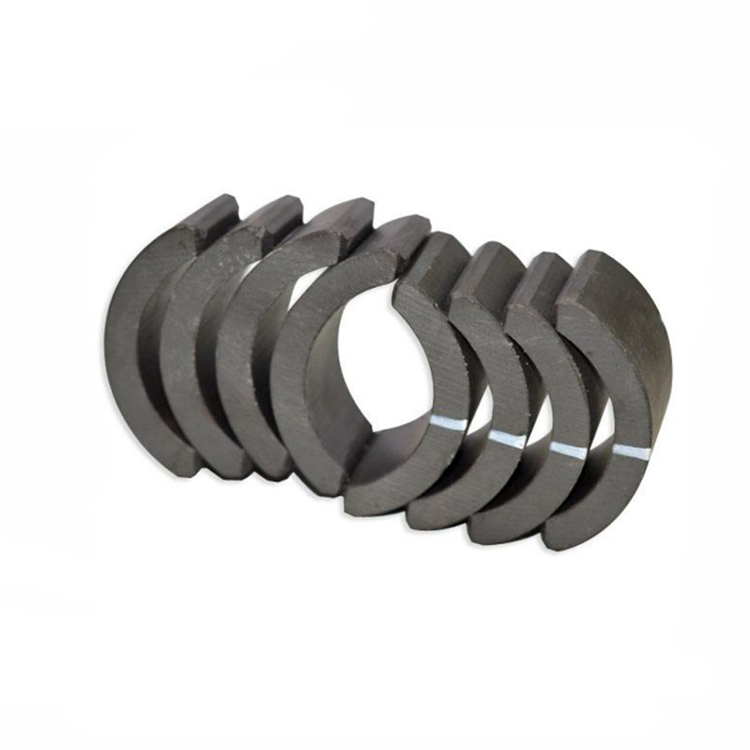
Arc Ferrite Magnets, or arc ferrite magnets, are mainly formed by a specific process of iron oxide (Fe₂O₃) and metal powders such as barium carbonate (BaCo₃) or strontium carbonate (SrCo₃) from the perspective of material composition. Ferrite itself is a metal oxide with ferromagnetism, which gives Arc Ferrite Magnets unique magnetic properties. Looking at its […]
Detailed explanation of remanence, coercivity, intrinsic coercivity and maximum magnetic energy product through hysteresis loop
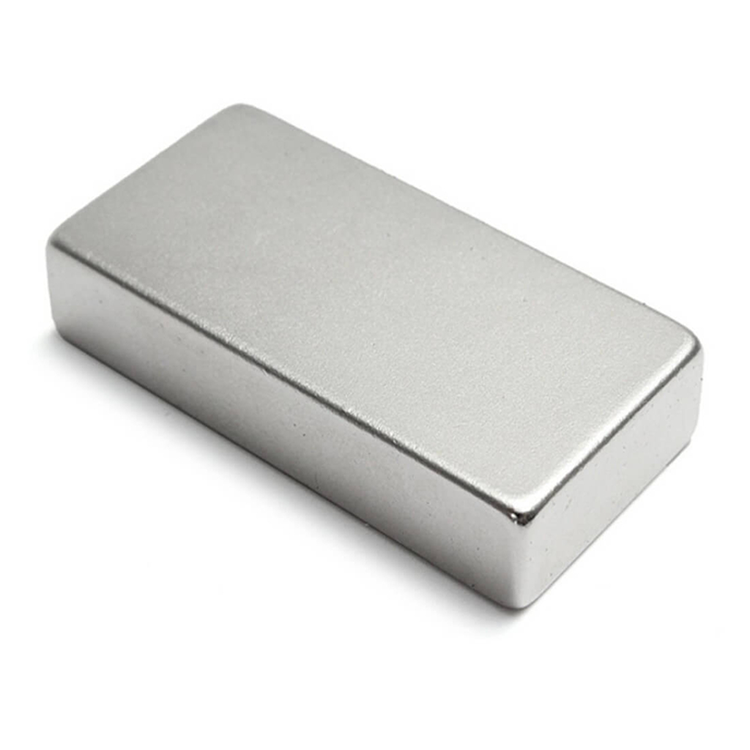
NdFeb Permanent Magnet For permanent magnetic materials such as NdFeB, we mainly use its ability to generate and preserve magnetism, which is the most basic functional requirement for magnetic materials. So how to measure the ability of magnets to generate and preserve magnetism? We usually use four indicators: remanence Br, coercivity Hcb, intrinsic coercivity Hcj […]