


フレキシブルマグネットシートの仕組み知っておくべきことすべて
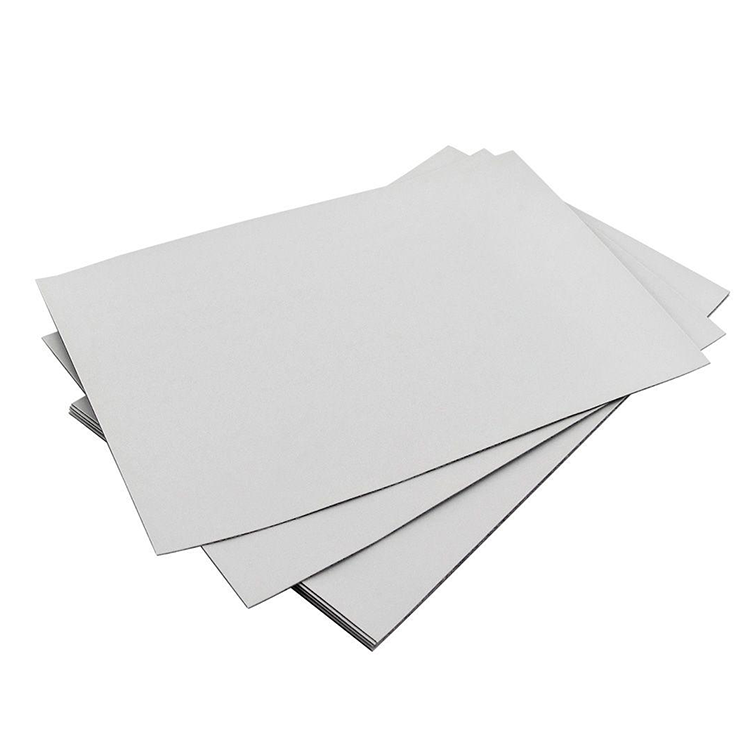
What Are Flexible Magnets? Flexible magnets are bendable, lightweight magnetic materials made by combining ferrite (iron oxide) powder with a flexible binder like rubber or plastic. These magnets can be easily cut, rolled, or shaped without breaking, making them ideal for a wide range of applications. Characteristics of Flexible Magnets ? Bendable & Lightweight – Unlike rigid magnets, flexible magnets can conform to curved surfaces and are easy to handle. ? Weaker Magnetism – They are not as strong as neodymium or ceramic magnets because they use ferrite powder instead of solid metal. ? Multiple Magnetization Options – Can be magnetized in a striped pattern (multipole) for better adhesion. ? […]
SmCo磁石とは何ですか?
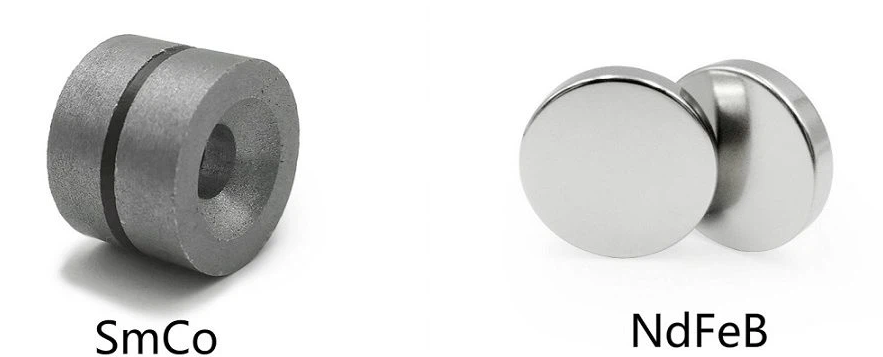
Production of SmCo Magnets Production of Samarium Cobalt (SmCo) Magnets Samarium Cobalt (SmCo) magnets are rare-earth permanent magnets known for their high temperature resistance, strong magnetic properties, and corrosion resistance. They are produced using either the sintering or bonded magnet process, with sintering being the most common. Raw Material Preparation The main elements are Samarium (Sm) and Cobalt (Co), often with small amounts of iron (Fe), copper (Cu), and zirconium (Zr) to enhance performance. The materials are weighed and mixed according to the desired SmCo magnet grade (SmCo₅ or Sm₂Co₁₇). Melting & Alloy Formation The mixture is melted in a vacuum induction furnace (VIM) at 1300–1600°C (2372–2912°F) to form a […]
強力磁石とは?
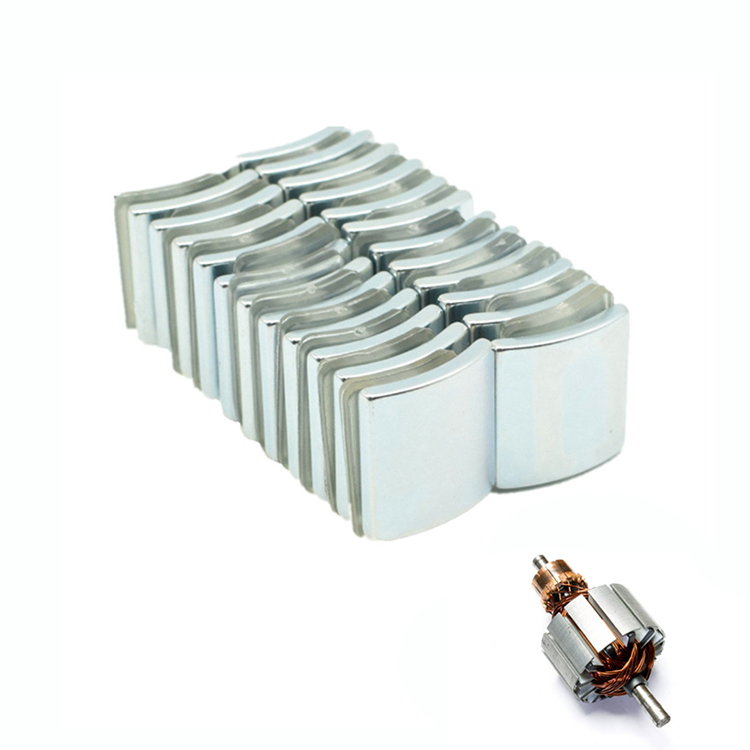
A strong magnet is a type of magnet that generates a powerful magnetic field, capable of attracting or repelling objects with significant force. The strength of a magnet is determined by its magnetic field intensity (measured in Tesla or Gauss) and its pull force (the amount of weight it can hold or lift). Among all magnets, neodymium magnets (NdFeB) are considered the strongest permanent magnets available today. Types of Strong Magnets Neodymium Magnets (NdFeB) ? Strongest Permanent Magnets Composed of neodymium, iron, and boron. Can be 10x stronger than traditional ferrite (ceramic) magnets. Used in motors, generators, medical devices (MRI), and electronics. Samarium Cobalt Magnets (SmCo) ? Strong & Heat-Resistant […]
鋳造アルニコ磁石はどのように作られるのですか?
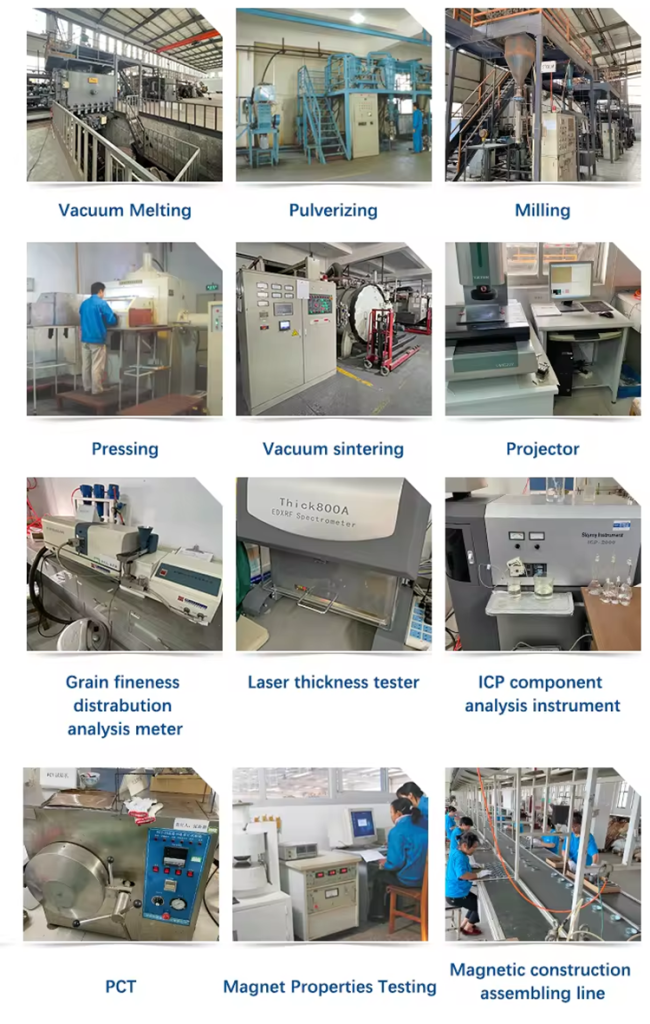
Cast Alnico magnets are produced through a casting process that involves melting and solidifying an alloy of aluminum (Al), nickel (Ni), cobalt (Co), iron (Fe), and other elements like copper and titanium. The process ensures high magnetic performance and durability. Manufacturing Process of Cast Alnico Magnets: Raw Material Preparation The required elements (Al, Ni, Co, Fe, Cu, Ti) are precisely measured and mixed. The composition varies depending on the grade and application of the Alnico magnet. Melting & Casting The metal alloy is melted at high temperatures (around 1750°C / 3182°F) in an induction furnace. The molten metal is then poured into sand molds shaped according to the desired magnet […]
ネオジム磁石とは?
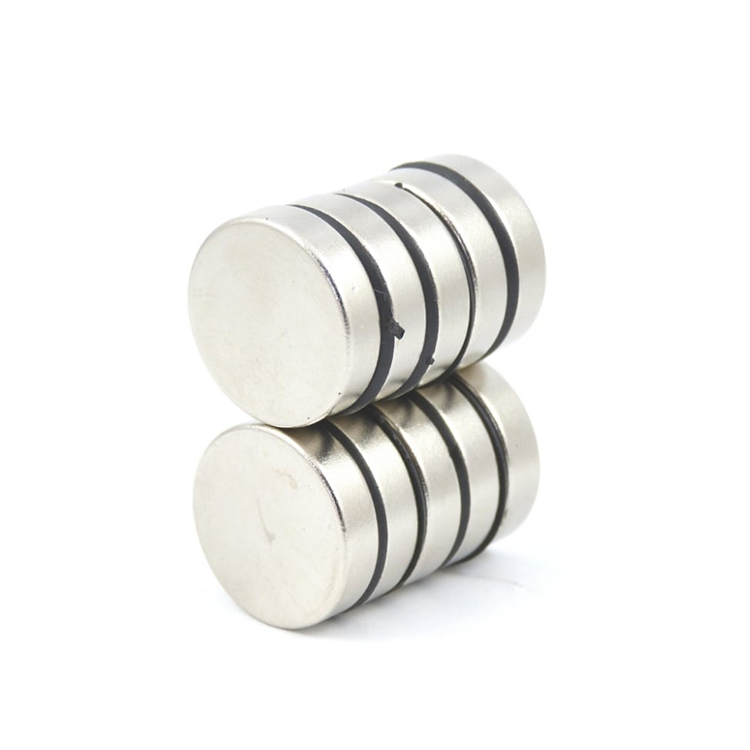
About Neodymium Magnets and Their Applications What Are Neodymium Magnets? Neodymium magnets (NdFeB magnets) are the strongest type of permanent magnets available. They are made from an alloy of neodymium (Nd), iron (Fe), and boron (B). These rare-earth magnets are known for their high magnetic strength, small size, and lightweight properties, making them essential in modern technology and industry. Key Properties of Neodymium Magnets High Magnetic Strength Neodymium magnets have the strongest magnetic field among all permanent magnets. They provide a strong pull force even in small sizes, making them more efficient than traditional ceramic or ferrite magnets. Compact & Lightweight Because of their high strength-to-size ratio, neodymium magnets allow […]
フレキシブル・マグネットとは?
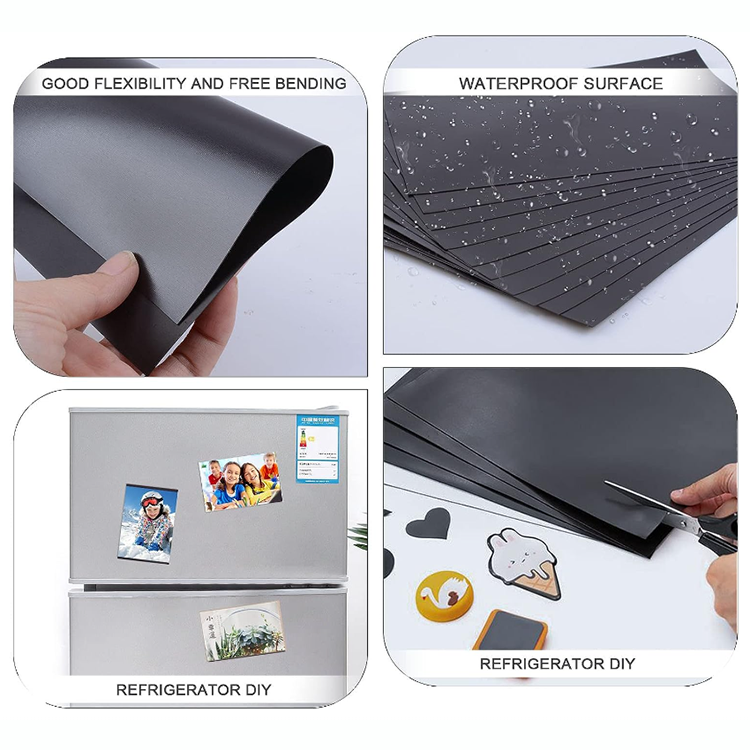
Flexible magnets are a type of magnet made by embedding magnetic powder (usually ferrite or neodymium) into a flexible material, such as rubber, plastic, or vinyl. These magnets can be easily cut, bent, rolled, or shaped to fit various applications. Key Features of Flexible Magnets: ✔ Bendable & Lightweight – Unlike rigid magnets, they can conform to different surfaces. ✔ Easy to Cut & Customize – Can be trimmed into custom shapes using scissors or cutters. ✔ Corrosion & Weather Resistant – Ideal for both indoor and outdoor applications. ✔ Lower Magnetic Strength – Generally weaker than solid neodymium or ceramic magnets. Types of Flexible Magnets: Flexible Magnetic Sheets – […]
ゴムコーティング磁石を選ぶ理由
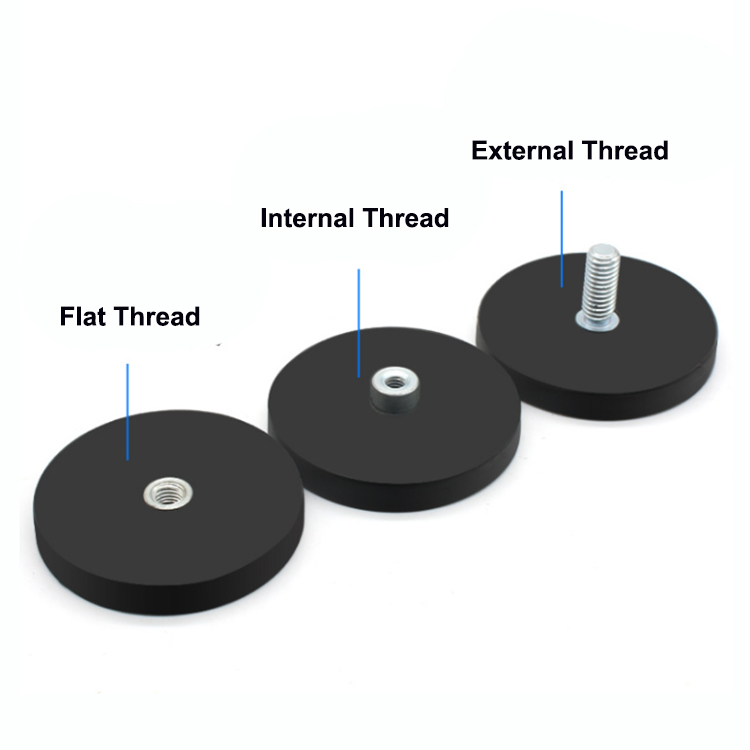
Why do Magnets Need Coating? Magnets need coating primarily for protection and performance enhancement. Here are the key reasons: Corrosion Resistance – Many magnets, especially neodymium (NdFeB), are highly susceptible to oxidation and rust, which can degrade their strength over time. A coating prevents exposure to moisture and air. Mechanical Durability – Magnets are often brittle and can chip or break upon impact. A protective layer helps reinforce their structure and extend their lifespan. Electrical Insulation – Some coatings provide insulation, preventing electrical conductivity in applications where it could cause issues. Chemical Protection – Exposure to harsh chemicals or extreme environmental conditions can weaken magnets. Coatings act as a barrier. […]
ネオジム磁石とセラミック磁石の比較
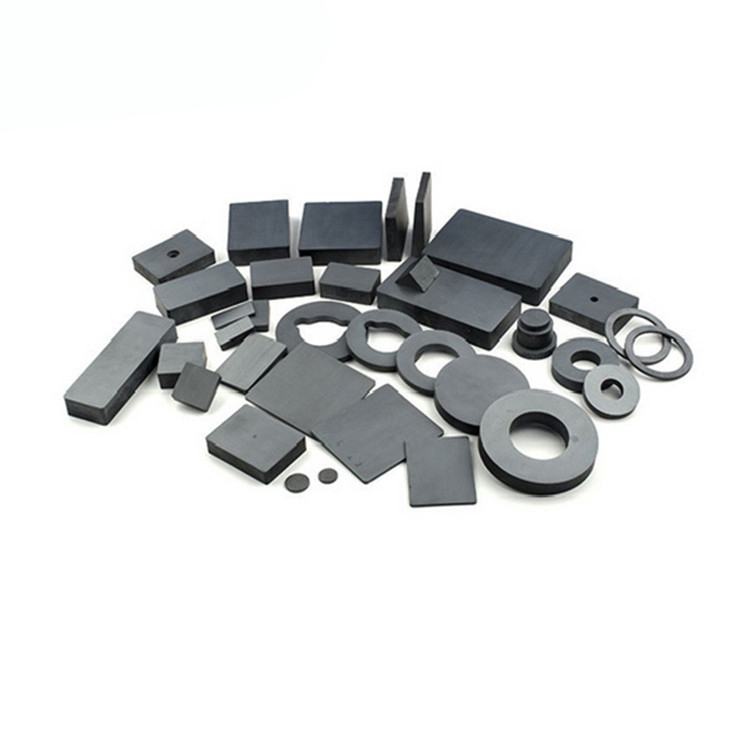
Neodymium and ceramic (ferrite) magnets are two of the most commonly used types of permanent magnets, but they have distinct differences in terms of strength, durability, cost, and applications. Here’s a breakdown of their key differences: Strength & Magnetic Performance Neodymium Magnets (NdFeB): Extremely powerful, offering the highest magnetic strength per unit volume. They can hold much more weight compared to ceramic magnets of the same size. Ceramic Magnets (Ferrite): Considerably weaker than neodymium magnets. However, they still provide a good magnetic field for many applications at a lower cost. Material Composition Neodymium Magnets: Composed of neodymium, iron, and boron (NdFeB). They require a protective coating (nickel, epoxy, etc.) to […]
さまざまな磁性材料とは
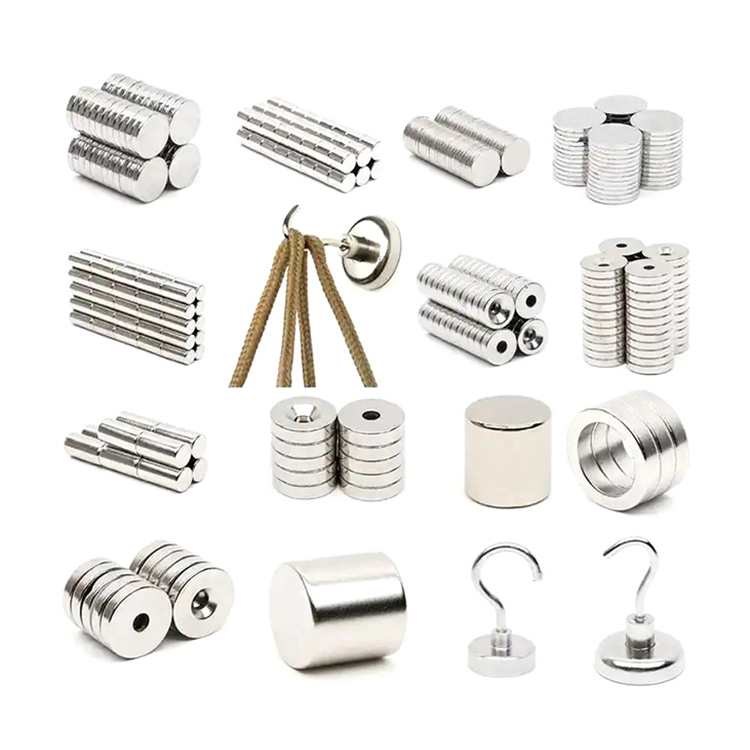
Types of Magnetic Materials Magnetic materials are classified based on their response to an external magnetic field. They can be broadly categorized into the following types: Ferromagnetic Materials These materials exhibit strong magnetism and can retain their magnetic properties even after the external magnetic field is removed. Examples: Iron (Fe) Cobalt (Co) Nickel (Ni) Certain Alloys (e.g., Fe-Ni, Fe-Co, NdFeB, SmCo) Properties: Strong attraction to magnets. Can be permanently magnetized. Used in permanent magnets, electromagnets, and magnetic storage. Ferrimagnetic Materials Ferrimagnetic materials behave similarly to ferromagnetic materials but have a different internal structure, leading to slightly weaker magnetism. Examples: Ferrites (Fe3O4, MnFe2O4, etc.) Magnetite (Fe3O4) Properties: Strong but weaker magnetism […]