Ferrite vs. Neodymium Magnets
The following are the primary distinctions between NdFeB and Ferrite magnets:
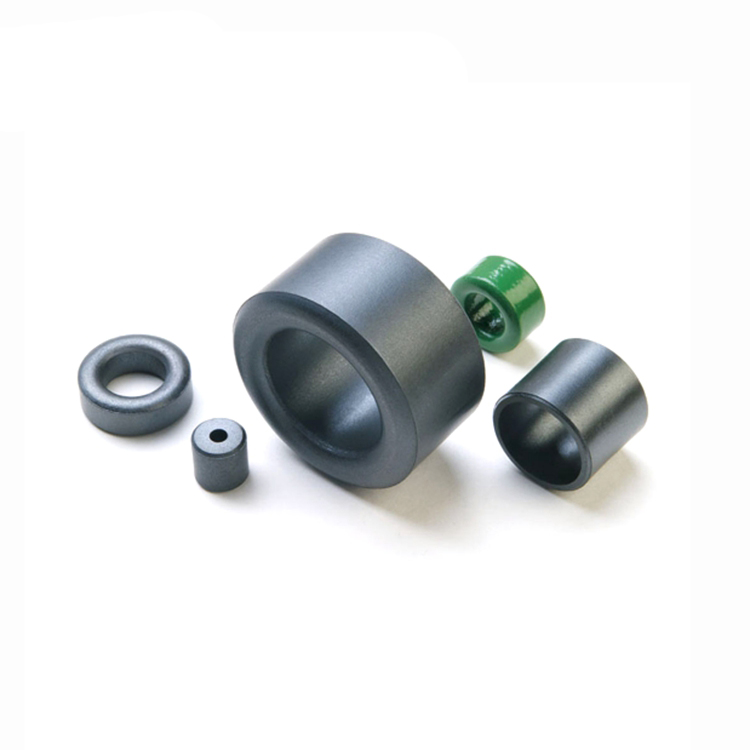
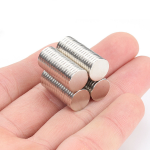
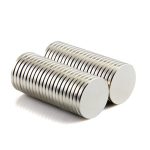
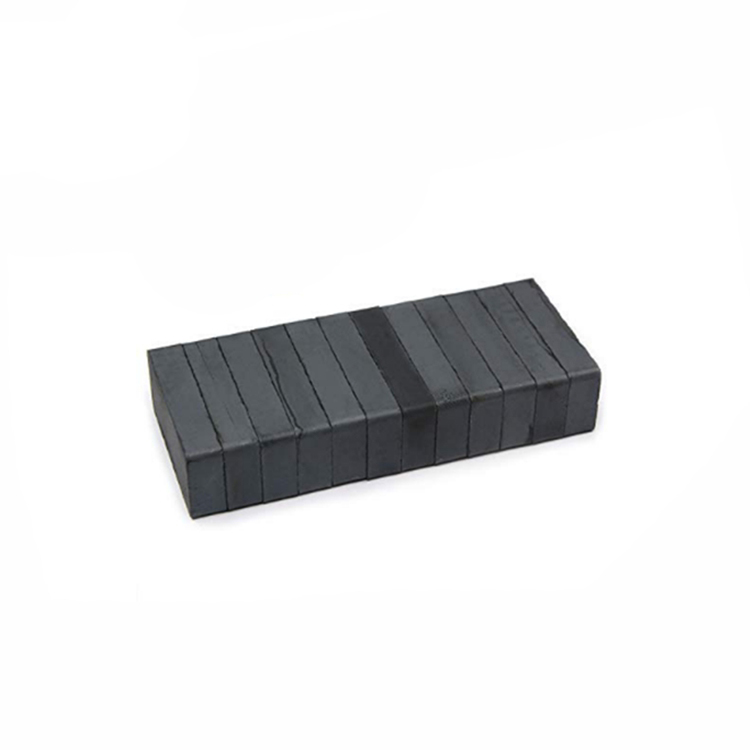
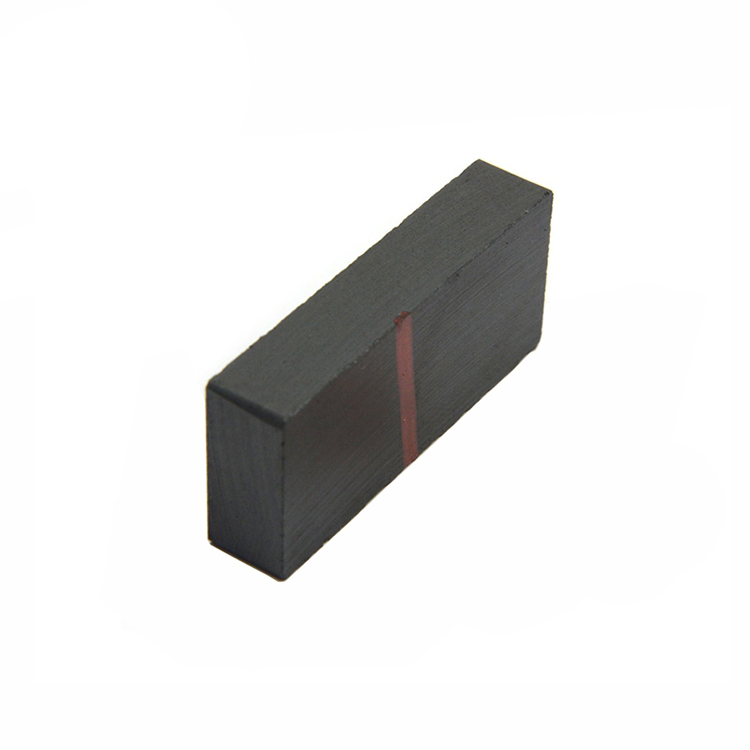
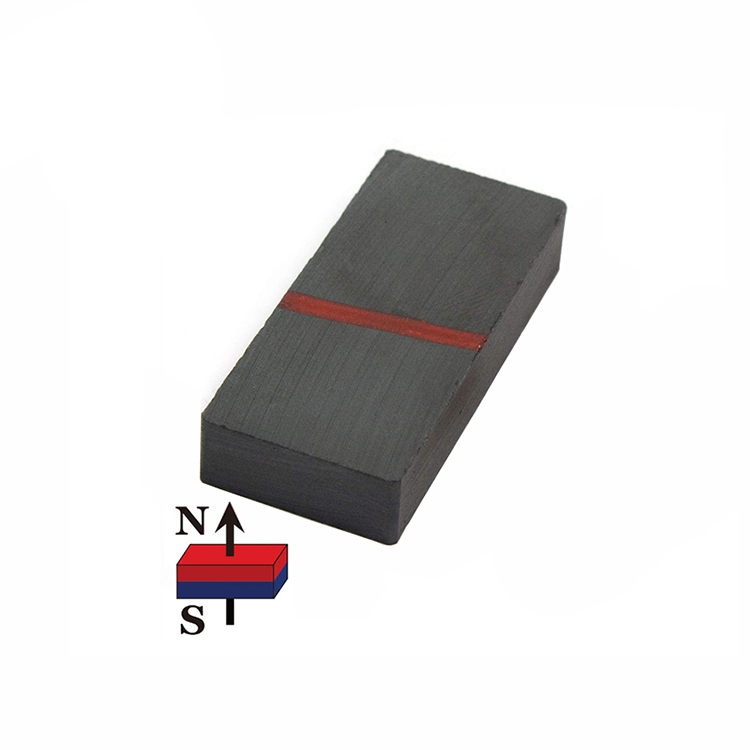
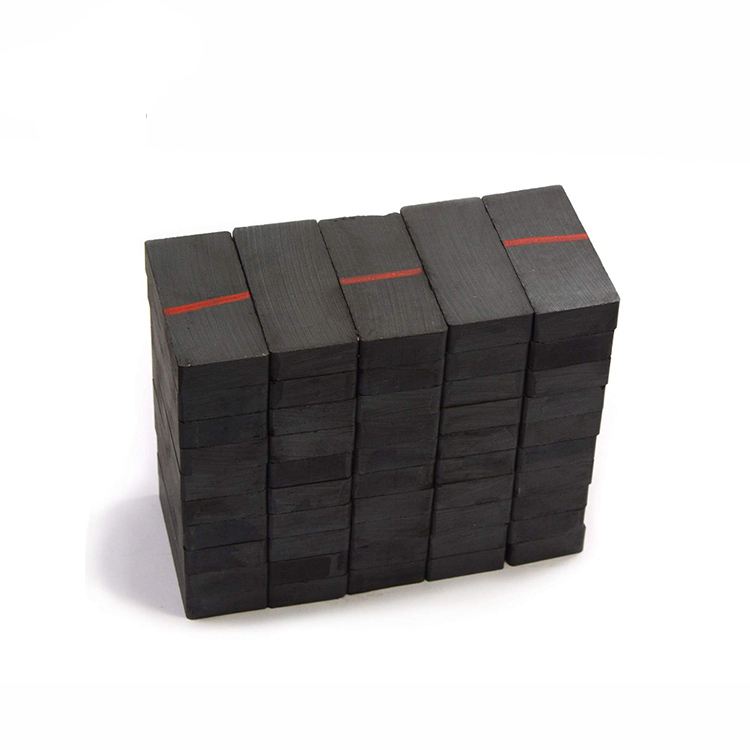
1. Ferrite magnets have a loose look, no metal sheen, and are typically delivered unplated. Ferrite magnets are typically oxides, highly stable, and difficult to rust. They are also often black in appearance. NdFeB magnets are alloys that are easily oxidized and are frequently coated to prevent rusting. NdFeB has a silvery-white surface that may also have metallic luster or other hues.
2. NdFeB and ferrite have quite different magnetic energies. NdFeB magnets have a magnetic energy output of up to 53MGOe, compared to 6MGOe for ferrite magnets.
3. Ferrite magnets are significantly less expensive than Nd-Fe-B magnets in terms of cost. While neodymium iron boron mostly consists of rare earth and iron, ferrite primarily consists of ferric oxide.
4. In contrast to neodymium magnets, which are susceptible to demagnetization in high temperatures, ferrite magnets have good temperature resistance and do not quickly lose their magnetic properties.
5. Multi-pole magnetization of ferrite magnets is simple; however, multi-pole magnetization of neodymium magnets is more challenging.
Remark: Ferrite magnets are appropriate for operating in low frequency environments due to their high permeability, low cost, and high temperature resistance. They are frequently employed in speech boxes and loudspeakers.
Neodymium magnets offer a wide range of uses due to their tiny size, low weight, and great magnetic strength. They also have exceptional mechanical properties. They are frequently utilized in electrical technology and modern industries because they are economical.
Barium and Strontium Magnetic Ferrite Powder and even a hard ferrite magnet are other names for the permanent ferrite magnet. Although they all relate to the exact same material kind, the names are interchangeable. Because they are electrically insulating, they are referred to as ceramic magnets. Strontium and barium ferrite magnets are the two types of permanent ferrite magnets that are available. The most popular type of magnet is strontium ferrite.
Barium-Strontium Ferrite Magnet are a deeper shade of grey and are sometimes described as looking like “pencil lead.”
Hard ferrite materials are the formal name for permanent magnets made of ferrite and ceramic (when exposed to a brief external magnetic field, the material retains magnetism due to having high coercivity, Hc). They differ from soft ferrite materials used in transformer cores in several ways (which do not retain magnetism after exposure to a brief magnetic field because soft ferrite materials have low coercivity). Ferrite magnets, like all other permanent magnets, are categorized as hard materials due to their strong coercive force.
Due of their qualities, ferrite magnets are quite well-liked. Ferrite magnets are corrosion-free, making them excellent for long-term performance. If maintained properly, they may outlast the lifecycles of the majority of goods. Up to +250 degrees C (and in certain situations up to +300 degrees C), ferrite magnets can be employed. Ferrite magnets are relatively inexpensive, especially when produced in large quantities. We have 27 different ferrite permanent magnet grades.
This page provides an overview of the creation of ferrite permanent magnets as well as their properties. You should be able to assess your needs for Ferrite magnets from this (or we can help you if you need more assistance). And after that, we can provide you a quote for your magnet specifications.
All sectors, including automotive, aerospace, military, advertising, design studios, electronics, and academic/R&D, are served by our global supply of ferrite and ceramic magnets. Please get in touch with us if you need custom Ferrite/Ceramic magnets or magnetic assemblies, Technical Support, or our Ferrite/Ceramic Magnet Technical Data Sheet. Please get in touch with us if you want a quote for a pre-existing magnet shape or a custom form. Given that our production site is in China, our pricing is quite aggressive.
Ceramic magnet made of ferrite
Ferrite magnets, commonly referred to as ceramic magnets, are corrosion resistant and may be utilized in water without experiencing any corrosion. Their high coercivity and relatively low cost make them excellent for use in motors and high temperature motors, despite the fact that they are not as strong as Rare Earth Neodymium Magnets (NdFeB).
Ferrite magnets work well in applications that don’t cost much.
Additionally electrically insulating, ferrite magnets prevent eddy currents from flowing inside of them.
Ferrite magnets work well in higher temperatures but are less suitable for use in extremely cold environments.
Ceramic, Feroba, and Hard Ferrite Magnets are other names for Ferrite Magnets. They are among the materials for permanent magnets that are most often used globally.
Ferrite magnets are an inexpensive magnet material that is ideal for larger manufacturing runs. Because of their superior electrical insulating capabilities, they are known as ceramics.
Ferrite magnet characteristics and features
Ferrite magnets are excellent in moist, marine, or damp conditions since they don’t corrode. Iron cannot oxidize (rust) any further in water since it is already in a stable oxidized state inside its structure. The two types of ceramic Ferrite magnets are strontium (SrO.6Fe2O3) magnets and barium (BaO.6Fe2O3) magnets. Due to their superior magnetic qualities, Strontium Ferrite magnets are the most often produced.
تتميز المغناطيسات الخزفية المعروفة باسم الفريت بلون "رصاصي مميز (أي لون رمادي داكن).
In terms of magnetic properties, they are ferrimagnetic (good magnetic field and power but, size for size, not as powerful as NdFeB or SmCo). They are used in practically all industries, including automotive, sensor, machine, aerospace, military, advertising, electrical/electronic, academic, design house, and R&D. They are particularly common in motor, generator, loudspeaker, and maritime designs. Ferrite magnets may operate at temperatures as high as +250 °C (and in some circumstances, even +300 °C). Currently, 27 different grades of ferrite magnets are available.
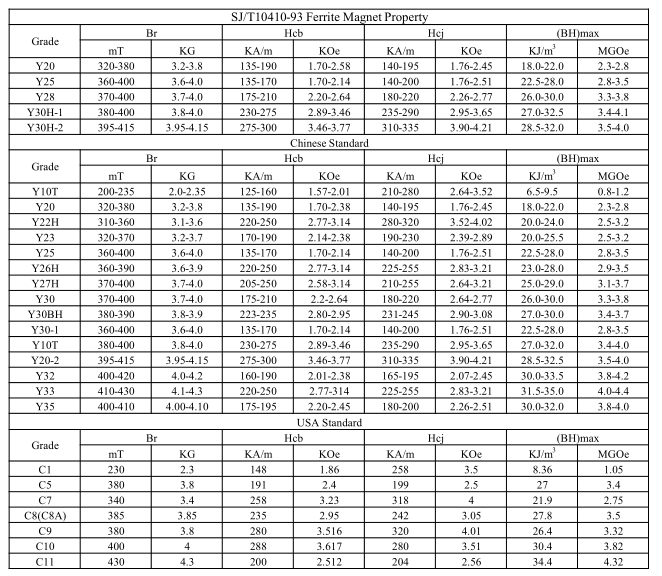
Currently, 27 different grades of ferrite magnets are available. Currently, C5 (also known as Feroba2, Fer2, Y30, and HF26/18) and C8 are the two most common grades (also known as Feroba3, Fer3 and Y30H-1). For applications like overband magnets, C 5 / Y30 is a common choice of ferrite magnet. For applications like motors and occasionally loudspeakers, C8 / Y30H-1 is a preferable option (C8 has a similar Br to C5 but has a higher Hc and Hci). Ferrite magnets may be made in a variety of forms and dimensions. The electrically insulating Ferrite material does not permit wire spark erosion, hence machining to size is only possible through grinding procedures. As a result, blocks, discs, rings, arcs, and rods are the primary forms.