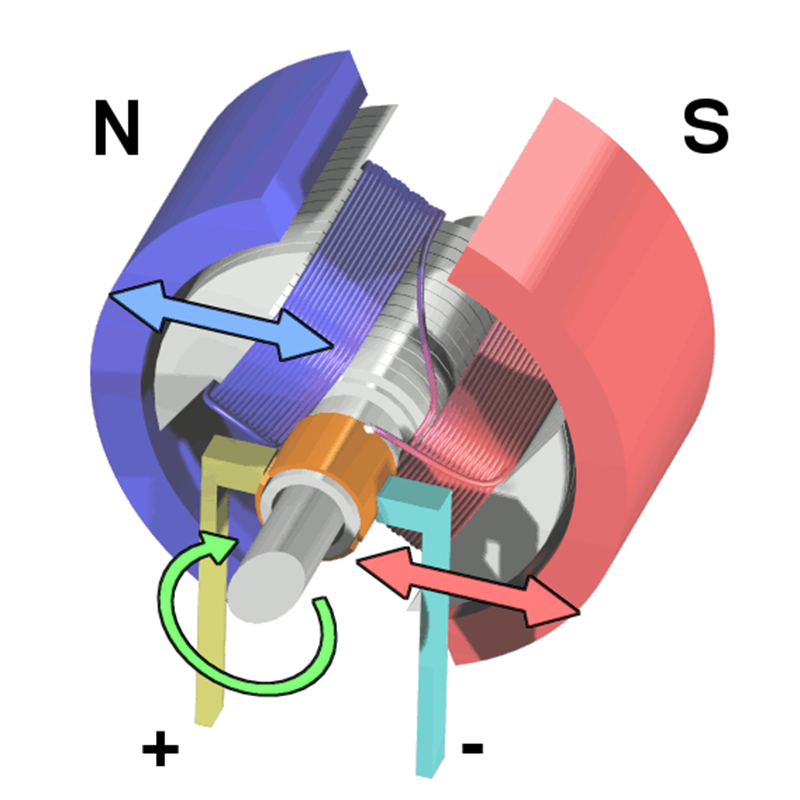


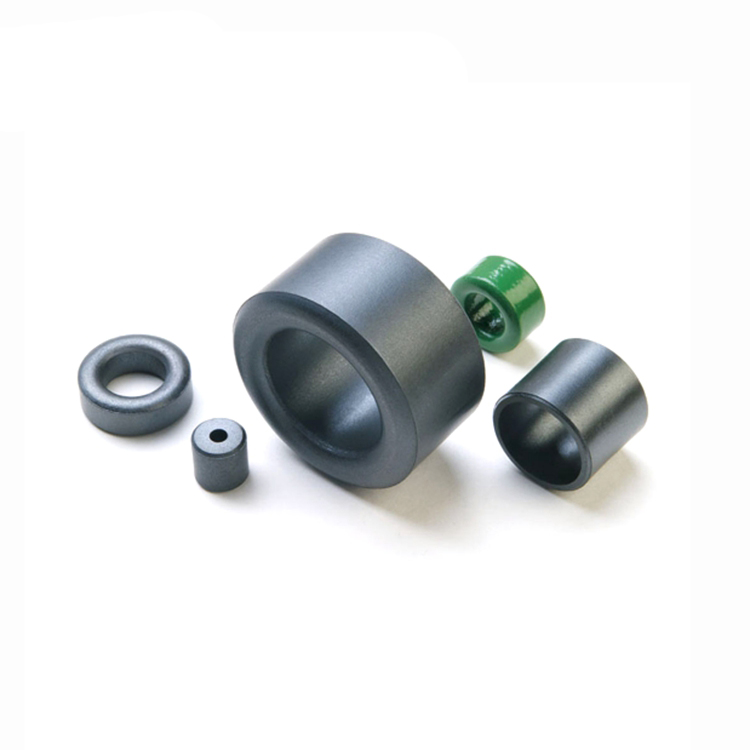

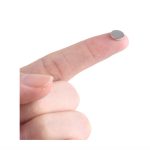
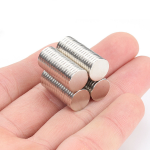
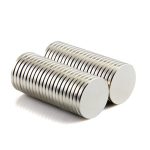
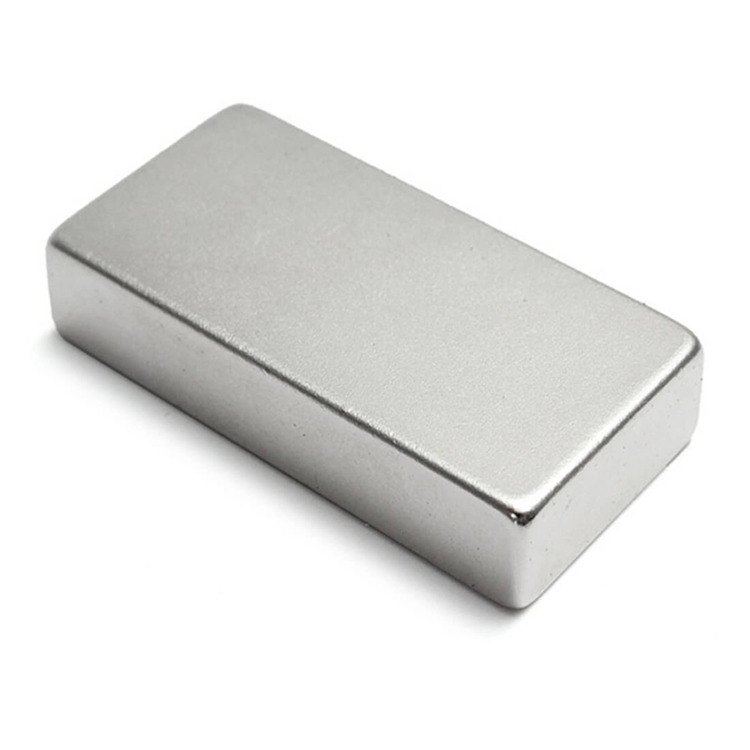
Neodymium magnets are permanent magnets made from an alloy of neodymium, iron and boron forming a Nd2Fe14B tetragonal crystal structure. Neodymium iron boron is a rare earth magnet widely recognized for its exceptional strength. It is the strongest permanent magnet currently available on the market.

Composition:
A magnet is typically composed of materials that exhibit strong magnetic properties. The composition depends on the type of magnet:
Permanent Magnets – These retain their magnetism for a long time and are made from:
Ferrite (Ceramic Magnets): Composed of iron oxide (Fe₂O₃) mixed with barium or strontium carbonate.
Alnico Magnets: Made from aluminum (Al), nickel (Ni), cobalt (Co), and iron (Fe), sometimes with copper (Cu) and titanium (Ti).
Rare-Earth Magnets:
Neodymium Magnets (NdFeB): Composed of neodymium (Nd), iron (Fe), and boron (B).
Samarium-Cobalt (SmCo) Magnets: Made from samarium (Sm) and cobalt (Co).
Electromagnets – These are made from soft iron cores wrapped with coils of insulated wire, which produce a magnetic field when an electric current flows through them.
Temporary Magnets – Materials like iron or steel that become magnetized in a magnetic field but lose their magnetism when removed.
Performance Comparison Chart of NdFeB magnets and other magnet materials
Here is a performance comparison chart of Neodymium (NdFeB) magnets and other common magnet materials:
| Property | NdFeB (Neodymium) | SmCo (Samarium Cobalt) | Alnico | Ferrite (Ceramic) |
|---|---|---|---|---|
| Magnetic Strength (Max Energy Product – MGOe) | 30-52 | 16-32 | 1-9 | 1-4 |
| Coercivity (Resistance to Demagnetization – kOe) | 10-30 | 10-25 | 0.6-1.5 | 1.5-3 |
| Temperature Resistance (Max Working Temp – °C) | 80-220 | 250-350 | 450-550 | 250-300 |
| Corrosion Resistance | Low (Needs Coating) | High | High | Very High |
| Brittleness | High | High | Low | Moderate |
| Cost | Moderate-High | High | Moderate | Low |
| Common Applications | Motors, Sensors, Electronics, Hard Drives | Aerospace, High-temp Motors, Precision Devices | Loudspeakers, Sensors, Instruments | Speakers, Refrigerator Magnets, Low-cost Applications |
Key Takeaways:
NdFeB Magnets offer the highest magnetic strength but have lower temperature resistance and are prone to corrosion.
SmCo Magnets are ideal for high-temperature applications but are expensive.
Alnico Magnets have high temperature resistance but lower magnetic strength.
Ferrite Magnets are cost-effective but have the weakest magnetism.
Comparison of NdFeB Magnets VS other magnets in other dimensions
Here’s a more detailed comparison of Neodymium (NdFeB) magnets vs. other common magnet materials across multiple dimensions:
| Property | NdFeB (Neodymium) | SmCo (Samarium Cobalt) | Alnico | Ferrite (Ceramic) |
|---|---|---|---|---|
| Magnetic Strength | ⭐⭐⭐⭐⭐ (Highest) | ⭐⭐⭐⭐ (High) | ⭐⭐ (Moderate) | ⭐ (Low) |
| Temperature Resistance | ⭐⭐ (80-220°C) | ⭐⭐⭐⭐⭐ (250-350°C) | ⭐⭐⭐⭐⭐ (450-550°C) | ⭐⭐⭐ (250-300°C) |
| Corrosion Resistance | ⭐ (Poor, needs coating) | ⭐⭐⭐⭐ (Excellent) | ⭐⭐⭐⭐ (Good) | ⭐⭐⭐⭐⭐ (Very High) |
| Brittleness | ⭐⭐⭐ (Brittle) | ⭐⭐⭐⭐ (Brittle) | ⭐ (Ductile) | ⭐⭐ (Moderate) |
| Cost | ⭐⭐⭐ (Moderate-High) | ⭐⭐⭐⭐⭐ (High) | ⭐⭐⭐ (Moderate) | ⭐ (Low) |
| Density (g/cm³) | ~7.5 | ~8.4 | ~7.3 | ~5.0 |
| Machinability | ⭐⭐ (Difficult) | ⭐⭐ (Difficult) | ⭐⭐⭐⭐⭐ (Easy) | ⭐⭐⭐ (Moderate) |
| Stability Over Time | ⭐⭐ (Needs Coating) | ⭐⭐⭐⭐⭐ (Very Stable) | ⭐⭐⭐⭐ (Stable) | ⭐⭐⭐⭐ (Stable) |
| Ease of Magnetization | ⭐⭐⭐⭐⭐ (Very Easy) | ⭐⭐⭐⭐ (Easy) | ⭐⭐ (Moderate) | ⭐⭐ (Moderate) |
| Environmental Friendliness | ⭐ (Uses Rare Earth Metals) | ⭐ (Uses Rare Earth Metals) | ⭐⭐⭐ (Better) | ⭐⭐⭐⭐⭐ (Best, Non-toxic) |
| Common Applications | Motors, Electronics, MRI, Hard Drives | Aerospace, High-temp Motors, Military Equipment | Loudspeakers, Sensors, Instruments | Speakers, Refrigerator Magnets, Educational Tools |
Conclusion:
NdFeB Magnets: Best for high-strength applications but need protection from corrosion and high temperatures.
SmCo Magnets: Ideal for extreme environments and aerospace but expensive.
Alnico Magnets: Good for high-temperature and sensor applications but weaker magnetically.
Ferrite Magnets: Cheapest and most corrosion-resistant, but weakest in magnetism.

Directions of Magnetization in Magnets
The direction of magnetization refers to how the magnetic domains within a magnet are aligned. This is crucial for applications like motors, sensors, and magnetic assemblies. Here are the common types of magnetization directions:
-
Axial Magnetization
Description: Magnetized along the central axis (top to bottom or lengthwise).
Common in: Disc, cylinder, and block magnets.
Example: A cylindrical neodymium magnet with north at one flat face and south at the other.
-
Diametric Magnetization
Description: Magnetized across the diameter (side to side).
Common in: Cylindrical and rod magnets.
Example: A cylindrical magnet with north on one side and south on the opposite side.