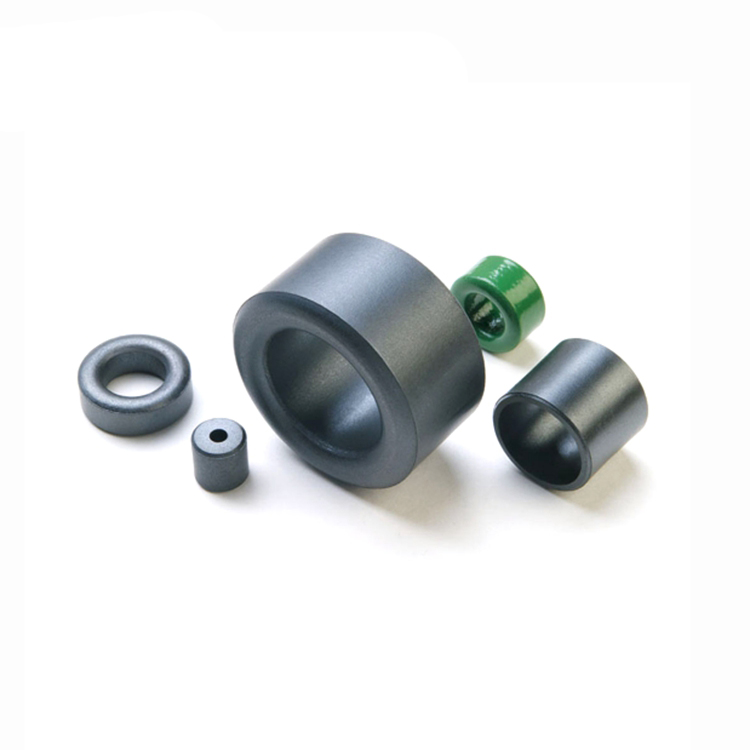
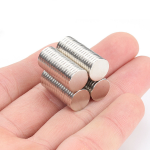
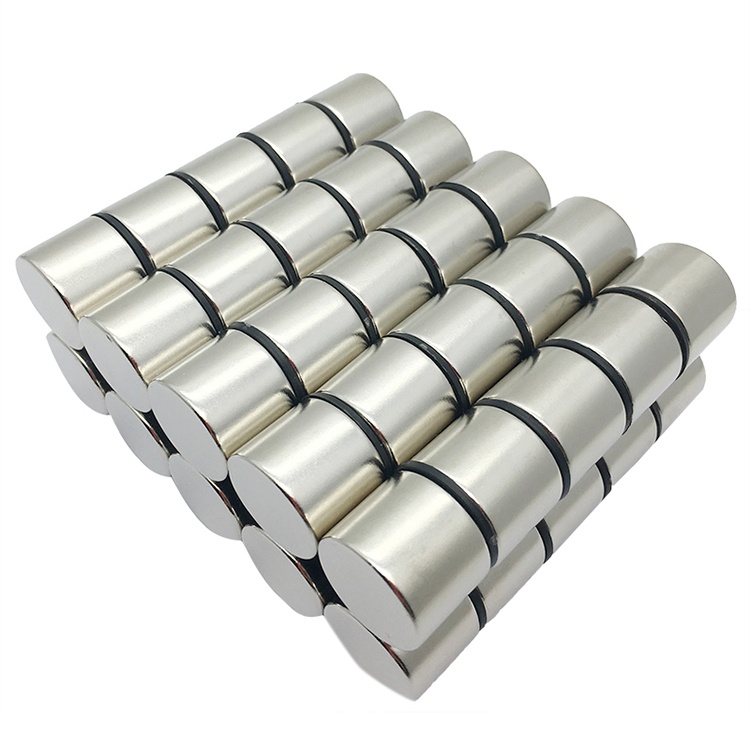
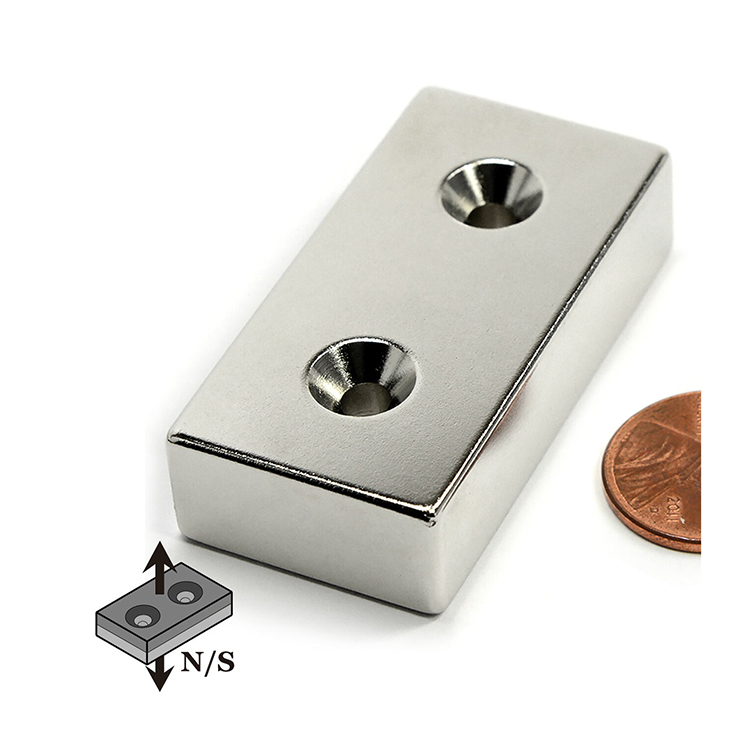
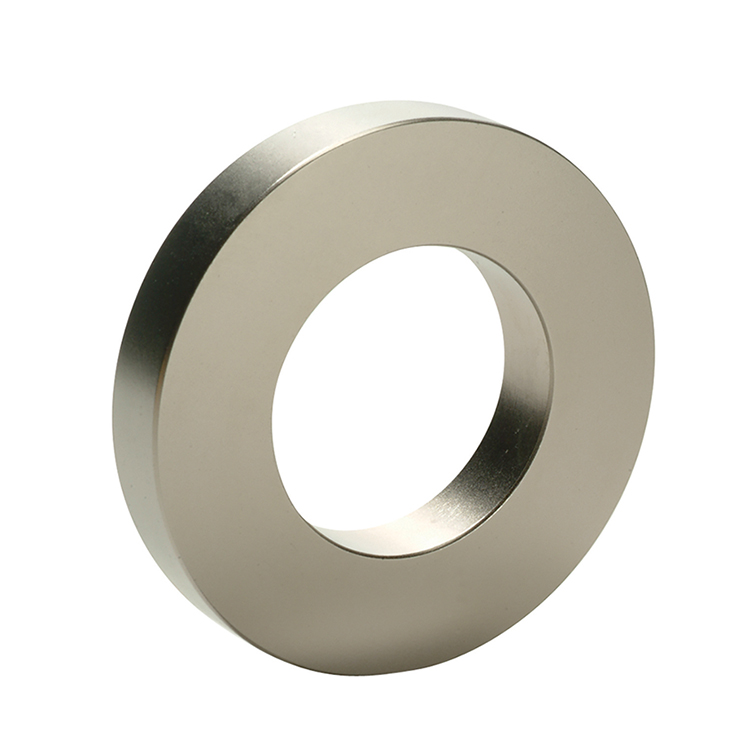
Strong Neodymium Magnet
The word “permanent magnet” refers to a magnet’s capacity to hold onto an induced magnetic charge even after being withdrawn from a magnetizing instrument. Hard magnetic materials, also known as permanent magnet materials, A permanent magnet can sustain a steady attraction once it has been magnetized. After profound magnetic saturation and magnetization, the second region of the hysteresis loop is where permanent magnet materials function in real life. Permanent ferrite, rare earth persistent magnet materials, Al Ni Co permanent magnet alloys, Fe Cr Co permanent magnet alloys, and compound permanent magnet materials are among the most widely used permanent magnet materials.
Characteristics of Solid Magnets
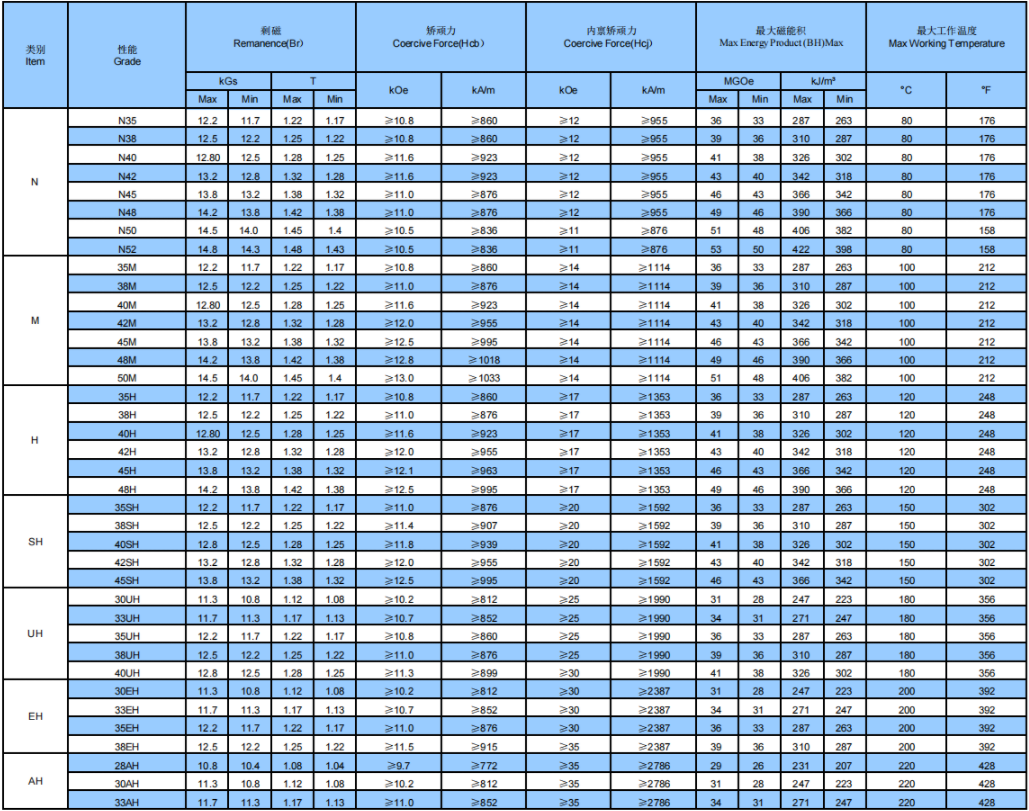
Magnet made of neodymium iron boron: At the moment, neodymium iron boron has the best commercialized efficacy. Magneto King is the name of it. It has very strong magnetic characteristics. It is also known as magnetic steel, strong magnetism, etc., and has a maximal magnetic energy output that is more than 10 times greater than that of ferrite. Its own capacity to be machined is also quite excellent. 200 °C is the highest working temperature that is possible. Additionally, it is extensively used due to its hard texture, consistent performance, and excellent cost performance. Its skin must be treated though due to its intense chemical action.
The intermetallic compound Nd2Fe14B serves as the basis for the persistent magnetic substance Nd-Fe-B. Nd-Fe-B has a very high magnetic energy output and coercivity compared to cast Al Ni Co permanent magnetic materials and ferrite permanent magnetic materials, and it can absorb 640 times its own weight. NdFeB permanent magnet materials are used extensively in electrical technology and contemporary industry due to the benefits of their high energy density. Instruments, electroacoustic actuators, magnetic separation and magnetization apparatus, etc. can all be lighter thanks to it. The benefits of NdFeB include high efficiency at high expense, simple manufacturing, excellent mechanical characteristics, and more. The low Curie temperature, bad temperature features, and ease of powdering and corroding are the drawbacks.
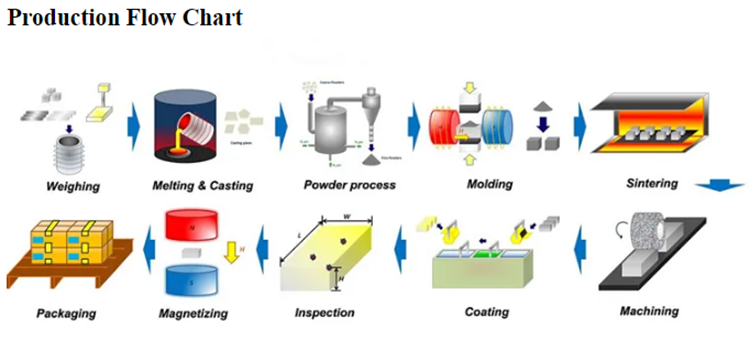
In order to satisfy the demands of actual uses, it must be enhanced by changing its chemical makeup and employing surface treatments. Powder metallurgy is the manufacturing method used to create Nd-Fe-B. Using a medium frequency induction melting furnace, raw materials containing a specific ratio, such as neodymium, dysprosium, iron, cobalt, niobium, praseodymium, aluminum, copper, ferroboron, etc., are melted into alloy steel ingots and then crushed into 3 to 5 M powder, which is pressed and formed in a magnetic field. In a vacuum sintering oven, the produced green body is sintered, compressed, and tempered for maturing. This method yields a persistent magnet sheet with specific magnetic characteristics. The final Nd-Fe-B goods needed by consumers can be processed through milling, drilling, slicing, and other methods.
Considerations for Fixed Magnet Operation Temperature
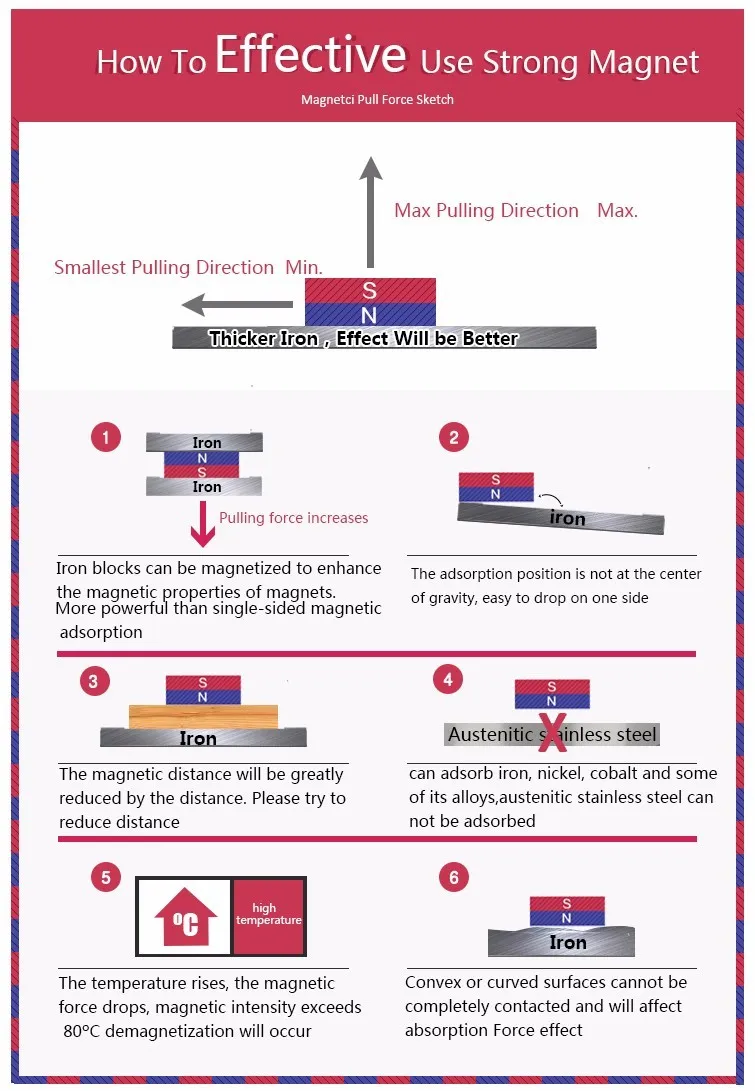
Customers should choose their own brand of Nd-Fe-B magnets based on their operating temperature when choosing these magnets. The magnet will gradually lose its magnetic properties until there is no longer any magnetism if the operating temperature of the magnet is greater than the bearing temperature of the magnet brand. Therefore, before placing an order, make sure the name is appropriate for your needs and the operating temperature.
the surroundings
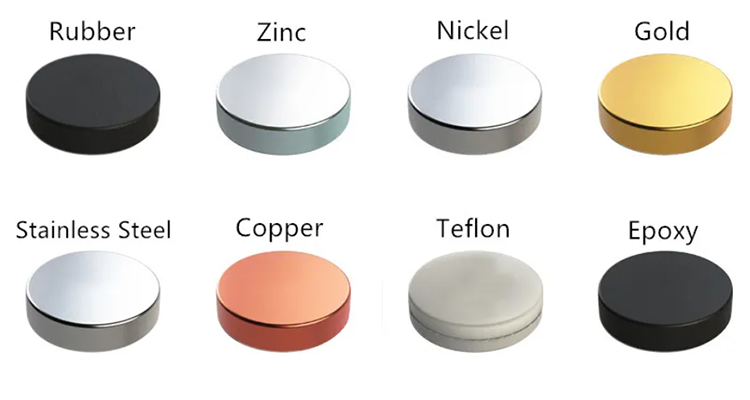
If the magnet device is enclosed, it may be more cost-effective to choose a magnet without electroplating or white zinc etching on the surface. If the magnet must be subjected to damp air, salt fog is recommended. It is advised that nickel-plated magnets be used in this situation. The magnet needs to be isolated, covered in plastic, wood particles, hard paper, foam, etc., and kept in a dry, consistent temperature environment. Avoid using ironware and magnetically-attractive items like monitors, laptops, TVs, mobile phones, and similar items.
piling and handling
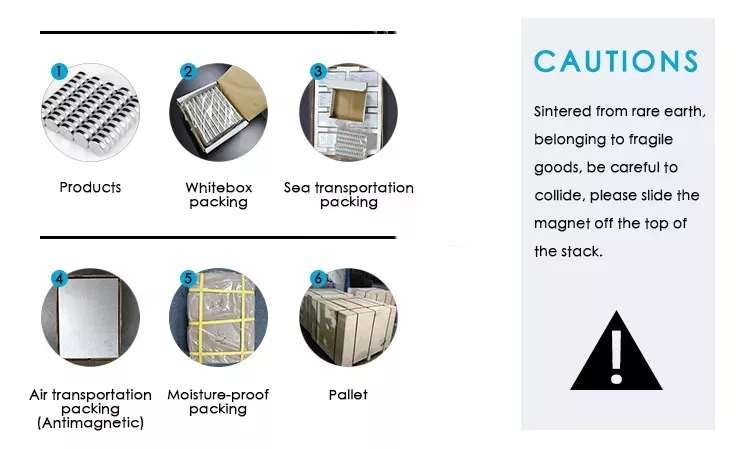
Strong magnetic neodymium iron boron substance that is rigid, brittle, and has a powerful magnetic field. It needs to be treated with caution (especially large-size and thin pieces). It should be used cautiously and without impact when drawing or separating other iron items or the powerful magnet itself. Otherwise, an impact could harm the magnet or result in finger pins. Due to the fact that neodymium iron boron is a type of multi-metal combination, it is weighty, brittle, and has a density of 745. In order to prevent magnetic damage, handling should be done with particular caution. Additionally, the storing area needs to be kept fresh. Avoid placing it on the ground immediately. The best way to protect it is to put it on the thick cardboard cushion or in
Using precautions
The magnets should be pushed laterally to stagger them if they can’t be divided. Never yank them firmly. With your right hand’s middle finger and thumb, move the magnet out laterally while holding the entire magnet in place with your left hand. Do not instantly return the removed magnet to the magnet collection after leaving. Isolate the magnet right away, please. Treat carefully and keep away from anything metallic or made of iron. If you must re-insert the magnet into the entire magnet, do so slowly and allow the magnet to draw back from the border at a close range. Till the two magnets are in place, securely hold the magnet.
Method of Making Permanent Magnets
How are strong magnets made? NdFeB magnets, SmCo magnets, AlNiCo magnets, and ferrite magnets are all produced using various production techniques. There are cemented NdFeB magnets and sintered NdFeB magnets in terms of science. Our primary area of interest is solid NdFeB magnets.
Sintering is an easy and affordable technique that can modify the substructure of materials to enhance their magnetic characteristics. The material-forming process known as sintering has a greater influence on the density and substructure of magnets.
Permanent magnet manufacturing processes:
Process sequence for magnets
Batching, ingot-making and smelting, shaping, sintering, and tempering, magnetic testing, polishing, pin-cutting, and electroplating are the final steps before the completed goods are produced.
Ingredients are the foundation of each of them, and fusing and seasoning are essential.
A melting furnace, pulverizer, ball mill, jet mill, isostatic pressing machine, sintering furnace, vacuum packing machine, heat treatment vacuum furnace, magnetic property tester, and Gauss meter are some of the equipment used in the manufacture of NdFeB magnets.
Speakers, speech receivers, microphones, alarms, stage audio, vehicle audio, and other electroacoustic devices.
Electrical meters, water meters, sound meters, dry clarinets, sensors, fixed magnet mechanism vacuum circuit breakers, magnetic retention relays, and other electronic tools.
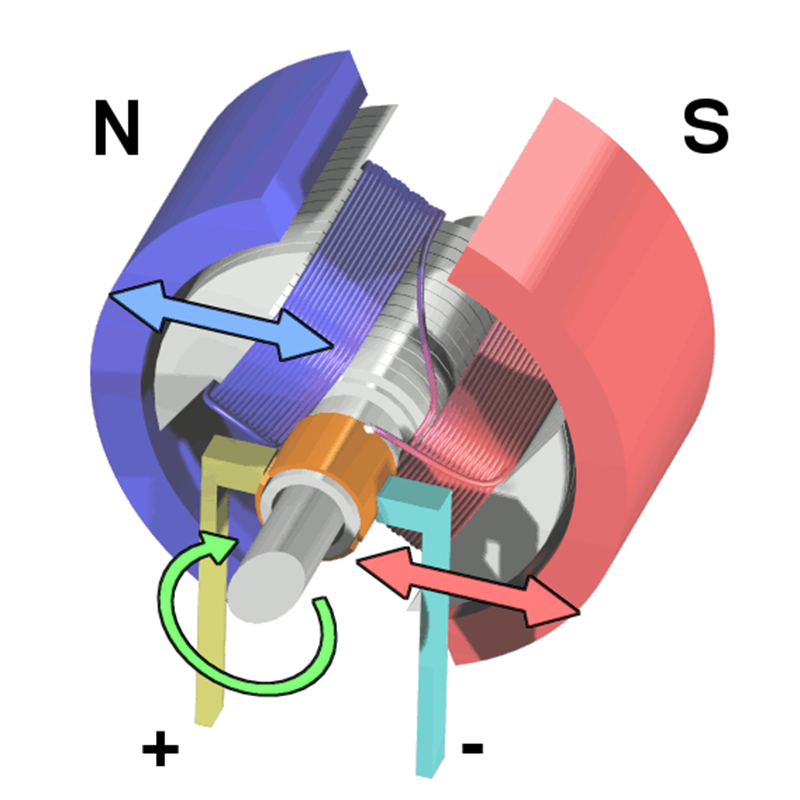
Motor field: mechanical motor, electric motor, generator, CDDVD-ROM, micromotor, vibratory motor, etc.
mechanical apparatus, such as a magnetic hoist, magnetic machinery, magnetic separation, etc.
Medical treatment includes the use of nuclear magnetic resonance tools, medical supplies, magnetic therapy products, and fuel-saving magnetization devices, among other things.
Other industries: automated mahjong machine, magnetized wax evidence, pipe scaler, magnetic fixture
Shutter and door Metallic Luggage Products for Magnetic Suede Gadgets with Magnets Gadgets with Magnets Purse with magnetic crafts.
Information on Neodymium Magnets and Their Uses
Neodymi-what?! You definitely have an interest in magnets if you are perusing our website, but you might not be familiar with neodymium rare earth magnets. The strongest permanent magnet currently available is a neodymium magnet, which Adams Magnetic Products offers for a range of industrial and business applications. Let’s delve a little deeper to discover more about these incredibly powerful magnets and their potential applications.
Neodymium Rare Earth Magnets: What Are They?
These refrigerator magnets are not your typical ones! Even if you’ve never heard of neodymium magnets, you undoubtedly use them every day because they are the strongest permanent magnets currently on the market. Despite being small, they are sometimes referred to as NdFeB or Neo magnets.
Because they are both lightweight and extremely strong, they are used in a broad range of uses. It’s impossible to imagine, but many of the technological advancements made over the last few decades would not have been feasible without this kind of rare earth magnet!
The Power of Neodymium Magnets
very powerful They’ll astound you! Over 1700 grams of force are produced by a 2-gram (0.07 ounce) neodymium magnet that is 8 millimeters (0.315 inches) in circumference and 5 millimeters (0.197 inches) length (3.75 pounds). They have taken the position of other kinds of magnets in many applications because they are so powerful. For instance, they are more than ten times as powerful as clay magnets, so you could swap one out for a much smaller neodymium magnet
and produce a gripping power that is equal to or greater. Be careful because even tiny neodymium magnets can damage the body due to their extreme strength. Even bigger neos fracturing bones has been reported. Treat carefully! Using our magnet converter tools, you can learn more about the gauss or pounds of holding power of particular magnets.
What Components Make Up Neodymium Magnets?
Neodymium, iron, and boron are the main ingredients in the compound used to create neodymium magnets. The precise composition can change based on the required power and the application of the magnet. Neodymium magnets are primarily produced in two ways: sintered and cemented.
The alloy components are heated in a kiln to produce sintered neodymium magnets, which are then formed into molds.
and chilled to create ingots, which are then powdered to a thin consistency and put into molds. Sintered stones made from the powder molds are thick. (Sintering is the process of compressing and shaping a solid bulk of substance under pressure or heat without completely melting it.) The substance is covered or plated, carved into its finished form, and then magnetized.
Neodymium alloy granules and a polymer adhesive are combined to create bonded neodymium magnets. In order to create more complicated forms and magnetization powders than are usually accessible in sintered magnets, the components are pressed or extruded.
What Purposes Do Neodymium Magnets Serve?
These incredibly powerful magnets have applications across a variety of sectors ever since they were developed in the early 1980s. When you’re
You’re using a neodymium magnet to read this on your PC right now! Several uses include:
Disk disks, or Magnetic cells are found in the tracks and sectors of a hard drive; these cells become magnetized when data is recorded to the drive.
Permanent magnets are used with current-carrying coils in microphones, headphones, and amplifiers to transform electricity into mechanical energy that modifies the pressure of the nearby air to produce sound.
Dentures – Tiny neodymium magnets are used to hold teeth firmly in position. Actually, a number of medicinal instruments use neodymium magnets. Learn more about the use of neodymium magnets in medicine here.
Doors with neodymium magnetic locks are frequently used in both commercial and domestic structures.
Neodymium magnets, which are used frequently in magnetic treatment jewelery and are
used for clasps on bracelets and necklaces as well.
Neodymium magnets encased in copper wires are used in the sensors for anti-lock brakes, if you have them in your vehicle.