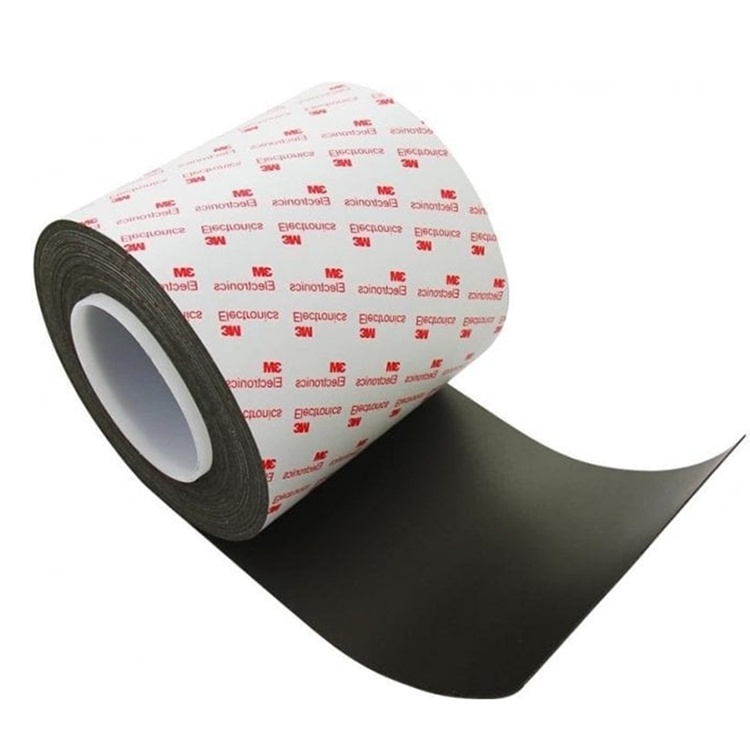
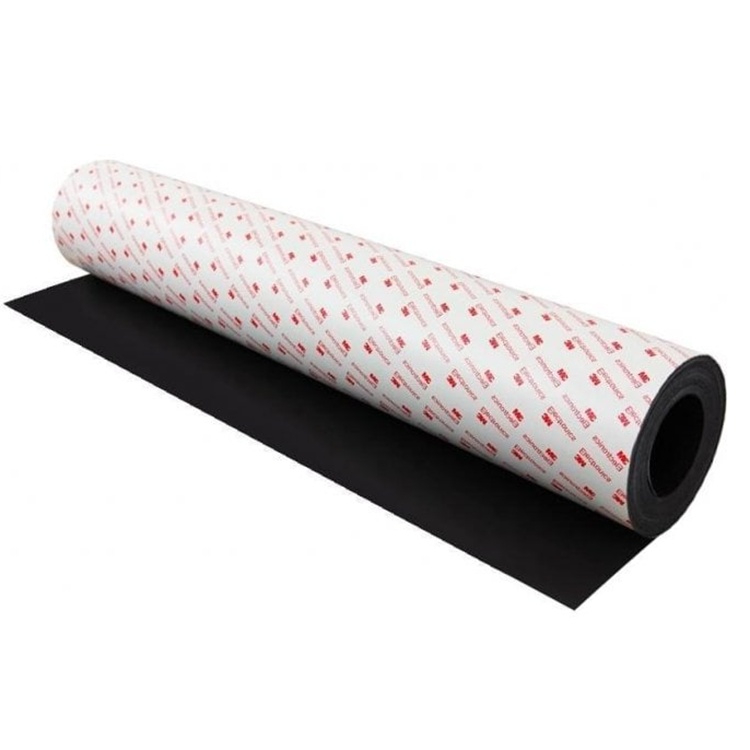
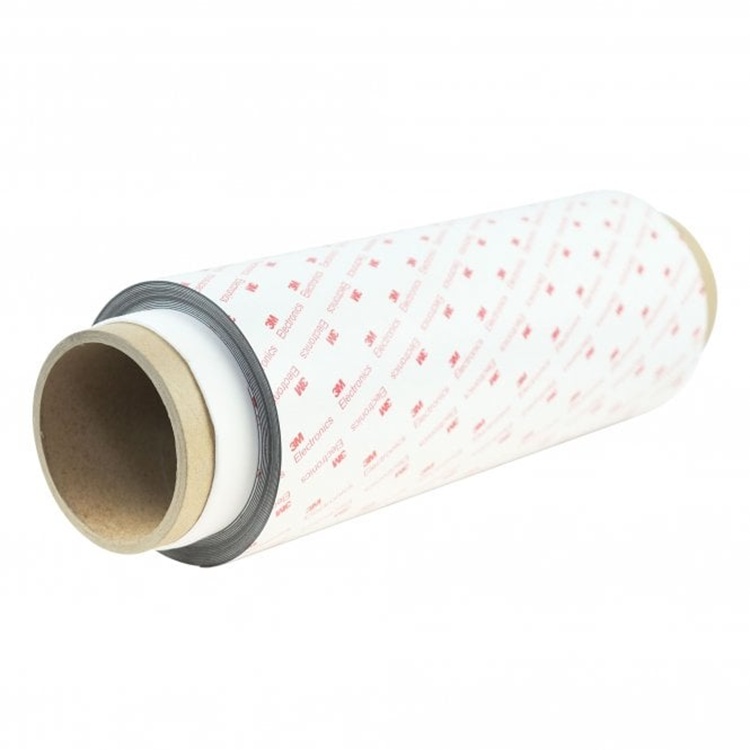
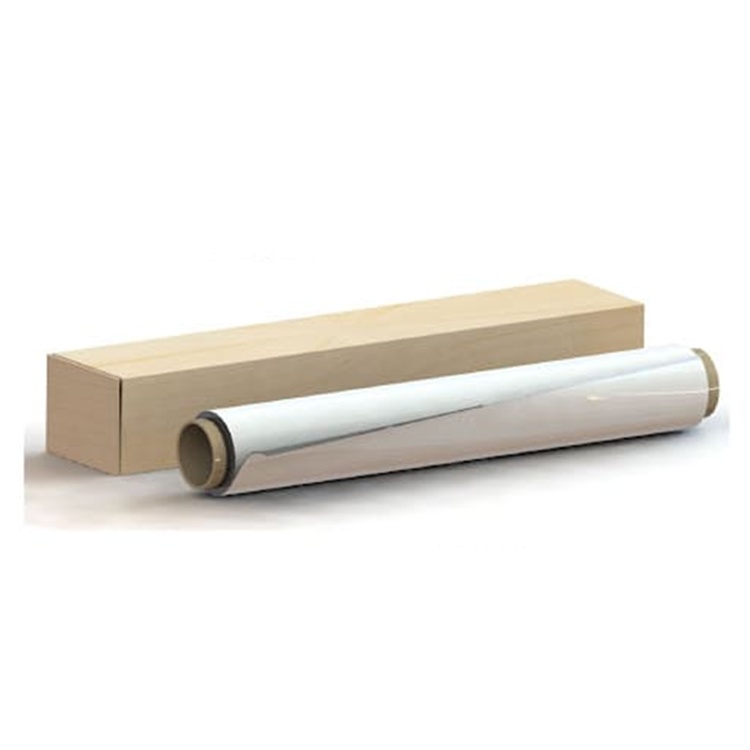
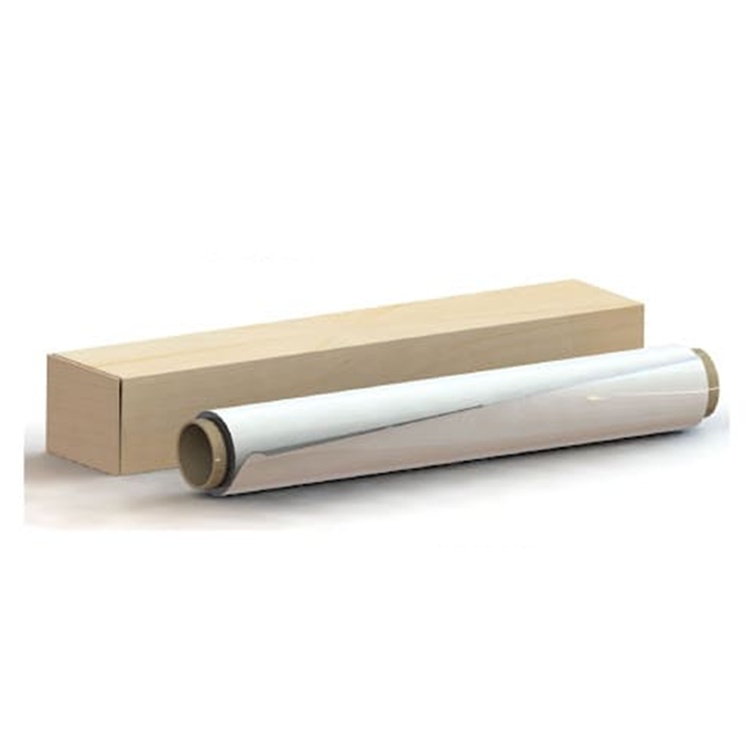
Flexible MagnetsMagnetic Sheets and Roll,Magnetic Roll, Sheets, and Labeling MagnetsLow-cost extruded permanent magnets known as flexible magnets are created by mixing strontium magnetic material with a stretchable vinyl binder. You may easily utilize and modify flexible magnetic sheets, magnetic strips, and labeling magnets to your exact requirements. They may be trimmed with a pair of scissors or a knife, bent, twisted, or coiled, printed or silk-screened, and embellished or labeled with permanent or erasable markers.Flexible magnet material is very adaptable and sticks to a variety of objects and surfaces. Flexible magnets are utilized for a wide range of industrial, commercial, and consumer applications, from automotive.Flexible magnetic sheeting, magnetic strips, and labeling magnets are all available from us in strip, sheet, or roll form, and come in a number of finishes, sizes, and shapes. Contact us right away or email us a special request to learn more about how we can custom slit, score, and construct this material to meet the unique needs of your project.
China Manufacturer Hot Selling Isotropic Flexible Rubber Sheet Roll Magnetic Materials with Adhesive Rubber Magnet
Material
SrO6, Fe2O3, CPE, etc.
Size
As per catalogue show, and accept customize.
Shape
ROLL/Sheet
Cover
Adhesive, UV, PVC ,etc
Packing
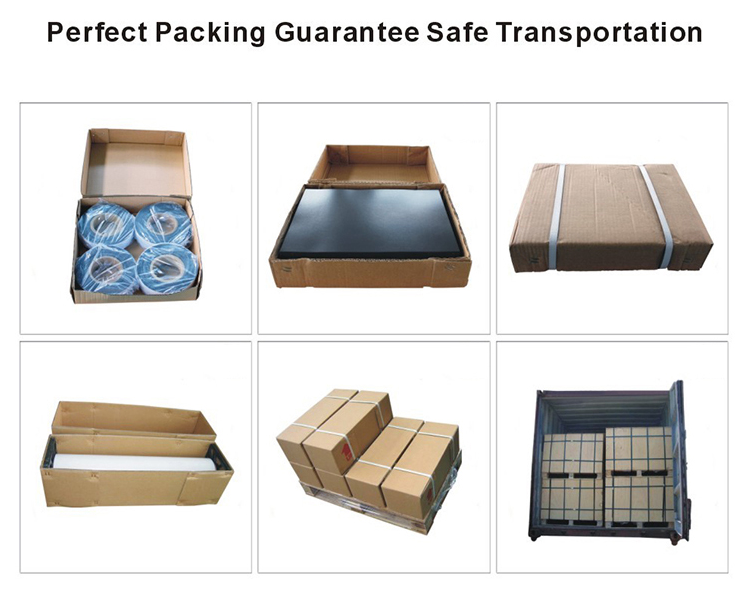
Standard sea or air packing, such as carton, iron, wooden box, etc.
Delivery date
7 days for samples; 20-25 days for mass goods.
Generally Speaking
Ferrite magnet powder and rubber are combined to create flexible rubber magnets.
The completed flexible rubber magnet is created by pressing or rolling.
The final flexible rubber magnets or semi-manufactured flexible rubber magnets may incise,
stiletto, slit, or back up other materials at random and have strong antisepsis and difficult demagnetization
since the material has good plasticity. Because there are more raw materials available,
the cost is reduced. Natural or isomer Flexible Rubber magnets are both types of Flexible Rubber magnets.
Because of their mild magnetic, natural rubber magnets are utilized for iceboxes, presswork,
and marketing and promotion incentives.
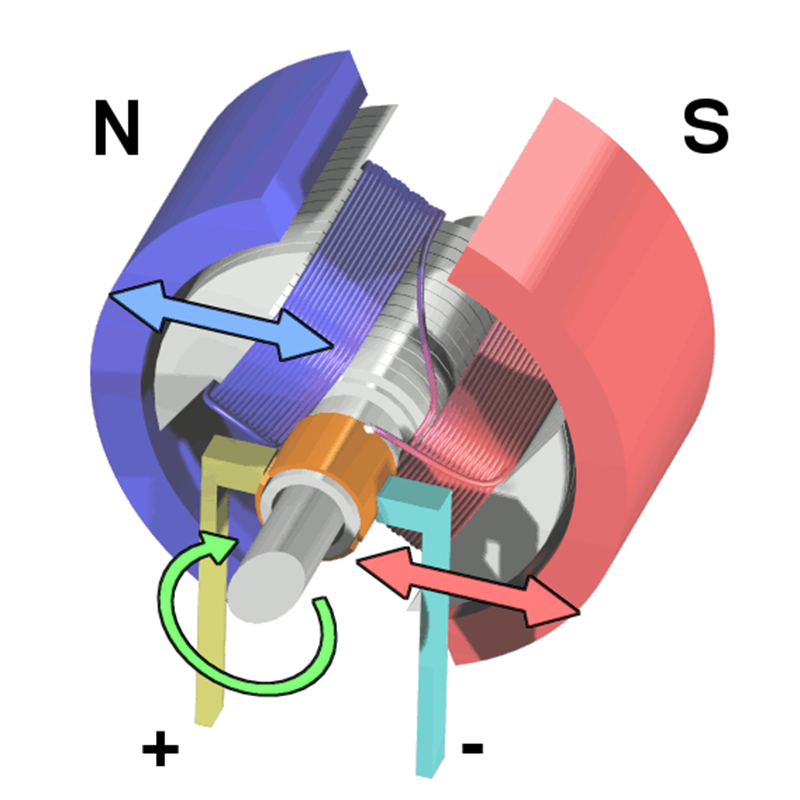
Strongly magnetic isotope rubber magnets are utilized in products like micromotors and magnetic toys.
What forms are possible using flexible rubber magnets?
Magnetized rubber and elastic rubber magnets.
The phrase “flexible magnet” is not always clear.
The majority of people picture solid bars or chunks of metal when they think about magnets.
After all, the ferromagnetic nature of magnets is what distinguishes them.
They are made of a ferromagnetic metal, such as neodymium, cobalt, nickel, or iron,
which generates an imperceptible magnetic field. However, flexible magnets are still accessible.
Flexible magnets have a special design, yet they all create an undetectable magnetic field.
A Flexible Magnet: What Is It?
Any magnetic item that can stretch without breaking or suffering any harm is referred to as a flexible magnet.
They are not rigid or strong. Magnets that are flexible may bend. In fact, if it’s the right kind (see below),
you might be able to wrap it up.
Other magnets cannot be bent. A magnetic cannot bend without breaking unless it is flexible.
The majority of flexible magnets are composed of a coating of ferromagnetic material on a synthetic substrate.
The artificial substrate is constructed from pliable materials like vinyl.
The synthetic substrate is made magnetic by the addition of ferromagnetic material.
There are various ways to make flexible materials,
but a lot of them require coating a synthetic substrate with ferromagnetic particles.
In order for the powder to adhere to the synthetic substrate, an adhesive or binding agent is combined with it.
Flexible Magnet Types
There are various different kinds of flexible magnets. For instance,
flexible magnets are sometimes sold in sheets. Automobiles, metal cabinets, buildings and doors.
They can be made with a PVC-laminated backing or an adhesive backing.
Flexible magnets are also available in strips in addition to sheets.
Compared to sheets, flexible magnetic strips are longer and thinner.
Usually, they are offered in rolls.
You may move a flexible magnet over a ferromagnetic surface using this roll that resembles tape.
Advantages of Flexible Magnets
Flexible magnets are useful due to their ability to bend.
They are simple to wrap around objects like machinery, parts, and other surfaces.
A flexible magnet will probably be supported even if a surface isn’t perfectly level.
Magnets that are flexible can be sliced and molded.
The majority of flexible magnets can be cut using a standard cutting tool.
You can trim a flexible magnetic strip or sheet to fit your application if you require a magnet in a certain size or form.
Magnets that are bendable can also be drilled into.
They won’t crack while drilling.
A focused hole will be made when you drill into a flexible magnetic material without influencing the nearby magnetic material.
Rubberised magnetic material is utilized to create low-cost items with practical uses in educational, office, and business settings. These flexible magnetic devices are recognized for their price, durability, and adaptability. Flexible magnetic goods have been created to address some of the impractical challenges connected with traditional hard and inflexible magnets such as disc and block-shaped magnets. Flexible magnets are a low-power choice that is easy to move about on workplace and classroom whiteboards, and they are a safer option for school-based activities that include children. Frenergy presents a wide selection of popular and practical flexible magnetic rubber goods that are reasonably priced.
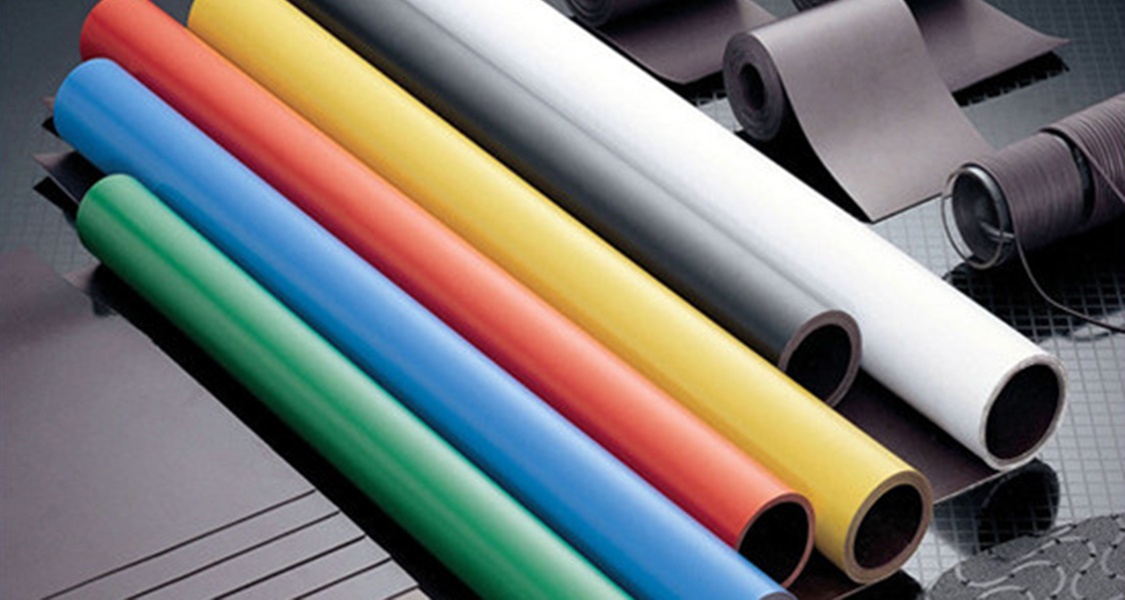
Across the country, flexible magnetic sheet goods are utilized in businesses, schools, signage firms, marketing agencies, warehouses, and creative homes and workshops. Colored magnetic strips in a variety of lengths and widths, adhesive-backed flexible tapes, magnetic labels in pre-cut or bespoke sizes, printable magnetic paper, and flexible coloured magnetic sheets in enormous 30-metre rolls are examples of flexible magnetic sheet and tape items.
Magnets that are malleable Flexible magnets and magnetic rubber can be employed in both technical and marketing purposes. This extremely versatile sort of magnet, which is often available in strip or sheet form, is commonly thought of as fridge or shower door seals and display goods, but it has much more possibilities. Magnetization of flexible magnets with acceptable pole configurations for sensor and motor applications is possible. Our product line comprises self-adhesive strip, sheet, and custom-made materials for a variety of applications.
Flexible materials for sensors, motors, and point-of-sale displays, as well as packaging and signage. Low Price The temperature range for application is commonly -20C to 70C. Appropriate for both modest and high-volume applications It is frequently rolled. There are adhesive backings available.
Vinyl finish, dry wipe, and printed are all options. There are conformity certificates, MSDS, and PPAPs available.
Customized Flexible Magnets Please contact us with your specifications or application needs, and our technical experts will be able to recommend the best grade or product for you.
This flexible rubber sheet contains an isotropic magnetic field on one side, which means it may be attached to ferrous metal surfaces such as metal doors, metal cabinets, whiteboards, metal beams or pillars, and even magnetic painted walls (regular walls sprayed with magnetic receptive paint).
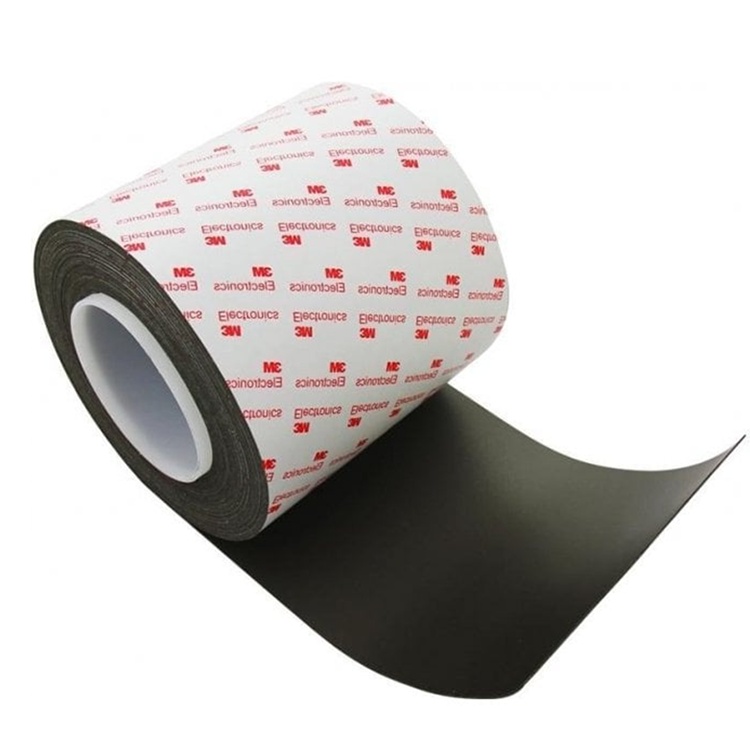
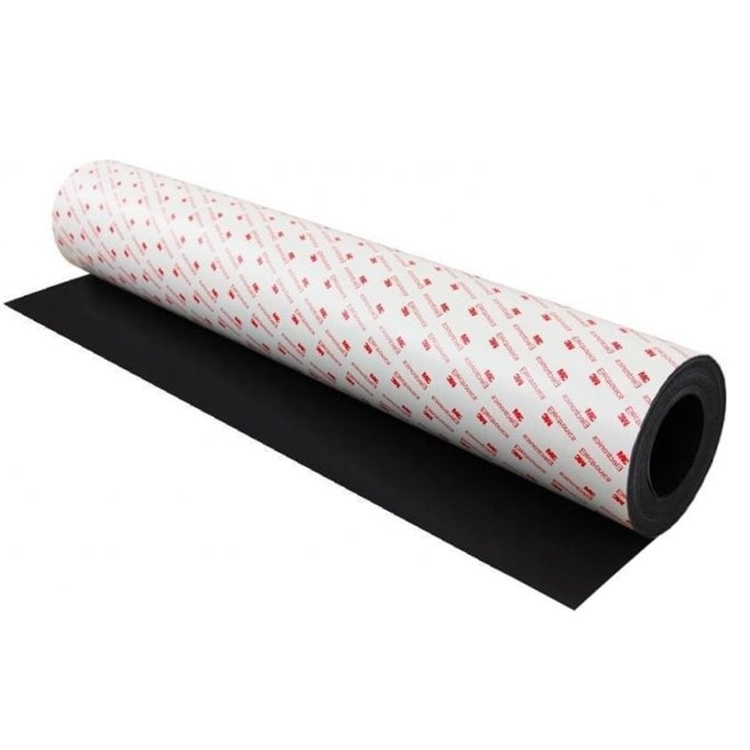
The opposite side of this flexible magnetic rubber sheet is plain rubber with no magnetic field, which is excellent for applying contact glue, double-sided adhesive, printed vinyl stickers, or 3M double-sided tape.
The advantage of this flexible magnetic rubber sheet is the ability to utilize the non-magnetic side as needed and to simply cut any shapes and sizes with a conventional pen knife or scissors.
Flexible Magnetic Rubber Sheet has several applications. Fridge Magnets, Printed Magnets, Car Advertisement Magnets, Education Aids, Magnetic Posters, Magnetic Wall Display Decorations are just a few examples.
Flexible magnetic strips and sheets, made of ferrite or rare earth powder and rubber polymer resin, may be readily twisted and manipulated to fit curved or uneven areas. These low-cost and adaptable magnets provide increased design freedom and creativity in a variety of applications, ranging from point-of-purchase (POP) displays and vehicle signs to complicated automation assemblies.
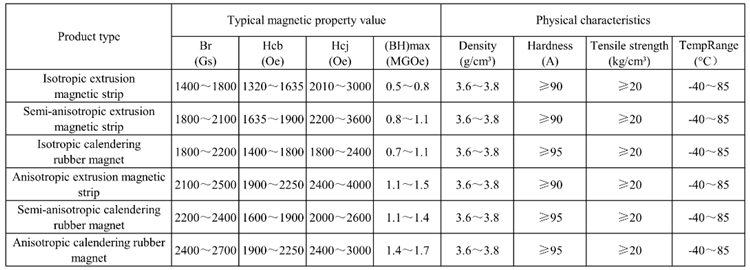
Balin Magnetic materials is a full-service supplier of flexible magnet strips, sheets, and other magnetic materials that may be modified to meet the needs of the client. Ferrite-based flexible magnets range in size from 0.6 to 1.8 MGOe, whereas Rare Earth-based magnets may reach 6 MGOe. Grading differs depending on the composition.
Why Buy Flexible Magnets from Adams? Balin can make flexible magnets in any size and color you choose. We can also tell you how many pieces of your final size magnet you can acquire from a 200 SF roll of magnetic sheet right now. And how much your purchase will weigh depends on the number of components you select. Simply enter the size and total amount into our sheet size calculator, and we’ll tell you how many pieces per roll and the estimated weight of the shipment.
For strip and sheet orders, we have numerous possibilities! Here are a few examples:
Paper, vinyl, and polypropylene laminates are available. Adhesives for indoor, outdoor, and foam applications Lamination on both sides Both surfaces are magnetized Un-magnetized Upon request, splice-free rolls are available. Magnetization that is unique, such as matching poles Individualized pole spacing Slit sheet widths start at 2′′ (50.8 mm). Strip rolls scored from 0.25′′ X 0.25′′ on rolls up to 1500′ long 60-inch maximum sheet width Die-cut shapes and cut sheets Individualized packaging
Flexible magnetic tape and strips that are either plain or have an adhesive peel-and-stick backing Our strong magnetic strips come in rolls of 100 feet and can be purchased with an adhesive backing or a plain finish. With a peel-and-stick sticky coating on the non-magnetic side that clings to any clean surface with ease, adhesive magnetic strips are designed for a wide range of interior applications.
Flexible magnetic strips are used for a wide range of crafts projects, magnetic signs, POP displays, charts, warehouse labels, prints, and photos, as well as for holding tools and instruments, sealing windows, holding stencils, door gaskets, and electronic enclosure cabinets. They are also simple to cut with scissors or a knife.
For bigger numbers, we may build the strips according to your unique specifications and custom cut, score, punch, die-cut, laminate, paint, and slice the strips halfway through so you can break portions off the roll. Simply tell us what you need by contacting us or submitting us a request for a quote, and our team of engineers will collaborate with you to identify the best cost-effective solution for your project.
Rubber and ferrite magnet powder are combined to create the composite materials used to create flexible rubber magnets. The completed rubber magnet is made flexible by rolling or pressing. Due to the material’s strong plasticity, completed or semi-manufactured flexible rubber magnets have good antisepsis and can resist demagnetization. They may also arbitrarily incise, stiletto, slit, or back up other materials. Since there are more raw materials available, the cost is reduced.
Isomer or natural flexible rubber magnets are two types of flexible rubber magnets. Natural rubber magnets, which are utilized in iceboxes, presswork, and marketing and promotion rewards, have a weak magnetic field. Stronger than other rubber magnets, isosomer rubber magnets find utility in toys and micro-motors, among other things.
What do pliable magnets mean? Rubber magnets, also known as flexible magnets, are created by mixing rubber materials with NdFeB and ferrite magnetic powder by extrusion or injection molding.
Flexible magnets are frequently utilized in items such as magnetic adsorption, magnetic drawing boards, meters, traffic signs, toys, presents, and micromotors.
Qualities Rubber magnets provide better moldability, dimensional correctness, uniformity, and flexibility than sintered magnets. They can be produced into isotropic and anisotropic goods, and depending on your demands, they may be formed into different kinds of sheets and rolls with different specifications. It may be formed into different cross-sectional magnetic strips and undergo different surface treatments (painting, films).
Positives
reasonably inexpensive. may usually be easily stored and transported by rolling it up. may build custom visual displays by printing onto the vinyl surface. Adaptable production is possible for practical purposes, such as the addition of printed vinyl and ferrous sheet to make magnets stick to the ferrous layer in magnetic maps. Adhesive backing layer can be added.
The drawbacks
At +50 to +70 degrees Celsius (122-158F) and above, the binder weakens and loses its magnetic properties. As the temperature drops, the material stiffens. Due to demagnetization, ferrite begins to lose its effectiveness below around -20 degrees Celsius (-4F). Certain alternatives cannot be rolled up, such as combinations of vinyl, magnetic rubber, ferrous sheet, and dry wipes that are bonded together and should not be rolled up.
Rubber and ferrite magnet powder are combined to create the composite materials used to create flexible rubber magnets. The completed rubber magnet is made flexible by rolling or pressing. Due to the material’s strong plasticity, completed or semi-manufactured flexible rubber magnets have good antisepsis and can resist demagnetization. They may also arbitrarily incise, stiletto, slit, or back up other materials. Since there are more raw materials available, the cost is reduced. Isomer or natural flexible rubber magnets are two types of flexible rubber magnets. Natural rubber magnets, which are utilized in iceboxes, presswork, and marketing and promotion rewards, have a weak magnetic field. Stronger than other rubber magnets, isosomer rubber magnets find utility in toys and micro-motors, among other things.