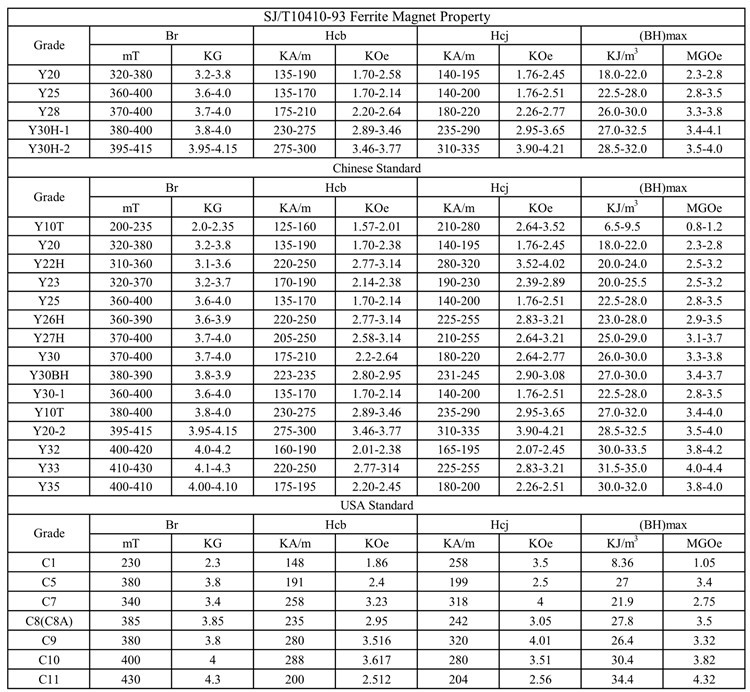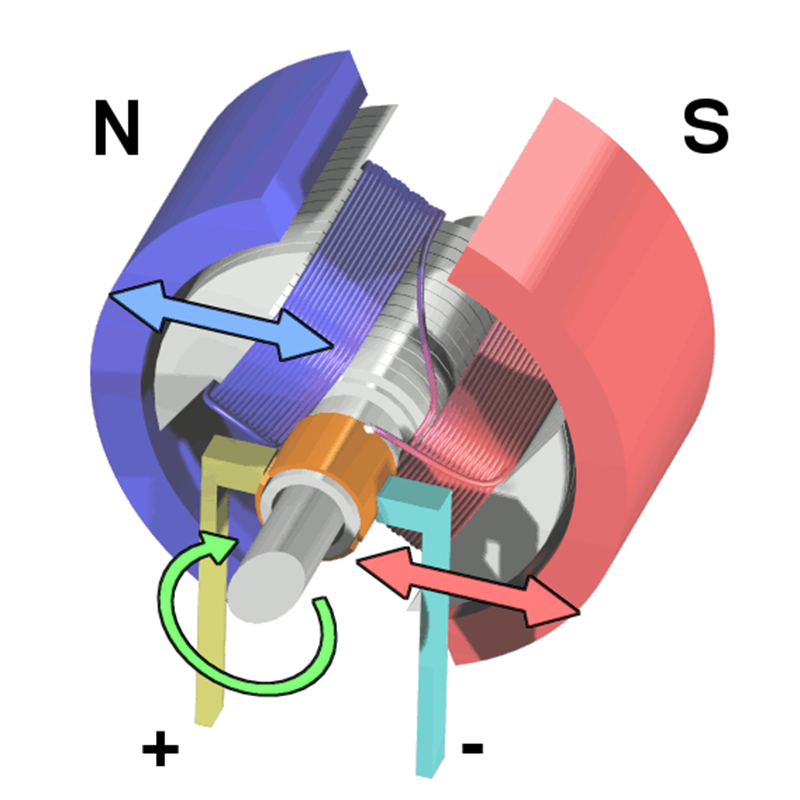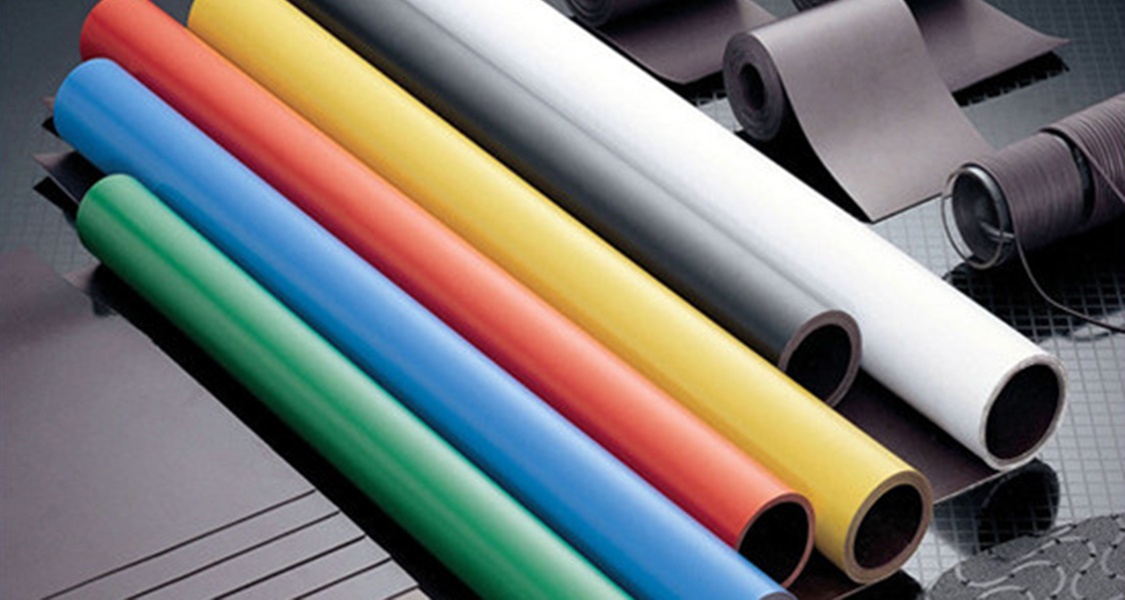



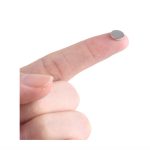
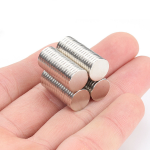
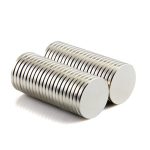
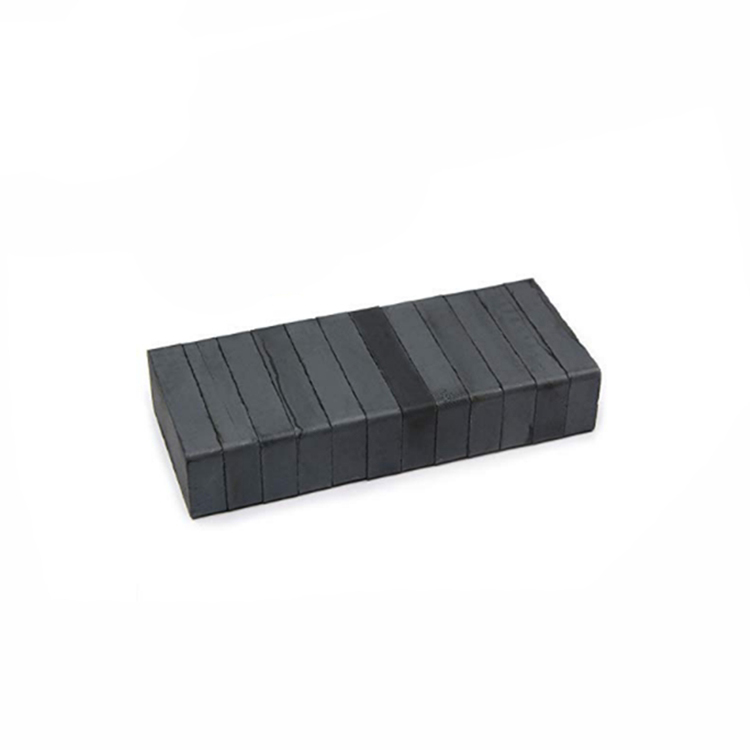
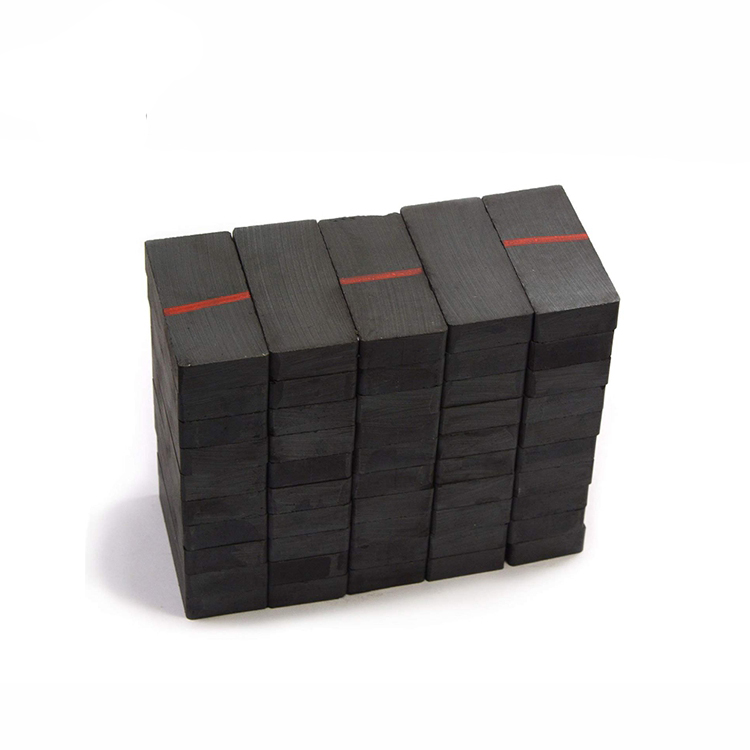
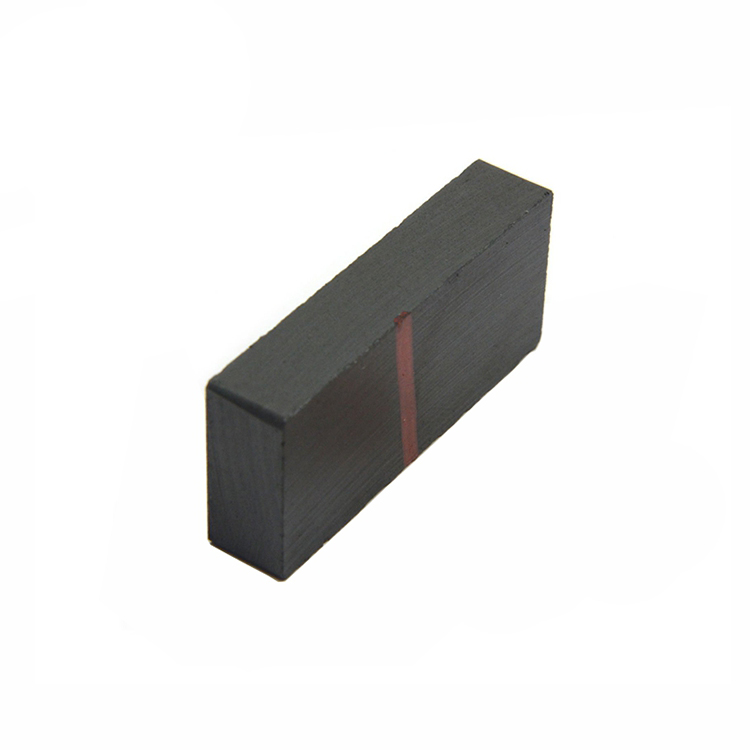
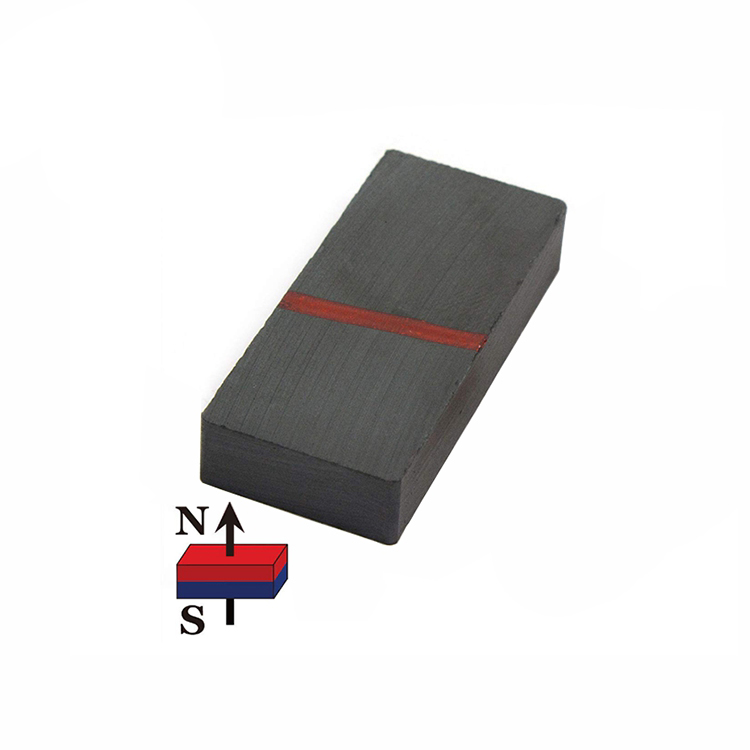
Compared to most other permanent magnet kinds, the main raw elements used to make ferrite magnets are quite affordable. As a result, they are ideal for large volume manufacturing runs. Because of their exceptional ability to resist electrical shielding, these magnets are also known as ceramic magnets. Ferrite magnets are excellent in moist, marine, or humid settings and have a high resilience to corrosion and demagnetization.
Here are some of the study’s main conclusions:
Strontium and barium ferrite magnets are the two types of persistent ferrite magnets that are available.
Due to their greater magnetic qualities, Strontium Ferrite magnets are the most frequently produced.
Automobile, sensor, machine, aerospace, military, advertising, electrical/electronic, academic, design house, etc. are just a few of the sectors that use ferrite magnets.
Right now, China is the world’s biggest user and producer of ferrite magnets.
Manufacturers of magnets as well as their end consumers, such as producers of electric transformers, inductors, and industrial/electronic products, are attracted to China because of its affordable labor and abundant raw materials. The United States, Japan, China, etc. are some other important marketplaces for ferrite magnets.
The study covers everything from a broad market summary to minute specifics about industry performance, necessary processing and production steps, project costs, financing, and economics, as well as anticipated returns on investment and profit margins.
Entrepreneurs, investors, researchers, advisors, business strategists, and anyone else with an interest in the ferrite magnet sector should study this paper.
The most popular type of magnet is strontium ferrite (SrFe12O19), also referred to as a ceramic magnet. Approximately 90% iron oxide and 10% strontium carbonate make up each ferrite magnet.
Price increases for strontium carbonate began in June 2021 and reached a high of 22,250 CNY/MT in July 2021. For the first time since April 2021, the price has declined below 10,000 by January 2023, when it has returned to 9,500 CNY/MT.
The highest price for ferrite oxide was 4,050 CNY/MT in May 2022. Since then, prices have decreased and are now roughly equal at 3,580.
Changes in Ferrite Prices
Cost of Strontium Ferrite Magnets
Switches, electric motors, telephones, and electronics are just a few of the various uses for strontium ferrite (SrFe12O19) magnets. The strong magnet component of strontium hexaferrite has a high
owing to the magnetocrystalline anisotropy’s coercivity. The substance is perfect for a wide variety of uses due to its resilience to corrosion and demagnetization as well as its ability to function in temps up to 300°C.
Strontium is produced from celestite, with China providing 50% [data pertains to 2014] of the world’s supply. The extraction of the ore has been hampered by production problems, creating a worldwide scarcity. Due to the COVID-19 pandemic, other manufacturers in nations like Spain (26%) and Mexico (20%) have also encountered output problems.
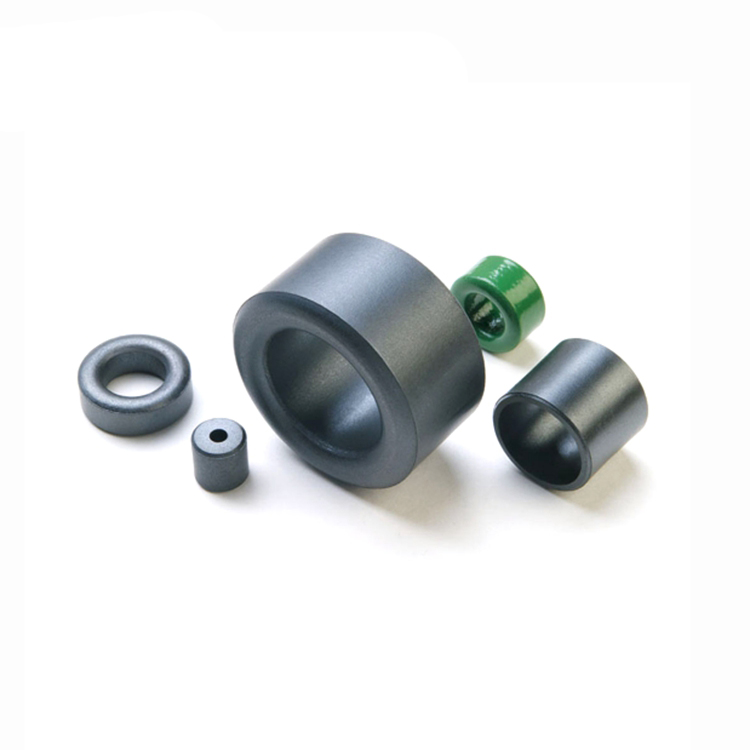
Block with Strontium Ferrite Countersunk Holes
Countersunk Strontium Ferrite Ring Magnets
Iron scale that peels off steel during production is the source of ferric oxide, which is used to make ferrite magnets. This iron plate is treated once more to
the appropriate standard for ferrite magnets. Given that China accounts for 60% of worldwide output of both ferrite magnets and ferrite oxide, changes in policy like reduced steel production have an effect on the availability and consequently the cost of the ferrite oxide.
Strontium Ferrite Magnets: A Variety Relevant Technical Content
Prices of Neodymium Magnets: A Problem
Creation of Magnets and Magnetic Assemblies Bunting creates, produces, and sells a variety of magnets, magnet setters, magnetisers, and magnetic assemblies. Many are custom-made for particular uses. For more information on any of the items discussed in this piece, as well as for custom magnet designs and assemblies, please contact us.
Due to its high curie temperature, significant magnetocrystalline anisotropy, cost-effectiveness, and chemical durability, the strontium permanent ferrite SrFe12O9 (SFO) is used extensively in automobiles and home products [1-3].
The rare earth metal compounds, particularly neodymium, are used to create the high-performance permanent magnet [4,5]. However, the costs of rare earth metals have been rising rapidly as a result of their growing scarcity. Since the 1970s, ferrite magnets have dominated over metal magnets because they are both inexpensive and simpler to manufacture.
Permanent ferrite, or more specifically hard ferrite, is typically divided into cemented magnets and sintered magnets. The high coercivity (Hc) cemented magnet is appropriate for some specialized uses, including such as a permanent magnet synchronous motor, which needs strong demagnetization resistance. Permanent ferrite will gain in popularity due to the rising demand for electric vehicle motors and wind turbine generators on a worldwide scale. Permanent ferrites can be made using a variety of techniques, including sol-gel [6–10], hydrothermal synthesis [11–12], co-precipitation [13–14], liquid salt [15–17], and traditional ceramic processes [15–17]. Due to its simple operation, cheap expense, and high output capability, the conventional ceramic process produces the majority of permanent ferrites in industry.
Iron oxide red and iron scale make up the majority of the raw iron oxide components in permanent ferrites. Since the latter is more suitable for low-grade ferrite manufacturing, the former is typically used for mid- and high-grade ferrite goods.
damaging alloying components like iron Due to stricter environmental regulations, there is a current output cap on iron oxide red, which drives up the price due to a lack of availability [18,19]. In the meantime, the iron element of iron scale is recovered by adding it to liquid steel. Iron scale is a type of residue from steel rolling that can be used as a cooling agent for converter steelmaking or as an oxidizing agent for electric furnace steelmaking. Due to internal consumption, there has been a decrease in the availability of iron scale from iron and steel factories in recent years, particularly the high-quality iron scale (TFe > 73%) needed to produce permanent ferrite.
You can get the high-pure magnetite concentrate (HPMC) from the
With the benefits of no pollution and low energy usage, magnetite concentrate, a type of bulk product used as the raw material for producing iron, is obtained by easy magnetic separation [20]. HPMC is produced in an economical and sustainable manner as a result. Furthermore, HPMC can be consistently made in large quantities in China, which is advantageous for its use in the permanent ferrite industry. High-class magnetite deposits are abundant in Anhui, Sichuan Province, and other parts of the country.
In order to substitute the traditional raw materials red iron oxide and iron scale, which have issues with scarcity and high cost, permanent ferrite manufacturing may benefit from using HPMC. A small number of scholars have claimed that HPMC could be employed in the manufacture of low grade permanent ferrite These works haven’t, however, been thoroughly and methodically put into practice. This study utilized HPMC to create magnetic material in a methodical manner. On the performance of magnetic powders, the impacts of the average particle size of the ground HPMC, the molar ratio of Fe2O3/SrO on the composition, and the pre-oxidation procedure were examined. Investigations were done into how the calcination temperature and rest time affected the magnetic powder’s micromorphology and particle size. Additionally, the individual HPMC-prepared ferrite magnets and iron waste were contrasted in terms of their overall magnetic capabilities. A preliminary study of the expense and advantage of this preparation procedure was done in the concluding section. The findings of this research are useful for replacing iron.
Lowgrade ferrite magnetic powder, which is commonly used in modest household uses, can be produced at volume with HPMC. In our upcoming research, we’ll introduce the use of HPMC in lieu of red iron oxide to create mid- or even high-grade ferrite magnetic powders.
Experiments 2.
Ingredients and chemicals
The study’s use of ash-black HPMC material (Figure 1(a)) comes from Chuanwei Group Mining Co., Ltd in the Chinese region of Sichuan. The major molecular components of HPMC are shown in Table 1, where the amounts of total iron, silicon dioxide, and aluminum sesquioxide are, respectively, 71.46%, 0.35%, and 0.23%. The purity of HPMC in this research is estimated to be 98.8% based on the chemical formula of Fe3O4, and the iron percentage of perfect magnetite is 72.36%.
According to Figure 1’s XRD analysis, magnetite is the main element in HPMC (b). All of the chemicals used here, such as SrCO3, SiO2, H3BO3, CaCO3, and Al2O3, are of laboratory quality.
Preliminary design and execution, section
The traditional clay method used in this research to create the permanent ferrite is depicted in Figure 2. HPMC was wet-ground and completely dried at the outset of the first segment. According to the stoichiometric equation SrOnFe2O3, where n was the molar ratio of Fe2 O3 to SrO and roughly equivalent to 6.0, the weights of the HPMC and strontium carbonate were calculated. A 100 rpm angular velocity was used to feed the initial powder combination into the planetary grinding mill, and the mass ratio of the balls to the powder and water.
The powdered combination was dried in an oven at 110°C for 24 hours before being pressed at a weight of 2000 N to form cylindrical briquettes with a diameter of 8 mm and a height of 10 mm. The compacted briquettes were pre-oxidized, calcined, and cooled in the muffle furnace under an atmosphere of air for a predetermined amount of time. The muffle furnace was outfitted with an air compressor to boost oxygen delivery. The magnetic powder of strontium hexaferrite was produced after grinding. In the second step, the magnetic material was passed through a 120-mesh filter before being wet-milled in a planetary grinding mill for 110 minutes at an angular motion of 300 rpm with sintering aids like CaCO3, SiO2, Al2 O3, H3BO3, and others.
Water, flour, and ball mass ratio was 14:1:2. After being drained, the finely ground liquid with an average particle size of about 0.8 m was compressed into disk-shaped compacts with a 30 mm diameter and 15 mm thickness. Compacting took place at a pressure of 100 MPa.
and 8000Gs of induced magnetic field, with the pressure vector aligned to the magnetic field direction.
The green compact was fused in a muffle furnace and subsequently chilled in an air-filled furnace. Finally, the ferrite magnet was attained after refining and testing.