Ferrites are one of the less electrically conductive or non-conductive iron oxide minerals, which explains why they are not frequently employed in the electronics industry. But they are employed, for instance, in the creation of loudspeakers.
Exactly how are ferrite magnets made?
There are various processes involved in the ferrite magnet production process. The process begins with the raw materials being crushed into a fine powder, such as iron-oxygen complexes.
The powder is then combined, dried, and heated to 1,000 °C before being pressed into the form of a raw magnet. The ferrite blank, however, does not become magnetic until it has through the so-called sintering process. In this technique, the components of the powder are heated and fused together. The blanks are then polished, ground, and magnetized. The magnetic force of the metallic components in the blank is directed into the so-called preferred orientation by an external magnet.
The ferrite magnets can now be processed further once this procedure has been repeated.
Which is superior between neodymium and ferrite magnets?
There are benefits and drawbacks to both ferrite and neodymium magnets. Our neodymium super magnets are superior than ferrite counterparts in terms of holding force or stickiness. Neodymium, on the other hand, is prone to corrosion, but ferrite is remarkably moisture resistant.
Barium Ferrite Magnets for Sale
Therefore, the two types of magnets are appropriate for quite distinct application areas.
Are ferrite magnets OK for use outside?
You may easily utilize ferrite magnets outside since they are heat- and moisture-resistant, won’t corrode, and are durable. If you purchase ferrite magnets, you might use them as holding magnets, for instance, for garden gates.
Permanent magnets are ferrite magnets, right?
Materials that emit magnetic force continuously are known as permanent magnets. There are three distinct kinds of magnets.
Iron-oxide magnets
Nd:YAG magnets
Barium and Strontium Magnetic Ferrite Powder
The least powerful magnetic substance is ferrite, which is also quite durable. On the other side, neodymium magnets have the strongest magnetic or adhesive forces but are quite corrosive. AlNiCo magnets are created using different alloys of cobalt, nickel, and aluminum. Despite their high heat and corrosion resistance and low coercivity, they are easily demagnetized.
In 1930, Yogoro Kato and Takeshi Takei of the Tokyo Institute of Technology created the first ferrite compounds. The TDK Corporation was established to produce the newly found material five years after its first discovery.
Ferrite Magnets Come in Two Different Types.
Ferrites are commonly referred to be ceramic magnets, and this is accurate. However, there are still two distinct sorts of magnets in this group, regardless of whether you name them ferrite magnets or ceramic magnets. Barium ferrite, which was the first kind of ferrite magnet to be found, is the first kind of ferrite magnet. The second type of ferrite magnet is strontium ferrite, which was created after barium ferrite and is currently the most popular since it has the best performance and qualities.
By Accident, Barium Ferrite Magnets Were Found
Speaking about barium ferrite, did you know that it was initially stumbled upon? A lab assistant made a mistake while preparing a sample of hexagonal lanthanum ferrite in 1950 at the Phillips Natuurkundig Laboratorium for study into the material’s potential use as a semiconductor material. The discovery that the resultant substance was magnetic shocked the study team. They gave the newly found barium hexaferrite material to the lab’s magnetic research group after utilizing X-ray crystallography to check the material’s characteristics. The inexpensive cost and high performance of barium hexaferrite made it popular right away. Ten years later, Phillips created strontium hexaferrite, which gained market dominance due to its superior qualities than barium hexaferrite.
What Makes Them Ceramic Magnets?
Due to similarities in their production processes, ferrite magnets are occasionally referred to as ceramic magnets. If you’ve ever taken a pottery lesson, you’ll be familiar with the fact that the ultimate stage in creating a ceramic object is to fire it—that is, subject it to extremely high heat—in a kiln. Sintering is the term used to describe the process of creating a ferrite magnet. The magnetic substance is heated to a temperature of around 2,000°F in this phase.
There Are Several Uses for Ferrite Magnets
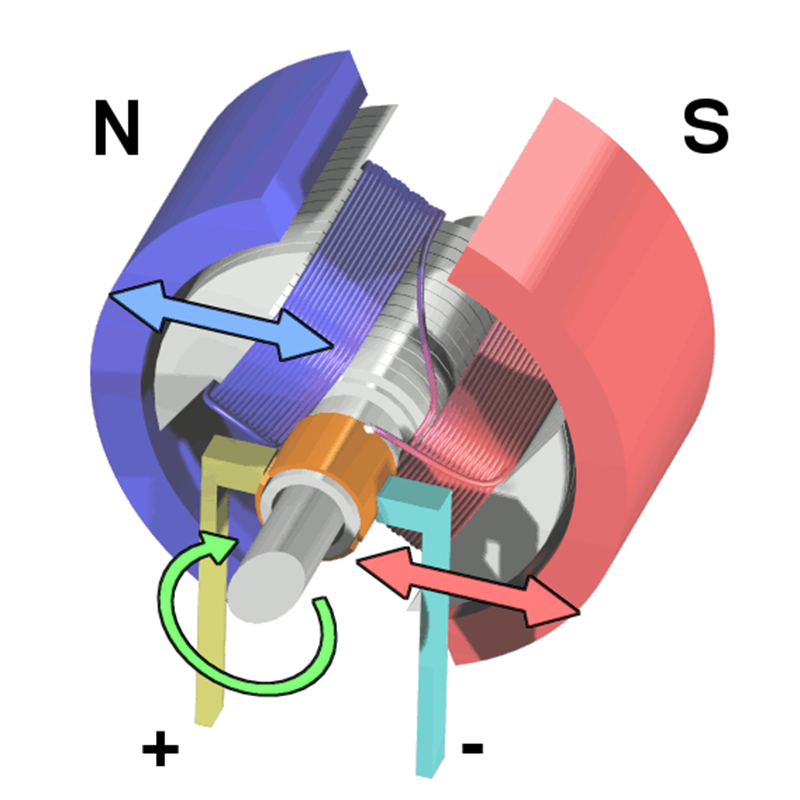
Ferrite magnets are utilized in a wide range of products, such as DC motors, meters, generators, automobile sensors, and loudspeakers and telephones.
For permanent magnets, barium ferrite is a potential ceramic material. It excludes materials that are rare and costly. It has a low density and a strong coercive force; components containing barium ferrite magnets offer good operational stability and maximal specific magnetic energy, particularly in anisotropic magnets.
It is critical to examine the following characteristics of barium ferrite magnets, which separate them from metallic magnets, for effective use.
Barium ferrite has a strong technological and economic impact in many permanent magnet components.
Ferrite magnets are the most affordable magnets for basic applications. They are, however, substantially weaker than neodymium magnets. They can endure temperatures of up to 250 °C, are rust-resistant, and may thus be used outside.
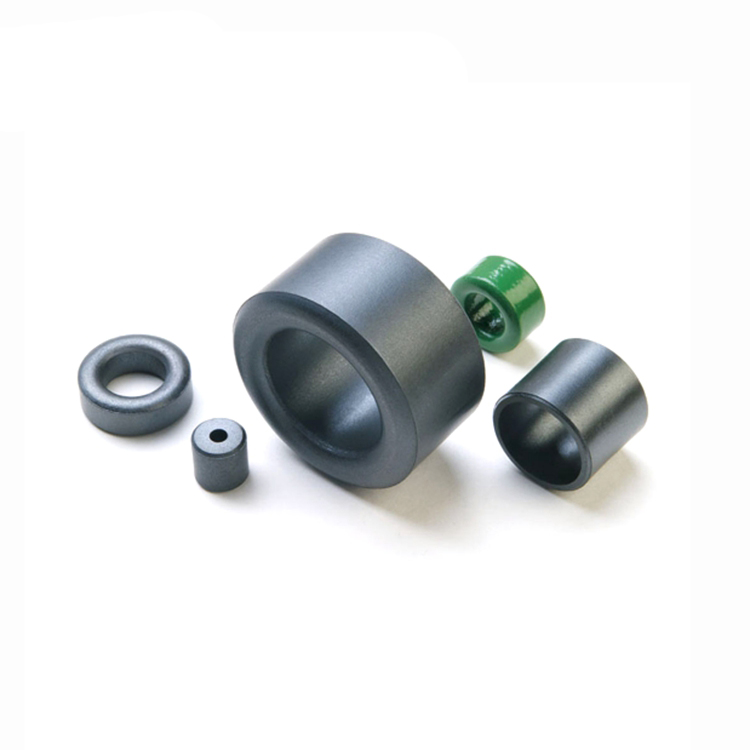
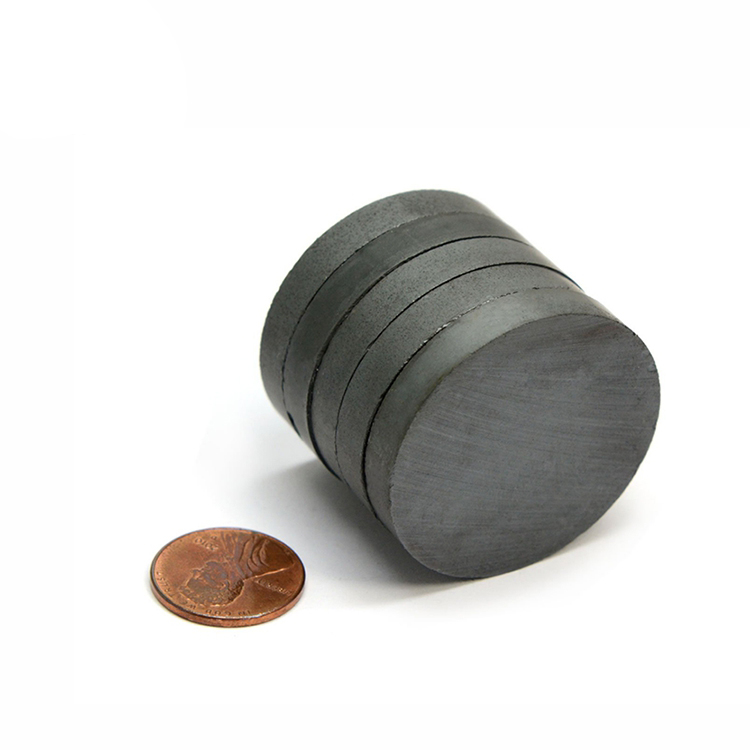
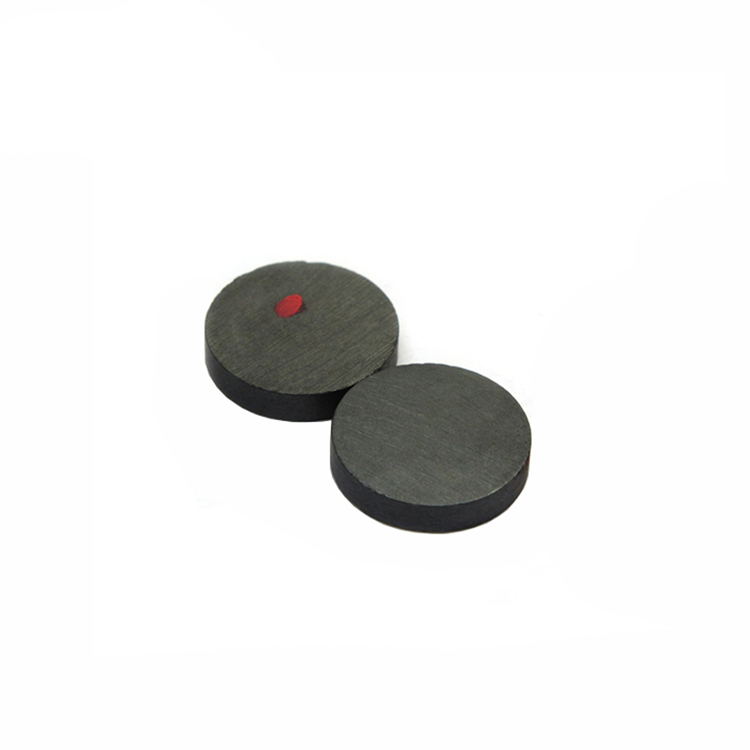
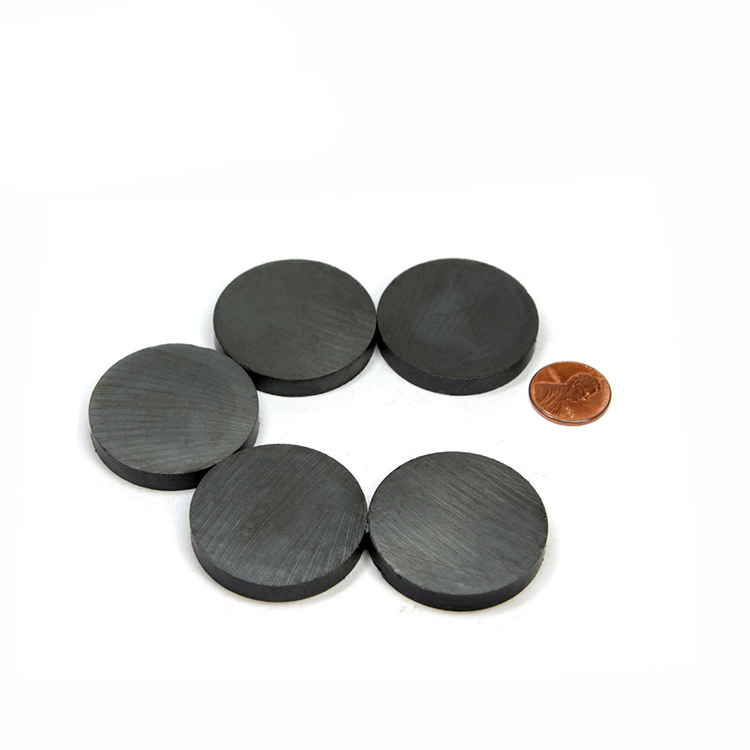
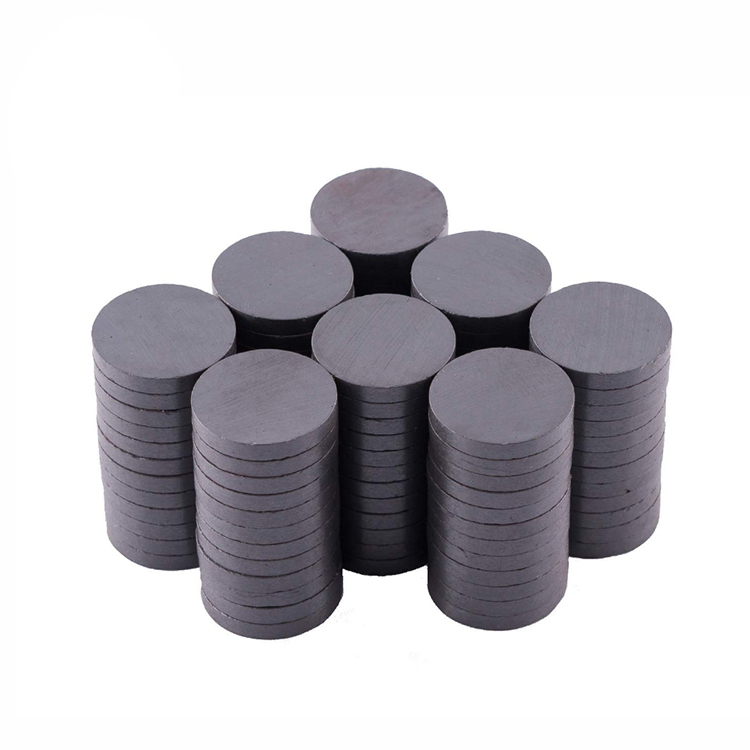
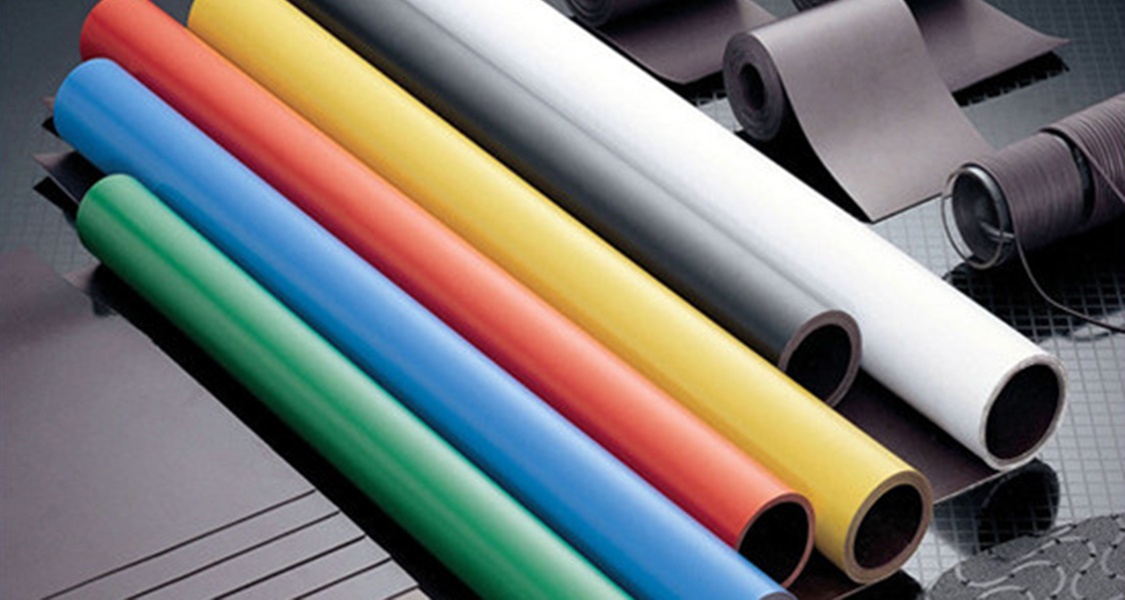
There are several sizes available in our collection, which is classified into ferrite ringmagnets, ferrite discmagnets, and ferrite blockmagnets. Our ceramic hard ferrite magnets are extremely hard and brittle.
Ferrite permanent magnets are oxides rather than metal alloys. It is created by calcining strontium carbonate or barium carbonate with iron oxide. Inside high-performance ferrite magnets are trace quantities of rare metal oxides like lanthanum oxide and cobalt oxide.
Magnets formed from strontium carbonate and iron oxide are referred to as strontium ferrites, whereas magnets manufactured from barium carbonate and iron oxide are referred to as barium ferrites.
In general, the raw material of iron oxide will contain some chloride ions, and the chloride ions and barium carbonate will react chemically to generate barium chloride (BaCl), which is a soluble barium salt that has been medically proven to be hazardous to the human body. As a result, ferrite is regarded a mildly hazardous substance, and many people advise against using it. Strontium ferrite then became the dominant magnetic material in use today.
However, when the need for ferrite magnets grows, the supply of strontium carbonate raw materials exceeds the demand, causing the price to rise. Strontium ferrite is now substantially more expensive than barium ferrite. The pricing has caused great concern among several ferrite magnet makers and distributors.
NEWLIFE discovered a remedy to barium ferrite toxicity by investigating the source of the toxicity. Ferrite is regarded a minimally hazardous substance because it includes soluble barium ions, and if the barium ions are converted into insoluble barium salts, barium is no longer poisonous. For example, the “barium meal” commonly used in hospitals for gastroscopy is really barium sulfate, which the patient drinks into the stomach to make the picture sharper during gastroscopy.
NEWLIFE’s barium ferrite powder is a safe and ecologically friendly substance that has passed several tests including Rohs and EN71, phthalates, and so on.
NEWLIFE has created a safe barium ferrite powder substance.