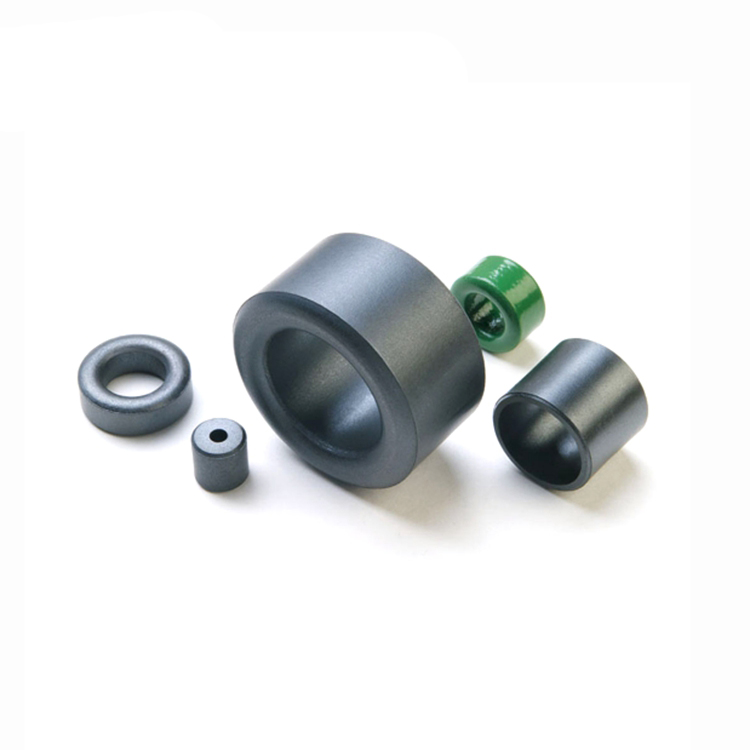
In contrast to commonly used metal plating or chemical conversion coating, the epoxy coating on neodymium magnets is made of an organic component. In order to provide isolation and protection, coating protection refers to the application of coating material to create a thick layer on the surface of the workpiece.
There are two types of coating protection: organic and inorganic. For organic coating, resins are dissolved in a solvent and then applied to the workpiece using various painting techniques. Physical or chemical reactions will cause an organic compound to cure, forming a thick layer on the workpiece’s surface. The majority of organic coatings and related painting techniques may be used to protect the surface of Colored Epoxy Neodymium Magnets because organic coating protection has relatively low matrix requirements.
Colored Epoxy Neodymium Magnets No. 1. Neodymium Magnet Electrophoretic Epoxy Coating
For Colored Epoxy Neodymium Magnets, epoxy coating is also a common surface treatment technique, particularly for electrophoretic epoxy coating. When charged colloidal particles in a conductive dispersion media travel in the opposite direction to opposing electrodes under the influence of an external electric field, this process is referred to as electrophoresis.
In order to create charged organic molecules securely adsorbed on the magnet surface, electrophoretic coating simply takes use of this property. After curing, the molecules form a continuous and dense layer. Superior binding force, consistent thickness, salt fog resistance, acid resistance, and alkali resistance are all features of electrophoretic Colored Epoxy Neodymium Magnets. Colored Epoxy Neodymium Magnets with electrophoretic epoxy coating have little resistance to dampness, however.
Colored Epoxy ネオジム磁石 with electrophoretic epoxy coating has poor resistance to dampness. Epoxy coating for sintered Neodymium magnets is typically carried out using either nickel- or zinc-plated Neodymium magnets.
This is akin to adding another organic layer to further reduce exposure to environmental influences. The two most popular hues for epoxy-coated Neodymium magnets are black and gray.
Ring magnets with nickel-plated epoxy coating should not be used outside because they cannot withstand humid conditions, which can cause the magnet components to corrode. Users must look for magnetic solutions in these circumstances that may be used outside.
The barrier provided by the black epoxy resin coating is excellent against salt air and water. Due to their superior moisture resistance and corrosion resistance, neodymium magnets coated with epoxy are perfect for outdoor and humid locations.
Colored Epoxy Neodymium Magnets is a better option for outdoor applications with NdFeB magnets than the three-layer NiCuNi coating because it is more durable and slip-resistant.
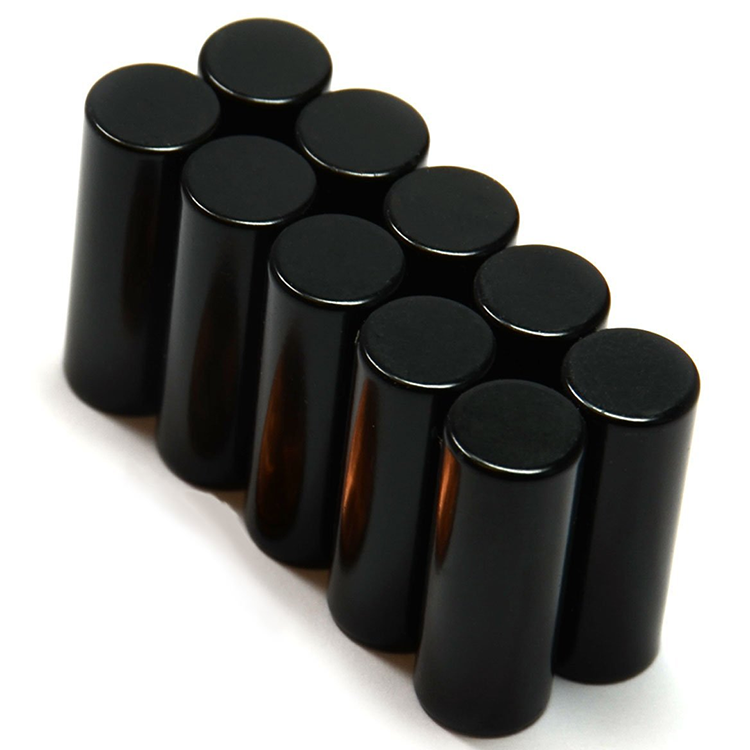
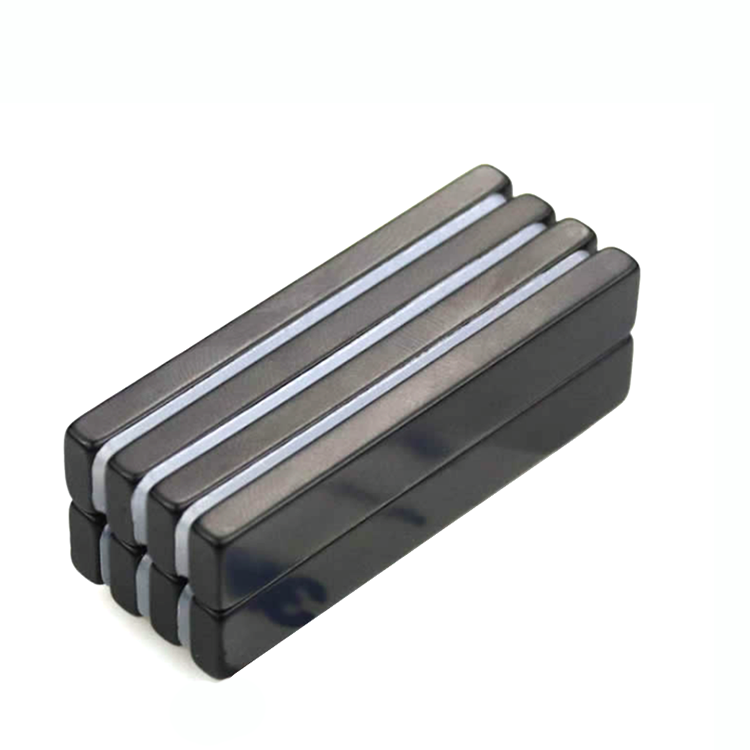
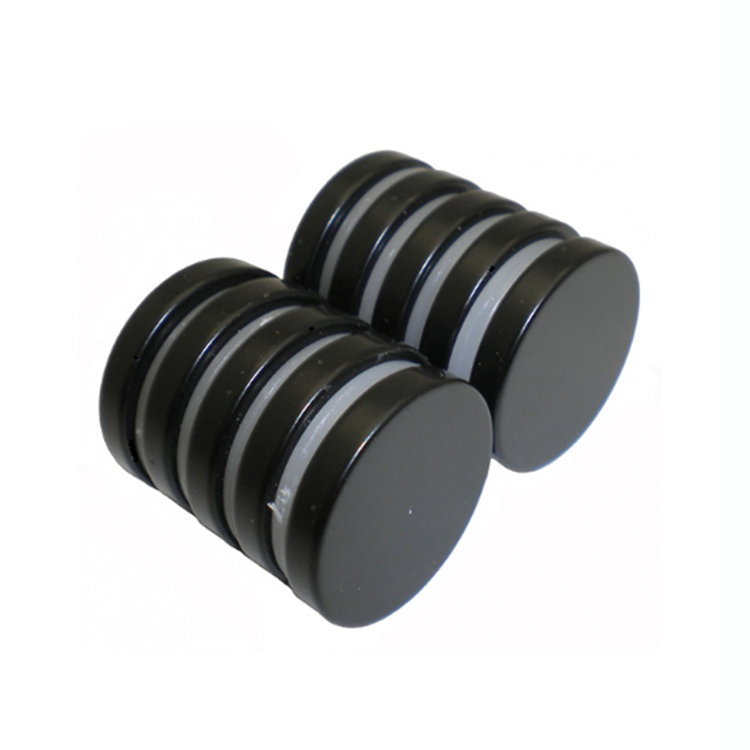
Colored Epoxy Neodymium Magnets with epoxy coating often have a smooth, black look; these magnets are known as black epoxy magnets. However, these magnets also have a white shine.
The epoxy coated surface of a countersunk magnet, however, is easily damaged and needs to be handled carefully during construction. Magnetic glue can be used to adhere epoxy-coated disc magnets to various surfaces.
One of the key sectors that frequently uses epoxy magnets is the maritime industry. Neodymium magnets with epoxy coatings are employed in a number of storage and security applications inside and outside of ships.
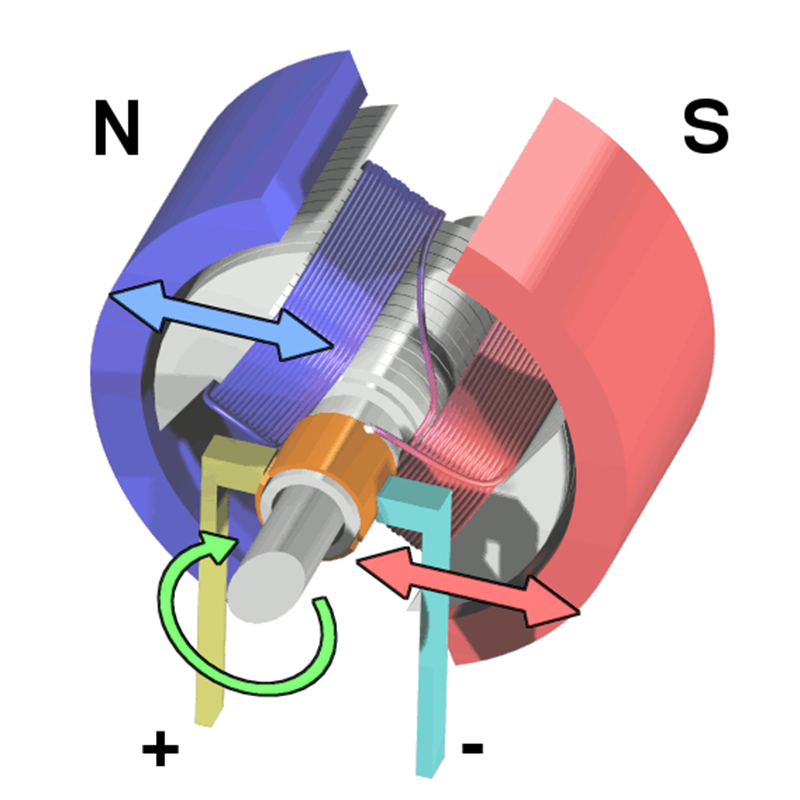
Motors, sensors, and automotive accessories all employ epoxy coated rare earth neodymium magnets. When used in these applications, neodymium magnets can survive any moisture that may be present.
Send us an offer request if you need to purchase powerful epoxy coated block magnets!
Features of Epoxy Neodymium Magnets
Colored Epoxy Neodymium Magnets are often nickel- or zinc-plated.
Spray epoxy and electrophoretic epoxy are two types of epoxy coating. Strong adhesion, homogeneous thickness, resistance to acid and alkali as well as salt spray, are all characteristics of electrophoretic epoxy coatings.
Colored Epoxy Neodymium Magnets with electrophoretic epoxy coatings have surface-mounted hanging locations. The most popular color for epoxy-coated rare earth neodymium magnets is black. Neodymium magnets coated with epoxy lack suspension points but have poor luster.
The needs of neodymium magnets for surface protection can be most effectively met by multiple spraying.
Colored Epoxy Neodymium Magnets have excellent resistance to moisture, humidity and submersion. We are often contacted by customers looking for a magnetic solution for outdoor applications.
The standard Nickel coated Neodymium magnets are not well equipped to withstand humid conditions. The Nickel coating will eventually succumb to the elements and the magnetic material will corrode.
Neodymium, with the chemical symbol Nd, is the 60th element on the periodic table. It belongs to the Lanthanides class and is a rare earth metal. The resulting magnets, with the chemical formula Nd14Fe21B, are the strongest ones currently on the market when combined with iron (Fe) and boron (B). Neo, Neod, and NIB magnets are other names for neodymium magnets.
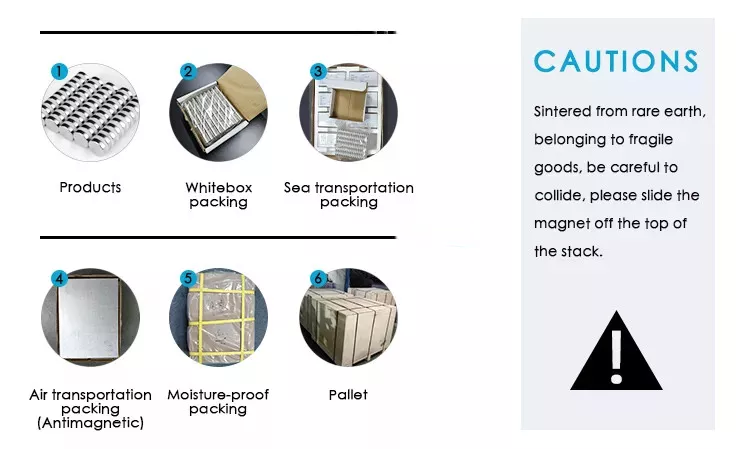
To stop the iron in Colored Epoxy Neodymium Magnetss from rusting, nickel-copper-nickel coating is often used. The substance used to create neodymium magnets is fragile. These magnets lack steel’s tensile strength. They resemble fragile earthenware more closely. Two magnets can crack and break if you let them crash into each other. For both big and tiny magnets, this is true.
These Colored Epoxy Neodymium Magnets should only be handled with extreme caution because of their strength. Due to its potential risk, neodymium magnets shouldn’t be handled by kids. They are not toys, these magnets. Small magnets should never be eaten or introduced into any area of the body since they pose a choking hazard.
Avoid placing neodymium magnets next to someone wearing a pacemaker or other comparable medical equipment. The performance of such gadgets may be impacted by the intense magnetic fields.
Our Rare Earth Colored Epoxy Neodymium Magnets block magnets have the following applications: Joining anything to anything else requires a compromise or a transaction. Fabrications typically break apart at the seam. Costs do apply, as they do in all transactions and compromises. Attaching sharpened stone pieces to the ends of wooden spears was the first activity that required considerable concessions or transaction expenses.
You carried fewer spears since they were heavier and required longer to produce. The hunter would have to approach the animal at a closer range, increasing the likelihood that it would flee or engage in combat. A blunt wood rod would remain if the stone tip were to detach for any reason. useless for the remainder of the hunt or in the event that wounded prey retaliate. The hope stone tipped was used to cover these transactional charges.
Colored Epoxy Neodymium Magnets, the newest addition to the family of fasteners, are outperforming more conventional fasteners like bolts, screws, rivets, nails, and glue. There are several causes. However, one single term may adequately describe why magnets will soon be recognized as the world’s best fastening. Plastics.
Worldwide, plastics of every sort are becoming increasingly common in all sectors of industry and are produced in a variety of methods, including through 3D printing. Penetrative or adhesive fastening for plastic fabrications has too many compromises or transaction expenses. However, using a magnetic connection to attach has no drawbacks.
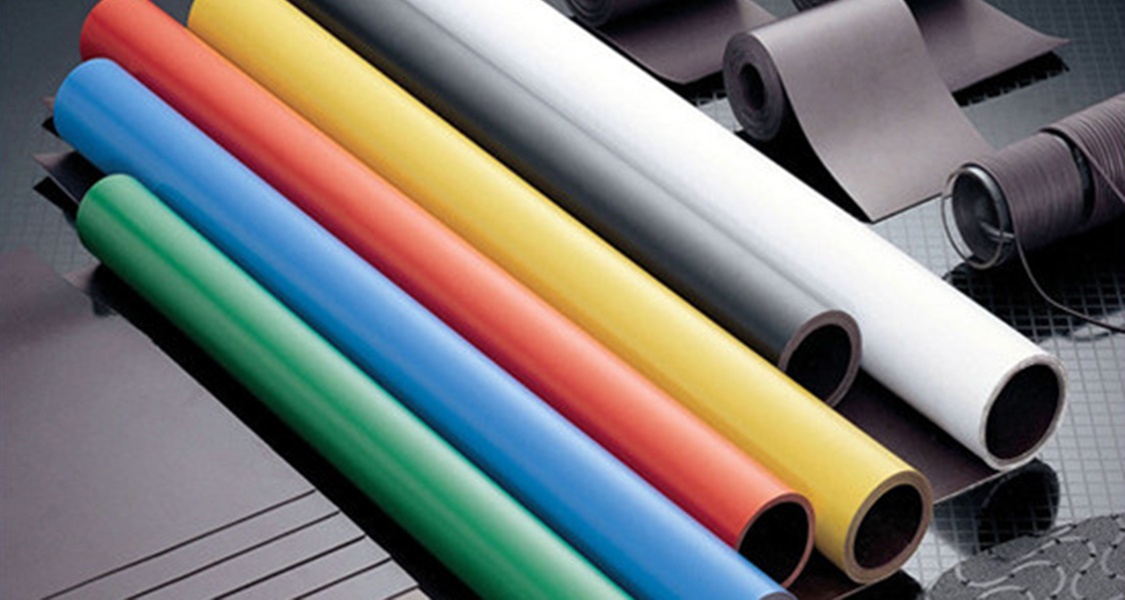
Colored Epoxy Neodymium Magnets master the new paradigm when they are fastened with magnetic tape or inserted into socket pockets of plastic fabrications (tools, toys, and television news desks).
frequently employed by design specialists in the education sector. an excellent all-purpose magnet with a variety of uses.
カラーエポキシネオジム磁石
Epoxy coating works well as a barrier against salt water and air. However, because it is readily scratched, care must be used when handling it during construction. With magnet-rated glue, epoxy adheres to steel quite well.
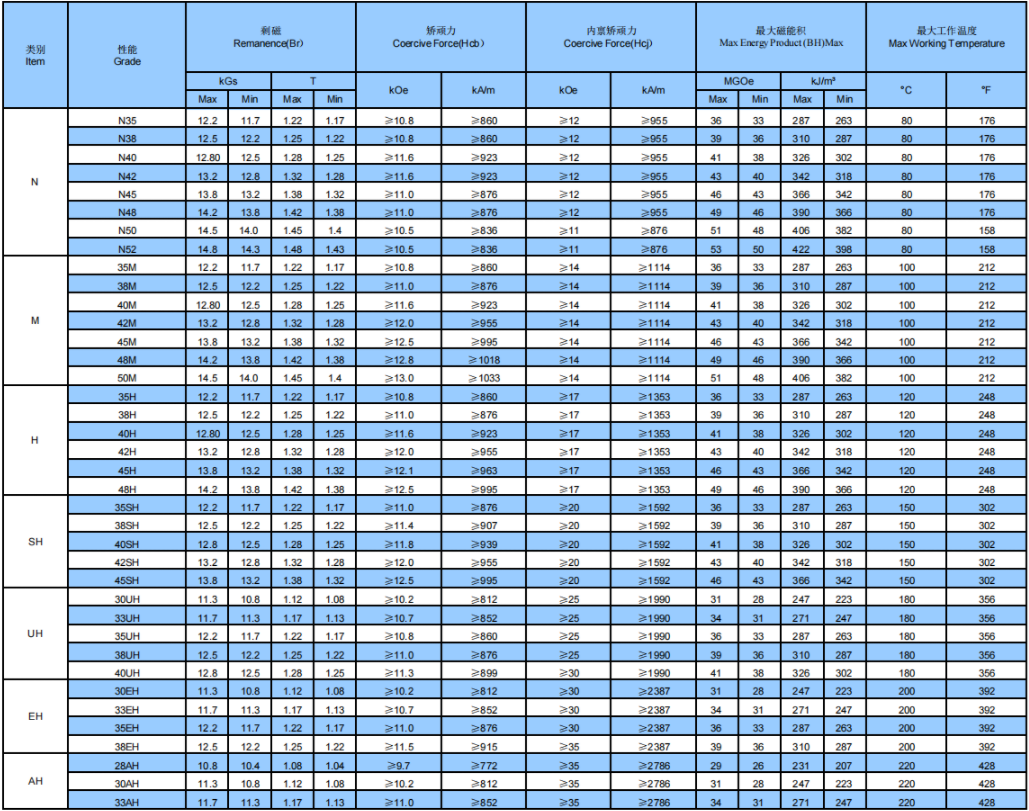
Around 15 to 30 microns thick is the usual coating thickness. About 200o C is the maximum working temperature. If you want to attach nickel-coated magnets to steel or plastic, you should use glue or epoxies made for magnets. Epoxy coating is mostly employed in the maritime, motor, sensors, consumer goods, and automotive sectors.
Colored Epoxy Neodymium Magnets with epoxy coatings are renowned for having high resisting qualities, particularly in challenging conditions. These genuine magnets are produced with better tolerance levels, durability, and magnetic performance stability, which is very important for outdoor use.
The majority of epoxy-coated magnets are actually shiny and black in appearance, yet they can also be white. Epoxy stands out among the neodymium coating alternatives because it provides a superior defense against corrosive substances like salt and water. It also has excellent magnetic adherence to steel.
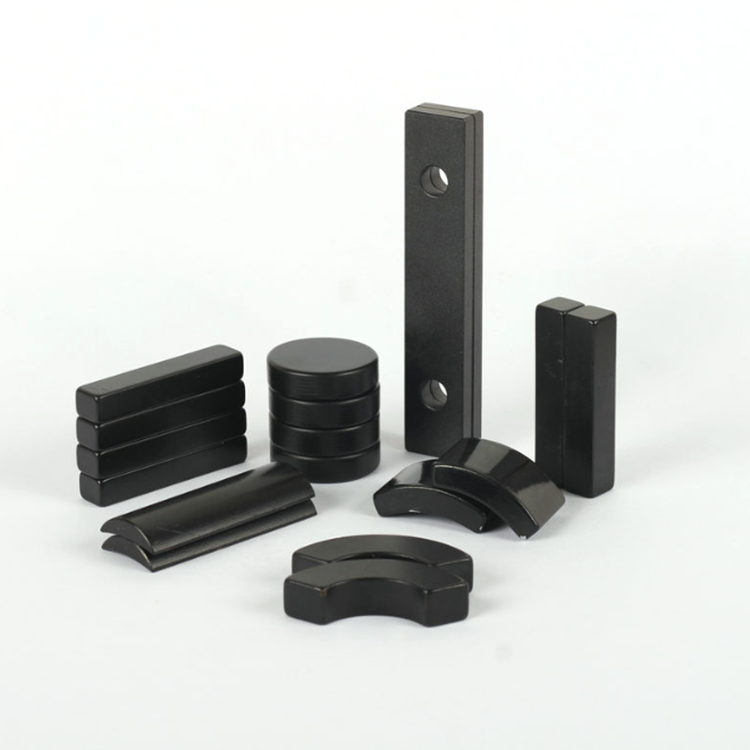
Dailymag provides a thorough remedy for all epoxy-coated magnets. Depending on the unique uses, different customisation is available in terms of sizes, forms, and specifications. Send us your detailed designs and questions right away!