



What Are Flexible Magnets?
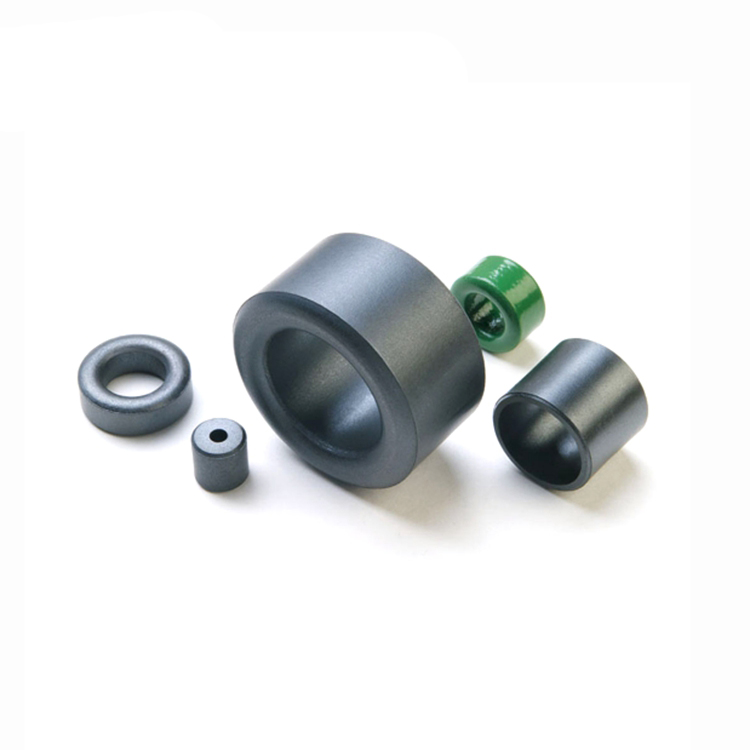
Flexible magnets are bendable, lightweight magnetic materials made by combining ferrite (iron oxide) powder with a flexible binder like rubber or plastic. These magnets can be easily cut, rolled, or shaped without breaking, making them ideal for a wide range of applications.

Characteristics of Flexible Magnets
? Bendable & Lightweight – Unlike rigid magnets, flexible magnets can conform to curved surfaces and are easy to handle.
? Weaker Magnetism – They are not as strong as neodymium or ceramic magnets because they use ferrite powder instead of solid metal.
? Multiple Magnetization Options – Can be magnetized in a striped pattern (multipole) for better adhesion.
? Customizable – Available in sheets, rolls, or strips that can be cut to size for different applications.
? Optional Adhesive or Printable Surface – Some versions come with self-adhesive backing or printable coatings for signs and displays.
How Does a Flexible Magnetic Sheet Work?
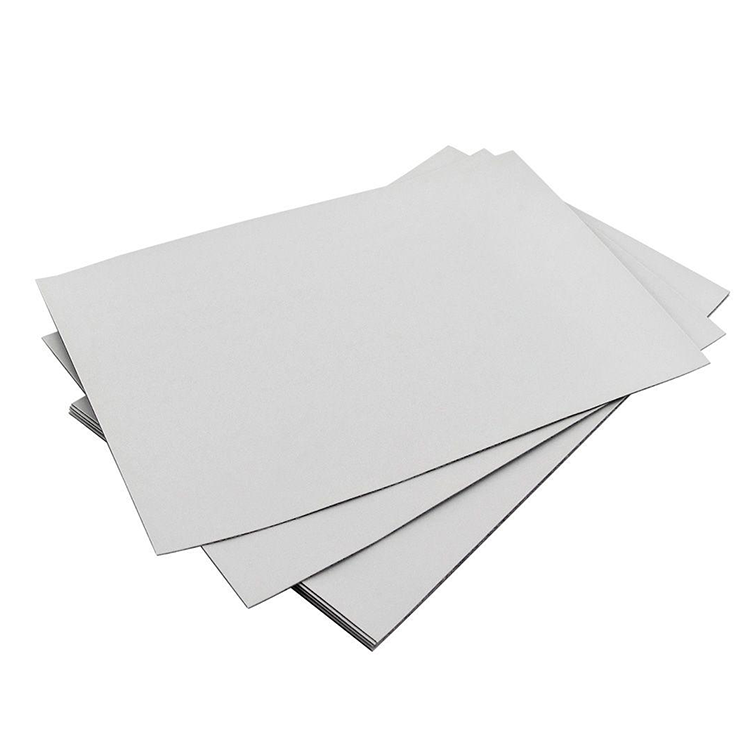
A flexible magnetic sheet is a thin, rubber-like material embedded with magnetic particles, allowing it to attract ferromagnetic materials like iron, steel, and other magnets. These sheets are commonly used for signage, crafts, and industrial applications where a lightweight, bendable, and easy-to-cut magnetic surface is needed.
How It Works
- Composition
Flexible magnetic sheets are made from a mixture of ferrite (iron oxide) powder and a flexible binder material such as rubber or plastic. This combination allows the sheet to retain magnetic properties while remaining flexible and durable.
- Magnetization Process
The sheets are magnetized in a specific pattern, usually in multiple poles (striped magnetization) on one side. This pattern enhances the magnetic holding force by concentrating the magnetic field at the surface.
- Attraction to Metal Surfaces
When placed against a metal surface (such as steel), the magnetized areas align with the surface’s atoms, creating a firm attraction.
- Cutting & Shaping
Unlike rigid magnets, flexible magnetic sheets can be easily cut, bent, or rolled without breaking, making them ideal for applications where custom shapes are required.
- Adhesive or Printable Surface
Some magnetic sheets come with a self-adhesive backing, allowing them to be stuck onto non-metal surfaces. Others have a printable surface for custom designs, making them perfect for signs and labels.

Applications of Flexible Magnetic Sheets
✅ Advertising & Signage – Magnetic car decals, business signs
✅ Education & Crafts – Whiteboard magnets, fridge magnets
✅ Industrial Uses – Magnetic labels, machine covers
✅ Retail & Packaging – Magnetic closures for boxes and displays
✅ Home & Office – Magnetic wall organization, calendar boards
Limitations of Flexible Magnetic Sheets
⚠️ Weaker Than Neodymium Magnets – Flexible sheets use ferrite magnets, which have lower strength.
⚠️ Works Best on Flat Metal Surfaces – Irregular or non-metal surfaces reduce effectiveness.
⚠️ Limited Temperature Resistance – Extreme heat can demagnetize the sheet over time.

Conclusion
Flexible magnetic sheets work by embedding ferrite particles into a flexible binder, allowing them to attract ferromagnetic surfaces while remaining lightweight and versatile. They are widely used in advertising, crafts, and industrial labeling, making them a practical solution for temporary and permanent magnetic applications.