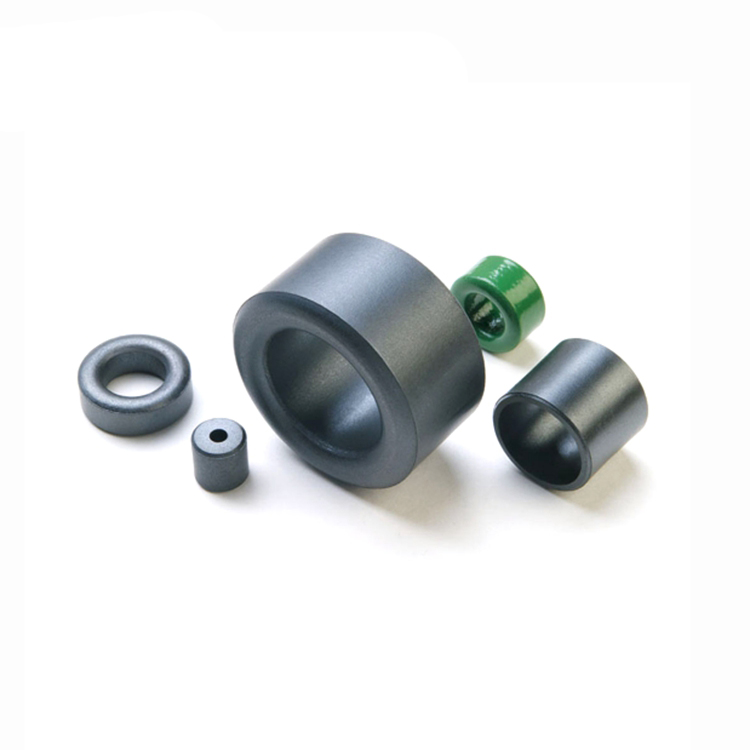
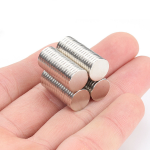
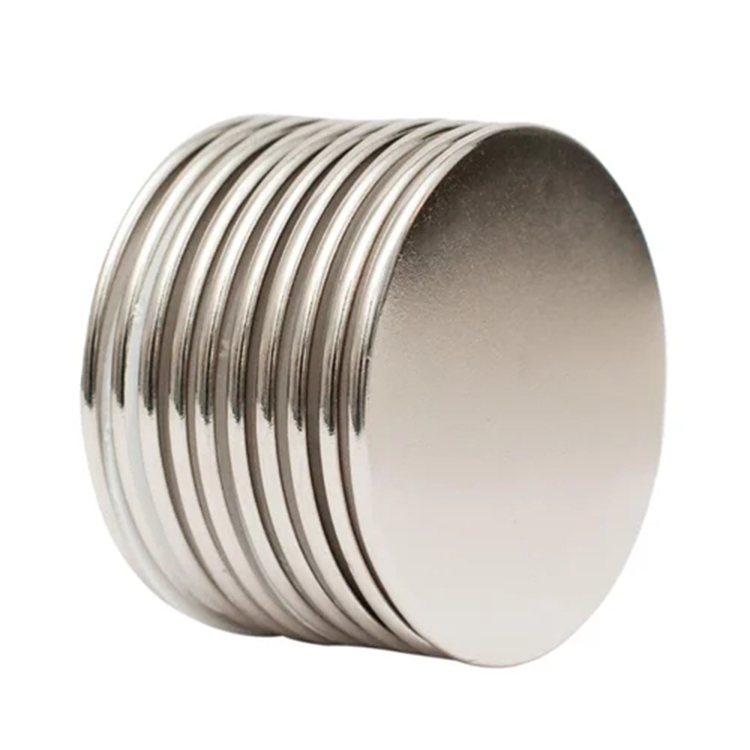
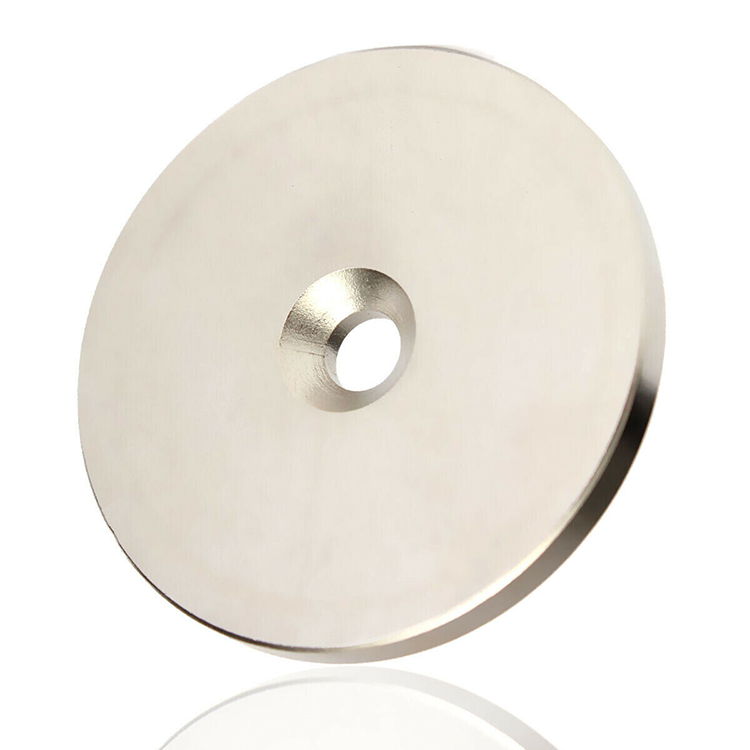
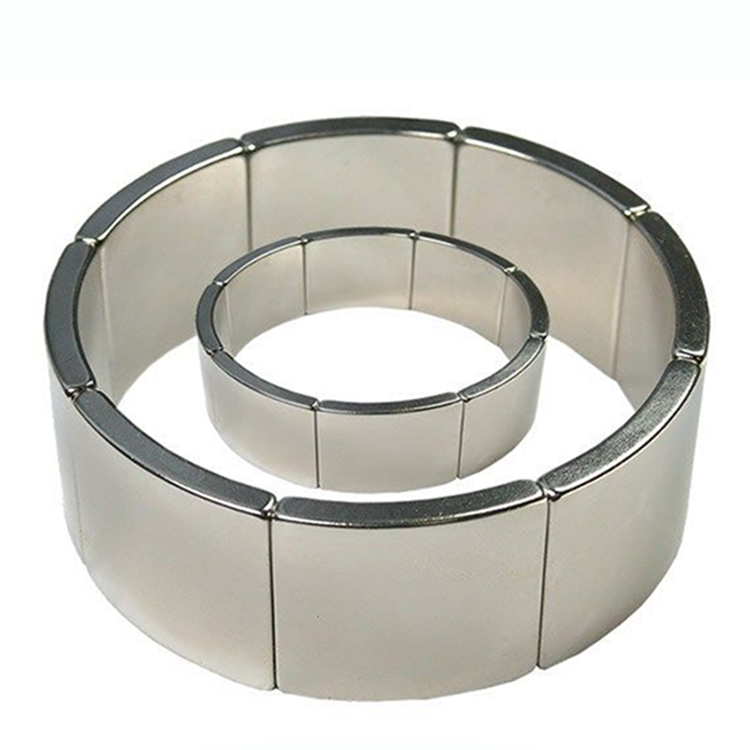
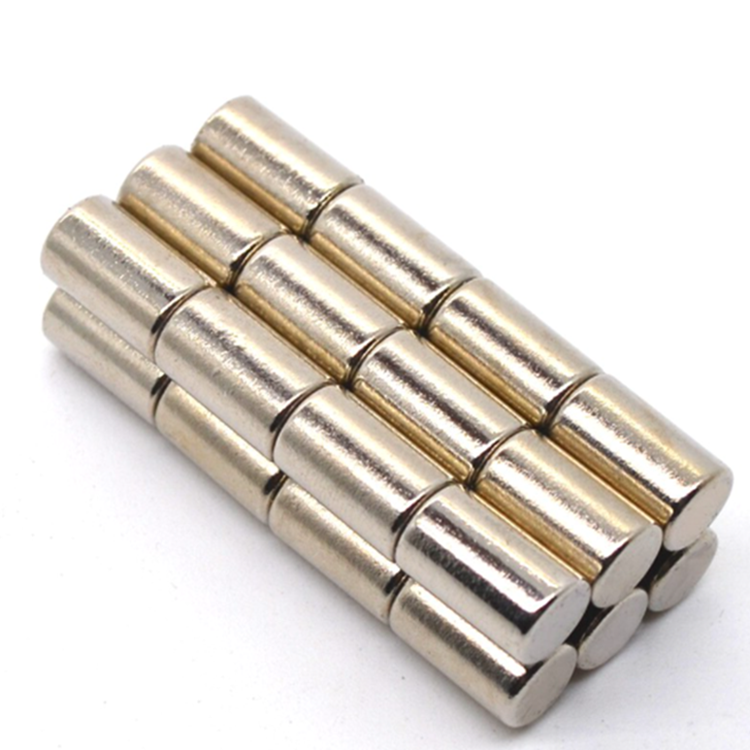
neodymium magnet manufacturer
1. Avoid using magnets next to other magnets
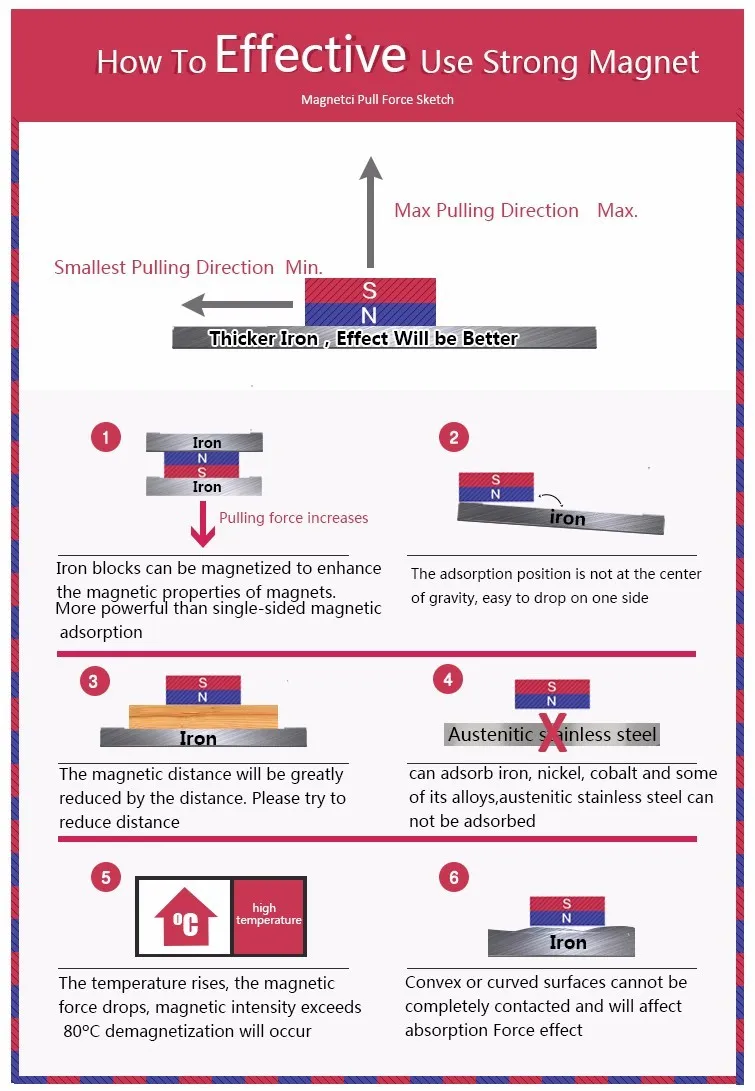
Strong NdFeB magnets may easily draw or repel other magnets due to their power. It’s critical to store magnets separately from other magnets in order to prevent damage or magnetism loss. Patients who are close to electronic medical equipment or who are carrying pacemakers or other devices shouldn’t be connected to powerful magnets.
2. Keep magnets in an atmosphere that is steady.
NdFeB magnets’ magnetic characteristics can be impacted by high humidity and temperatures. The magnets should be kept in a cool, dry location free of moisture and dust to maintain their strength and avoid corrosion. When using magnets, it’s crucial to maintain the surrounding area as clean as you can to prevent tiny pollutants like iron shavings from sticking to the magnet’s surface and compromising its function. Be cautious when using them since magnetic particles flying into the eyes might be harmful. When using magnets, it’s crucial to maintain the surrounding area as clean as you can to prevent tiny pollutants like iron shavings from sticking to the magnet’s surface and compromising its function.
When utilizing them, exercise caution since magnetic particles flying into the eyes might cause harm.
3. Store items in non-magnetic containers.
It’s crucial to stay away from utilizing magnetic containers or materials while storing NdFeB magnets. To keep the magnets safe and secure, use plastic or non-magnetic metal containers.
4. Carefully handle magnets
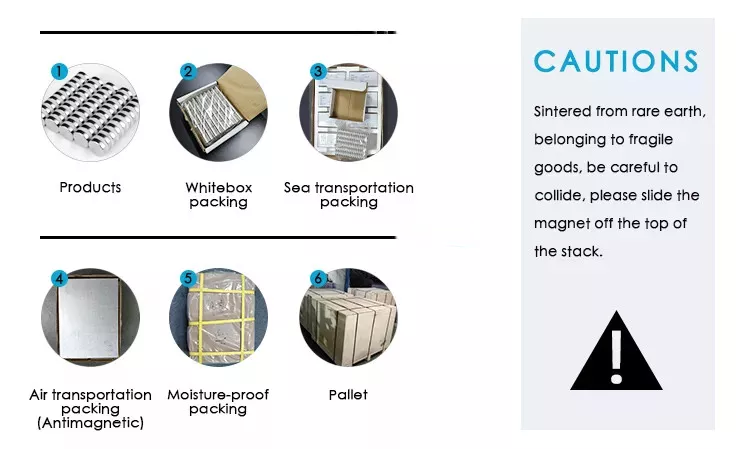
Because they are so fragile, NdFeB magnets are readily broken when dropped or bumped. Always handle magnets carefully and keep them away from abrupt impacts to prevent damage. Patients who are close to electronic medical equipment or who are carrying pacemakers or other devices shouldn’t be connected to powerful magnets. Avoid ingesting powerful magnets. If mistakenly eaten, seek immediate medical assistance. Keep powerful magnets out of children’s reach.
Neodymium magnet safety
You can help make sure that your NdFeB magnets stay in good condition and maintain their magnetic qualities for as long as possible by according to these straightforward storage recommendations.
The magnetic substance neodymium iron boron magnet, sometimes referred to as rare earth permanent magnet material, is created by preparing and sintering neodymium metal.
great remanence, great corrosion resistance, and a strong magnetic field are among the qualities of Nd-Fe-B. It is also capable of sustaining magnetism for a long period at high temperatures without oxygen. possesses great corrosion resistance, good chemical stability, and good thermal stability. The largest advantage of this device is the higher volume of magnets that may be charged (up to 100kg or more), and the negligibly small demagnetization field. As a result, it offers a wide range of potential applications in the realm of high magnetic fields.
China utilizes hundreds of thousands of tons of coal every year due to its numerous applications and extensive consumption. The production of this high-tech and very valuable new functional material, known as a “high-performance rare earth permanent magnet,” is now limited to a small number of nations.
It is known as neodymium iron boron because its major component, fe co, is an alloying element made of neodymium and iron. It is a high-performance permanent magnet that is widely utilized in the electrical sector, including servo motors, mechanical production, and instrumentation, including perfume bottles, lipsticks, and artificial teeth. Magnets are commonly employed in daily life. So how can you tell a magnet’s north and south poles apart? Here are some methods you may use to distinguish between them:
First method: using a compass
When a compass is placed close to a magnet, one end of the compass will be drawn to the south pole of the magnet, while the other end will point in the direction of the north pole.
Technique 2: Apply a little magnet
Bring the magnet that needs to distinguish between the north and south poles close to a small magnet that is mounted on a thread or set on a table; the south pole of the magnet will be drawn to the north pole of the small magnet, and the north pole of the magnet will be drawn to the south pole of the small magnet.
Technique 3: Water
The water will be “sucked” to the south end of the magnet when the north pole of the magnet is close to the north end of the glass of water and will not be attracted when the south pole of the magnet is close to the south end of the glass of water.
4. Employ iron wire.
If the two ends of the iron wire are drawn to one end of the magnet, that end is the magnet’s south pole; otherwise, that end is the magnet’s north pole.
It should be mentioned that the findings should be double-checked after using different test instruments with the magnet to assure accuracy.eyelashes…
A number of extremely sophisticated metallurgical techniques, including as powder metallurgy and advanced process metallurgy, are used in the complicated manufacturing process of neodymium iron boron magnets.
Neodymium, iron, and boron are chemical symbols that must be followed carefully in the production of neodymium magnets, commonly known as NdFeB.
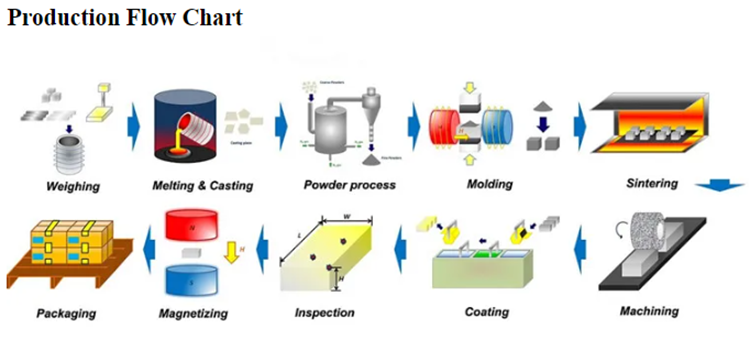
Here, we go into great depth on the numerous steps that go into making neodymium iron boron (NdFeB) magnets.
1. Raw material preparation: Neodymium, iron, and boron, the three raw materials needed to make NdFeB magnets, are obtained and prepared for use in the manufacturing process. To improve the end product’s magnetic characteristics, additional elements including dysprosium, praseodymium, and terbium may be included.
2. Powder mixing: To create a uniform powder combination, the basic components are mixed in a precise ratio. To make sure the powder particles are homogeneous in size and the blend is homogenous, the mixture is frequently milled or ground.
3. Pressing: To create a “green” magnet, the powder combination is next compressed under intense pressure. To produce a magnet with the required density and strength, the pressure and temperature utilized in this process are carefully regulated.
4. Sintering: To fuse the powder particles together and create a solid magnet, the green magnet is heated in a furnace to a high temperature, usually between 1000 and 1200 °C. The final magnetic characteristics of the magnet are established at the crucial production stage of sintering.
5. Machining: Using cutting tools like diamond blades or grinding wheels, the sintered magnet is frequently machined to its final form and size. By doing this, you can be confident that the magnet has the necessary dimensions and tolerances.
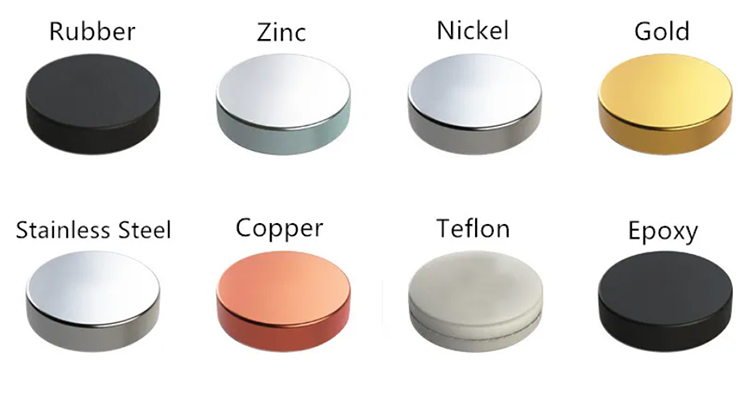
6. Surface treatment: NdFeB magnets are frequently coated with a protective coating, such as nickel or epoxy, to stop oxidation and deterioration because of their high iron content, which makes them susceptible to corrosion.
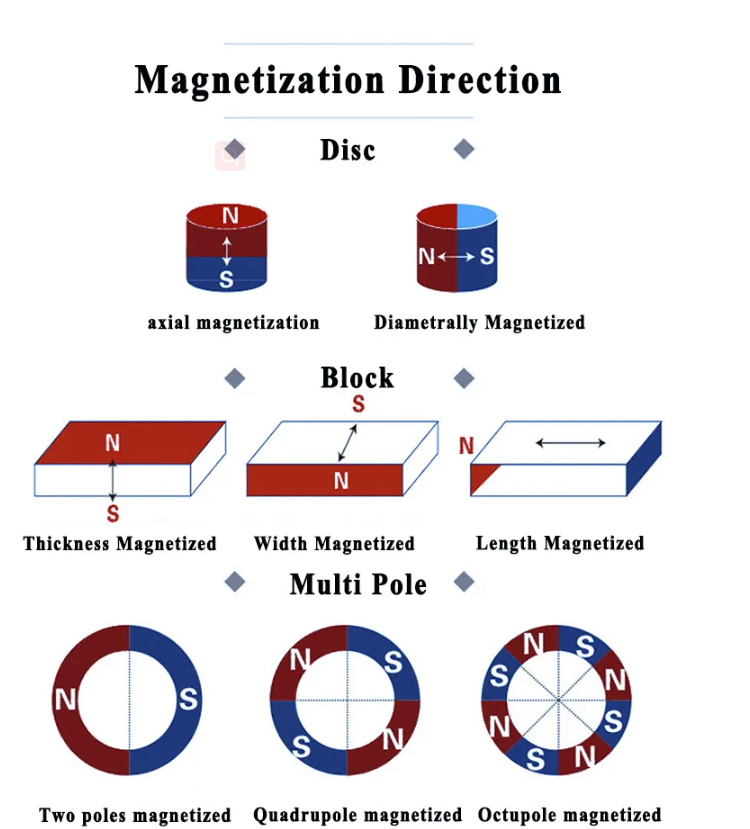
7. Magnetization: The magnet is subjected to a high magnetic field as the last stage in the manufacturing process to align its magnetic domains and give it a particular magnetic polarity and strength.
In order to attain the appropriate magnetic characteristics, the NdFeB magnet manufacturing process is often complicated and demands careful control of several factors.
Since iron has the strongest ferromagnetic characteristics of all elements and is present in the most powerful magnets, permanent magnet materials contain iron. Magnets with a high iron content are especially prone to corrosion because iron reacts extremely strongly with water.
Nickel, cobalt, gadolinium, and dysprosium are additional ferromagnetic materials utilized in various permanent magnet designs. Each of these materials affects magnetic performance and corrosion resistance.
Check out our analysis of the corrosion resistance of each magnetic material for more information. Corrosion resistance is one of the important elements to consider when looking into bespoke magnetic components.
Since iron has the strongest ferromagnetic characteristics of all elements and is present in the most powerful magnets, permanent magnet materials contain iron. Magnets with a high iron content are especially prone to corrosion because iron reacts extremely strongly with water.
1, NdFeB Magnet
Nickel, cobalt, gadolinium, and dysprosium are additional ferromagnetic materials utilized in various permanent magnet designs. Each of these materials affects magnetic performance and corrosion resistance.
Check out our analysis of the corrosion resistance of each magnetic material for more information. Corrosion resistance is one of the important elements to consider when looking into bespoke magnetic components.
2, SMCO magnet
SMCO magnets, like NdFeB magnets, are rare earth materials and have higher corrosion resistance even when uncoated. This is so that cobalt, which does not react with water, may replace most of the iron present in neodymium magnets.
Some SMCO magnets may be coated, mostly for decorative reasons or for application-specific factors, such adherence or sterility.
Magnets made by SMCO are frequently utilized in marine and offshore applications where they must withstand continuous contact with brackish air.
3, Alnico magnet
Although they don’t have the same magnetic level as rare-earth SMCO magnets and NdFeB magnets, ferrite and Alnico magnets are both recognized for their resistance to corrosion.
A little degree of surface corrosion will develop over time if an Alnico magnet is exposed to water since some grades of Alnico magnets do contain tiny quantities of iron. But when exposed to other lubricants like oils, solvents, or alcohol, nickel-cobalt alloys function quite well.
Alnico magnets are customarily painted in red; it is unclear when or why the practice started, but it is still prevalent today, and the majority of Alnico magnets are easily identified by their distinctive red finish.
4, Ferrite magnets
Because they are formed of iron oxide, ferrite magnets, commonly referred to as ceramic magnets, do not corrode even when submerged in water.
Because of their unparalleled corrosion resistance, ferrite magnets are rarely coated, but because ferrite is a dusty material, some applications require some surface treatment to avoid dust diffusion.
Neodymium magnet price is cheap, has the advantage, welcome to Xiamen Balin inquiry.