


working mechanism
Magnetic rubber is a magnetic elastomer material made due to the addition of magnetic solid powder. After processing, the polycrystalline magnetic powder becomes an anisotropic single crystal, so that the single crystal particles in the rubber are oriented and arranged under the action of a strong magnetic field, showing magnetism. The magnetism of magnetic rubber comes from the filling of a high amount of magnetic fillers, including metal magnetic powder and ferrite powder. When manufacturing magnetic rubber, it is necessary to select the appropriate type of rubber, type of magnetic powder, particle size and dosage, and carry out the magnetization process to endow the product with permanent magnetism. There are many physical quantities of magnetic rubber, among which the magnetic induction is the most commonly used one.
formulation design
The manufacture of magnetic rubber is not limited by the type of rubber, and any rubber can be used. However, the type of rubber will have an important impact on the physical properties and processing performance of magnetic rubber, so the type of raw rubber should be selected according to the product requirements. Chloroprene rubber exhibits high magnetism due to its strong polarity in the molecule, while natural rubber is easy to process and has a large amount of magnetic powder filled, so it is widely used. When manufacturing magnetic rubber, it is necessary to select the appropriate type and particle size of magnetic powder, and carry out the magnetization process to ensure that the product has permanent magnetism and firmly adsorbs the iron plate containing permanent magnet materials. Metal magnetic powder is relatively expensive, and ferrite magnetic powder is widely used because of its low price, simple manufacture, and excellent comprehensive performance. Strong magnetic substances can be divided into soft magnetic, hard magnetic and permanent magnetic materials, among which permanent magnets can maintain magnetism for a long time after strengthening the magnetic field. The amount of magnetic powder filling depends on the particle size of the magnetic powder. In order to make soft magnetic rubber, generally fine and uniform magnetic powder is used, while hard magnetic rubber uses materials such as barium ferrite, strontium ferrite, iron cobalt oxide and iron ferrite.
Influencing factors
The magnetism of magnetic rubber is affected by the magnetic properties, particle size and content of magnetic powder. If the particle size of the magnetic powder is large, it will be unevenly dispersed in the rubber, resulting in uneven distribution of magnetic intensity on the surface of the product after magnetization. The fine magnetic powder with small particle size and uniform distribution can be uniformly dispersed in rubber, and its magnetic properties can be evenly distributed after being made into products. As the filling factor of magnetic powder increases with the amount of magnetic powder, the magnetic properties of magnetic rubber also increase, but its physical properties will decrease. Without adding other reinforcing agents, the maximum tearing strength can be achieved when the filling amount is 70-90%. Therefore, it should be ensured that the magnetic rubber products should increase the amount of magnetic powder as much as possible to increase the magnetic properties under the condition of satisfying certain physical and mechanical properties.
Influencing factors
The magnetism of magnetic rubber is affected by the magnetic properties, particle size and content of magnetic powder. If the particle size of the magnetic powder is large, it will be unevenly dispersed in the rubber, resulting in uneven distribution of magnetic intensity on the surface of the product after magnetization. The fine magnetic powder with small particle size and uniform distribution can be uniformly dispersed in rubber, and its magnetic properties can be evenly distributed after being made into products. As the filling factor of magnetic powder increases with the amount of magnetic powder, the magnetic properties of magnetic rubber also increase, but its physical properties will decrease. Without adding other reinforcing agents, the maximum tearing strength can be achieved when the filling amount is 70-90%. Therefore, it should be ensured that the magnetic rubber products should increase the amount of magnetic powder as much as possible to increase the magnetic properties under the condition of satisfying certain physical and mechanical properties.
Application field
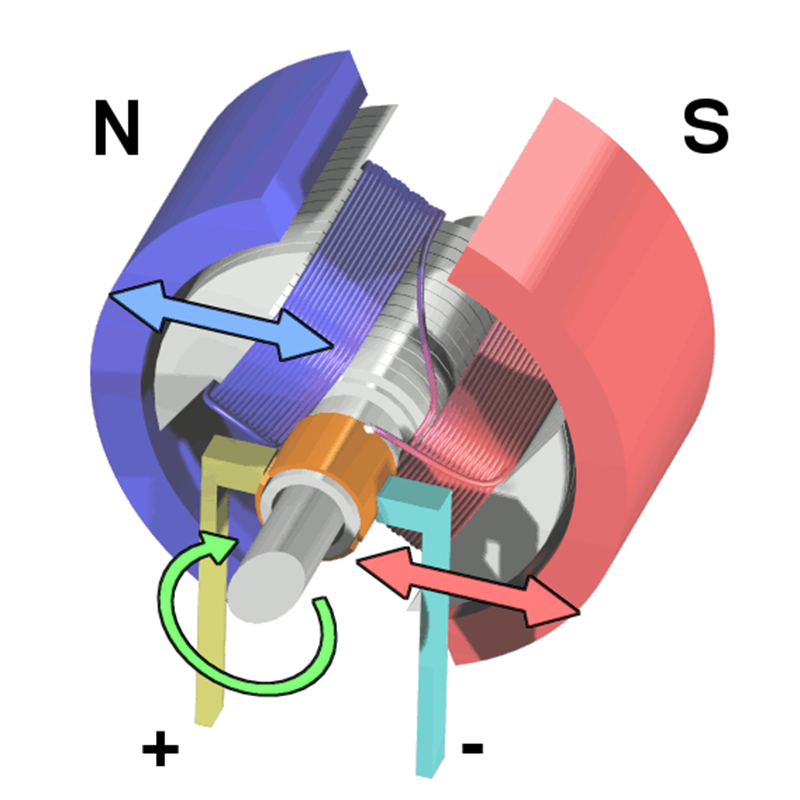
Magnetic rubber is widely used in various fields, and it can also be used in industries such as micro motors, refrigerators, disinfection cabinets, kitchen cabinets, advertisements and stationery. For example, in the application of railway transportation system, the effect of shock and noise reduction can be achieved by combining magnetic rubber materials with metal or other rigid materials. This constrained shock-absorbing material is laminated by a magnetic rubber layer and a constrained layer. The magnetic rubber layer uses butyl synthetic rubber filled with ferrite as the matrix elastic body and is magnetized and magnetized. During construction, the composite material is fixed on the steel vibrating body through magnetic suction to achieve the effect of synergistic vibration and noise reduction. Because of its convenient construction, it can be attached to the side of the railway track or the web or steel beam of the railway bridge, which is very suitable for the reconstruction project of shock absorption and noise reduction in the normal operating road section.
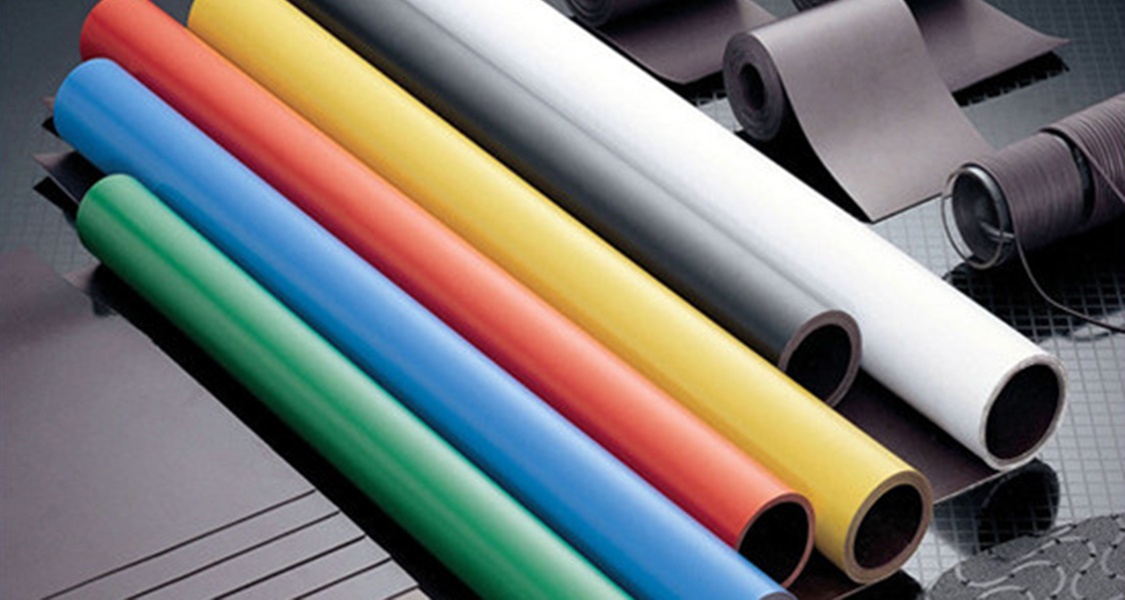
Rubber magnets are made by mixing ferrite powder with synthetic rubber or polymer resin. Rubber magnets have been widely used in many fields since their inception. Anisotropic rubber magnets can be used as motors and magnetic clamping devices, while isotropic rubber magnets are suitable for advertising and educational tools.
Advantages of rubber magnets:
1. The cost is very low.
2. Not easy to break.
3. The shape and size can be customized freely, no mold fee is required.
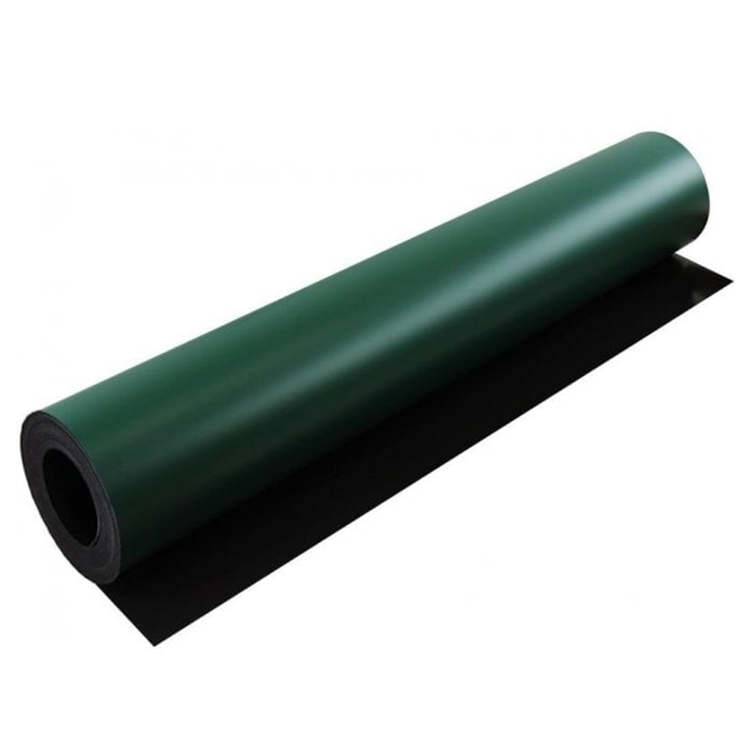
4. It is flexible and can be transported in rolls.
5. Can be glued and printed.
6. Multi-pole magnetization can be easily realized.
Production process of rubber magnet
As an important branch of bonded magnets, the molding process of rubber magnets includes calendering and extrusion.
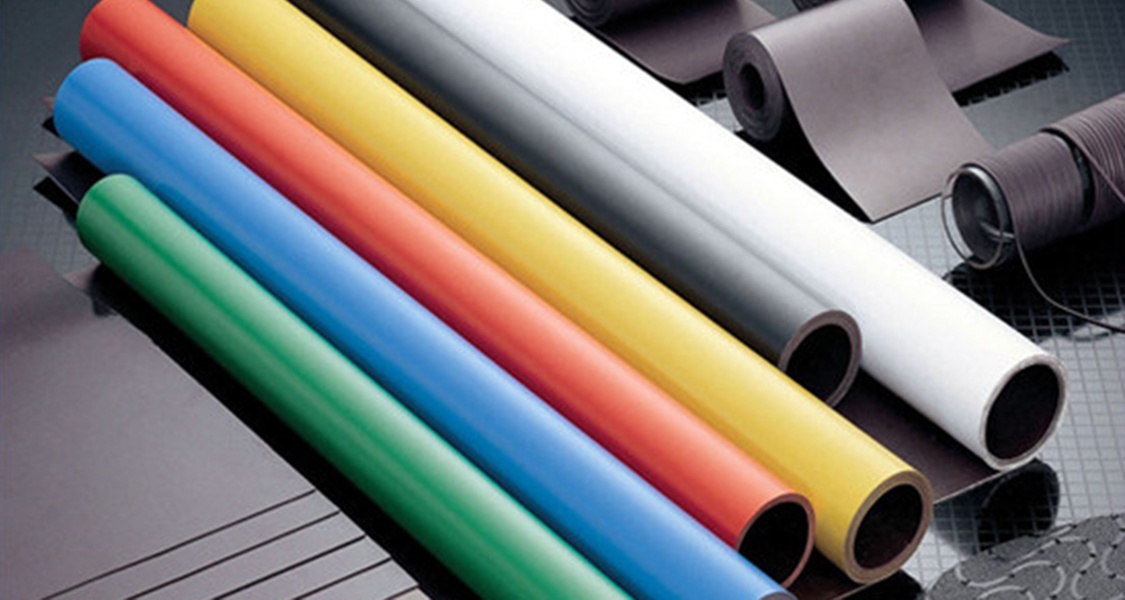
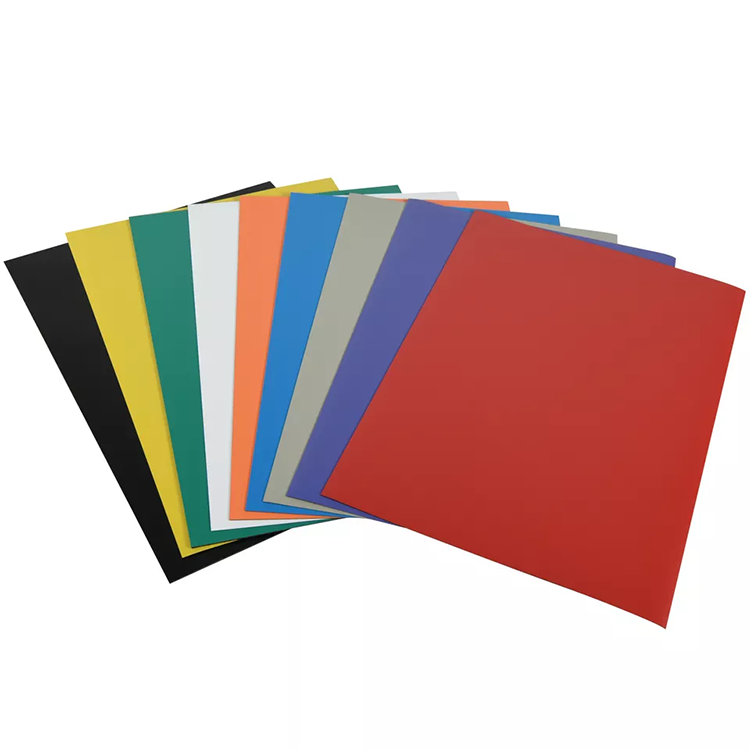
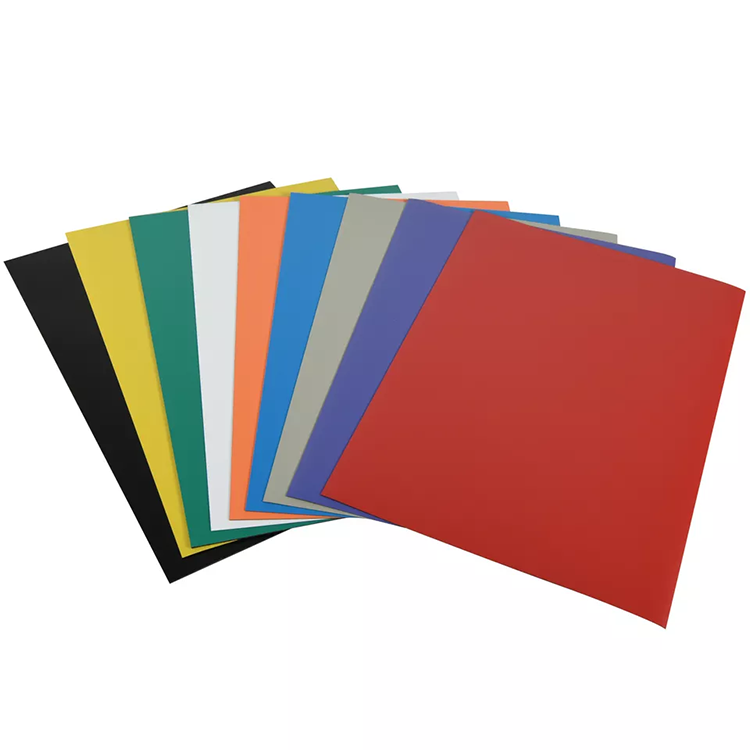
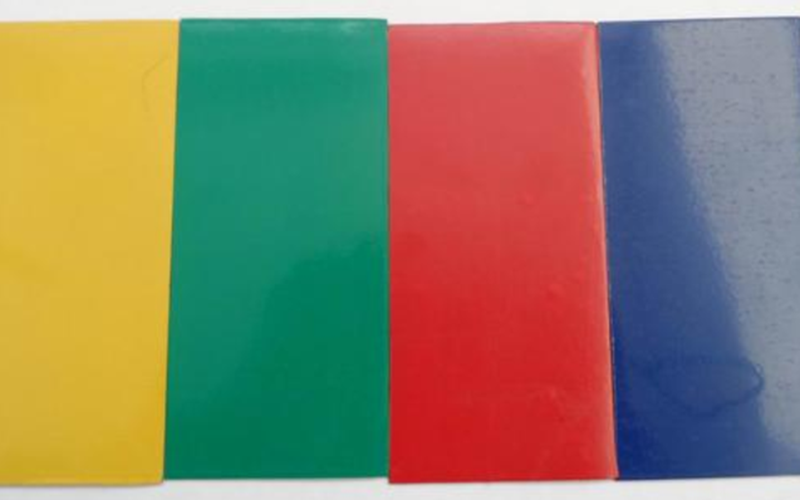
It has flexibility, elasticity and bendability, and can be produced into rolls, sheets, strips, blocks, rings and various complex shapes through extrusion, calendering, injection, mold forming and other processes. Its surface can also be covered with PVC sheet, coated paper, double-sided tape, coated with UV oil, or color printed and die-cut into various shapes.
Rubber magnets are composed of magnetic powder (SrO6, Fe2O3), chlorinated polyethylene (CPE) and other additives (EBSO, DOP), etc., and are manufactured by extrusion and calendering. Rubber magnets can be homosexual or heterosexual, and can be bent, twisted, or rolled. It can be used without further machining, and the shape can be trimmed according to the required size, and it can also be covered with PVC, adhesive, UV oil, etc. according to customer requirements. Its magnetic energy product is 0.60~1.50 MGOe.
Ingredients→mixing→extrusion/calendering/injection molding→processing→magnetization→inspection→packaging
Appearance, size, magnetic properties, magnetic polarity, hardness, specific gravity, tensile strength, aging resistance, rotation performance
Application fields of rubber magnetic materials: refrigerators, message notice racks, fasteners for fixing objects to metal bodies for advertising, etc., magnetic sheets for toys, teaching instruments, switches and sensors. Mainly used in industries such as micro motors, refrigerators, disinfection cabinets, kitchen cabinets, toys, stationery, and advertisements.
China’s magnetic material industry has reached a certain level of product production scale, but compared with the United States, Japan and other countries with developed magnetic material industries, there is still a certain distance. The common ills in the industry have not been fundamentally resolved, such as small production scale, high product cost, low productivity, poor economic benefits, low product grade, low pass rate, especially those whose technological development and technological innovation cannot keep up with market demand. The pace, production and application are out of touch, which restricts the development of the magnetic material industry. In summary, the development trend of the magnetic material market mainly focuses on the following three aspects: the demand for high-grade magnetic materials will increase; the demand for high-performance and miniaturized magnetic materials will increase; the demand for personalized, professional There will be more and more demand for special and characteristic magnetic materials. Domestic magnetic material enterprises must combine their own production advantages, seize this favorable market opportunity, continue technological innovation, develop high-quality magnetic material products, and occupy the international market.
To buy rubber magnets, please contact XIAMEN BALIN NEW MATERIASL CO., LTD. This is a manufacturer specializing in magnets
Related Products