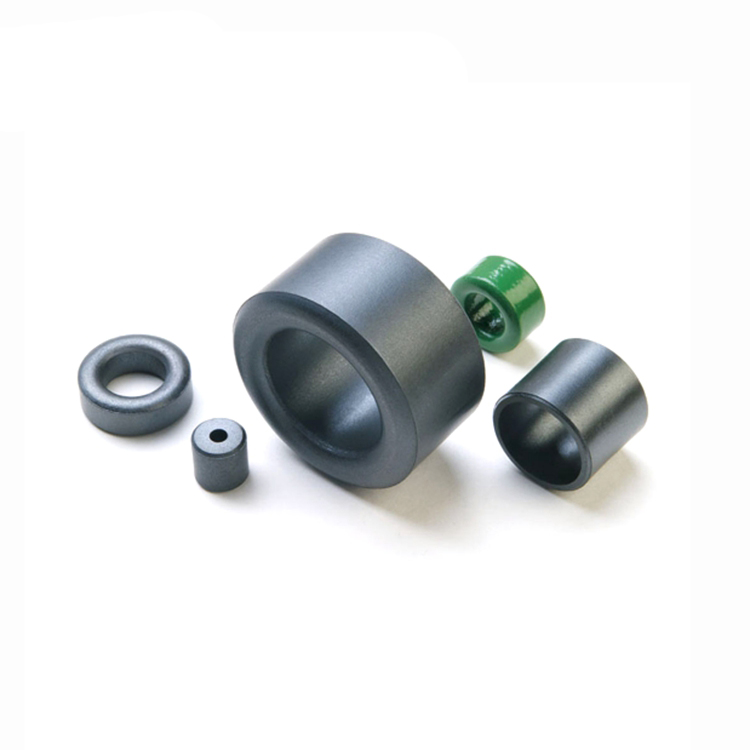
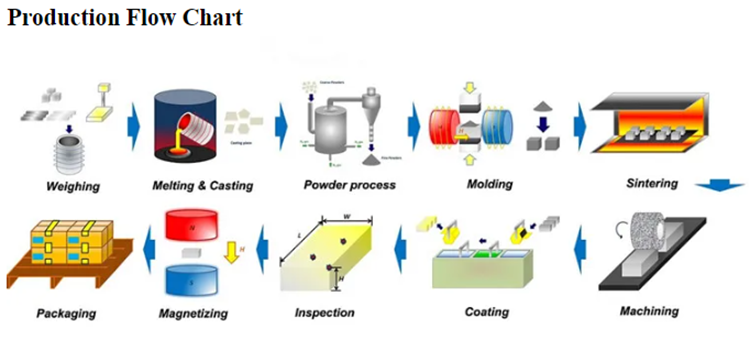
Sintered and bonded NdFeB magnets are produced and supplied by China Rare Earth Magnet Limited in a range of NdFeB Magnet Grades, dimensions, and forms. Thank you for viewing our YouTube video. We also provide certain pertinent devices, such as digital gauss meters and magnetic pole detectors that can detect the N and S poles of magnets and measure their surface fields (Gauss values).
NdFeB Sintered Magnets – Magnetic Characteristics
NdFeB Magnets with Bonds: Magnetic Characteristics
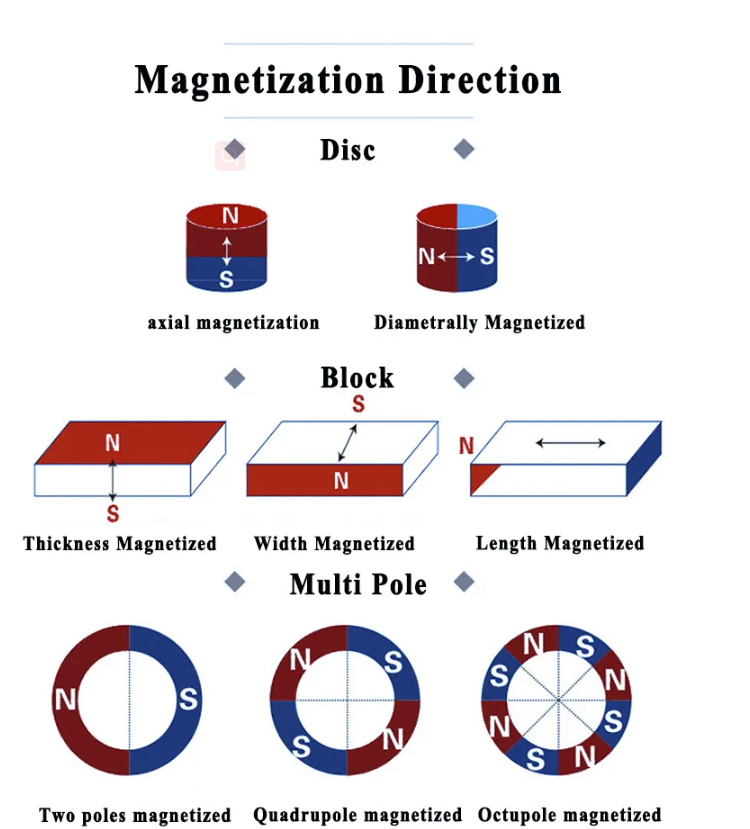
Direction of Coating & Magnetization
Recent Posts
Classification: Neodymium magnets that are sintered, bonded, and HAST magnets
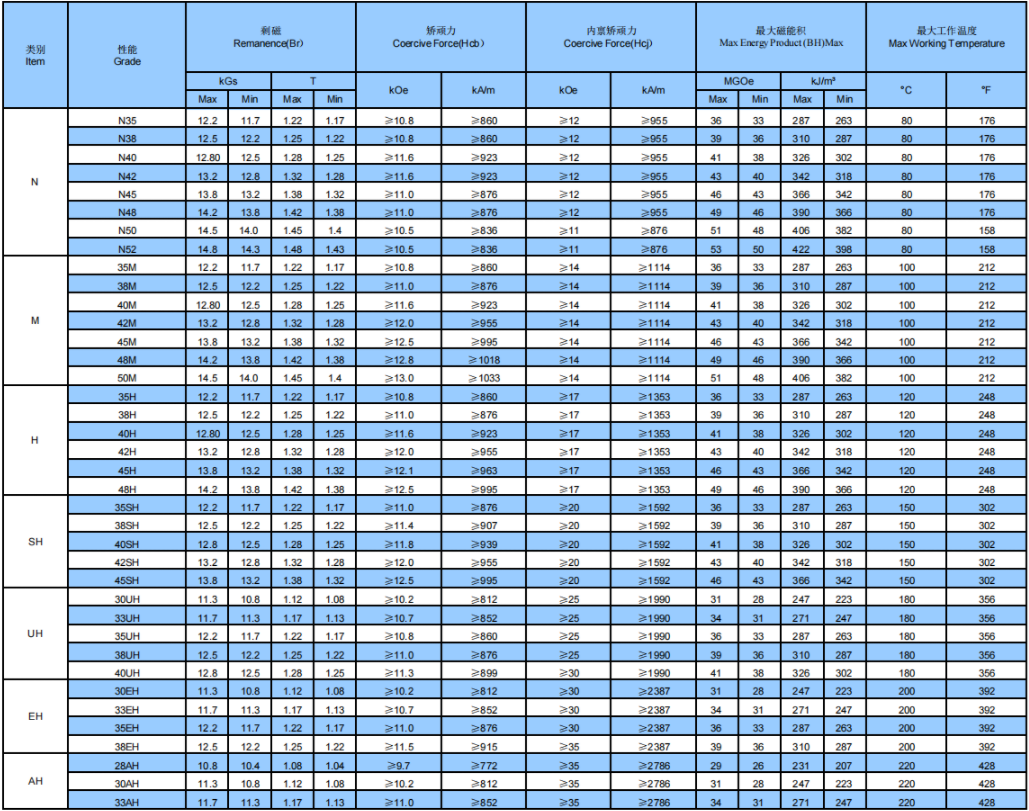
Compared to bonded NdFeB magnets, sintered ndfeb magnet prices are more powerful. N35-N52, N30M-N50M, N30H-N48H, N30SH-N45SH, N28UH-N40UH, N28EH-N38EH, and N28AH-N35AH are the grades of sintered NdFeB magnets (download magnetic property sheet of sintered NdFeB).N52 magnets are the strongest permanent magnet material below a temperature of 80°C. Customers or users may place orders from us for the best NdFeB magnets based on their specific requirements and purpose.
Bonded neodymium magnets are produced by China Rare Earth Magnet Limited using the “compression molding” or “injection molding” processes.
Because they have variable magnetic properties and physical qualities, bonded NdFeB magnets come in a variety of grades. (Download Magnetic Property Sheet of Bonded NdFeB) The grades of compression molded bonded NdFeB magnets are designated as BNP-6 through BNP-12. And the BNI-3 through BNI-7 designations refer to the grades of injection-molded, bonded NdFeB magnets. Black epoxy is the coating that is most frequently utilized on bonded NdFeB magnets.
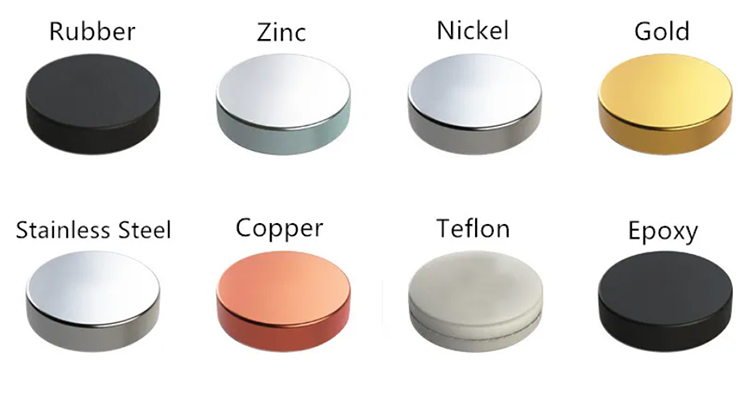
Coatings for neodymium magnets include NiCuNi, Zn, black epoxy, Sn, and au.
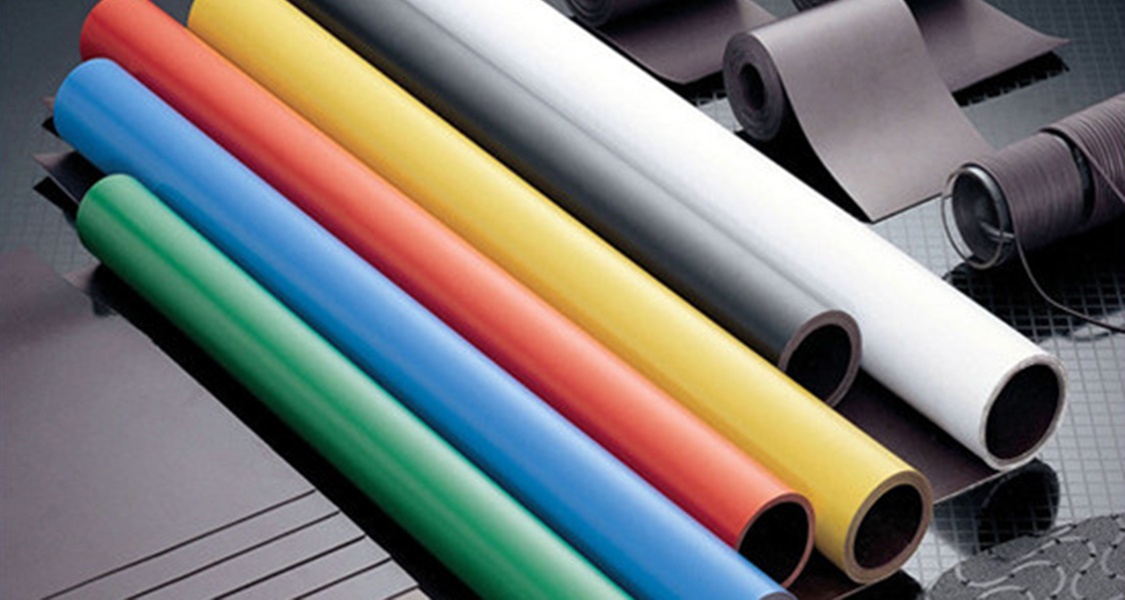
Epoxy coating in new colors:
High resistance to water cleaning and damage thanks to a special epoxy coating
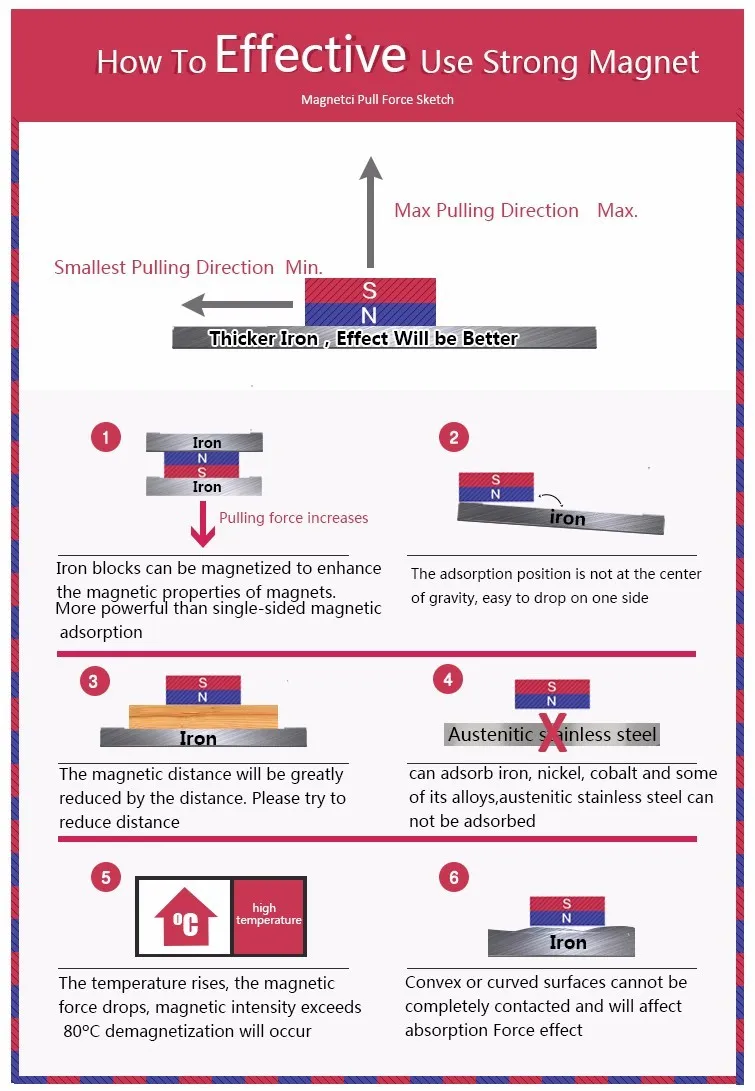
Common Magnetization / Form Permanent Magnet Orientation (Download Sketch Map)
Magnetized through the thickness of a block, or its breadth, length, or several poles
Multi-poles via thickness and diameter of a disc that is magnetized
Magnetized rings that are radially, through multiple poles, or both through thickness or diameter
Magnetized via diameter of an arc
Neodymium magnets (NdFeB): what are they?
Ndfeb magnet strength are permanent magnets consisting of neodymium, iron, and boron. They are often referred to as “NdFeB,” “Neo,” or “NIB” magnets. They belong to the Rare-Earth magnet family and have the strongest magnetic qualities of any permanent magnet, outperforming Ferrite, Alnico, and Samarium Cobalt (SmCo). They are a great option for a variety of consumer, commercial, industrial, and technical applications because of their strong magnetic strength and low cost.
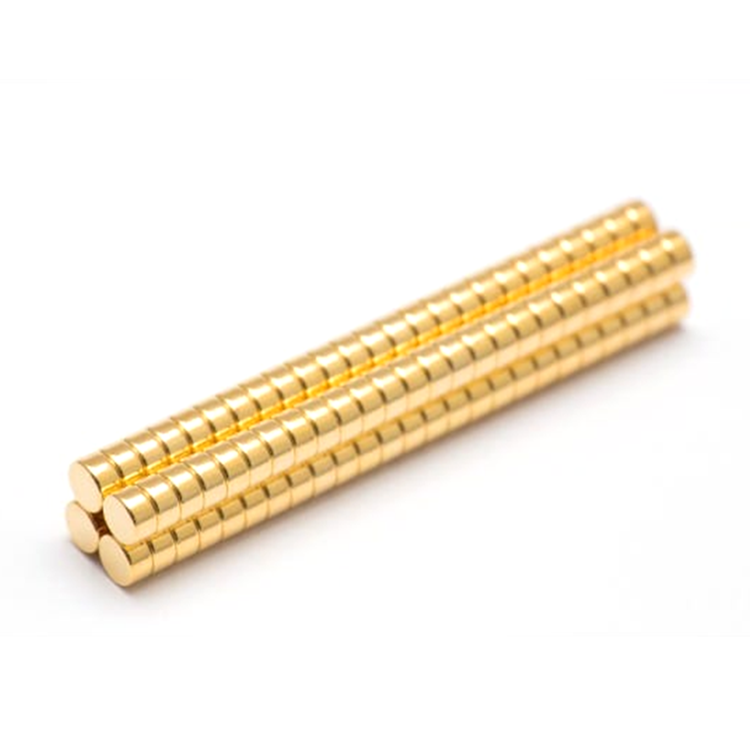
With the lowest possible magnet volume, neodymium magnets (NdFeB) provide the highest performance. They should always be coated to reduce the chance of corrosion; common finishes include NiCuNi, Zinc, NiCuEpoxy, and gold. In regular usage are 55 NdFeB magnets. Almost all industries utilize them, including those in the automotive, aerospace, wind turbine, military, white goods, lighting, food preparation, separation, motor, and generator sectors.
What Neodymium Magnet Grades and Shapes are Available?
Neodymium magnets come in a variety of grades, such as N35, N38, N42, N38SH, etc. Neodymium magnets are evaluated based on the sort of material they are made of. The grade of the magnet (the number that comes after the ‘N’) determines how much magnetic force it has. Modern N52 neodymium magnets are of the highest quality. The magnet’s temperature rating is indicated by any letter that follows the grade. Neodymium magnets with no letters after the grade are normal temperature magnets. Therefore, the 800 C maximum working temperature of a common sintered ndfeb magnet is not indicated by any letters.
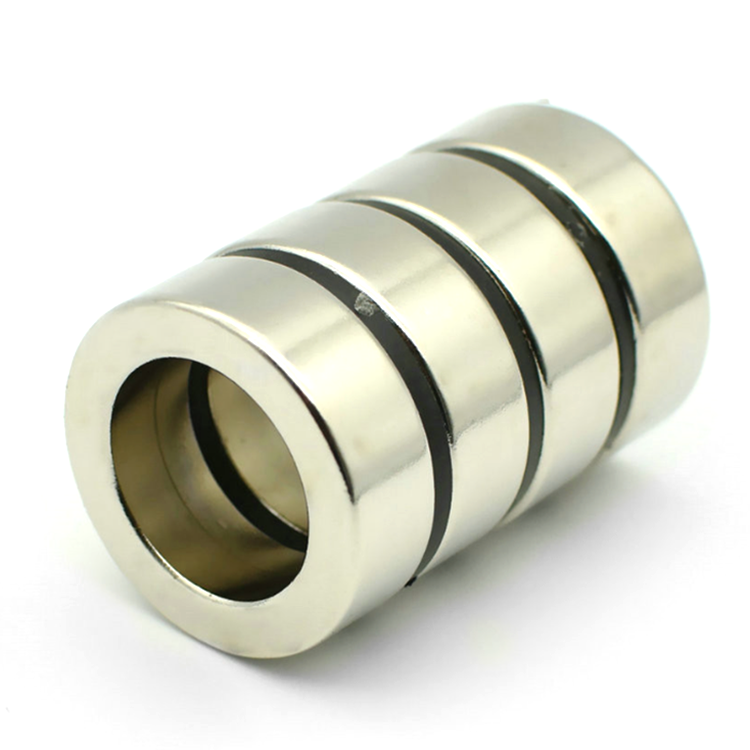
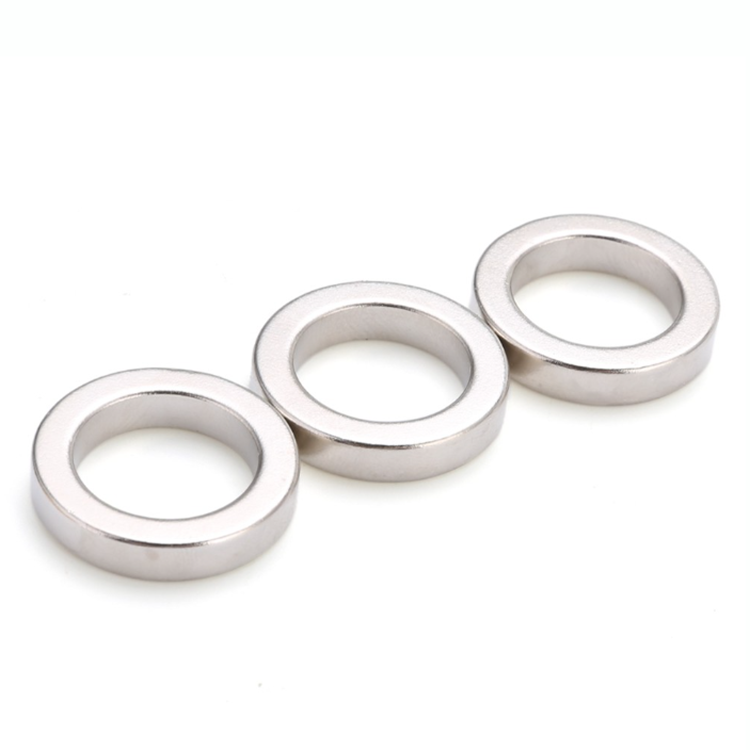
All of our neodymium magnets comply with REACH and ROHS regulations. They are created in accordance with ISO9001 and ISO14001 Quality Control Standards and do not contain any SVHC. NdFeB neodymium magnets are frequently offered as stock and bespoke goods in blocks, discs, rings, arcs, spheres, triangles, trapezoids, and many more forms. Additionally, we produce NdFeB magnet assemblies.
Temperature at which Neodymium Magnets perform best.
Temperature has an impact on a neodymium magnet’s performance. ndfeb magnet manufacturers become stronger as it gets colder, and they even work better when it’s colder. According to reports, neodymium magnets can operate well at -130 °C. Additionally, some grades of neodymium magnets can withstand very high temperatures before their characteristics start to alter and they either lose their magnetic momentarily or permanently.
Every degree Celsius that the temperature rises causes a 0.11% reduction in the magnetic strength of neodymium magnets. This little loss can be entirely recovered upon cooling if the maximum working temperature is not exceeded. If it is exceeded, the little loss will not be made up during cooling. Neodymium magnets produce more magnetic fields up to a temperature of 80 °C before they start to lose their efficiency. Neodymium 35 has several temperature ratings (M, H, SH, UH, EH, or AH). Versions designed for higher temperatures (NxxM, NxxH, NxxSH, NxxUH, NxxEH, NxxVH/AH) have a maximum operating temperature of +230 0 C and a rating of up to +1000 C. After several hot-cold cycles, the magnetic performance will continue to deteriorate. Without thoughtful planning.
You shouldn’t use these magnets at temperatures above 130° C (240° F) unless the magnetic circuit has been carefully designed.
Neodymium magnets can also be affected by radiation and persistent demagnetization fields, therefore the magnet must always be thoroughly understood in relation to the environment in which it will be utilized.
Surface treatments are needed for neodymium magnets.
Magnets without a surface covering (like plating) may corrode in humid environments. To reduce and, preferably, prevent corrosion, all neodymium magnets and rare earth magnets should be coated in some way. Not recommended is uncoated. NiCuNi plating is the normal or default protective layer. There are additional coatings/finishes (there are presently over 40 finishes available). Consider employing the higher corrosion resistance range of NdFeB when maximal corrosion resistance is required.
Neodymium magnets (NdFeB) have both advantages and disadvantages.
maximum efficiency for the given size. ideal for applications that need little space or are small.
Can be utilized in very cold environments (like liquid nitrogen).
Neodymium NdFeB magnets are typically rated to a maximum of +80 degrees C (176 degrees F). Depending on the higher Hci variants, it can be rated to +100 (212F), +120 (248F), +150 (302F), +180 (356F), +200 (392F), and +220/230 degrees C (428/446F).
High coercivity to withstand demagnetization (Hci).
Compared to normal NdFeB, NxxT and L-NxxT alloys offer improved corrosion resistance, although coating is still required.
Disadvantages
has to be protected with a coating to keep the alloy’s iron from corroding (rusting).
Even though NxxT and L-NxxT alloys are substantially more costly, they nonetheless exhibit corrosion.
Versions made for higher temperatures include more Dy, raising their price.
The price of Nd and Dy affects the cost of manufacture.
SmCo may perform better between 150 and 180 deg C (302 and 356F).
Common Uses of Rare Earth Neodymium Magnets
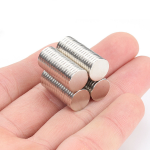
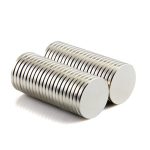
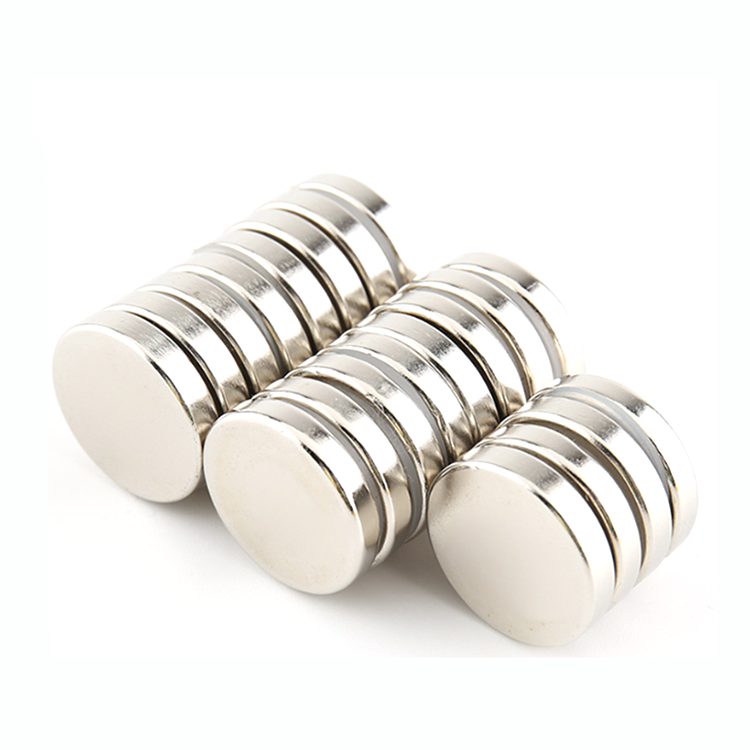
Neodymium magnets come in a variety of shapes and sizes, including neodymium ring magnets, neodymium disc magnets, neodymium pot magnets, and neodymium bar magnets or blocks. Additionally, they can be purchased with hooks or threaded attachments. They can also be found with rubber coatings or backings that stick. This provides a wide range of options to fit a number of applications, such as:-
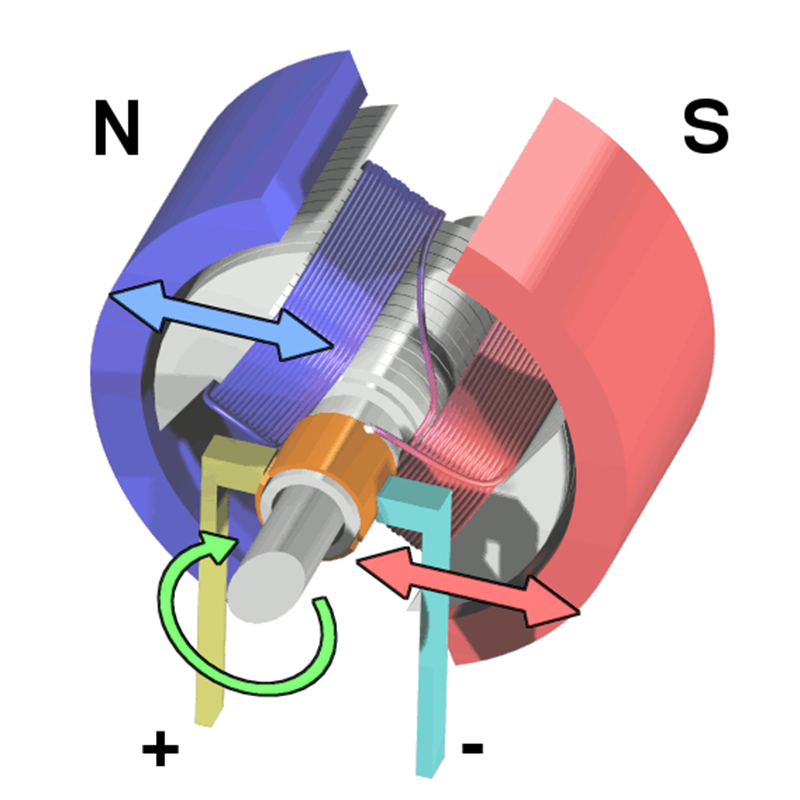
Neodymium magnets are used in the drives of motors and generators, as well as in wind and tidal turbines.
Meters
Nd:YAG Magnet Headphones, microphones, and speakers for audio
Disc drives and printers for computers
Vehicles (clamps, sensors, alternators, interior trims)
Precision Aerospace Magnets for Sensors and Navigational Devices
Magnetic separation of fine particles (using magnetic rods, grids, etc.) 10–12kG (22–26lbs) systems
pot magnets and high-performance magnetic clamps
Electronics: sensors, relays, and switches
Neodymium magnetic lifters can help with heavy-duty ferrous material lifting.
An automobile industry, for instance, needed a small magnetic clamp in the shape of a disc to firmly hold two mild steel parts together. Even premium Neodymium NdFeB disc and ring magnets could not achieve sufficient draw strength. A dual polarity Neodymium (NdFeB) disc magnet in a ring assembly served as our answer, forming a flawless magnetic circuit with a draw force that complied with the requirements.