N35sh High Temp NdFeB Rare Earth Magnets can be coated or plated to meet the needs of the product's operating environment because it is readily oxidized or corroded. Nickel, nickel-copper-nickel, zinc, tin, chromium, black epoxy, phosphorization, not plating, etc. might all be used as the coating material. Every coating complies with RoHS criteria.
Among the permanent rare-earth magnets, N35sh High Temp NdFeB Rare Earth Magnets performs the best. With the strongest magnetic property now, it is a rare earth permanent magnet. It is very machinable, has a very high BH max, excellent Hcj, and both. It is referred to as the “Magnet King” and is the permanent magnet material that is most frequently utilized in industry.
What does N35, N34SH, N42, N50, etc. mean? How much “magnetic energy” is stored in a certain volume, depending on the temperature at which the magnet may be employed.
The acronym for frequently asked questionsWhat does N42, N35, N50, and other terminology mean?
The N40, N42, N35, N35H, etc. characteristics.
is a metric measuring the magnet’s material quality.
This reveals two things to you:
what degree of heat the magnet can withstand
How much “magnetic energy” is contained in this magnet material per unit of volume?
The maximum operating temperature of a magnet is indicated by the letters N, M, H, SH, UH, or EH.
The majority of our magnets start with the letter “N” and can thus resist heat up to 80 °C.
Under the FAQ “What temperatures can magnets withstand?,” you can discover the letter that denotes each maximum operating temperature.
The values, such as 40, 42, and 35, roughly correspond to the magnet’s maximal energy product (measured in MGOe).
They serve as a gauge for magnet power.
Grade 52 relates to a permanent N35sh High Temp NdFeB Rare Earth Magnets‘s highest achievable maximum energy product, according to the state of the art.
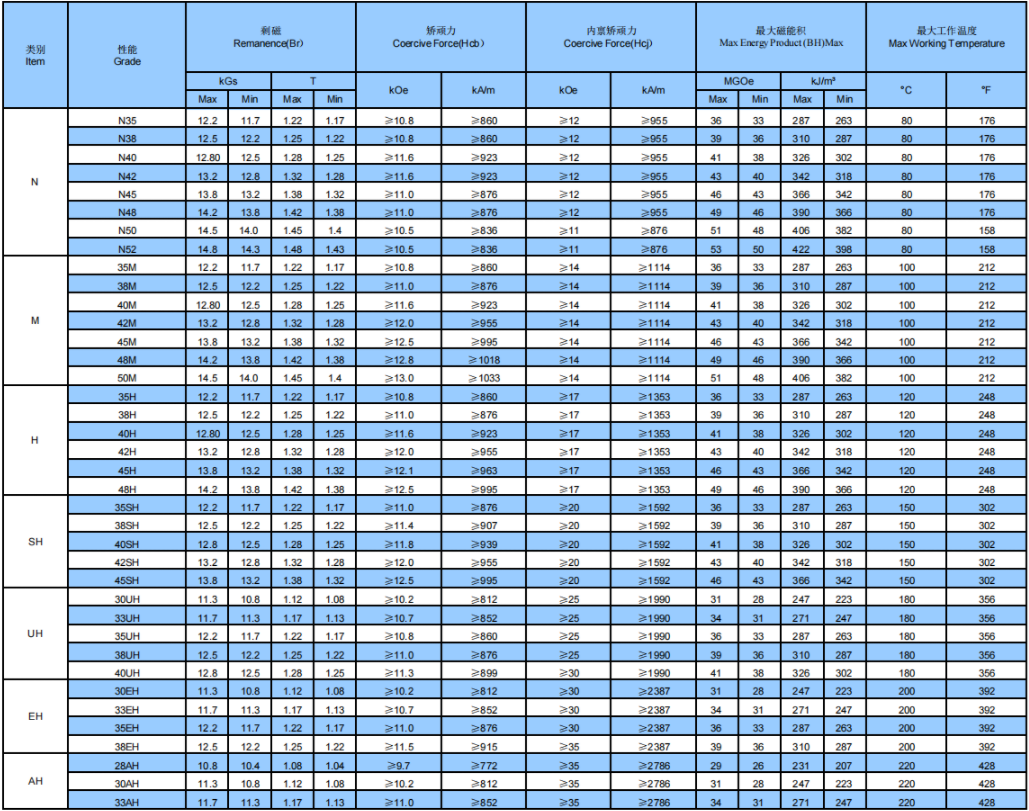
The table Physical magnet data contains the precise correlations between these classes and a magnet’s physical characteristics.
Numerous neodymium magnets with a N52 magnetism level are in our inventory.
Compared to identical-sized magnets with a typical N42 magnetization, they have a much stronger adhesion force.
We would be pleased to assist you with the development of your application and advise you
regarding design, quality, coating, and magnetization to create a useful and economical product.
Strong Neodymium Magnet from Customized Size N35uh Strong Permanent Rare Earth Industrial Neodymium N35sh High Temp NdFeB Rare Earth Magnets.magnet made of rare earthDeveloped in the 1980s, N35sh High Temp NdFeB Rare Earth.
Magnetsis a novel class of magnetic material with superior magnetic properties (high energy product, high coercive force, etc.) and a comparatively low price.In many industries, including electroacousticdevices, electric motors, sensors/transducers, instruments and meters, the auto industry, the petrochemical industry, and magnetic health-care items, it is beginning to replace the conventional magnets of hard ferrite, AlNiCo, and SmCo.
Materials Knowledgeproduced using a powder metallurgical process and having a Nd2Fe14B chemical composition.high demagnetization resistanceHigh magnetic values (BHmax, Br, bHc, and iHC)exceptional value for the moneyreasonably stable temperaturevery rigid and brittleOf all commercial magnetic materials, corrosion resistance is the worstNot suited for use in applications that are subjected to high temperatures.
Because it has better magnetic qualities than other types of magnets, NdFeB (Neodymium-Iron-Boron) magnets are utilized most frequently in business and daily life. The following standout qualities are listed:
* Because N35sh High Temp NdFeB Rare Earth Magnets type rare earth magnets are mostly an iron-based alloy, they are significantly more susceptible to surface oxidation or rust because they have higher unit magnetic characteristics than other magnets. The user should think about magnet coating, plating, or an appropriate surface treatment to solve this issue.
• Being less likely to chip while handling
* Ceramic has a lower temperature coefficient of magnetic characteristics than rare earth magnets of the SmCo type, but greater than ceramic. As a result, at high temperatures, this rare earth magnet of the N35sh High Temp NdFeB Rare Earth Magnets type would experience permanent loss.
The next century magnets, also known as permanent magnets, are used in a variety of fields, including the petrochemical industry, the computer and automotive industries, electric machinery, electro-sound devices, automatic control, and medical apparatus and equipment. For highly functional subminiature magnetic devices, N35sh High Temp NdFeB Rare Earth Magnets are the best material.
NdFeB magnets are particularly well suited for creating new products that need to be high-quality, compact, and lightweight.Higher unit magnetic properties than other magnets; lower temperature coefficient of magnetic properties than ceramic; higher than SmCo type rare earth magnets; and higher unit magnetic properties than other magnets.
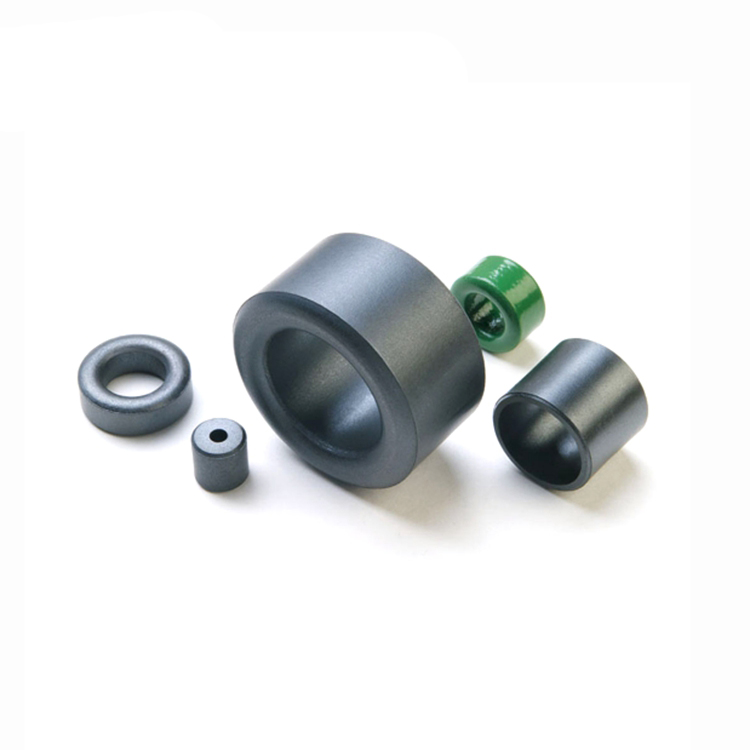
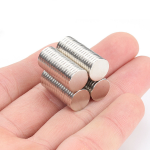
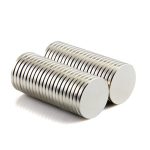
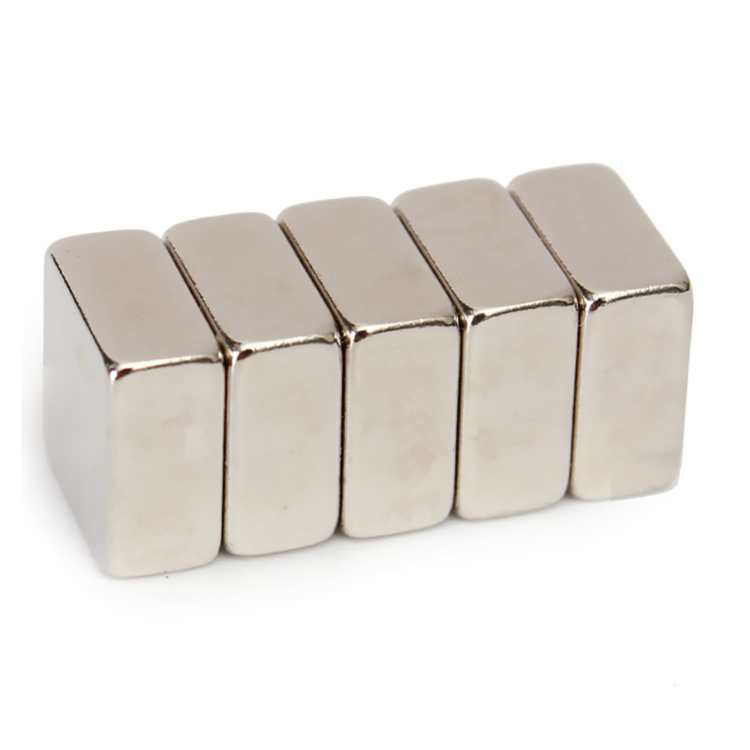
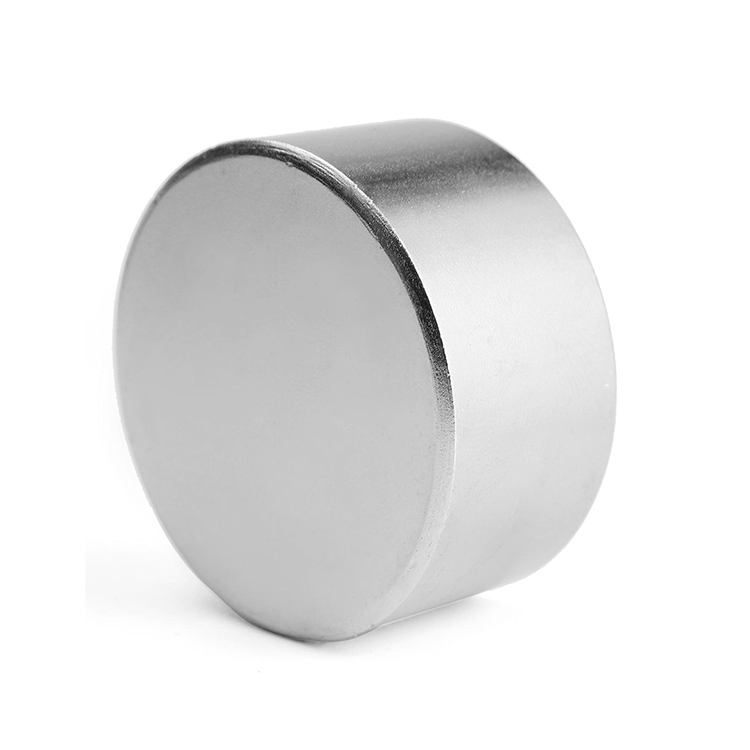
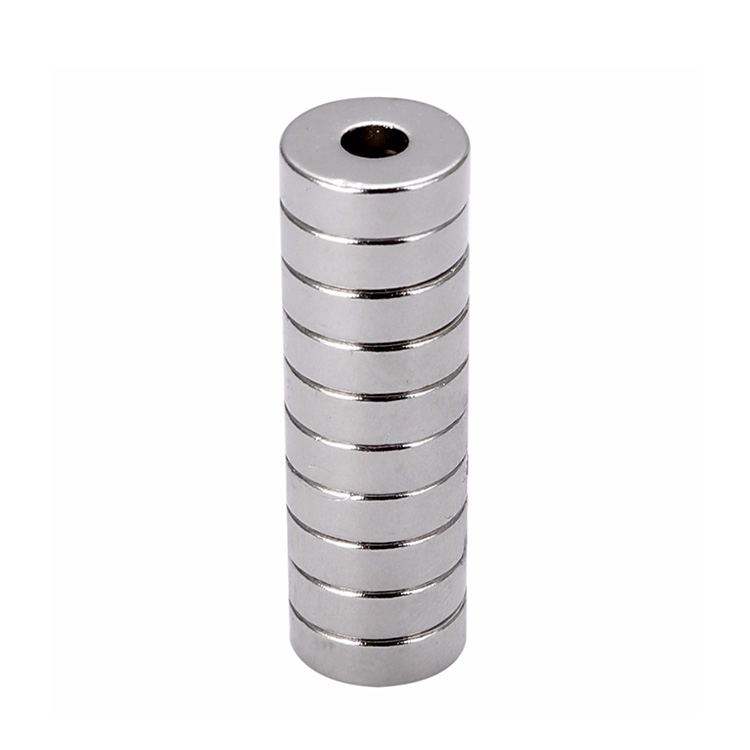
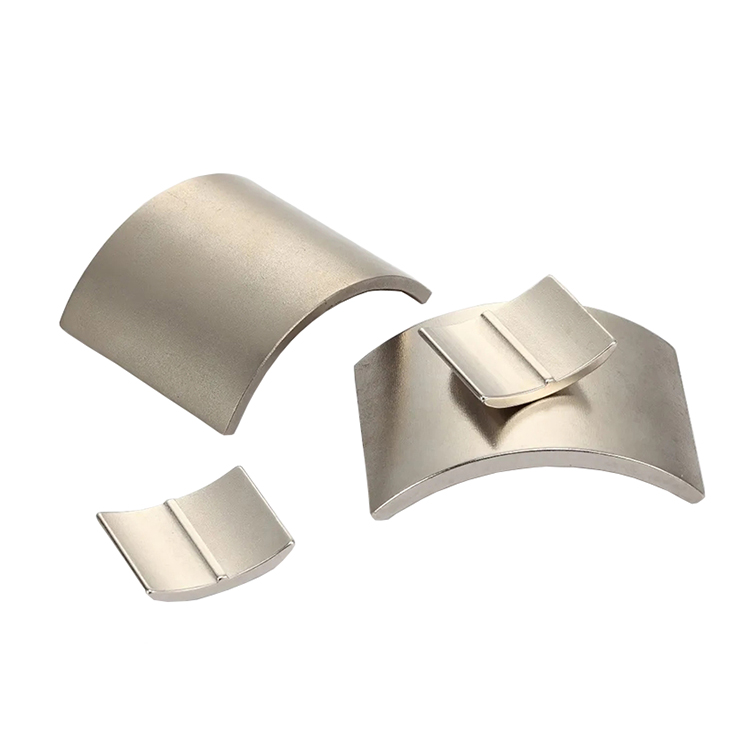
Neodymium magnets may be manufactured in a variety of forms, including rings, discs, cylinders, arcs, blocks, sticks, cuboid shapes, cube shapes, bars, countersunk shapes, segments, trapezoids, and other unusual shapes. Customized shapes are also possible.
Depending on the application, coating options include double nickel, nickel copper nickel, zinc, gold, silver, copper, chemical, ptfe, parylene, everlube, passivation, tin, aluminium, and epoxy.
The following magnetization directions are available: * Oriented through thickness * Axially * Axially in segments * Radially * Oriented through diameter * Diametrically * Customized unique needs magnetized.
Applications include magnetic treatment devices, magnetic chucks, NdFeB pot magnets, speakers, sensors, earphones, and other musical instruments.An Overview of N35sh High Temp NdFeB Rare Earth Magnets (NdFeB).
We gave a quick introduction to the ferrite magnet in our last post, and in this article, we’ll do the same for the N35sh High Temp NdFeB Rare Earth Magnets (NdFeB). The world’s strongest permanent magnet is the N35sh High Temp NdFeB Rare Earth Magnets one. It is a tetragonal crystal made up of boron, iron, and neodymium.
The rare earth N35sh High Temp NdFeB Rare Earth Magnets that is used the most frequently nowadays is of this type and is found in many electronic items, including hard drives, cell phones, earbuds, and battery-operated equipment.
Neodymium magnets may be classified into three groups based on the various manufacturing techniques: sintered NdFeB magnets, bonded NdFeB magnets, and hot-pressed NdFeB magnets. The magnetic properties, post-processing, and other characteristics of the products change significantly due to the various production techniques.
N35sh High Temp NdFeB Rare Earth Magnets sintered
The NdFeB family’s sintered N35sh High Temp NdFeB Rare Earth Magnets has the highest output and is the most often utilized product. According to the varied coercivity of the product, it may be categorized into 7 series: N, M, H, SH, UH, EH, and TH. It is made using the powder metallurgy process.
The commercially available sintered NdFeB magnet has an inherent coercive force of up to 2786kA/m and a remanence of up to 1.45T. Depending on the coercivity, the working temperature ranges between 80° and 200°.
Because the sintered N35sh High Temp NdFeB Rare Earth Magnets is susceptible to corrosion and oxidation, surface treatment is necessary. Electrophoresis, vapor deposition, electroless plating, phosphating, electroplating, electroless plating, and other surface treatments can be used depending on the needs of the use environment.
Zinc, nickel, nickel-copper-nickel, epoxy resin, and others are common coatings for it.
N35sh High Temp NdFeB Rare Earth Magnets Bonded
Sintered N35sh High Temp NdFeB Rare Earth Magnets are prone to easy cracking, breaking, and problematic assembly throughout the process of processing them into unique forms. People attempted crushing permanent magnets, mixing them with adhesives, and then pressing them into a form in a magnetic field to try and alleviate these issues.
The bonded N35sh High Temp NdFeB Rare Earth Magnets were created as a result. It has been extensively employed in the market because of its inexpensive cost, excellent dimensional precision, high degree of shape flexibility, strong mechanical strength, and light specific gravity, among other benefits.
Currently, four methods—calendering, injection molding, extrusion, and compression molding—are used to create bonded neodymium magnets.
calendering and injection being the two most popular. Due to the substantial quantity of glue used, bonded NdFeB magnets often have a density that is only 80% of theoretical density, making them less magnetically strong than N35sh High Temp NdFeB Rare Earth Magnets.
Because they have the same magnetic in all directions and are isotropic, bonded N35sh High Temp NdFeB Rare Earth Magnets are useful in the production of multi-pole monolithic magnets. Anisotropic magnets may also be created from bonded NdFeB magnets.
N35sh High Temp NdFeB Rare Earth Magnets that was heated
Without the use of heavy rare earth metals, hot-pressed NdFeB magnets may obtain magnetic characteristics comparable to sintered NdFeB. Although they have poor mechanical qualities, they offer benefits such as high density, high orientation, superior corrosion resistance, and high coercivity. Additionally, because of monopolistic patents and high processing costs, Hot-pressed NdFeB magnets are only now being mass produced by a select few businesses.
The present hot-pressed N35sh High Temp NdFeB Rare Earth Magnets can only be formed into a ring shape because to the limitations of the molding method, and the application range is rather constrained. Currently, EPS motors for cars are where it is mostly used.
The maximal radial magnetic energy product of the magnetic ring can reach 240–360 kJ/m3 because to the strong magnetic performance of the hot-pressed NdFeB magnets. The motor can operate silently and provide smooth torque because the magnetic ring is positioned in the radial direction and the radial magnetic performance is consistent. Additionally, it has a strong heat resistance and a working temperature range of 180 to 200 degrees Celsius.
Conclusion
Each of the three N35sh High Temp NdFeB Rare Earth Magnets kinds has benefits of its own. The intersection between bonded N35sh High Temp NdFeB Rare Earth Magnets and sintered NdFeB magnets is not very great because of the significant difference in magnetic characteristics and molding.
Hard drive spindle motors and low-power micro-special motors are two applications for bonded NdFeB magnets, whereas high-power drive motors are a use for sintered N35sh High Temp NdFeB Rare Earth Magnets. Due to form restrictions, hot-pressed N35sh High Temp NdFeB Rare Earth Magnets are only utilized in vehicle EPS.
Invest in N35sh High Temp NdFeB Rare Earth Magnets
Neodymium magnets initially appeared on the market in the 1980s and were always powerful—more than 10 times stronger than ceramic magnets—but they were also quite pricey. However, advancements in production methods and other considerations have now also made them reasonably priced for daily usage.
Features of Neodymium Magnets
Neodymium rod magnets and disc magnets are frequently utilized in holding, sensor, and motor applications.
Features comprise
The strongest N35sh High Temp NdFeB Rare Earth Magnets now available on the market are made of neodymium.
Neo magnets are fragile and hard, and if dropped, they might crack or chip.
The thickness of neodymium disc magnets is magnetic.
In humid environments, uncoated NdFeB magnets may rust.
Different material grades operate at different temperatures. Please refer to our material characteristics chart for a comparison of neodymium material grades.
Strong adhesives like Loctite 325 are frequently used to combine neodymium magnets into goods. Prior to bonding, make sure that all contact surfaces are dry and clean. You might also be interested in our adhesive-coated neodymium magnets.
Please use caution when handling magnetized neodymium magnets since their high magnetic pull can lead fingers to become drawn to metal or to other magnets. Features comprise.
The strongest magnets now available on the market are made of neodymium.
Neo magnets are fragile and hard, and if dropped, they might crack or chip.
The thickness of neodymium disc magnets is magnetic.
In humid environments, uncoated N35sh High Temp NdFeB Rare Earth Magnets may rust.
Different material grades operate at different temperatures. Please refer to our material characteristics chart for a comparison of neodymium material grades.
Strong adhesives like Loctite 325 are frequently used to combine neodymium magnets into goods. Prior to bonding, make sure that all contact surfaces are dry and clean. You might also be interested in our adhesive-coated neodymium magnets.
Please use caution when handling magnetized neodymium magnets since their high magnetic pull can lead fingers to become drawn to metal or to other magnets.
Corrosion Defense
While modern Neo magnets are more temperature and corrosion resistant, some applications still need for a protective coating.Product Overview for NdFeB
Adams Magnetic provides a comprehensive range of permanent magnet solutions for a variety of sectors. Adams Magnetic is a prominent provider of neodymium magnets, neodymium (NdFeB) magnet discs, rings, and blocks.
A N35sh High Temp NdFeB Rare Earth Magnets is what?
The strongest known form of permanent magnet is a neodymium magnet, sometimes referred to as a NdFeB or Neo magnet. Neodymium magnets have gained popularity for a broad range of applications, from loudspeakers to jewelry used for magnetic treatment, due to its light weight, strength, and constancy of magnetization.
An alloy consisting of neodymium, iron, and boron is used to create rare earth magnets.Overview of ications. For a variety of industries, neodymium (NdFeB) magnet discs, rings, and blocks provide a wide range of permanent magnet solutions.
A N35sh High Temp NdFeB Rare Earth Magnets is what?
The strongest known form of permanent magnet is a neodymium magnet, sometimes referred to as a NdFeB or Neo magnet. N35sh High Temp NdFeB Rare Earth Magnets have gained popularity for a broad range of applications, from loudspeakers to jewelry used for magnetic treatment, due to its light weight, strength, and constancy of magnetization. An alloy consisting of neodymium, iron, and boron is used to create rare earth magnets.
Magnetization & Machining
N35sh High Temp NdFeB Rare Earth Magnets, in contrast to other kinds of magnets, have a great resistance to demagnetization. They must be ground before being magnetized since standard drilling, turning, or milling techniques cannot be used to create them. Large or complicated assemblies are frequently magnetized before assembly as well.
Ground size limits for Neo magnets are typically +/-.005. When developing intricate components, special attention must be paid to their extraordinarily high magnetizing field requirements. If properly oriented, a neodymium magnet may be magnetized in any direction. Multiple pole magnetization is not always achievable; when it is, specialized fittings are needed.
Considering Temperature with N35sh High Temp NdFeB Rare Earth Magnetss
If heated over 176°F (80°C), a low coercivity grade N35sh High Temp NdFeB Rare Earth Magnets may start to lose strength. Neodymium magnets of high coercivity grade have been produced to operate with negligible irreversible loss at temperatures as high as 428°F (220°C).
The demand for low temperature coefficient in neodymium magnet applications has led to the development of a number of grades to satisfy certain operating needs. To compare the qualities of each grade, please see our chart of magnetic properties.
Curves of Demagnetization
The magnetic properties of a magnet, such as the intensity of the magnetic field and how difficult it is to demagnetize, are shown by a second quadrant demagnetization curve. Its performance in a magnetic circuit depends on how it is employed.
A permanent magnet’s magnetic domains are aligned when it is fully magnetized. Some of the domains can lose this alignment and reverse under certain circumstances, including temperature and reverse magnetic fields, causing the magnet to lose some or all of its magnetic field. Our material curves are displayed here.
Uses for Neodymium N35sh High Temp NdFeB Rare Earth Magnets
Because their higher strength enables the use of smaller, lighter magnets, neodymium magnets have largely supplanted Alnico and ferrite N35sh High Temp NdFeB Rare Earth Magnets in applications requiring powerful permanent magnets.