Among Laird’s wide range are:
Power Devices, Integrated Wireless Solutions, Emi Solutions, Thermal Management Solutions, Remote Automation Systems, Mining, Antennas & Reception Solutions, Emi Solutions, Thermal Management Solutions.
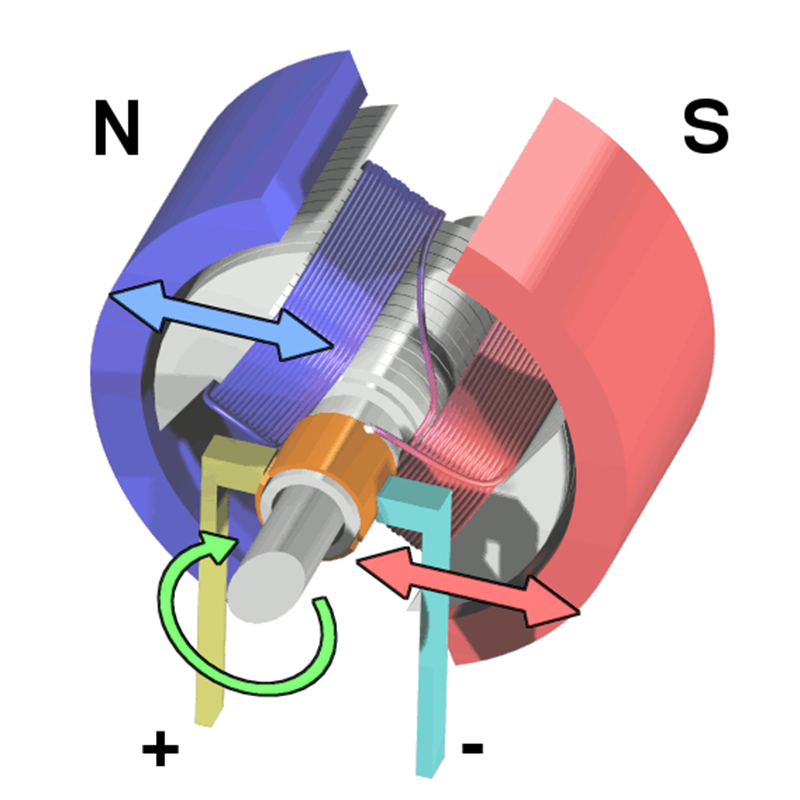
When electrical current flows through inductors, which are an electronic component, it stores electrical energy in a magnetic field. A bundle of shielded wire is used to create them. A circular magnetic field is created in this circuit when electricity enters it from the left to the right. Inductors thus resist any modification of the current that passes through them.
There are typically three kinds of inductors available on the market:
inductors with air cores
ferromagnetic inductors
Inductors with a ferrite center
Iron core and air core inductors have greater losses, low frequency performance, and low inductance. Although they have a set value, high leakage, and high inductance, ferrite core inductors. As a result, ferrite core inductors are well-liked and regarded as a superior solution to get around this issue.
We’re going to give you some crucial knowledge about ferrite core inductors in this piece, including their traits and uses.
Ferrite Core Inductor: What Is It?
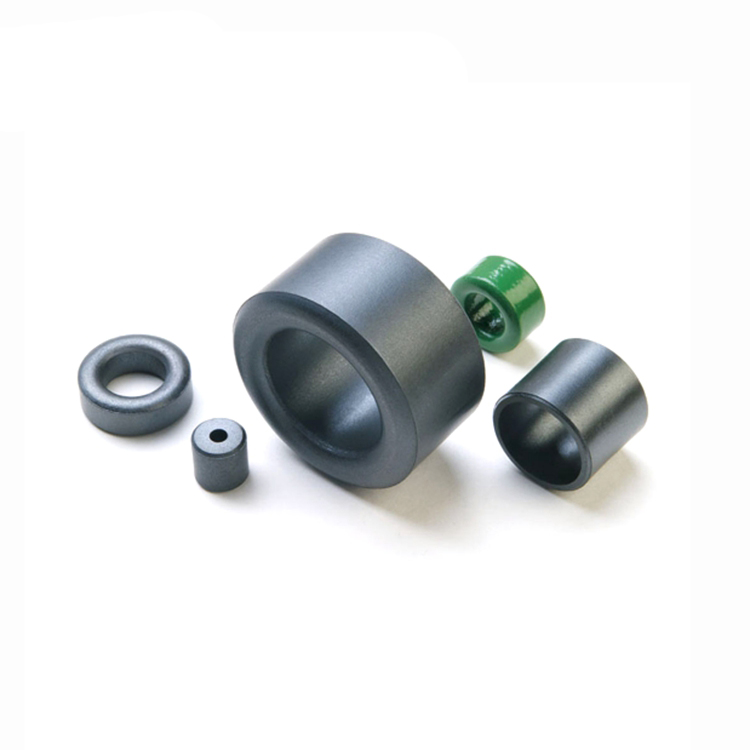
Ferrite core inductors are made with a ferrite center inside their coil. Due to the electrical conductivity of the metal, when these solid metal cores are used in inductors, the shifting magnetic field displays huge eddy currents. Along with the closed-loop of electric current, these currents flow inside the inductors.
Applications for ferrite core inductors in electric circuits include power transfer, broadband, and interference cancellation.
The following factors are taken into account when using ferrite centers in inductors:
greater absorption
high resistance
reduced expenses
constant temps
We use ferrite core inductors for what reason?
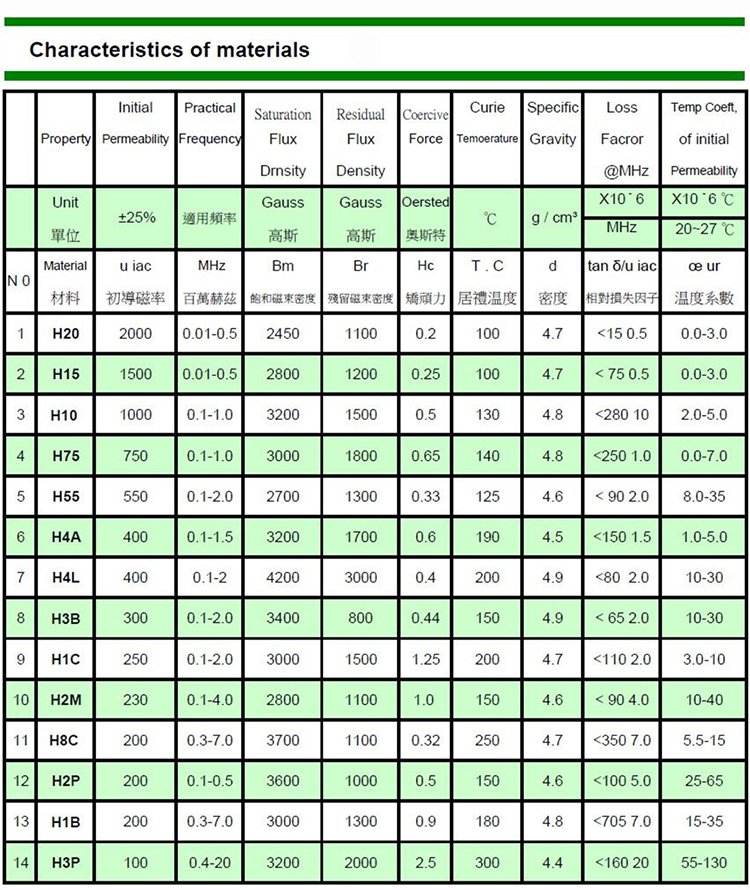
By giving the device a high level of permeability, ferrite cores are used in inductors to help them work better. Their magnetic field and capacitance rise as a result. Depending on the sort of ferrite material used, the permeability level in the ferrite core inductors typically varies between 1400 and 15,000. Due to their high capacitance compared to other inductors with air centers, ferrite core inductors are a popular choice.
Along with capacitors and resistors, inductors are a significant class of inactive linear circuit component. They aid in the creation of high-quality electrical circuitry. So we favor using them over other options.
Degradation in Ferrite Core Inductors
Due to their inefficiencies and reliance on frequency levels, ferrite core inductors are preferred by electronic engineers. With a rise in frequency and flux, the hysteresis loss grows linearly while the eddy current losses in the inductors increase exponentially.
Hysteresis loss, one of the two core losses, predominates up to a frequency level that is dependent on the efficiency of the cores, after which eddy current loss takes over.
Ferrite core inductors’ characteristics
In ferrite core inductors, a magnetic field is created by the current traveling through, and when the magnetic field changes, an opposing current also travels through.
They do this to convert electrical energy into magnetic energy, which they then store internally.
At higher frequencies, they permit DC (Direct Current) but not AC (Alternating Current) to travel through them.
Low core losses in the material; gapped ferrite core construction; high quality factor
Efficiency over climate – I (initial permeability) relative T is tightly regulated
Use of a toroid or pot center reduces the amount of stray field.
High permeability ferrite compounds are used to achieve high capacitance.
Uses for Ferrite core inductors
Inductors with a ferrite core can be used in coils with operating frequencies between AF and 100 MHZ.
They can be utilized in low frequency power converters that run between 1 and 200 kHz.
Both middle and high tones can be used with them.
They are applicable to switching circuits.
They are applicable to Pi Filters.
Additionally, they are applicable to the ferrite pole antenna intended for medium wave devices.
Aside from communications, entertainment, controls, and other sectors, telecommunications is the biggest and most important section.
Components of the power conditioner or power source that use common mode inductors
preventing the equipment’s produced common mode noise from leaking into other circuits
Conclusion
The best option for you to use for a variety of your electrical needs is a ferrite core inductor. For a number of high-frequency uses, you can always count on these to deliver high permeability, high inductance, and low eddy current losses.
To learn more about our selection of ferrite cores that can be perfect for inductors and other uses, get in touch with Cosmo Ferrites Limited.
For ferrite core transformers and related goods that are produced in accordance with global norms of quality and safety, you can also visit Alisha Coils & Transformers, a division of our business.
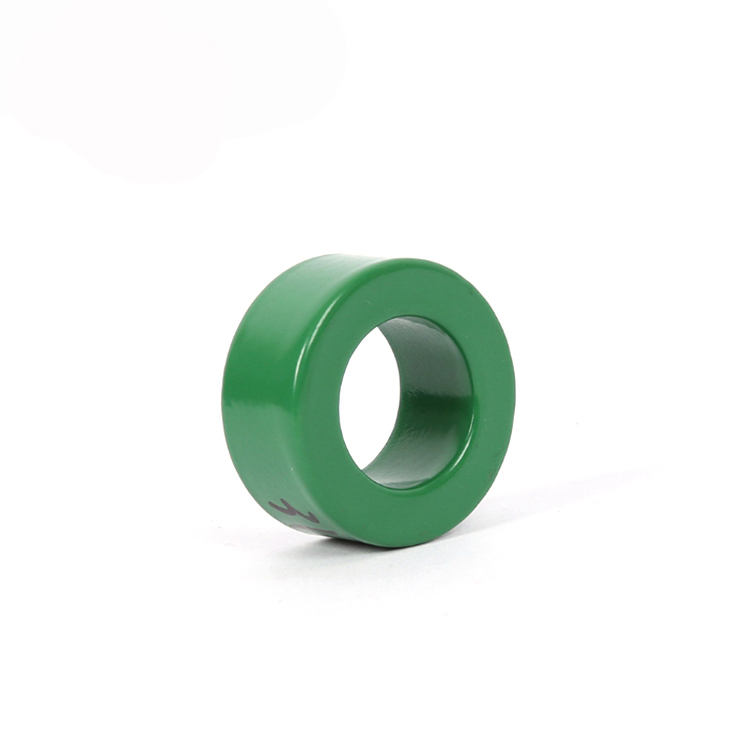
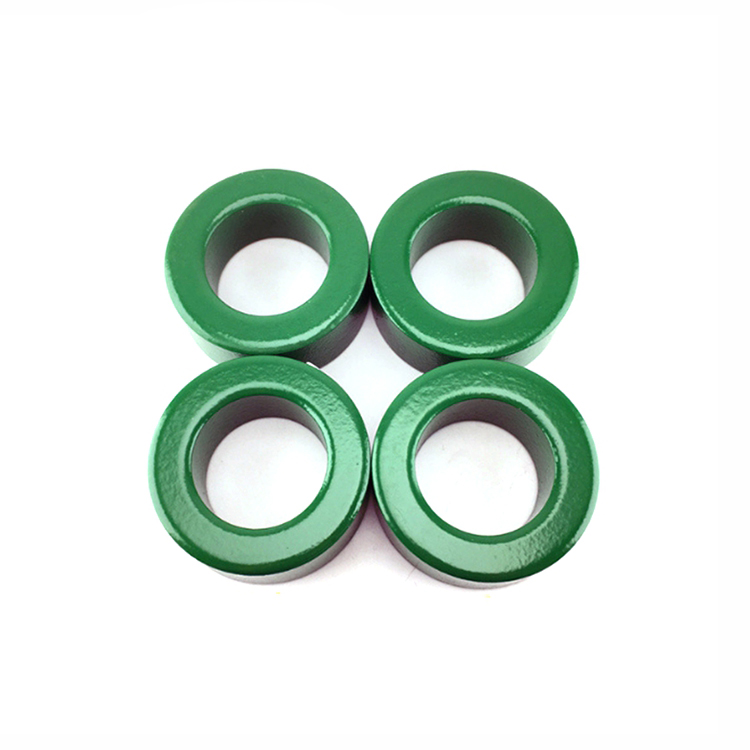
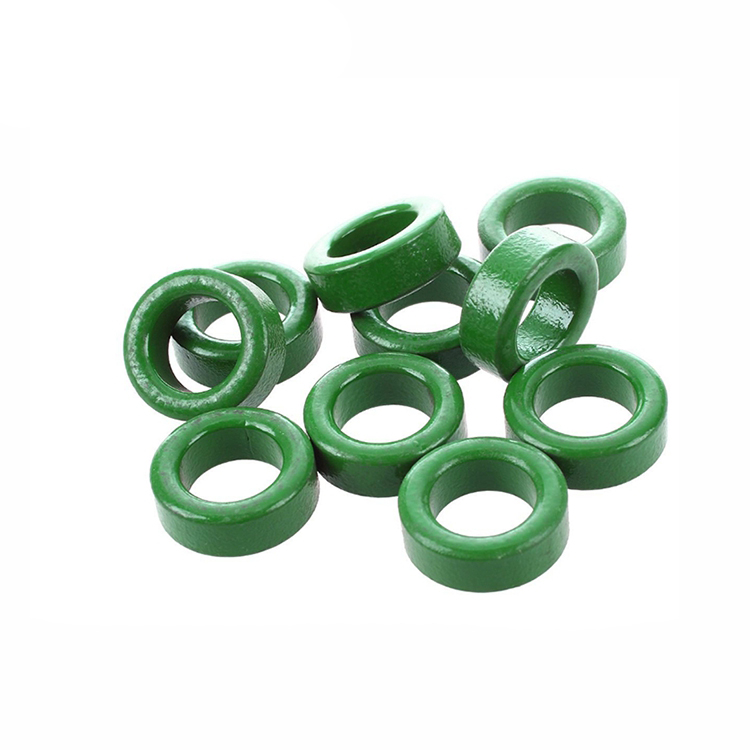
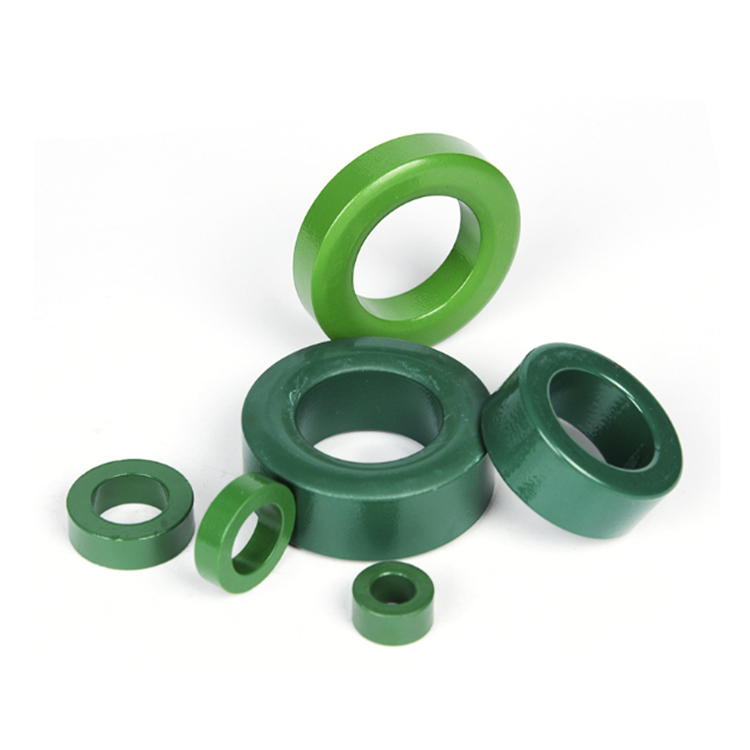
Additionally, ferrite rings have a reduced impedance, which enhances their electrical performance and effectiveness in a variety of uses.
Our Science & Durability
Cosmo Ferrites is dedicated to providing its clients with high-quality ferrite toroid cores and adhering to a client-centered philosophy.
We have received accreditations for ISO 9001:2015, ISO 14001:2015, and IATF 16949 thanks to our technological prowess and knowledge.
Our products adhere to EU RoHS regulations, and the urethane finish we use has received UL94 V-0 approval.
The R&D section and our manufacturing procedure are integrated.
Here, advances in contemporary and cutting-edge technology are guaranteed throughout the manufacturing of ferrite rings.
Toroidal Cores’ Benefits
strong magnetic effectiveness
The region of the cross-section is consistent.
Toroidal ferrite centers have a high breakdown voltage thanks to the covering.
low resistance
Lightweight and compact
takes up less room
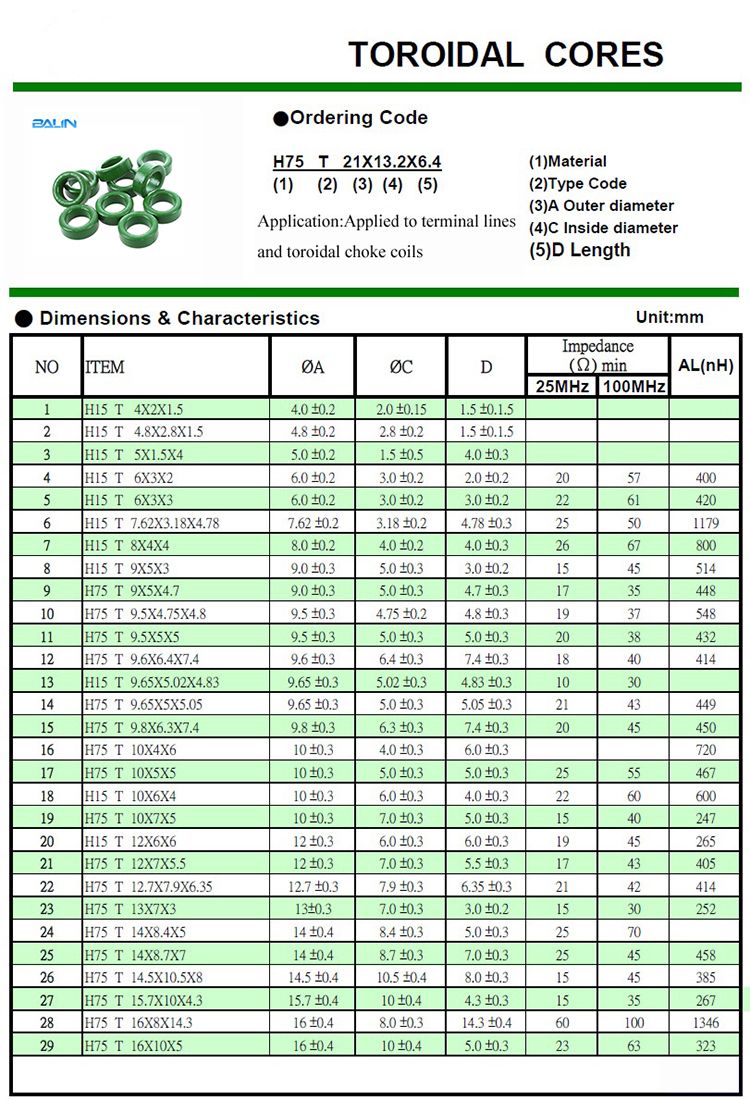
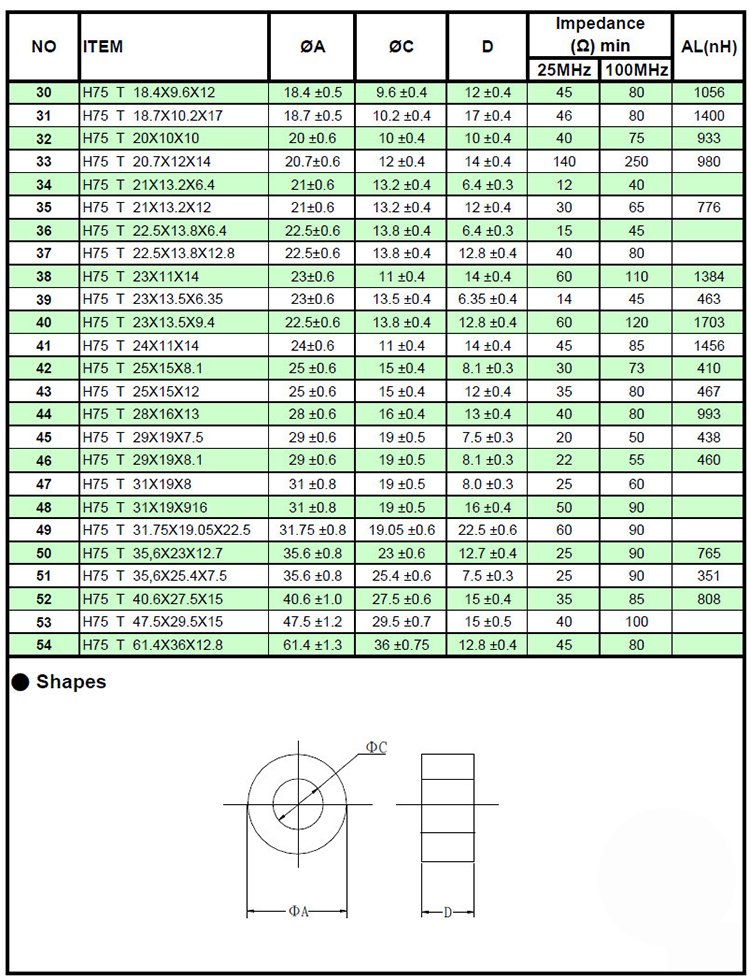
Magnetic ferrite core is nitrogen oxide composed of iron (Fe), manganese (Mn), and zinc (Zn), commonly known as manganese-zinc ferrite. Ferrite has low coercivity, also known as soft magnetic ferrite. Due to their low magnetic loss at high frequencies, they are widely used in switch-mode power supplies (SMPS), radio frequency (RF) transformers and inductors. Ferrite cores of various shapes and sizes are used in high frequency power and high quality communications markets for inductors, pulse transformers, high frequency transformers, and noise filters. The main characteristics of magnetic ferrites are high permeability, good temperature characteristics, and low decay rate. Magneto offers ten ferrite materials with permeability ranging from 750 μm to 10,000 μm and in different shapes, including ring, non-ring, and can-shaped. We provide a wide range of transformer core frames, such as printed circuit coil tubes, fixtures, surface mount coil frames, magnetic ring enclosures and bases.
There are different types of ferrite materials (click on the following specific materials to learn more about the relevant characteristics and curves of each material):
Inductor and power transformer application materials, such as L (including 750), R (including 2300), P (including 2500), F (including 3000), T (including 3000)
EMI/RFI filters and wideband transformer applications, e.g. J (5,000 µl), W (10,000 µl), M (15,000 µl)
Materials for linear transformer and sensor applications, such as C (900µ), E (2,000µ), V (2,300µ)
Air gap ferrites (also called gap ferrites), including how to order, and different tolerance ranges for air gap opening by AL value or grinding depth.
Design of power applications using ferrite, including transformer and inductor designs.
Tank ferrites for high linearity applications, with magnetic data, temperature characteristics, core size, fittings and other design standards for linear inductors used in high frequency tuned circuits.