



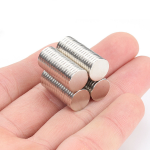
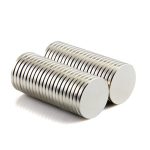
Neodymium rubber coated round base magnets, also known as disc magnets with rubber base, are a versatile and popular type of magnet. They consist of a powerful neodymium magnet core encapsulated within a protective rubber coating. The rubber coating offers several advantages, including scratch and corrosion resistance, improved grip on non-magnetic surfaces, and safety benefits by preventing accidental pinching. These magnets find use in a wide range of applications, from hanging signs and organizing tools in workshops to securing phone cases and mounting cameras in photography setups.
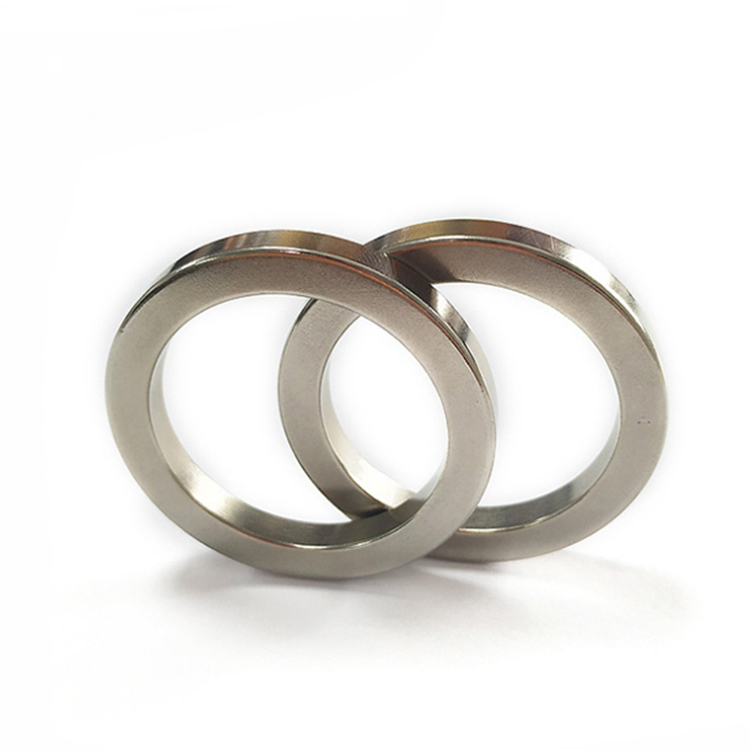
One of the key factors to consider when choosing a neodymium rubber coated round base magnet is its size. The size of the magnet will directly impact its performance and suitability for a particular application. This article will delve into the various size options available for these magnets and how to select the optimal size for your needs.
Understanding Size Options for Neodymium Rubber Coated Round Base Magnets
Neodymium rubber coated round base magnets are characterized by two primary size dimensions: diameter and thickness. These dimensions work together to determine the magnet’s overall performance and functionality.
- Diameter Variations
The diameter of a neodymium rubber coated round base magnet refers to the width of the circular base, essentially the measurement across the front of the magnet. Diameters typically range from a few millimeters for tiny magnets up to several inches for larger ones. The choice of diameter depends on the intended application:
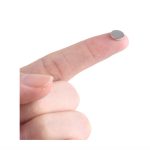
Small Diameter Magnets (up to 10mm): These compact magnets are ideal for situations requiring a discreet and low-profile solution. Common applications include securing small signs, organizing tools and craft supplies in workshops, and attaching lightweight objects to magnetic whiteboards.
Medium Diameter Magnets (10mm to 25mm): This mid-range size offers a good balance between holding power and versatility. They are suitable for hanging pictures, mounting lightweight cameras or speakers, and securing various household items.
Large Diameter Magnets (over 25mm): These magnets are designed for heavy-duty applications where significant holding force is required. They can be used for mounting larger cameras or displays, securing heavy tools, and creating strong magnets for industrial applications.
- Thickness Variations
The thickness of a neodymium rubber coated round base magnet refers to the distance from the base of the magnet to its top surface. Thickness can vary from a fraction of a millimeter for very thin magnets to several millimeters for thicker ones. The thickness is directly linked to the magnet’s pulling force, which is the weight it can hold. Generally, thicker magnets exhibit a stronger pulling force compared to thinner magnets of the same diameter.
- Aspect Ratio (Diameter vs. Thickness)
The aspect ratio of a neodymium rubber coated round base magnet refers to the ratio between its diameter and thickness. A thin magnet with a large diameter will have a high aspect ratio, while a thick magnet with a small diameter will have a low aspect ratio. The aspect ratio can influence the magnet’s properties in some ways:
High Aspect Ratio Magnets: These magnets tend to focus their magnetic force on a more concentrated area directly below the pole faces (flat surfaces of the magnet). This can be advantageous for applications requiring a strong pull force on a specific point.
Low Aspect Ratio Magnets: These magnets distribute their magnetic force more evenly across their base. This can be beneficial for applications where a wider area of holding power is desired.
It’s important to note that the impact of aspect ratio on pull force is not as significant as the overall magnet volume (diameter x thickness). A thicker magnet with a smaller diameter can still outperform a thinner magnet with a larger diameter if the volume is greater.
Additional Considerations When Choosing Size
Selecting the optimal size for a neodymium rubber coated round base magnet goes beyond just diameter and thickness. Here are some additional factors to consider:
- Pulling Force Requirements
The most crucial factor is the weight the magnet needs to hold (pulling force). Magnet manufacturers typically specify the pulling force for each size of magnet they offer. It’s important to choose a magnet with a pulling force exceeding the weight of the object you intend to hold with a comfortable safety margin. Remember, the stated pulling force is usually achieved under ideal conditions. Factors like surface roughness and material composition can slightly reduce holding power in real-world applications.
- Available Mounting Surface Area
The size of the magnet should also be compatible with the available mounting surface area. Ensure the magnet’s diameter is not larger than the flat surface where you plan to attach it. Leaving a small buffer around the edge of the magnet can improve aesthetics and provide some tolerance for slight misalignments during placement.
- Application Constraints
There might be space limitations or design constraints influencing size selection. For instance, if you’re attaching a magnet to a curved surface, a thinner magnet with a lower profile might be necessary to ensure proper contact. Similarly, if discretion is a concern, a smaller diameter magnet might be preferable.
結論
Neodymium rubber coated round base magnets come in a variety of sizes to cater to diverse applications. Understanding the concepts of diameter, thickness, and aspect ratio is crucial for selecting the optimal size for your needs. Consider the pulling force required, available mounting space, and any application constraints to make an informed decision.
Here are some key takeaways to remember:
Diameter: Choose a diameter suitable for the object you want to hold and the available mounting area. Larger diameters offer more holding power but might be less discreet.
Thickness: Thicker magnets generally have a stronger pulling force but might be bulkier. Select a thickness that balances holding power with your space constraints.
Pulling Force: Ensure the magnet’s pulling force exceeds the weight of the object you want to hold with a safety margin.
Application Constraints: Consider space limitations, design requirements, and desired level of discretion when choosing a size.
If you’re unsure about the ideal size for your specific application, don’t hesitate to consult with a reputable neodymium magnet manufacturer or supplier. They can provide expert advice based on your needs and recommend the most suitable size and grade of magnet for optimal performance. By carefully considering the available size options and following these guidelines, you can ensure you choose the perfect neodymium rubber coated round base magnet for your project.