The force necessary to separate a magnet from a steel (magnetic) plate under the following circumstances is known as the tear-off force:
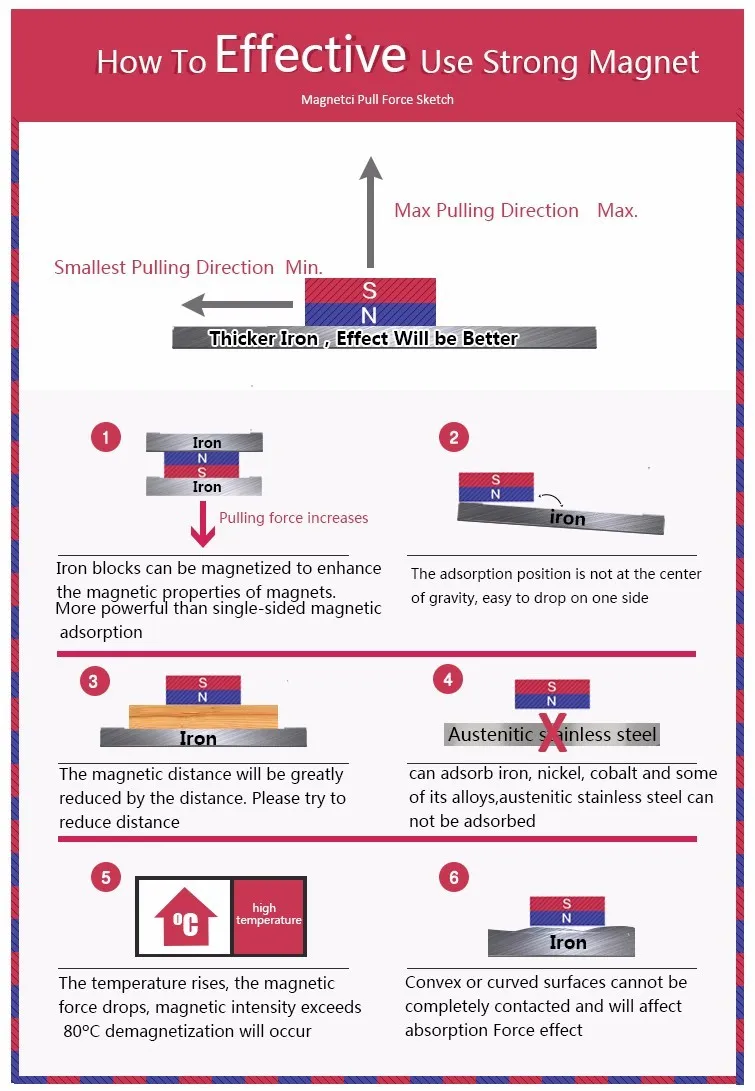
• The plate needs to be at least 10 mm thick and constructed entirely of steel.
• Because the magnet’s whole surface area touches the target item, the magnet and plate must make perfect contact.
The magnet is drawn parallel to the plate.
What lessens the magnet’s magnetic force?
• Because the surface of the provided object is uneven, only a portion of the magnet’s surface touches it.
• If the magnet is not drawn perpendicular to the surface, it can slip sideways and will break off considerably more quickly.
• There is possibly a layer of paint, a layer of rubber or plastic, or any other substance on the surface that increases the distance between the magnet and metal plate. The magnetic object is not constructed entirely of pure (magnetic) steel.
• The magnet is not in contact with the item; the magnetic force is inversely proportional to the distance between the magnet and the metal plate.
The item has corrosion.
Magnetized Finish
To prevent corrosion, nickel is coated to the magnet’s surface. Attention: The larger neodymium magnets will start to oxidize if used outside for an extended length of time or if the finish is damaged.
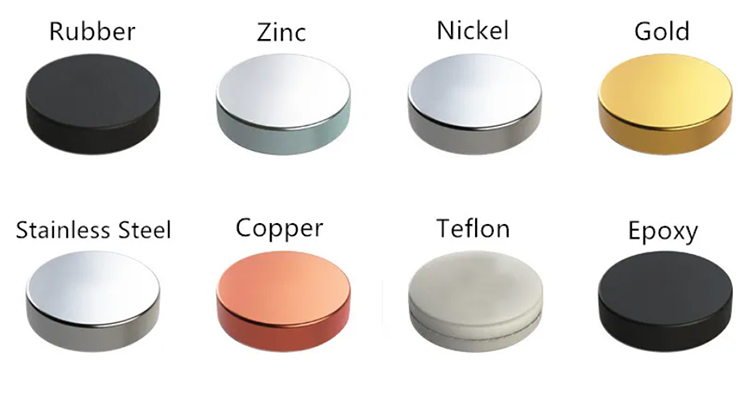
Due to their high corrosion susceptibility, neodymium magnets are frequently coated with nickel (10–20 m), zinc (5–10 m), gold (5–10 m), epoxy resin (20–30 m), or passivated (0–10 m). Typically, an intermediate layer made of copper is employed before the final surface finish.
Comparison of ferrite and neodymium magnets
advantages over neodymium magnets (ferrite magnet)
Neodymium magnets with the greatest strength are capable of lifting 1,000 times their own weight.
– Neodymium magnets work several times better than ferrite magnets at their smallest size.
Neodymium magnets can almost “any” form since they are manufactured by cutting. In most cases, a press mould is needed to make ferrite magnets. Cutting is an option for some dimensions, but only for larger quantities.
Negative aspects of ferrite magnets compared to giant neodymium magnet ones
Neodymium magnets cost more money.
– Neodymium magnets can corrode easily.
– Unlike neodymium magnets, whose temperature resistance is dependent on the kind of material, ferrite magnets all have the same temperature resistance, thus there is no need to select different types of materials.
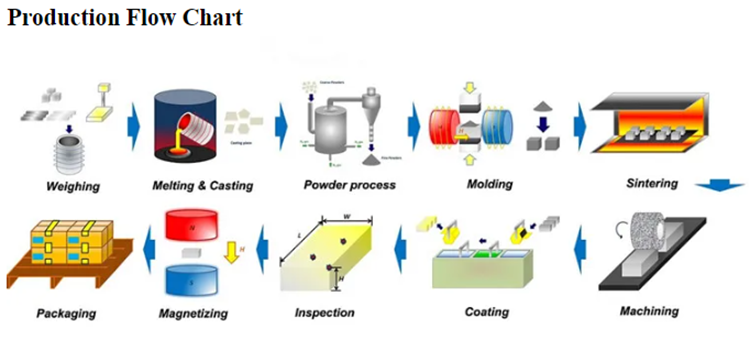
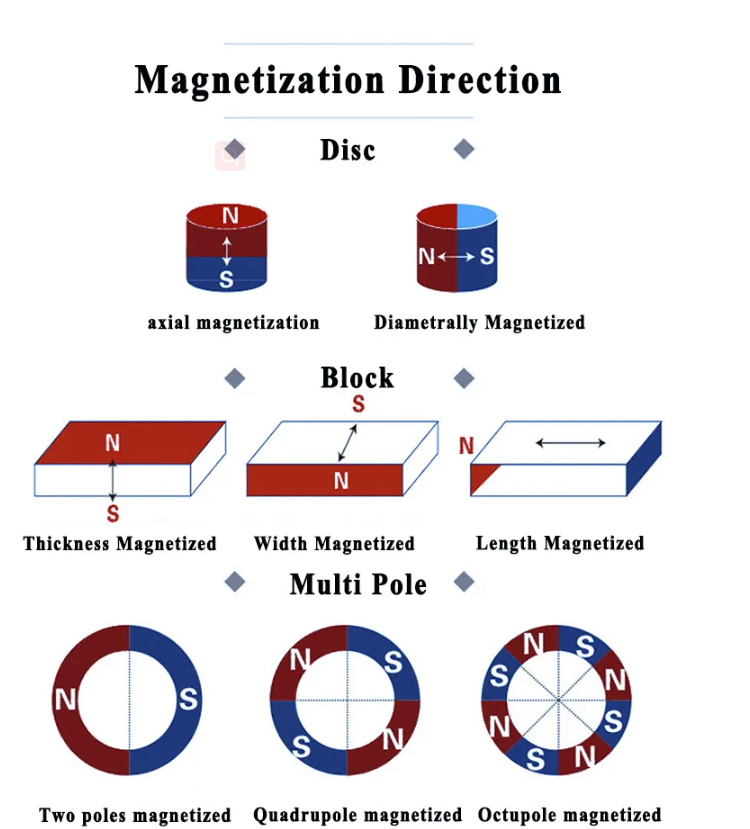
Neodymium magnets are made by sintering, and during the creation of blanks, which are later cut to precise final dimensions, their anisotropy (direction of magnetization) is typically already determined. Therefore, when the neodymium magnet’s ultimate size is finished, the kind of magnetization cannot be chosen, save in extraordinary circumstances. Using the chosen magnetizing agent, ferrite magnets, their isotropic counterpart, may be magnetized in many variants and orientations.
Because they are wet-moulded, or in a pre-determined magnetization direction, ferrite anisotropic magnets also have the magnetization direction fixed during manufacture.
FERRITE VS. NEODYMIUM MAGNETS: Strong Cylindrical Neodymium Magnets can completely demagnetize (lose all magnetic force) or alter the direction of magnetization in ferrite magnets. Neodymium and ferrite magnets should not be placed together or close to one another. Set them aside at least 10 cm.
Strong permanent magnets made from an alloy of neodymium magnets near me, iron, and boron are referred to as neodymium magnets (also called as “NdFeB,” “Neo,” or “NIB”). They belong to the family of rare-earth magnets and possess the greatest magnetic properties of all permanent magnets. Neodymium magnets are utilized in hard disk drives, mobile phones, and television visual and audio systems, among other things. Magnetic separators, filters, ionizers, on-off switches, and safety and security systems all often employ neodymium magnets.
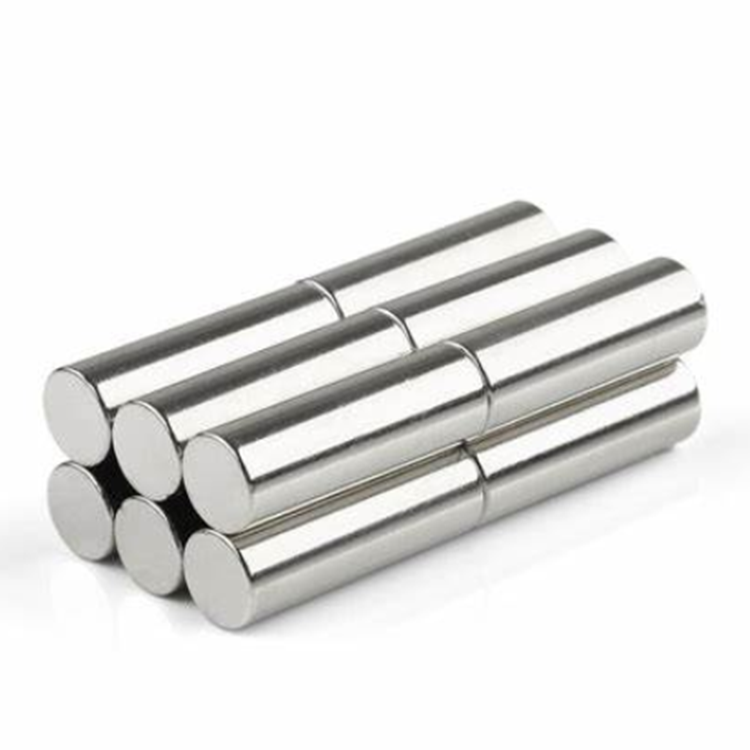
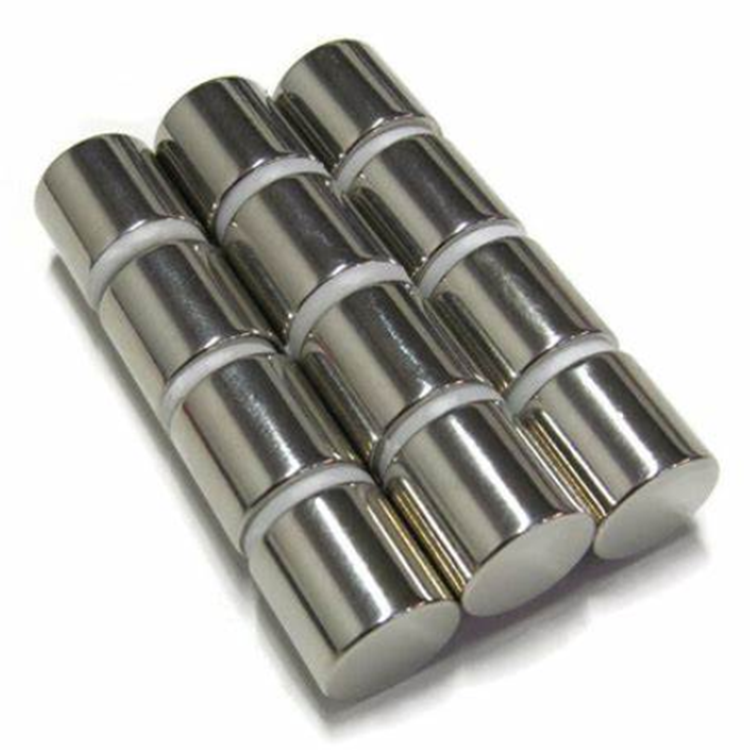
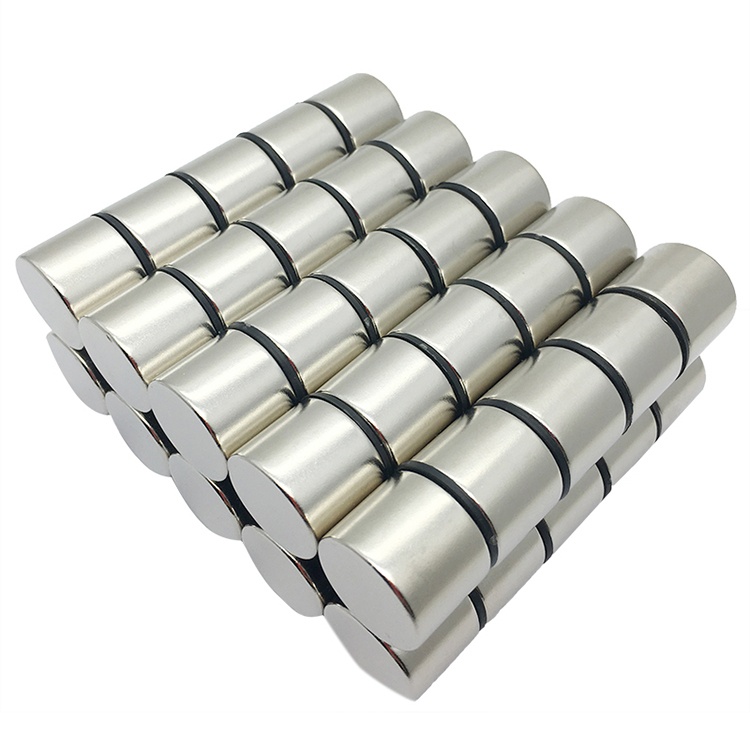
cylindrical Neodymium magnet. Strong cylindrical neodymium magnets are excellent for gripping or hanging. Neodymium magnets, which are formed of an alloy of neodymium, iron, and boron, are also known as NdFebB magnets or Neo magnets. It is very strong, tiny, and has great magnetic properties. These magnets are strong and have a high magnetic energy maximum. This magnet is frequently used in things like speakers, receivers, microphones, alarms, stage and automobile audio, MRI scanners, medical gear, and magnetic health items.
Strong Neodymium cylindrical magnets are excellent for gripping or hanging cylindrical-shaped metal items, as well as for a variety of other magnetic uses.
The combination of neodymium, iron, and boron is used to create rare earth neodymium magnets, usually referred to as NdFeB magnets or Neo magnets. They are extraordinarily strong for their small size and have great magnetic properties. Permanent neodymium magnets have a high magnetic energy peak.
Neodymium magnets have gained enormous popularity in virtually all applications that call for high performance magnets, including motors, sensors, computers, communications, medical equipment, meters, household appliances, craft models, jewelry, and so on, due to its high performance to price ratio.
Uses for neodymium magnets include:
The speaker, receiver, microphone, alarm, stage audio, automobile audio, and so on are examples of the acoustic field.
Electronics: reed switches, magnetic relays, permanent magnetic actuator vacuum circuit breakers, meters, sound meters, and sensors.
Electrical field: vibration motors, servo motors, micro-motors, generators, CD/DVD-ROM, and VCM.
Magnetic separation, a magnetic crane, and magnetic machinery are examples of machinery.
Healthcare: medical devices including MRI scanners and other magnetic health goods.
Additional industries include those that use magnetized wax, pipe descaling, magnetic fixtures, automated mahjong machines, magnetic locks, magnetic doors and windows, magnetic luggage, leather magnetic toys, magnetic tools, presents, and packaging.
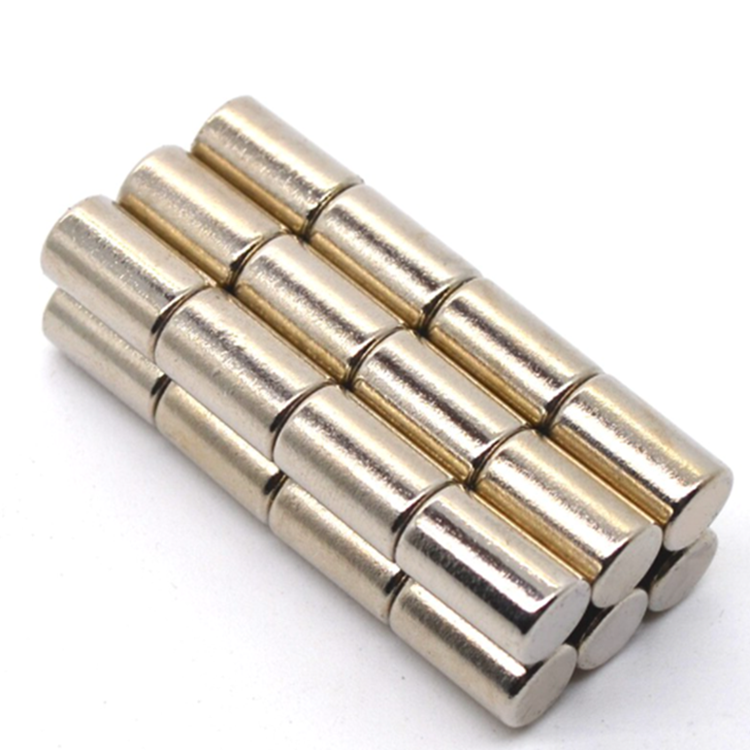
Specifications:- Cylindrical in shape
6 mm in diameter and 6 mm in thickness
Number: 1 pieces
Ni-Cu-Ni (Nickel) plating or coating
Material: Neodymium Magnets (NdFeB), tolerance +/- 0.1
Magnetization: Diameter, direction
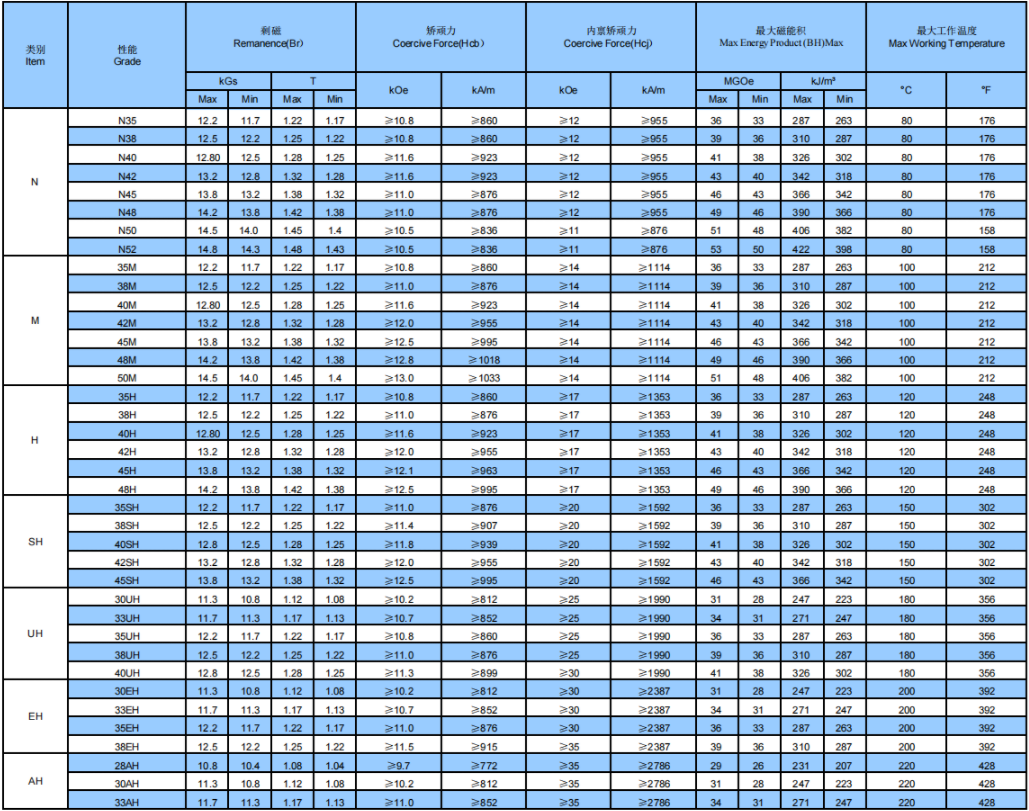
Maximum operating temperature: 176°F (80°C)
Neodymium pot magnets working with a steel pot: The powerful NdFeB magnets are mounted in a steel pot. The neodymium magnet is shielded from harm by this metal shell, which also strengthens the bond. The pot magnet must be placed directly on the metallic surface in order to provide the best adhesive force. The adhesive force can be swiftly reduced by a thin coating of iron or paint. Since the steel pot blocks the magnetic effect, the adhesive force only works on the open magnet side.
Special feature: Torx or Allen screws, for example, are used to attach the component here. The magnet may be safely fastened to the wall or ceiling by screwing the screw flush into the center hole. Then, magnetically, metallic equivalents cling to this pot magnet. 80 ° C is the maximum working temperature.
These pot magnets with ferrite core can also be used with lesser adhesive forces. In industry, trade shows, and assembly, pot magnets, assembly magnets, and holding magnets are utilized often. The lighting industry, display building, and advertising industries are all dependent on powerful pot magnets.
We provide magnets from grade N35 all the way up to the strongest N52 grade.
The diameter of our cylinder magnets determines whether they are larger than, equal to, or smaller than their height.
We refer to a magnet as a disc magnet if the height is less than the diameter.
Due to their lesser magnetic surface area, cylindrical rod magnets are weaker than disc-shaped ones.
Some of our clients create magnetic locks for jewelry boxes using tiny cylinder magnets, and others create magnetic clasps or locks for bracelets or necklaces using tiny rod magnets.
Our strong cylindrical Rare Earth magnets are widely used in industrial applications like rotating machinery, meters, instruments, sensing devices, and holding applications. They are also used in the mining industry to identify and separate metal and ferrous particles underground.
We provide magnets with dimensions ranging from 1.5 mm to 50 mm in height and 1 mm to 50 mm in diameter.
The metalworking industry and amateurs use Frenergy Magnets because we have disc magnets in a variety of sizes in stock.
Nickel plating is very strong and has a beautiful silver color.
In contrast to nickel or gold, parylene C coating is developed for anti-corrosiveness and water-resistantence, making it an excellent coating for magnets used in aquatic situations.
For our customers that operate in the food and beverage industry as well as marine environment, we provide Parylene C coated magnets specifically for them.
Unless otherwise noted, the majority of the cylindrical magnets on our list can tolerate temperatures of up to 80 degrees Celsius.
Please get in touch with us if you need magnets with a higher temperature grade.
For purchases above $100,000, we provide free shipping across Australia.
For savings on large orders, contact us.
Magnets for Disc/Cylinders
Here is a list of all Disc and Cylinder shapes. Click Ring Magnets to view magnets with holes.