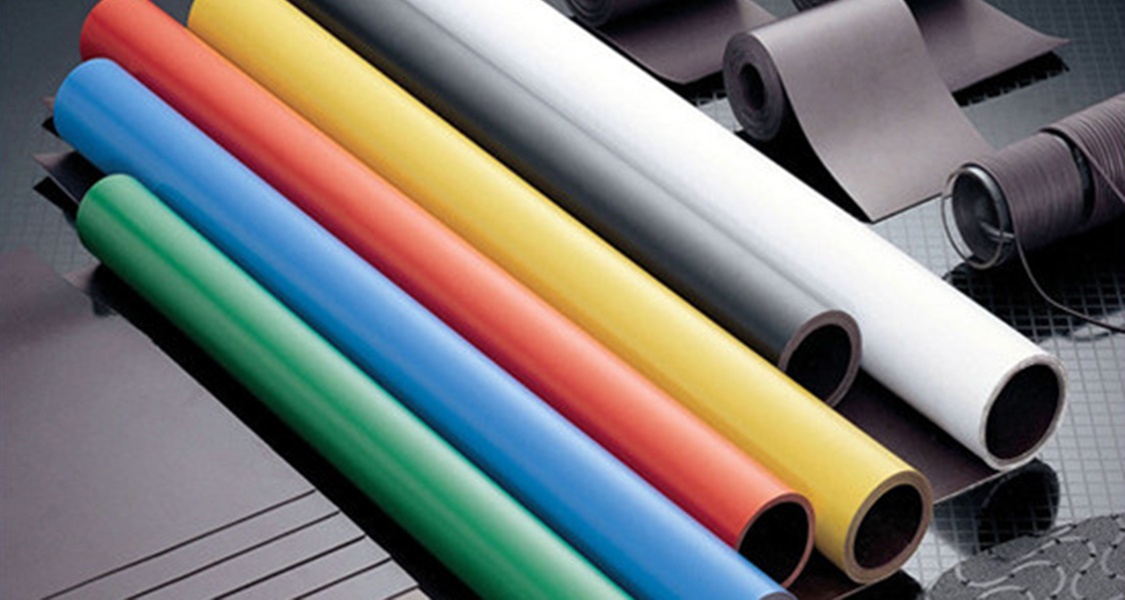
Magnete in ferrite di bario
Barium Ferrite Magnet come in two different molecular types. SrFe12O19 or SrO.6Fe2O3 are the two molecular abbreviations for strontium ferrite. BaFe12O19 or BaO.6Fe2O3 are two additional names for barium ferrite.
Barium Ferrite Magnet (Ceramic Magnets) are made by calcining a combination of iron oxide (Fe2O3) and strontium carbonate (SrCO3) or barium carbonate (BaCO3) at temperatures between 1000 and 1350 degrees C to create a ferrous material.
To enhance the magnetic efficacy in some types, additional chemicals like cobalt (Co) and lanthanum (La) are added. Then, the metallic oxide is ground into tiny particles (less than a millimetre in size; usually a few microns). Afterward, based on the kind of magnet needed, the process has two primary production choices.
streamlined method:
SrOFe2O3 + 5Fe2O3 > SrO.6 SrCO3 + Fe2O3 > SrOFe2O3 + CO2 (Fe2O3)
BaOFe2O3 + 5Fe2O3 > BaO.6 BaCO3 + Fe2O3 > BaOFe2O3 + CO2 (Fe2O3)
The first method involves pressing the desiccated, fine powder in a die to create an isotropic magnet with superior physical limits (for example, ferrite C1 grade) (it will often not require any further machining to final size). Due to the random hexagonal crystal structure, the magnet can be magnetized in any orientation subsequently.
In the second technique, the fine powder is combined with water to create a slurry that is then compressed in a die while being exposed to an external magnetic field. The ferrite C8 material’s magnetic performance is enhanced by the external magnetic field, which aids in the hexagonal crystal structure’s better alignment with the magnetic field. The water in the mixture serves as a solvent.
An anisotropic Barium Ferrite Magnet with greater magnetic characteristics is produced as a result, though it might take additional machining steps to get the desired end measurements. Wet extrusion is sometimes used in place of wet die pressing (to create arcs, for example), and the Barium Ferrite Magnet is then trimmed to the desired size following sintering (sintering is the next stage).
An exterior magnetic field could be used with the first technique to create anisotropic Barium Ferrite Magnet as well (e.g. ferrite C5).
After being compressed into “green” magnets, the granules are fused together at a temperature of 1100–1300 °C. If any finishing polishing is done, diamond cutting tools are used for it (wire spark erosion will not work because ferrite is electrically insulating).
It happens frequently that the surfaces of the magnetic poles are machined or polished to the desired quality while the other surfaces are kept in their sintered condition. The magnet is next cleaned, dried, and magnetized to saturation before being checked and packaged for delivery to the client.
Wet-pressed Barium Ferrite Magnet have superior magnetic characteristics but a higher likelihood of having wider dimensional tolerances. The magnetic characteristics of dry anisotropic hard ferrite are inferior to those of damp anisotropic hard Barium Ferrite Magnet.
As demonstrated above, tools are used to create the Barium Ferrite Magnet (dies). New tooling may be necessary for novel forms, and this manufacturing cost can be significant, especially for anisotropic magnets. To keep tooling expenses as low as feasible, modifications are made to current tools when they can be.
Dimensional limitations typically range from +/- 0.25mm to +/-3%. Depending on the grade and size/shape needed, it may be possible to make down to even less than +/-0.25mm, but this relies on what is feasible. As more cutting may be required, tighter standards are more expensive.
Between 2015 and 2020, the market for ferrite magnet powder experienced a modest increase. Barium Ferrite Magnet with electrical shielding qualities are used to make ferrite magnet granules. Iron oxide red is used as a significant basic element and is crucial to the production of ferrite magnet powder. The market for ferrite magnet powder is presently being driven by a number of variables.
The significant element that has made a significant contribution to the market’s expansion is the growing number of commercial uses for ferrite magnetic powder. Medium and higher energy speaker rings, magnetic dividers, trinkets, novelty items, magnetic treatment, holding-magnet systems, car motors, NMR gadgets, and coatings for magnetic recording cassettes are just a few examples of the uses.
The study offers a techno-commercial roadmap for establishing a Barium Ferrite Magnet production facility as well as a thorough analysis of the ferrite magnet industry. Metallic magnets can be replaced with ferrite magnets because they are less expensive.
These are gradually gaining popularity among makers due to their superior demagnetization resistance and outstanding rust resistance. There are two types of ferrite persistent magnets: barium ferrite and strontium ferrite. The publication anticipates that between 2021 and 2026, the worldwide market for ferrite magnet powder will expand at a CAGR of 4.72%.
Key geographic areas have been used to divide the market in the study. China, the United States, Japan, India, and other areas are some of the ones the study covers. China is the largest producer and user of ferrite magnets among them, meeting more than 60% of the overall demand. In addition to this, the study has also examined the market’s competitive environment. The main Barium Ferrite Magnet manufacturers, Xiamen BALIN NEW MATERIALS CO.,LTD.
The study, which has been done by one of the world’s leading research and advisory firms, covers all the requisite aspects of the ferrite magnet industry. This ranges from macro overview of the market to micro details of the industry performance, processing and manufacturing requirements, project cost, project funding, project economics, expected returns on investment, profit margins, etc. This report is a must-read for entrepreneurs, investors, researchers, consultants, business strategists, and all those who have or plan to have any kind of stake in the ferrite magnet industry.
Barium Ferrite Magnet Content
Magnets made of ferrite, or ceramic, are resistant to corrosion and can be used in water without experiencing any corrosion at all. Their high coercivity and relatively low cost make them ideal for use in motors, especially high temperature motors, even if they are not as powerful as Rare Earth Neodymium Magnets (NdFeB).
Barium Ferrite Magnets are the best choice for low-cost uses.
In addition to being electrically insulators, ferrite magnets prevent eddy currents from flowing through them.
Iron magnets work well at higher temperatures, but they are not the best choice for extremely cold environments.
Other names for Barium Ferrite Magnet include ceramic, hard, and ferroba magnets. They are among the materials for permanent magnets that are utilized the most extensively worldwide. A cheap magnet material that is ideal for larger volume production runs is ferrite. They are quite good at insulating against electricity, which is why they are called ceramic.
Ferrite Magnet Features & Characteristics
Because ferrite magnets don’t corrode, they work incredibly well in moist, damp, or marine settings. Iron cannot oxidize (or “rust”) any more in water since it is already in a stable oxidized form within its structure. Ceramic Ferrite magnets come in two varieties: Strontium Ferrite (SrO.6Fe2O3) and Barium Ferrite (BaO.6Fe2O3). Because of their superior magnetic qualities, strontiumBarium Ferrite Magnet are produced most frequently.
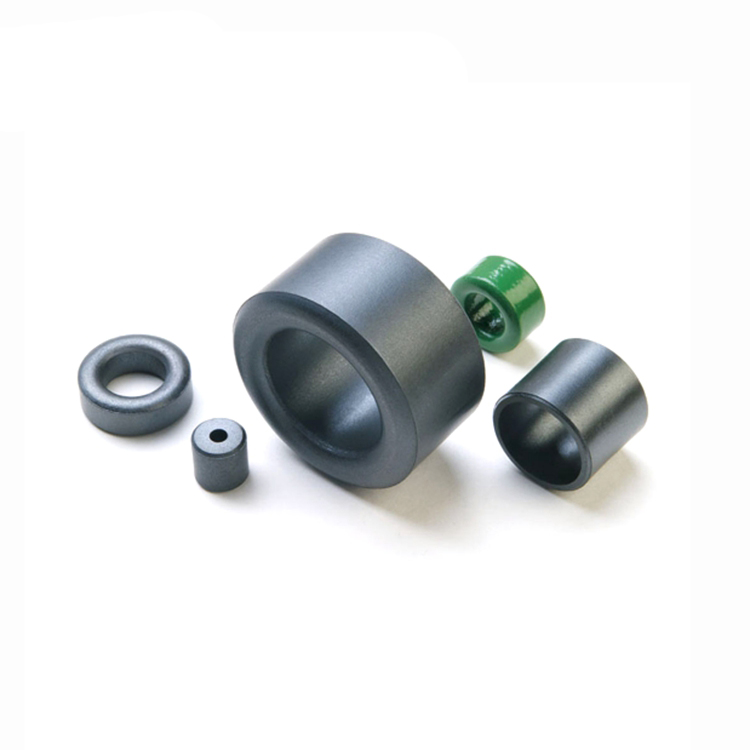
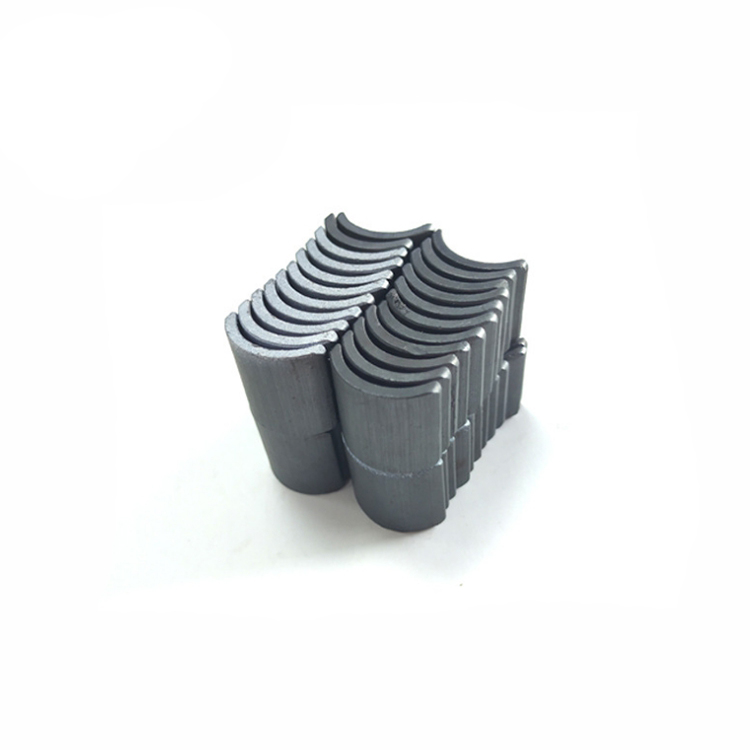
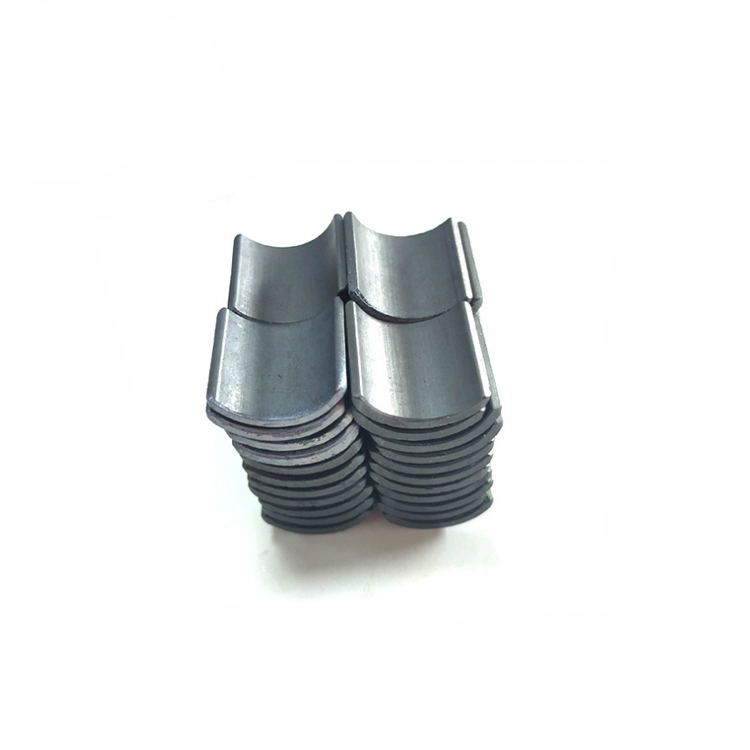
The color of Barium Ferrite Magnet, also known as ceramic magnets, is typically described as “pencil lead,” or a dark gray color. Their magnetic performance is ferrimagnetic; they have a strong magnetic field and power, but not as much power as SmCo or NdFeB relative to their size.
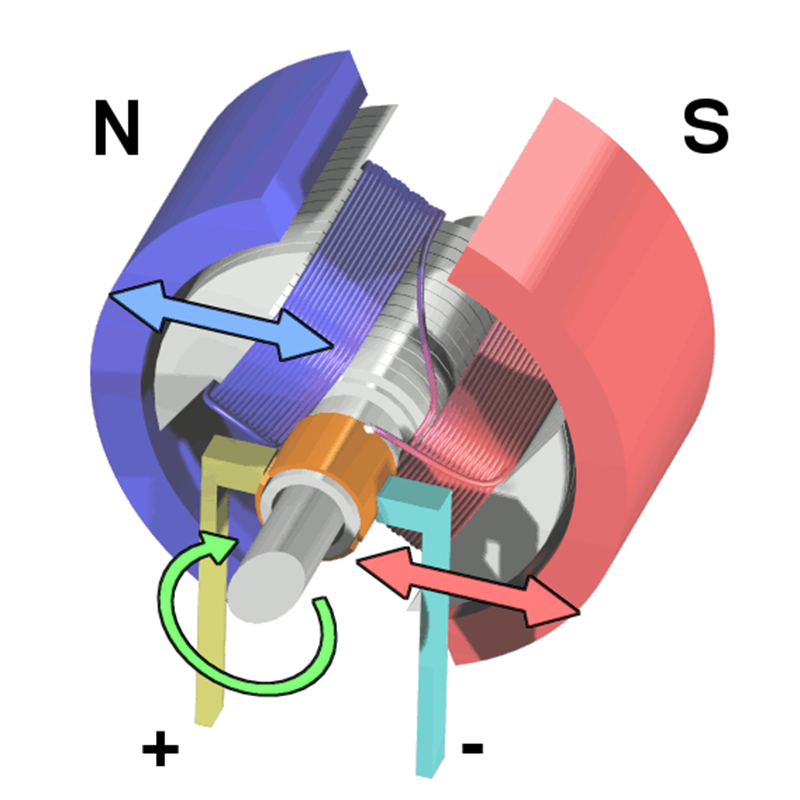
They are found in practically all industries, but are particularly well-liked in designs for motors, generators, loudspeakers, and boats. Automotive, sensor, machines, advertising, aerospace, military, electrical/electronic, design house, and research and development are a few examples. The highest temperature at which ferrite magnets can be utilized is +250 degrees Celsius (and in certain cases, maybe even +300 degrees Celsius).
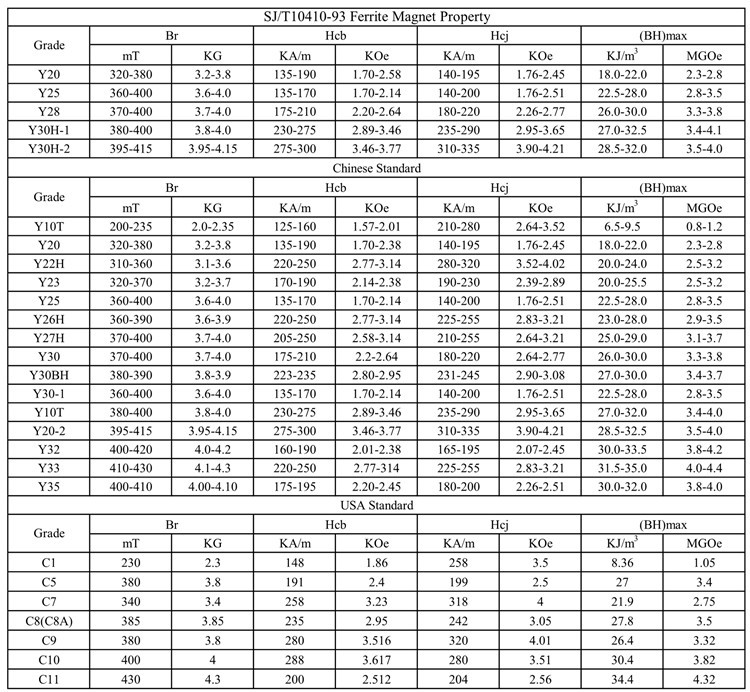
Right now, there are 27 different grades of ferrites available. These days, C5 (also called Feroba2, Fer2, Y30, and HF26/18) and C8 (also called Feroba3, are the two primary grades utilized.
Fer3 and Y30H-1). A common option of Barium Ferrite Magnet for uses like overband magnets is C 5 / Y30. For applications like loudspeakers and occasionally motors, C8 / Y30H-1 is a preferable option because it has a higher Hc and Hci and a similar Br to C5.
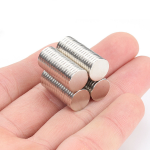
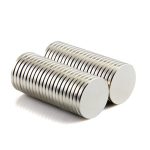
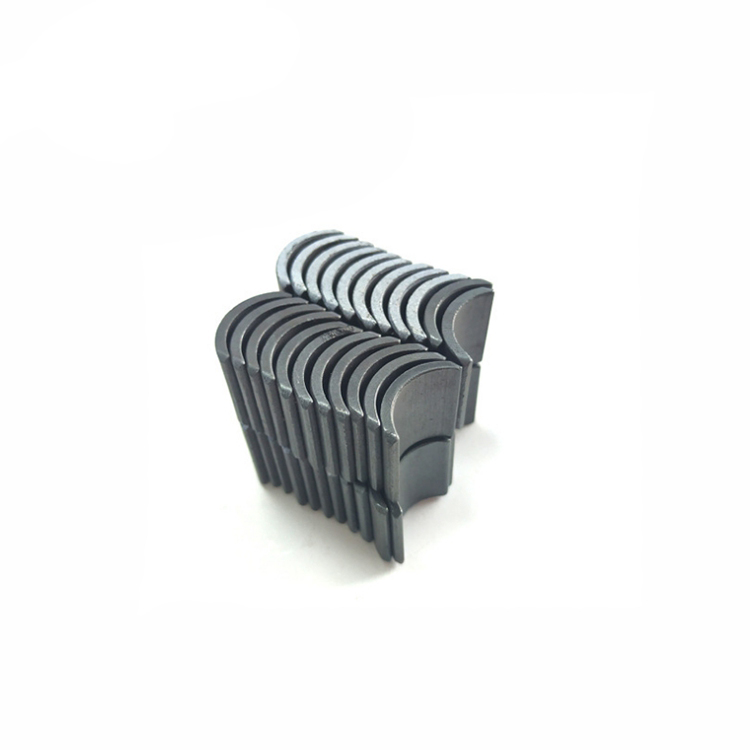
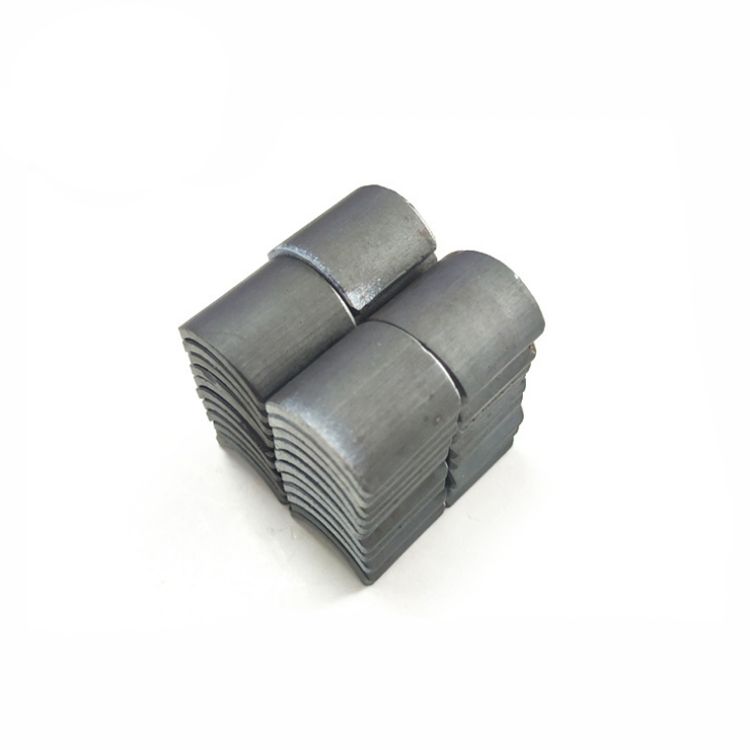
Ferrite magnets come in a variety of sizes and forms. The only methods of machining to size are grinding operations because wire spark erosion cannot occur due to the electrically insulating Ferrite material. As a result, the primary forms are rods, arcs, rings, discs, and blocks.
Common Uses for Ferrite (Ceramic) Magnets: Marine Applications; Motors and Generators; Meters
applications using high temperatures.
Pot magnets and clamping systems at reduced costs
Magnets for loudspeakers: Overband
For instance: NdFeB Neodymium magnets were being used by a corporation to clamp onto hot mild steel surfaces, but the magnets were having trouble working and were expensive. We produced ferrite pot magnets, which not only offered a direct draw force that was sufficient, but they could also withstand high temperatures, their design prevented damage to the magnets, and the system was less expensive and simpler to maintain.
Barium Ferrite Magnets are sometimes described as looking like “pencil lead” because of their darker grey color.
Hard ferrite materials, which keep their magnetism even after brief exposure to an external magnetic field due to their high coercivity (Hc), are the technical term for ferrite/ceramic permanent magnets.
They are not the same as the soft ferrite materials used in transformer cores, which have low coercivity and lose their magnetism when exposed to a short magnetic field. Like all other permanent magnets, ferrite magnets are categorized as hard materials due to their high coercive force.
Because of these properties, ferrite magnets are very common. Barium Ferrite Magnet exhibit zero corrosion and provide exceptional long-term performance. With proper maintenance, they can outlast the majority of product lifecycles. Up to +250 degrees Celsius (and occasionally up to +300 degrees Celsius), ferrite magnets are useful. Ferrite magnets are relatively inexpensive, especially when produced in large quantities. We provide ferrite permanent magnets in 27 different grades.
The creation of Barium Ferrite Magnet and their properties are described in general on this webpage. You should be able to calculate your needs for a Barium Ferrite Magnet from this (or we can help if you need additional guidance). After that, we are able to send you a quote for the magnet specifications you require.
We provide Barium Ferrite Magnet magnets to the automotive, aerospace, military, advertising, design house, electronic, and academic/research sectors worldwide. Please get in touch with us if you need custom Ferrite/Ceramic magnets, magnetic assemblies, technical support, or our Ferrite/Ceramic Magnet Technical Data Sheet. Please get in touch with us if you would like a quote for a custom form or an existing magnet. Given that our production facility is located in China, we provide a very affordable price.