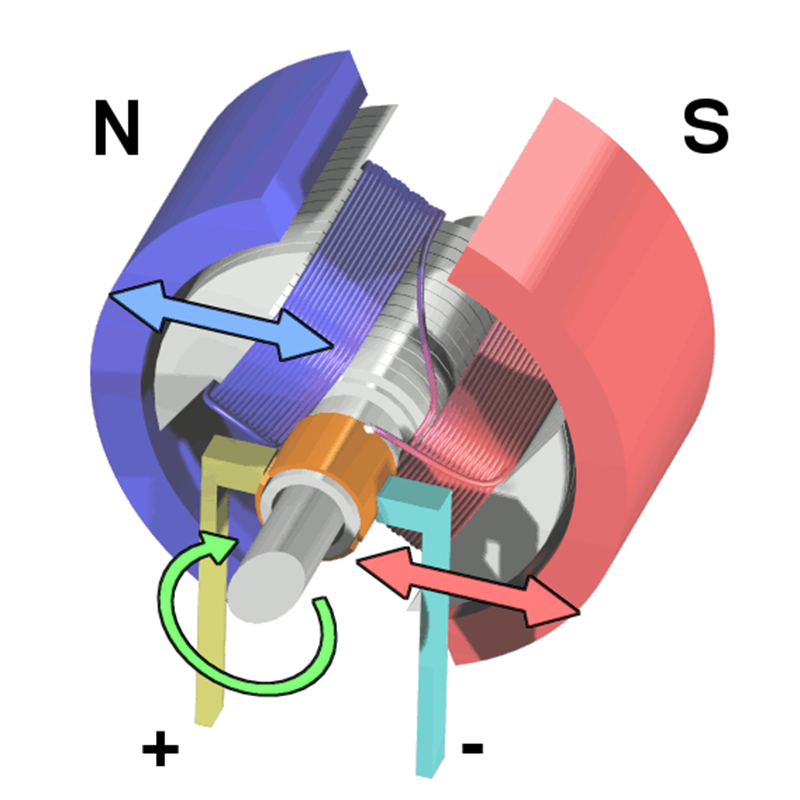


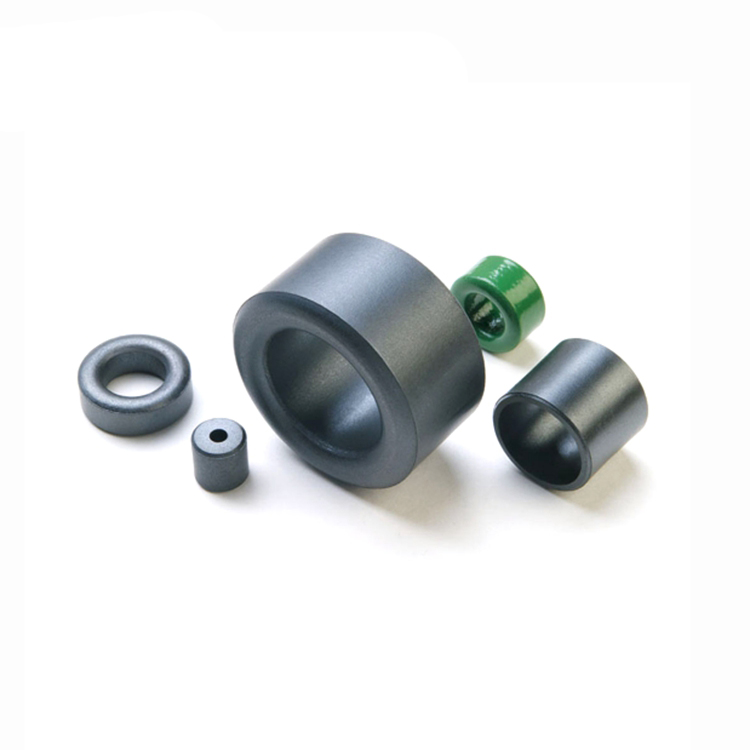


Electric motors are ubiquitous in our daily lives, powering everything from home appliances to industrial machinery. A crucial component within these motors is the magnet, which generates the magnetic field necessary for rotation. While various types of magnets exist, ferrite arc magnets for motor have traditionally been a popular choice due to their affordability and ease of manufacturing. However, these magnets come with inherent limitations that can hinder motor performance in specific applications. This article delves into the key limitations of ferrite arc magnets for motors, empowering you to make informed decisions when selecting magnets for your motor projects.
Introduction
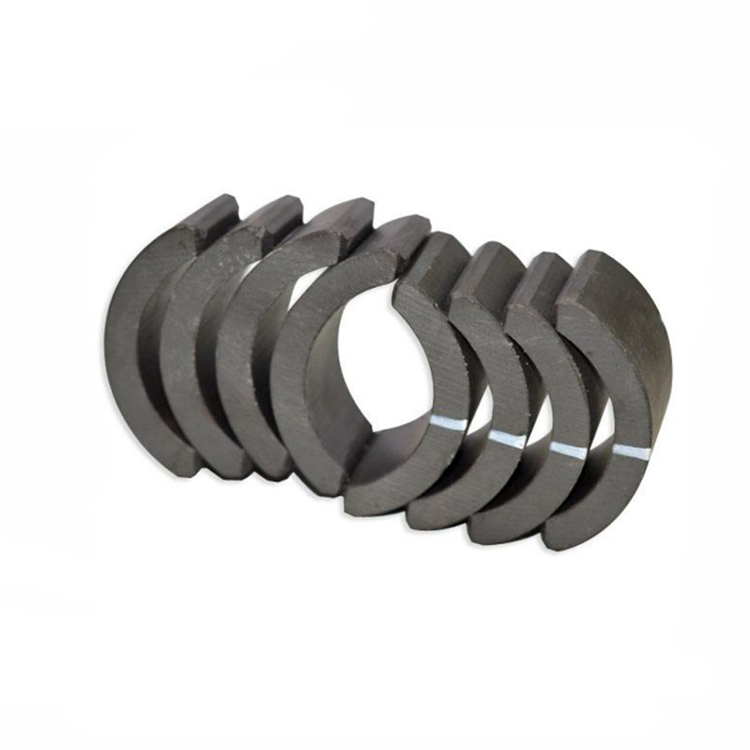
Ferrite arc magnets, also known as ceramic magnets, are a type of permanent magnet composed of ceramic materials like iron oxide. They are commonly shaped into arcs due to their frequent use in electric motors. These magnets offer several advantages, including affordability, good corrosion resistance, and reasonable mechanical strength. However, when it comes to maximizing motor performance, ferrite arc magnets for motor exhibit certain limitations compared to other magnet types. Selecting the right magnet for your specific motor application is crucial for achieving optimal efficiency, power output, and overall functionality.
Key Limitations of Ferrite Arc Magnets in Motors
- Lower Magnetic Strength
Magnetic strength, measured in units like Tesla (T), refers to the intensity of a magnet’s field. This strength plays a vital role in motor performance. Ferrite arc magnets for motor possess a lower magnetic strength compared to other popular magnet types like neodymium (rare earth) magnets. This disparity translates to limitations in two key motor aspects: power and torque.
Power: Motor power output is directly proportional to the magnetic field strength generated by the magnets. Lower magnetic strength in ferrite magnets translates to a lower force acting on the motor’s rotor, ultimately limiting its power output. This can be a significant drawback for applications requiring high-powered motors, such as power tools or electric vehicles.
Torque: Torque refers to the twisting force produced by the motor. Similar to power, torque is also influenced by magnetic field strength. The lower magnetic strength of ferrite magnets translates to lower torque, limiting the motor’s ability to overcome resistance or handle heavy loads. This can be a concern for applications requiring high starting torque, such as in compressors or conveyor belts.
- Lower Energy Product
The energy product of a magnet is a metric that combines its magnetic strength and ability to store magnetic energy. This value directly impacts motor efficiency. Ferrite arc magnets for motor have a lower energy product compared to other magnet types. This translates to lower efficiency in motors using ferrite magnets, meaning a greater portion of the input energy is converted into heat rather than useful mechanical work.
The consequences of lower motor efficiency include:
Increased Heat Generation: Inefficient motors generate more heat due to wasted energy. This can lead to thermal overload, potentially damaging motor components and shortening its lifespan. Additional cooling systems might be necessary to compensate for the increased heat generation, adding complexity and cost to the motor design.
Higher Energy Consumption: Lower motor efficiency translates to higher energy consumption to achieve the same output power. This can be a significant concern for applications where energy efficiency is a priority, such as in battery-powered devices or environmentally conscious designs.
- Sensibilité à la température
All magnets have a Curie temperature, the point at which they lose their permanent magnetic properties. Ferrite arc magnets for motor generally have a lower Curie temperature compared to other magnet types, such as neodymium magnets. This translates to limitations in high-temperature applications. In motors operating in hot environments, ferrite magnets might experience a decrease in magnetic strength, leading to a decline in motor performance. This can be a critical factor for motors used in industrial settings with high ambient temperatures, such as in steel mills or furnace applications.
The potential performance issues arising from temperature sensitivity include:
Reduced Power and Torque: As the temperature approaches the Curie point, the magnetic strength of ferrite magnets weakens. This translates to a reduction in motor power and torque, potentially hindering the motor’s ability to function effectively in high-temperature environments.
Demagnetization: In extreme heat conditions exceeding the Curie temperature, ferrite magnets can permanently lose their magnetic properties, rendering the motor inoperable. This necessitates careful consideration of the operating temperature range when selecting magnets for specific motor applications.
Additional Considerations (Optional)
While the focus lies primarily on magnetic properties, it’s important to acknowledge that weight and size limitations can also be relevant factors in certain motor designs.
- Weight: Ferrite magnets have a higher density compared to some other magnet types, such as neodymium. This can be a concern for applications where weight reduction is critical, such as in aerospace or robotics. The weight of the magnets can contribute to the overall weight of the motor, impacting its performance and efficiency.
- Size: Due to their lower magnetic strength, ferrite magnets might require larger volumes to achieve the same magnetic field strength as smaller, more powerful magnets. This can be
a limiting factor in space-constrained applications where a compact motor design is crucial. Additionally, larger magnets might require adjustments to the motor housing and overall design to accommodate them.
Conclusion
Ferrite arc magnets for motor offer a cost-effective and readily available solution for various motor applications. However, their inherent limitations in magnetic strength, energy product, and temperature sensitivity become apparent when aiming for high-performance motors.
Here’s a quick recap:
Lower magnetic strength: Limits motor power output and torque.
Lower energy product: Reduces motor efficiency, leading to increased heat generation and energy consumption.
Temperature sensitivity: Performance declines in high-temperature environments, potentially leading to demagnetization at extreme temperatures.
Weight and size (optional): Higher weight compared to some magnet types, and larger size might be required for equivalent magnetic field strength, impacting motor design.
Therefore, it’s crucial to carefully consider the limitations of ferrite arc magnets for motor when selecting them for your motor project. In applications demanding high power, efficiency, or operation in hot environments, other magnet types like neodymium might be a more suitable choice despite their higher cost. However, ferrite magnets remain a valuable option for situations where:
Cost is a primary concern: Ferrite magnets are significantly more affordable than other magnet types.
Motor operates at low temperatures: Ferrite magnets perform well in cooler environments.
Lower power and torque requirements: For applications requiring a less powerful motor, ferrite magnets can provide a cost-effective solution.
By understanding the limitations and ideal application scenarios for ferrite arc magnets, you can make informed decisions when selecting the most appropriate magnet type for your specific motor project, ensuring optimal performance, efficiency, and cost-effectiveness for your needs.