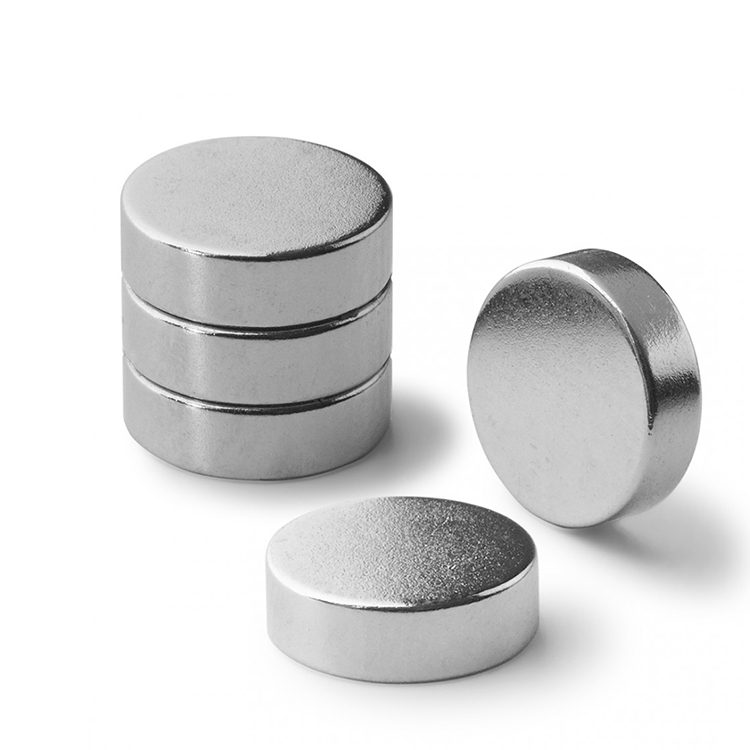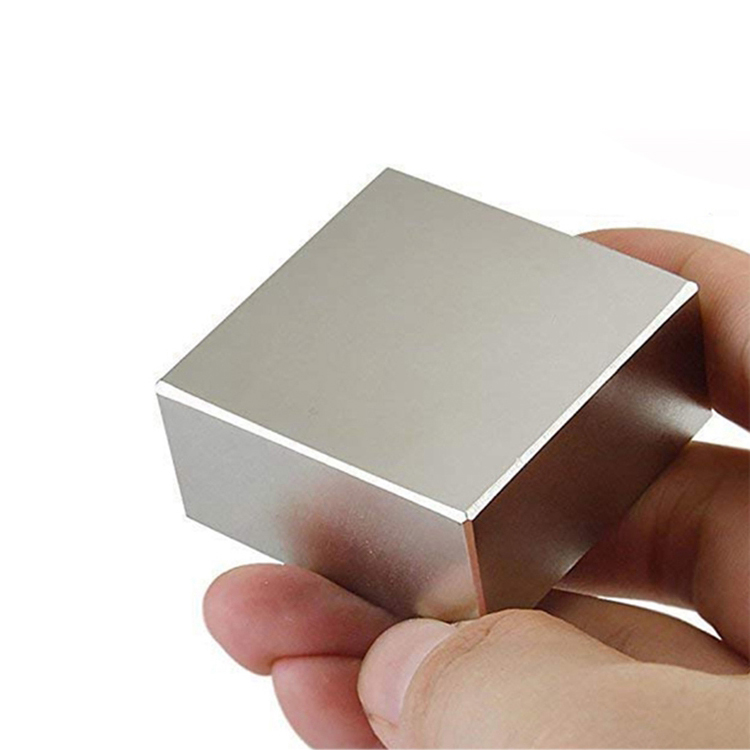


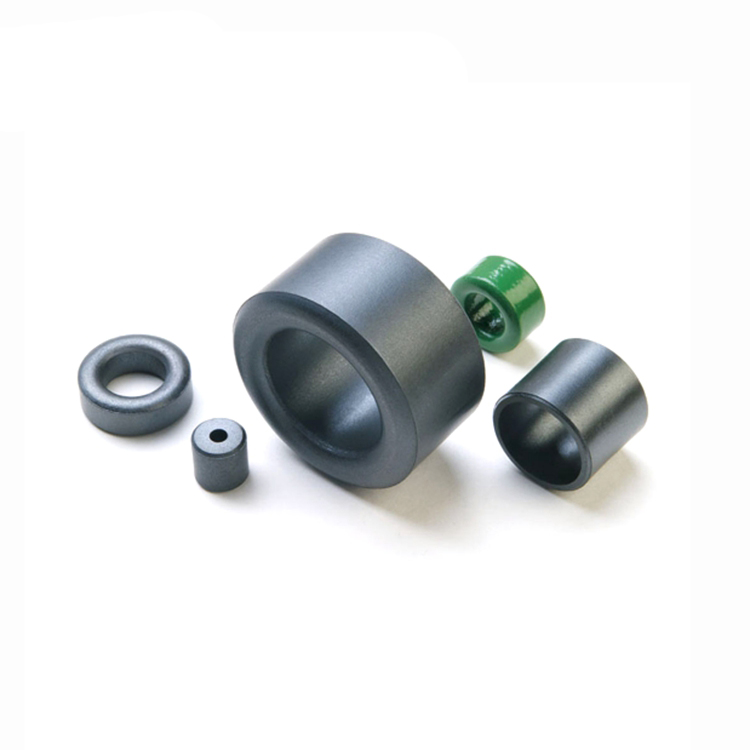



The mechanical properties of magnetic steel include hardness, compressive strength, flexural strength, tensile strength, impact toughness, Young’s modulus, etc. sintered magnet production is a typical brittle material. The hardness and compressive strength of magnetic steel are high, but the bending strength, tensile strength and impact toughness are poor. This makes the magnetic steel prone to drop corners or even cracks during processing, magnetization and assembly. Magnetic steel in components and equipment usually needs to be fixed with slots or adhesives, and at the same time provide shock absorption and buffer protection.
The fracture surface of sintered NdFeB is a typical intergranular fracture, and its mechanical properties are mainly determined by its complex multiphase structure, and are also related to formula components, process parameters and structural defects (holes, large grains, dislocations, etc.) . Generally speaking, the lower the total amount of rare earth, the worse the mechanical properties of the material. By adding Cu, Ga and other low-melting point metals in an appropriate amount, improving the grain boundary phase distribution can enhance the toughness of the magnetic steel. Adding high-melting point metals such as Zr, Nb, and Ti can form precipitated phases at grain boundaries, which can suppress crack extension while refining grains, and help improve strength and toughness; but excessive addition of high-melting point metals will cause hardness of magnetic materials If it is too high, it will seriously affect the processing efficiency.
In the actual production process, it is difficult to balance the magnetic and mechanical properties of magnetic materials. Due to cost and performance requirements, it is often necessary to sacrifice its ease of processing and assembly.
thermal properties
The main thermal performance indicators of NdFeB magnets include thermal conductivity, specific heat capacity and thermal expansion coefficient.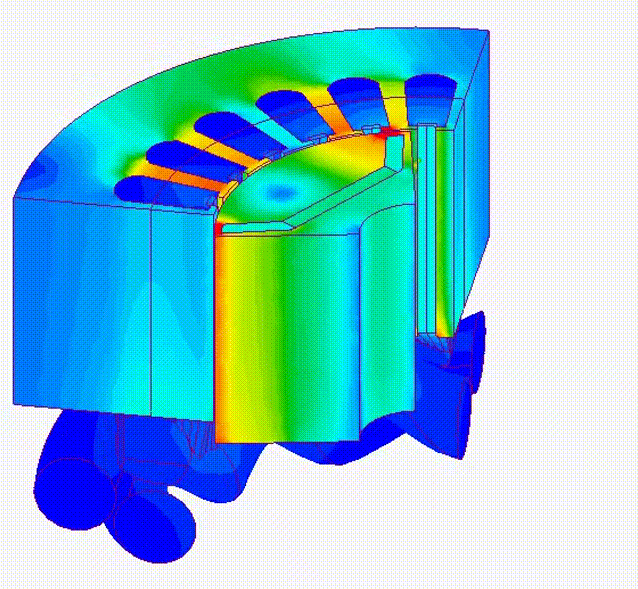
The performance of the magnetic steel gradually decreases with the increase of temperature, so the temperature rise of the permanent magnet motor becomes the key factor affecting the long-term load operation of the motor. Only good heat conduction and heat dissipation capabilities can avoid overheating and maintain the normal operation of the equipment. Therefore, we hope that the magnetic steel has a high thermal conductivity and specific heat capacity. On the one hand, the heat can be quickly conducted and dissipated, and at the same time, the same heat will cause a lower temperature rise.
NdFeB magnets are easy to magnetize in a specific direction (∥C axis), and the magnets will expand when heated in this direction; but there is a negative expansion phenomenon in the two directions (⊥C axis) that are difficult to magnetize, that is, thermal shrinkage. The existence of thermal expansion anisotropy makes the radiant ring magnetic steel easy to crack during sintering; and in permanent magnet motors, the frame of soft magnetic material is often used as the support of the magnetic steel, and the different thermal expansion characteristics of the two materials will affect the temperature rise. Size fit.
electrical properties
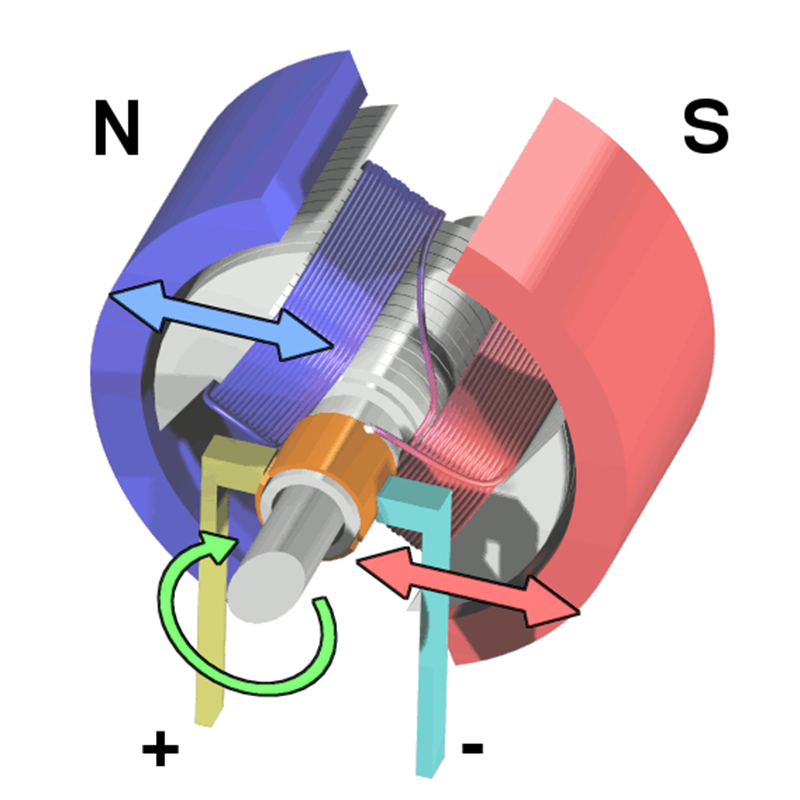
In the alternating electromagnetic field environment where the permanent magnet motor rotates, the magnet will generate eddy current loss and cause temperature rise. Since the eddy current loss is inversely proportional to the resistivity, increasing the resistivity of the NdFeB permanent magnet will effectively reduce the eddy current loss of the magnet and the magnet. temperature rise. The ideal high-resistivity magnetic steel structure is to increase the electrode potential of the rare earth-rich phase to form an isolation layer that can prevent electron transmission, and realize the wrapping and separation of high-resistance grain boundaries relative to the main phase grains, thereby improving the sintered NdFeB magnet. Resistivity. However, neither the doping of inorganic materials nor the layering technology can solve the problem of deterioration of magnetic properties, and there is still no effective preparation of magnets with both high resistivity and high performance.
Do you have any idea how the powerful NdFeB magnet is created? The required ingredients are contained in an alloy that needs to be ground into small particles, collected into a shape, and then sintered. After that, cut to the necessary size to finish. It always seems like baking a cake throughout this procedure.
High-performance aircraft engines have a lot of technological requirements, and they also have a lot of raw material needs. The engine’s performance is closely correlated to the performance of the raw materials. An aviation engine has a more involved operating system. will generate a lot of heat, thus engine components need to be heat-resistant. This technique is incredibly demanding and complex. Many rare earth metals are needed as raw ingredients in order to make these alloys. Cobalt is a crucial raw element for the creation of heat-resistant alloys, hard alloys, anti-corrosion alloys, magnetic alloys, and different cobalt salts due to its high temperature resistance as a rare earth metal.
The market for rare earths is diverse. It is more than simply a product; it is made up of 15 rare earth elements, including yttrium, scandium, and other compounds with purity levels ranging from 46% chloride to 99.9999% rare earth metal. has several applications. There are innumerable products, along with related substances and mixes. We first describe the rare earth separation methods and smelting procedure one by one, beginning with the initial mining of the ore.
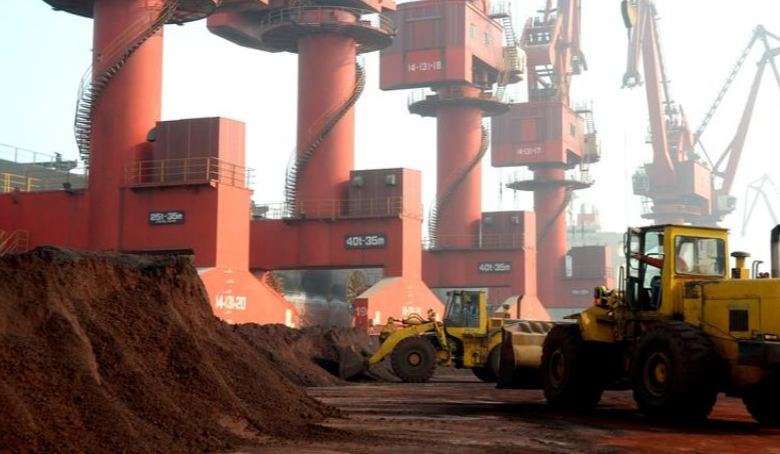
Beneficiation of rare earths
Utilizing the variations in the physical and chemical characteristics of the many minerals that make up the ore is known as beneficiation. To enhance the beneficial minerals in the ore and eliminate detrimental impurities, multiple beneficiation techniques are used, along with various beneficiation processes and equipment. Additionally, it underwent mechanical processing to remove from gangue minerals.
Only a small percentage, if any, of rare earth oxides are found in the rare earth ores that are mined all over the world. Before smelting, the rare earth minerals are beneficiated to separate them from gangue minerals and other valuable minerals in order to suit the production needs of smelting. A rare earth concentration that can satisfy the needs of rare earth metallurgy may be obtained to enhance the content of rare earth oxides. Flotation is typically used in the beneficiation of rare earth ore, and it is frequently combined with gravity separation and magnetic separation.
Method of rare earth concentrate decomposition
Common forms of rare earth in concentrates include carbonates, fluorides, phosphates, oxides, and silicates, all of which are difficult to dissolve in water. Through several chemical processes, the rare earth must be transformed into substances that are soluble in water or inorganic acids. Various mixed rare earth compounds, such as mixed rare earth chlorides, are created, as products, or separated after dissolving, separating, purifying, concentrating, or burning, etc. Such a procedure is known as rare earth concentrate breakdown or pretreatment for a single rare earth raw material.
There are several techniques for breaking down rare earth concentrations, and these techniques may generally be categorized into three groups: acid method, alkali method, and chlorination decomposition. Hydrochloric acid decomposition, sulfuric acid decomposition, and hydrofluoric acid decomposition are the three types of acid decomposition. Sodium hydroxide decomposition, sodium hydroxide melting, and soda roasting are the three types of alkaline breakdown. In general, the concepts of type, grade characteristics, product plan, supporting the recovery and complete usage of non-rare earth elements, labor hygiene and environmental protection, and economic rationality are used to pick the right process flow.
melting rare earth metals
The processes of hydrometallurgy and pyrometallurgy are both used to smelt rare earths.
The majority of the whole process in rare earth hydrometallurgy is in solution and solvent. For instance, chemical separation techniques like solvent extraction and ion exchange are used in the breakdown of rare earth concentrates, the separation of rare earth oxides, rare earth compounds, and single rare earth metals. The method of organic solvent extraction, a general procedure for commercial separation of high-purity single rare earth elements, is the one that is used the most frequently. The hydrometallurgical process is intricate, the product purity is high, and there are many items that can be produced using this technique.
The output is great and the pyrometallurgical process is straightforward. In rare earth fire smelting, rare earth alloys are mostly produced by silicon thermal reduction, rare earth metals or alloys are produced by molten salt electrolysis, and rare earth alloys are produced by metal thermal reduction. Production at high temperatures is a typical aspect of pyrometallurgy.
The method used to produce rare earths
The two key products in the rare earth sector are rare earth carbonate and rare earth chloride. Currently, these two items are produced using primarily two different methods. The first method is a concentrated sulfuric acid roasting method, while the second is the caustic soda method, also known as the alkaline method.
A significant portion of the rare earth elements in nature cohabit with apatite and phosphorite minerals in addition to different rare earth minerals. The estimated 100 billion tons of phosphate rock deposits that exist worldwide have an average rare earth concentration of 0.5. In the world, there are thought to be 50 million tons of rare earth related with phosphate rock. Due to the mine’s low rare earth content and unique occurrence state, numerous recycling processes have been researched both domestically and abroad. These processes can be divided into wet methods and thermal methods; in wet methods, the decomposition acid can be either nitric acid, hydrochloric acid, or sulfuric acid.
Every type of rare earth recovery from the phosphorus chemical process is directly tied to the way that phosphate rock is processed. The rare earth recovery rate during thermal manufacturing might approach 60%.
It is now focusing on the development of low-quality phosphate rock due to the ongoing exploitation of phosphate rock deposits. The primary process used by the phosphorus chemical industry is the sulfuric acid wet-process phosphoric acid process. Sintered magnet production area of inquiry now is the recovery of rare earth in phosphoric acid produced by wet processing of sulfuric acid. The procedure of managing the enrichment of rare earth in phosphoric acid and then utilizing organic solvents to extract rare earth is more favorable than the earlier discovered methods in the manufacturing of sulfuric acid wet-process phosphoric acid.
Produits apparentés