


El principio básico de los imanes N38
Como se forma un campo magnético invisible fuera del objeto, los materiales magnéticos pueden atraerse misteriosamente a grandes distancias. Sin embargo, hay un problema: ¿Dónde se origina el campo magnético? Es fácil encontrar n38 imán. La similitud fundamental entre el magnetismo y la electricidad se reconoce desde hace mucho tiempo. El tiempo y el espacio pueden convertirse el uno en el otro, al igual que la masa y la energía. En realidad, el campo eléctrico que se desarrolla cuando un objeto cargado comienza a moverse se transforma en un campo magnético. Esto describe cómo se produce el campo geomagnético y por qué una corriente de electrones que viaja a través de un alambre hace que una brújula gire.

¿Es exacto? Los átomos y moléculas que componen la materia están rodeados de muchos electrones a nivel minúsculo. ¡Es correcto! Esto conduce al intrigante fenómeno de que el magnetismo de cualquier objeto común está influido por una fascinante confluencia de efectos causados por partículas, átomos, grupos de átomos y colecciones de grupos de átomos. En primer lugar, el magnetismo permanente sólo puede entenderse adecuadamente como un fenómeno mecánico cuántico, porque cualidades básicas como la masa y la carga están presentes en partículas como electrones y quarks, a diferencia de los procesos de gravedad y electricidad de los seres vivos. La mayoría de las partículas poseen además una característica conocida como micromagnetismo. Es lo que se conoce como momento magnético intrínseco. Sin embargo, hay especulaciones que afirman que las partículas cargadas también son micromagnéticas. Si quiere entender por qué los electrones tienen carga eléctrica y por qué las cosas con energía cinética se ven atraídas unas hacia otras por la gravedad, quizá quiera entender también por qué los electrones están cargados. Nadie lo sabe. Sólo sabemos que es una regla universal.

El hecho de que los electrones y los protones sean microimanes se conoce desde los años veinte, lo que nos lleva al nivel atómico. Un átomo está formado por un conjunto de protones cargados positivamente que están rodeados por un conjunto de electrones cargados negativamente que orbitan a su alrededor. Como el micromagnetismo del protón es aproximadamente mil veces menor que el del electrón, el núcleo tiene muy poco impacto en el magnetismo de todo el átomo. Imán N38 podemos imaginar que muchos electrones -pero no todos- también están en movimiento, como una corriente eléctrica en un cable. Se espera que el movimiento produzca un campo magnético y, efectivamente, se produce un campo magnético orbital. Sin embargo, a menudo no contribuyen al desarrollo de campos magnéticos atómicos debido a lo siguiente: Los electrones de los átomos pueden describirse compleja y correctamente mediante la mecánica cuántica, pero lo esencial es que los electrones se agrupan en la capa de electrones que rodea al núcleo. Toda la capa de electrones tiene electrones igualmente móviles en todas direcciones, por lo que las corrientes que generan se anulan entre sí y no hay campo magnético.

Las direcciones micromagnéticas de estos electrones, que también se producen por parejas y se anulan entre sí, son opuestas entre sí. Sin embargo, ninguno de los electrones se acopla en una envoltura electrónica que sólo está llena hasta la mitad. El campo magnético atómico está dominado por el magnetismo intrínseco de los electrones exteriores porque sus campos micromagnéticos están en la misma dirección y superpuestos. Así, en el grupo principal y en la zona de transición de la tabla periódica, los átomos que tienen la corteza electrónica exterior totalmente llena (o casi llena) no son magnéticos. Los átomos centrales de cada partición tienen una capa de electrones externa magnética medio llena. Incluidos el níquel, el cobalto, el hierro, el manganeso, el cromo y otros elementos. ¿Dices que la cromita no es magnética? Ah, pero que un átomo sea magnético no significa que todo lo que contiene ese átomo sea magnético. Cuando un conjunto de átomos magnéticos se unen para formar un sólido, suele ocurrir una de estas dos cosas: o bien todos los átomos alinean sus campos magnéticos en la misma dirección, o bien se alternan en una línea de modo que sus campos magnéticos se anulan mutuamente. Los átomos suelen optar por la opción que consume menos energía.

El cromo es el material más antiferromagnético que se conoce, por eso los átomos de cromo son magnéticos y el cromo sólido no es magnético. Por el contrario, hierro y ferromagnetismo son términos intercambiables. Por lo tanto, no es de extrañar que el hierro sea magnético, o ferromagnético en términos técnicos. El campo es la última dimensión del magnetismo, y esto puede ocurrir a veces. En esencia, incluso en materiales magnéticos con campos magnéticos atómicos alineados, distintas regiones del material pueden tener átomos alineados en direcciones diferentes entre sí. Un trozo de hierro no tiene campo magnético debido a los campos magnéticos que compiten en su interior si todos los "campos" son del mismo tamaño y ninguno de ellos es lo suficientemente potente como para empujar a los demás a alinearse con él. Sin embargo, un dominio magnético puede fortalecerse hasta el punto de influir en el dominio magnético contiguo si se aplica un campo magnético, una fuerza o una presión lo suficientemente fuertes desde el exterior del material.

Porque es ferromagnético y todos los campos magnéticos están alineados. Sí, es importante recordar que el magnetismo es una característica cuántica básica. Cada imán permanente da una pequeña pista de que la física cuántica es el principio subyacente de objetos cotidianos como los imanes. Un material debe poseer un dominio magnético consistente para ser magnético. Además, hay un número ilimitado de átomos magnéticos dentro de cada dominio magnético, todos los cuales deben alinearse. La propiedad magnética de cada átomo depende de que tenga una capa externa de electrones que esté llena aproximadamente hasta la mitad, lo que permite que los campos magnéticos del átomo se alineen sin anularse entre sí. Naturalmente, estos requisitos son exigentes, por lo que sólo hay un número limitado de materiales adecuados para el imán n38. También se puede aplicar electricidad a cualquiera de los conductores para crear un campo magnético.

Historia y desarrollo de los imanes
Los científicos franceses Arago y Lussac descubrieron en 1822 que un bloque de hierro dentro de una bobina se vuelve magnético cuando lo atraviesa una corriente eléctrica.
Fusión. Con ello se descubrió realmente por primera vez el principio del electroimán. Sturgeon realizó un experimento relacionado en 1823 en el que envolvió 18 hilos de cobre alrededor de una barra de hierro en forma de U que no era un imán. Las bobinas de cobre alrededor de la barra de hierro en forma de U crearon un fuerte campo magnético cuando el alambre de cobre se conectó a una batería, convirtiendo la barra de hierro en forma de U en un "electroimán." Este electroimán tiene mucha más energía magnética que un imán permanente n38, y puede absorber trozos de hierro 20 veces más pesados.
Los científicos franceses Arago y Lussac descubrieron en 1822 que un bloque de hierro dentro de una bobina se vuelve magnético cuando lo atraviesa una corriente eléctrica.
Fusión. Con ello se descubrió realmente por primera vez el principio del electroimán. Sturgeon realizó un experimento relacionado en 1823 en el que envolvió 18 hilos de cobre alrededor de una barra de hierro en forma de U que no era un imán. Las bobinas de cobre alrededor de la barra de hierro en forma de U crearon un fuerte campo magnético cuando el alambre de cobre se conectó a una batería, convirtiendo la barra de hierro en forma de U en un "electroimán." Este electroimán tiene mucha más energía magnética que un imán permanente y puede absorber trozos de hierro 20 veces más pesados.
Esto aumenta considerablemente la capacidad de transformar la energía eléctrica en energía magnética. Henry intentó crear un electroimán más moderno en 1831; aunque de pequeño tamaño, es capaz de levantar una tonelada de hierro. La potencia de los generadores ha aumentado considerablemente gracias al desarrollo de los electroimanes. Los humanos encontraron imanes naturales (Fe3O4) por primera vez hace 5000 años.
Hace 2300 años, el pueblo chino molió el imán natural en forma de cuchara y lo colocó sobre una superficie lisa. Bajo la acción del campo geomagnético, la guía con mango de cuchara, llamada "Sinan", fue el primer instrumento guía del mundo.
Hace 1.000 años, los chinos magnetizaron un imán frotándolo con una aguja de hierro y fabricaron la primera brújula del mundo.
Alrededor del año 1100, China combinó la aguja imantada y el disco acimutal en uno solo, que se convirtió en el instrumento guía de navegación de tipo imantado.
1405-1432 Zheng He inició la gran obra pionera de la navegación en la historia de la humanidad con el instrumento guía.
1488-1521 Colón, Gama y Magallanes realizan sus famosos viajes con guías chinos.
1600 Guillermo el Inglés. Giber publicó una monografía sobre el magnetismo, "Magnet", que repetía y desarrollaba los conocimientos y experimentos anteriores sobre el magnetismo.
1785 El físico francés C. Coulomb utiliza escalas de torsión para establecer la "ley de Coulomb" que describe la fuerza entre las cargas eléctricas y los polos magnéticos.
1820 El físico danés H.C. Oster descubre que las corrientes eléctricas inducen magnetismo.
1831 El físico británico M. Faraday descubre el fenómeno de la inducción electromagnética.
1873 El físico inglés J.C. Maxwell completa una teoría unificada del electromagnetismo en su monografía "Sobre la electricidad y el magnetismo".
1898-1899 El físico francés P. Curie descubre el fenómeno por el cual las sustancias ferromagnéticas se vuelven paramagnéticas a una temperatura determinada (temperatura de Curie).
1905 El físico francés P.I. Langevin explica el cambio del paramagnetismo con la temperatura basándose en la teoría de la mecánica estadística.
1907 El físico francés P.E. Weiss propone la teoría del campo molecular, que amplía la teoría de Langevin.
1921 El físico austriaco W. Pauli propone el magnetón de Bohr como unidad básica del momento magnético atómico. El físico estadounidense A. Compton propuso que el electrón también tiene un momento magnético correspondiente a su espín.
1928 El físico británico P.A.M. Dirac utiliza la mecánica cuántica relativista para explicar perfectamente el espín intrínseco y el momento magnético de los electrones. Junto con el físico alemán W. Heisenberg, demostró la existencia de fuerzas de intercambio de origen electrostático, sentando las bases del magnetismo moderno.
1936 El físico soviético Landau termina el gran libro "El curso de física teórica", que contiene un amplio y maravilloso capítulo sobre el electromagnetismo y el ferromagnetismo modernos.
Con ello se actualizaban y ampliaban las investigaciones y conocimientos previos sobre el magnetismo.
C. Coulomb, científico francés, desarrolló en 1785 la "ley de Coulomb", que describe la fuerza que actúa entre las cargas eléctricas y los polos magnéticos.
H.C. Oster, científico danés, estableció en 1820 que las corrientes eléctricas causan magnetismo.
M. Faraday, físico británico, desarrolló la inducción electromagnética en 1831.
En su tratado "Sobre la electricidad y el magnetismo", el científico inglés J.C. Maxwell creó una teoría unificadora del electromagnetismo.
P. Curie, físico francés, observó por primera vez en 1898-1899 el fenómeno de los materiales ferromagnéticos que se vuelven paramagnéticos a cierta temperatura (la temperatura de Curie).
1905 P.I. Langevin, científico francés, utiliza la mecánica estadística para explicar cómo cambia el paramagnetismo con la temperatura.
El científico francés P.E. Weiss avanzó la idea de Langevin en 1907 al plantear la teoría del campo molecular.
El magnetón de Bohr fue postulado por el físico austriaco W. Pauli en 1921 como el componente fundamental del momento magnético atómico. Según la teoría del físico estadounidense A. Compton, el electrón también contiene un momento magnético que corresponde a su espín.
La mecánica cuántica relativista fue utilizada por el científico británico P.A.M. Dirac en 1928 para describir con precisión el espín inherente y el momento magnético de los electrones. Junto con el científico alemán W. Heisenberg, estableció la presencia de fuerzas de intercambio de origen electrostático, sentando las bases del magnetismo contemporáneo.
1936 El físico soviético Landau escribió el libro clásico "The Course of Theoretical Physics", que contiene un capítulo extraordinario sobre el ferromagnetismo y el electromagnetismo contemporáneos que es a la vez minucioso y perspicaz.
La noción y la teoría del antiferromagnetismo y el ferromagnetismo fueron planteadas por el físico francés L. Knell entre 1936 y 1948, y en los años siguientes su estudio favoreció nuestra comprensión del magnetismo de la materia.
Bajo la dirección del magnetismo cuántico, el investigador austriaco K.J. Snater hizo el descubrimiento del imán de tierras raras (SmCo5) en 1967, inaugurando una nueva era en la creación de materiales magnéticos permanentes.
La era de los imanes de tierras raras comenzó en 1967 con la invención de los imanes de samario cobalto por Strnat, de la Universidad de Dayton (Estados Unidos).
1974 Sale al mercado el imán permanente de tierras raras Sm2Co17, de segunda generación.
El imán NdFeb, desarrollado en 1982 por Masato Sagawa de Sumitomo Special Metals en Japón, fue el precursor de la tercera generación de imanes permanentes de tierras raras, Nd2Fe14B.
1990 Se presentó Sm-Fe-N, un imán de hueco atómico.
E.F. Kneller, científico alemán, estableció en 1991 el marco teórico para el intercambio de imanes compuestos bipolares y destacó el potencial de desarrollo de los imanes nanocristalinos.
A medida que se desarrolla la civilización, los imanes se utilizan en una mayor variedad de artículos, desde aparatos de alta tecnología hasta los envases magnéticos más básicos.
Los imanes de ndfeb y los imanes de ferrita son actualmente los tipos más populares de n38 imán.

Según la evolución de los imanes, los principales materiales magnéticos permanentes empleados a finales del siglo XIX y principios del XX eran el acero al carbono, el acero al tungsteno, el acero al cromo y el acero al cobalto. Se pueden encontrar relatos similares en obras más antiguas como el Clásico de las montañas y los mares. En la parte principal del noveno libro de los Anales de Primavera y Otoño de Lu, está escrito: "La bondad convoca al hierro, o también se cita". Esto se refiere a las propiedades de absorción de hierro de los imanes, que se descubrieron relativamente pronto. El concepto de "magnetismo" se equiparaba al de "bondad" en aquella época, y la gente comparaba n38 imán atraer al hierro a una madre bondadosa que atrae a sus hijos hacia ella. La piedra es la madre del hierro, pero la piedra tiene dos tipos de bondad y de falta de bondad, una especie de bondad y otra de falta de bondad.Una buena piedra atraerá a su descendencia, pero una mala piedra no. Antes de la dinastía Han, el imán se denominaba "Ci Shi" (la piedra del amor).
La cuestión de la montaña, con sus numerosos ailanzhe, arenas movedizas y más de piedra de afilar, afirmó que estaba al norte de 320 millas. El Padre era el nombre que se daba a una criatura parecida a un buey y con cola blanca. Hay un pájaro que se parece a un rostro humano y a un faisán hembra, haciendo que la gente salte cuando se le ve o se le oye. El agua de Smith Han fue expulsada y entró un torrente de energía magnética procedente del oeste. 3 Imán: a veces llamado "piedra", este mineral natural tiene la capacidad de atraer metales como el hierro, el níquel,materiales metálicos como el cobalto. actualmente reconocido como piedra imán pero antiguamente conocido como piedra imán. Una de las cuatro maravillas de la antigua ingeniería china era la brújula basada en imanes.
¿Pueden los imanes atraer otros metales si pueden atraer el hierro? Tras varios intentos, nuestros antepasados descubrieron que los imanes no sólo podían atraer metales como el oro, la plata y el cobre, sino también objetos no metálicos como ladrillos y tejas. La gente empezó a aprender que los imanes sólo podían atraer el hierro y no otros objetos durante la dinastía Han occidental. Cuando dos imanes se colocan uno cerca del otro, a veces se atraen y a veces se repelen. Un imán tiene dos polos, uno de los cuales se conoce como el polo N y el otro como el polo S. Cuando dos polos se oponen, se atraen. La gente de la época era consciente del fenómeno aunque ignorara este hecho.
Un erudito fang llamado Luan Da utilizó esta característica del imán para crear dos piezas de ajedrez parecidas entre sí. Variando la ubicación mutua de las polaridades de las dos piezas, éstas a veces se atraen entre sí y otras se atraen mutuamente. Luan Big lo denominó "ajedrez de lucha". Le dio al emperador Wudi este invento e inmediatamente hizo una demostración del mismo. Quedando enormemente encantado, el emperador Wudi incluso selló a Luan Dawei, el "general de las cinco Li". Luan Italiano creó un astuto plan para engañar al emperador Wudi utilizando el n38 imánde la naturaleza.
Con dos polos próximos al Polo Sur geográfico y al Polo Norte geográfico, la Tierra es también un potente imán. Debido al hecho de que los opuestos se atraen denota el norte y el sur, cuando los imanes en la superficie de la tierra pueden girar libremente, se resistirán el uno al otro ya que son imanes de sexo idéntico. Aunque no podían comprenderlo, los antiguos sí comprendieron este suceso. n38 imánEl acero magnético, denominado propiamente acero magnético, puede clasificarse a grandes rasgos en dos tipos: acero magnético blando y acero magnético duro.
Diferentes tipos de imanes y sus propiedades
El imán permanente contiene las siguientes categorías
1, imán de ferrita 2, imán de caucho 3, imán de inyección 4, imán de aleación 5, imán NdFeb 6, imán de samario cobalto 7, imán de aluminio níquel cobalto 8, juguetes magnéticos 9, material de oficina magnético
Características y campo de aplicación de Ndfeb n38 imán
Todo el mundo conoce ndfeb n38 imán ya que tienen fuertes características magnéticas, son ligeros y ahora son los más asequibles n38 imán material. Veamos ahora algunas de las características y aplicaciones de los imanes Ndfeb.
Inicialmente, NdFeb n38 imán propiedades
4, fuerte resistencia a la corrosión, buena calidad de aspecto: El producto tiene un recubrimiento de resina epoxi y un buen recubrimiento de parileno, buena resistencia a la corrosión, un aspecto brillante y encantador, y ninguno de los efectos indeseables como la formación de espuma, grietas, descamación, flash, o la caída.
- Conservación de la energía, preservación del medio ambiente y compacidad y delgadez.
En segundo lugar, el Ndfeb n38 imán' espectro de aplicaciones
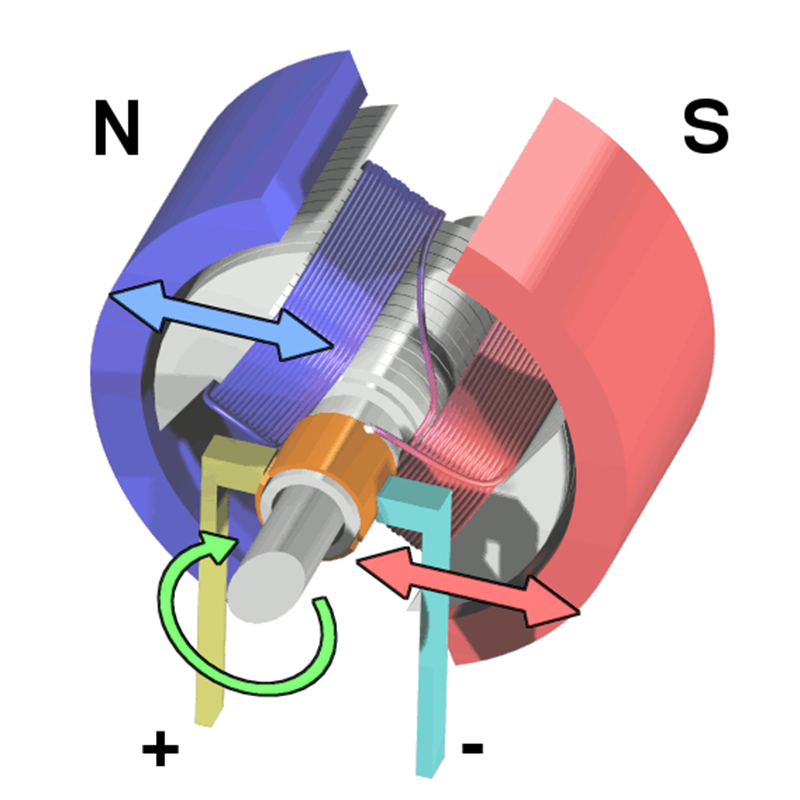
Ndfeb n38 imáns se utilizan ampliamente para diversos fines, como en ingeniería, medicina y otros campos. La actividad física, por ejemplo, n38 imán puede transformarse en una brújula, utilizarse para absorber la luz y las cosas pequeñas, y también puede utilizarse para alimentar motores, generadores, levitación magnética, tratamiento electromagnético, resonancia magnética nuclear y otros dispositivos. También tiene un impacto terapéutico, que puede frenar diversos tipos de debilidad, acúfenos, insomnio y otros problemas. Su uso también es bastante frecuente en aplicaciones industriales,
Además, su uso está bastante extendido y ofrece muchas ventajas, como la necesidad de n38 imáns en el transformador iniciador, el teléfono y la radio. Imán N38 El uso y los efectos suelen estar bastante extendidos, incluidos los efectos físicos, los efectos alimentarios, las consecuencias medicinales y mucho más.
Las nuevas aplicaciones (energía eólica, aire acondicionado de frecuencia variable, ascensores de bajo consumo, vehículos híbridos y motores de dirección EPS para automóviles) son la principal fuerza impulsora del desarrollo de la industria del NdFeb. Las aplicaciones tradicionales (altavoces, selección, motor permanente, VCM, MRI, etc.) solían tener un alto índice de penetración en el mercado.
- Un moldeado puede lograr la precisión sin necesidad de mucho procesamiento posterior.
- Excelente rendimiento magnético: el producto de energía magnética es tres veces superior al de la ferrita del sexo opuesto, la coercitividad intrínseca es fuerte, el consumo de masa de la estabilidad magnética es bueno, y la divergencia es buena.
- Buena estabilidad térmica; temperatura de funcionamiento de 150 °C.

Características y aplicaciones de los imanes de ferrita
Los imanes de ferrita son permanentes sinterizados imán hechos de hierro bario y estroncio. Además de tener excelentes propiedades de desmagnetización, los imanes de ferrita tienen la ventaja de ser baratos. Debido a su fragilidad y dureza, los imanes de ferrita requieren técnicas de fabricación especializadas. El imán del mismo sexo puede magnetizarse en cualquier dirección porque no está orientado, a diferencia del imán del sexo opuesto, que debe magnetizarse en la dirección tomada porque está orientado en la dirección de fabricación. Sin embargo, es frecuente encontrar una inducción magnética ligeramente más fuerte en el lado más pequeño de la superficie de compresión. De 1,1MGOe a 4,0MGOe es la gama del producto de energía magnética. Debido a su bajo precio y a su amplia gama de usos, como juguetes, artesanía, motores y altavoces, los imanes de ferrita son actualmente el tipo de imán más utilizado. imán.
Calidad física
Debido a la influencia de las cualidades físicas, incluso las materias primas con una composición química aceptable pueden ocasionalmente no ser capaces de producir imanes de ferrita con las propiedades y microestructura deseables. En la lista de características físicas del óxido de hierro se incluyen su tamaño medio de partícula (APS), su superficie específica (SSA) y su densidad suelta (BD). El valor APS del óxido de hierro afecta significativamente al valor APS del imán de ferrita en polvo, ya que constituye aproximadamente 70% de la fórmula del imán de ferrita de manganeso-zinc. El óxido de hierro suele tener un valor APS bajo, y el polvo de imán de ferrita también tiene un valor APS bajo, lo que resulta útil para acelerar las reacciones químicas. Sin embargo, teniendo en cuenta las diminutas partículas de polvo
El valor APS no debe ser demasiado bajo, ya que las diminutas partículas de polvo impiden una fácil cristalización durante el proceso posterior de prensado y sinterización. La reacción de difusión de la fase espinela sólo puede llevarse a cabo durante la precocción cuando el valor APS del óxido de hierro es demasiado alto, y el proceso de desarrollo del grano no puede continuar debido al gran tamaño de las partículas. Inevitablemente, esto hará que se necesite más energía de activación durante la sinterización, lo que no es favorable para la reacción en estado sólido.
Debido a la influencia de las cualidades físicas, incluso las materias primas con una composición química aceptable pueden ocasionalmente no ser capaces de producir imanes de ferrita con las propiedades y microestructura deseables. En la lista de características físicas del óxido de hierro se incluyen su tamaño medio de partícula (APS), su superficie específica (SSA) y su densidad suelta (BD). El valor APS del óxido de hierro afecta significativamente al valor APS del imán de ferrita en polvo, ya que constituye aproximadamente 70% de la fórmula del imán de ferrita de manganeso-zinc. El óxido de hierro suele tener un valor APS bajo, y el polvo magnético de ferrita también tiene un valor APS bajo, lo que resulta útil para acelerar las reacciones químicas. Sin embargo, el valor APS no debe ser demasiado bajo, ya que las diminutas partículas de polvo no permiten una cristalización sencilla durante el prensado y la sinterización en el postproceso. Obviamente, sólo se produce el proceso de difusión de la fase espinela cuando el valor APS del óxido de hierro es demasiado alto. La precocción permite la ejecución de la fase espinela, pero el elevado tamaño de las partículas impide un mayor desarrollo del grano. Inevitablemente, esto hará que se necesite más energía de activación durante la sinterización, lo que no es favorable para la reacción en estado sólido.
1, el uso de la fabricación pulvimetalúrgica, pequeña recuperación de la permeabilidad magnética y baja remanencia. Su gran fuerza coercitiva y sus potentes propiedades antidesmagnetización los hacen especialmente adecuados para estructuras de circuitos magnéticos empleados en entornos de trabajo dinámicos. Con las herramientas de esmeril, el material puede cortarse en rodajas, ya que es duro y quebradizo. Dado que el óxido es el principal elemento en bruto, es difícil que se produzca corrosión. Rango de funcionamiento: de -40 a 200 grados Celsius.
La anisotropía (heterotropía) y la isotropía (isotropía) son categorías de imanes de ferrita. Los materiales magnéticos permanentes de ferrita sinterizada isótropos tienen cualidades magnéticas débiles, aunque pueden magnetizarse en varias direcciones magnéticas. Los materiales de imanes permanentes de ferrita sinterizada heteromórficos pueden tener cualidades magnéticas fuertes, aunque sólo pueden magnetizarse en la dirección designada del imán.

Características y campo de aplicación de los imanes de caucho
Un tipo de serie de imanes de ferrita es el imán de caucho. Está fabricado con imanes blandos, elásticos y deformables mediante extrusión, calandrado, moldeo por inyección y otros métodos. Está hecho de polvo magnético de ferrita aglomerado y caucho sintético. Puede moldearse en forma de tira, rollo, lámina, bloque, anillo y muchas otras formas complejas.
Obra original
Es elástico, flexible y flexible. Mediante extrusión, calandrado, inyección, moldeado y otras técnicas, puede fabricarse en rollos, hojas, tiras, bloques, anillos y muchas formas complicadas. También se pueden utilizar láminas de PVC, papel revestido, cinta adhesiva de doble cara, aceite UV o troqueles de impresión en color cortados en diferentes formas para cubrir su superficie.
Cualidades del mecanizado
Polietileno clorado (CPE), polvo magnético (SrO6, Fe2O3) y cargas adicionales (EBSO, DOP) componen el imán de caucho.
El imán de caucho se fabrica por extrusión y calandrado y contiene material magnético (SrO6, Fe2O3), polietileno clorado (CPE) y otros aditivos (EBSO, DOP), entre otros. Los imanes de caucho pueden doblarse, retorcerse y enrollarse, y pueden ser del mismo sexo o de otro. Se puede utilizar de inmediato, la forma se puede cortar al tamaño deseado, y también se puede cubrir con PVC, adhesivo, aceite UV, y otros materiales en función de las necesidades del cliente. Su producto de energía magnética está disponible en MGOE de 0,60 a 1,50. Desde el más básico enfriamiento de frigoríficos hasta la sofisticada levitación magnética, los materiales magnéticos desempeñan un papel importante en nuestra vida cotidiana. Así que, ¡vamos a ver este maravilloso contenido!
Production method
Extrusion/calendering/injection molding, batching, mixing, processing, magnetization, inspection, packaging
Test of performance
Dimension, size, hardness, specific gravity, tensile strength, aging resistance, magnetic characteristics, magnetic polarity, and rotational performance.
Area of application
Rubber magnets are used for a variety of things, including refrigerators, message boards, fasteners for attaching items to metal bodies for advertising, switches, and sensors. mostly utilized in the manufacturing of micromotors, refrigerators, kitchen cabinets, disinfection cabinets, toys, stationery, and other products.

The features and application range of SMCO magnets
Samarium and cobalt are the two main components of samarium cobalt magnets, sometimes referred to as samarium cobalt magnets. SmCo magnets are permanent magnets and rare earth magnets that come in a range of dimensions, forms, and other characteristics.
Neodymium earth magnets are stronger than samarium-cobalt magnets, however samarium-cobalt magnets offer advantages over neodymium earth magnets, such as good heat resistance. Samarium cobalt magnets are more and more common due to their benefits. China accounted for 71% of global consumption of samarium cobalt magnets in 2019, which had a usage value of 498 million US dollars.
Samarium-cobalt magnet properties
Samarium-cobalt magnets are a good option for industrial applications due to their various benefits. This advantage has helped samarium-cobalt magnets become more and more popular. In some circumstances, samarium-cobalt magnets could even be more useful than neodymium magnets.
Samarium cobalt magnets have several benefits, including strong heat resistance (up to 300°C), resilience to low temperatures (certainly below zero, -273°C), price sensitivity to the market, high corrosion resistance, regulator demagnetization ability, and high magnetic strength. Despite the fact that samarium cobalt magnets provide a number of benefits, there are a few frequent issues that should be kept in mind when using them in business processes. SmCo magnets are fragile and perform best in situations that don’t need direct impact. Although they are more costly than certain neodymium magnets, these magnets are sensitive to price changes. The expense of manufacturing cobalt and the fact that the majority of magnets are made overseas are the main causes of this.
Use of samarium-cobalt magnets
Samarium cobalt magnets have a wide range of industrial uses due to their exceptional characteristics. SmCo magnets are frequently employed in situations where reliable magnetic performance at high temperatures is crucial. Samarium-cobalt magnets are used primarily in the following industries:
generator sets, food sector, prosthodontics, high temperature applications, sensors, pumps, and motors and motors.

The features and application range of Alnico magnets
Describe the aluminum, nickel, and cobalt magnet.
It is characterized by the advantages of aluminum-nickel-cobalt magnets, which are high remanence (up to 1.35T) and low temperature coefficient. Aluminum-nickel-cobalt (AlNiCo) is a permanent magnet alloy composed of aluminum, nickel, cobalt, iron, and other trace metal elements. It was first developed for a wide range of industrial applications. The peak usage temperature can get as high as 520°C when the temperature coefficient is -0.02%/°C. The aluminum-nickel-cobalt magnet has the drawback of having a very low coercivity (often less than 160kA/m) and a nonlinear demagnetization curve, making it simple to magnetize and simple to demagnetize. It is classified into numerous categories based on the various production methods.
Sintered aluminum nickel cobalt powder (Sintered AlNiCo) and Cast aluminum nickel cobalt powder (Cast AlNiCo) are the two categories.
Alni cobalt magnets can be classified as isotropic or anisotropic depending on the properties of the material. Casting aluminum, nickel, and cobalt through smelting production has very cheap processing costs, making it suited for the manufacturing of items with simple shapes, big sizes, and high requirements; Powder metallurgy is used to manufacture sintered aluminum, nickel, and cobalt, which can be machined into a variety of shapes and sizes and is ideal for producing small-batch products with modest weight requirements. Its density is lower than that of casting, but its machinability is higher. Aluminum-nickel-cobalt magnets have the benefit that temperature changes have a little impact on their magnetic characteristics due to their low temperature coefficient.
It can operate at a maximum temperature of 400 degrees Celsius. It is now utilized in a variety of equipment, particularly those that need great temperature stability.
Strong corrosion resistance means that the aluminum nickel cobalt magnet does not require surface plating. Process of production:
Smelting of materials for casting casting — — Heat treatment performance test — — mechanical action — –test packing –Ingredients for sintering — — powder — — sintering and pressing — –performance test for heat treatment — — mechanical action — –test — — casting of alnico magnets.
Aluminum nickel cobalt magnet metal components have diverse compositions, performance characteristics, and uses. Casting, sintering, and bonding are the three production methods used to make aluminum-nickel-cobalt magnets.
Sintered products are limited to small sizes compared to casting products, the size tolerance of the blank products produced is small, casting machinability is good, and casting aluminum nickel cobalt permanent magnet has a lower reversible temperature coefficient, the working temperature can be as high as 500 degrees Celsius or more. Casting products can also be processed into different sizes and shapes.

The features and application range of Injection magnets
Axial single magnetization, radial multistage magnetization, and axial and radial composite magnetization are the characteristics of injection molding magnetic. In the micromotor and automation industries, magnets are an essential signal source and constant magnetic source, and they cannot be replaced or compared with other magnets due to their smooth, faultless appearance, high dimensional accuracy, good consistency, follow-up processing, stable performance, and shock resistance. The thermoplastic glue used for injection molding magnets comes in two varieties: nylon (PA) and polyphenylene sulfide (PPS). The nylon type PA12, which has less water absorption and superior mechanical qualities, is one that is often utilized in the industry. PPS is insoluble in known solvents below 200°C and has good high temperature resistance and corrosion resistance. which, as opposed to the latter, is better suitable for usage in hotter and rougher situations. Specifically, pay attention to the following applications: fan magnetic ring, water heater rotor, printer magnetic shaft, copier magnetic shaft, brushless DC motor rotor, stepper motor multi-magnetic rotor, and all types of laser printing magnetic roller. A buzzer, a contactless distributor, automation tools, an axial flow fan, a motor with variable frequency for air conditioning, an instrument motor, and other things.
Injection molding magnetic, also known as injection molding ferrite, is a process used to create a product made of nylon and iron oxide powder mixed with particles. Because the coercivity of the product is much higher than that of the magnet, it can be used at temperatures between -40° and +120° without losing its magnetic properties, whereas using it at higher temperatures for a brief period will only cause it to lose some of its magnetic properties.

The features and application range of Magnetic Toy
A magnetic toy is a toy made using magnetic materials, usually including magnets and other magnetic elements. These toys can attract or repel each other through magnetism, so they can be used to build various shapes and structures. Magnetic toys are often used for children’s education and entertainment and can help them develop creativity, spatial awareness and problem solving skills. In addition, magnetic toys can also be used as stress relief tools, and adults and teenagers can also use them for relaxation and creativity. However, care needs to be taken when using magnetic toys, especially for children, to prevent accidental ingestion or swallowing of magnetic parts resulting in injury.

The features and application range of Office n38 imáns
In the modern fast-paced office environment, we need not only efficient tools, but also innovative solutions. This is our Office Magnet, a uniquely designed and powerful gadget designed to enhance your productivity and comfort.
The magic of magnetism. It’s all under control
This office magnet uses advanced magnetic technology, which can be easily adsorbed on the desktop, whether it is a laptop or a folder, and can stay on it stably. You no longer have to worry about dropping important files and enjoy unprecedented job stability.
Versatile to meet all your needs
The office magnet is more than just a folder, it also integrates several practical functions. For example, it can be used as a phone holder so that you can easily check incoming calls or messages while you are resting. At the same time, its compact design also makes it a portable charger, allowing you to charge your device at any time without carrying an additional power cord.
Environmental protection materials, healthy office
Our office n38 imáns are made of environmentally friendly materials, non-toxic and harmless, friendly to you and the environment. Even if used for a long time, it will not produce harmful substances. Allow you to enjoy the convenience of technology while maintaining a healthy office environment.
The magic of magnetism makes office easier.

Applications of n38 imán in science and industry
Maglev trains use n38 imáns
A touchless electromagnetic levitation, guiding, and propulsion system is used in the high-speed maglev train technology known as the “maglev train.” It is the fastest ground passenger transportation in the world with a top speed of more than 500 km/h. It also has other benefits like as climbing ability, low energy consumption, low noise, safety, and comfort. It also uses no fuel and emits less pollution. Additionally, it employs the raised technique, which requires minimal plow land.
Maglev trains, as opposed to the older steel wheels and track trains, float on a rail using the fundamental concept of magnetism. The entire train car is lifted by electromagnetic force using maglev technology, which also eliminates annoying sounds and friction. Modern luxury automobiles require the employment of 15 to 70 permanent magnet devices, such as windshield wiper motors, oil pump motors, window motors, door lock motors, fog motors, automated steam controllers, and starting motors. These devices are built of the maglev train and operate on the same-sex repulsion principle.
n38 imáns used in electroacoustic applications
Loudspeaker, receiver, microphone, alarm, stage audio, automobile audio, etc. are examples of electroacoustic equipment.
Usos de n38 imáns en la comunicación por microondas
Las aplicaciones de la comunicación por microondas incluyen el radar, la comunicación por satélite, el control remoto y la telemetría, el seguimiento electrónico y las contramedidas electrónicas. El NdFeb se utiliza en magnetrones, tubos de ondas viajeras de magnetrones, tubos de rayos catódicos, circuladores y otros dispositivos.
Solicitudes de n38 imáns en hardware de herramientas
Preventor de cera magnetizado, escarificador de tubos, accesorio magnético, máquina automática de mahjong, cerradura magnética, puerta y ventana magnéticas, equipaje, cuero, juguetes, herramientas, envoltorio magnético para regalos, etc.
El uso de imanes en el tratamiento magnético
Las aplicaciones del tratamiento magnético incluyen tazas magnéticas, bolas magnéticas, máquinas magnéticas, zapatos magnéticos, gorras magnéticas, pulseras de terapia magnética y collares de terapia magnética, entre otros.
Los vehículos de nueva energía emplean n38 imáns.
El sistema de propulsión de los coches eléctricos requiere una alta densidad de par, una gran fiabilidad de funcionamiento y una gran capacidad de control del par. n38 imán con un producto de energía magnética elevado, una coercitividad elevada y una temperatura de trabajo elevada. Se requiere un compromiso, ya que el producto de energía magnética y la fuerza coercitiva son incompatibles.
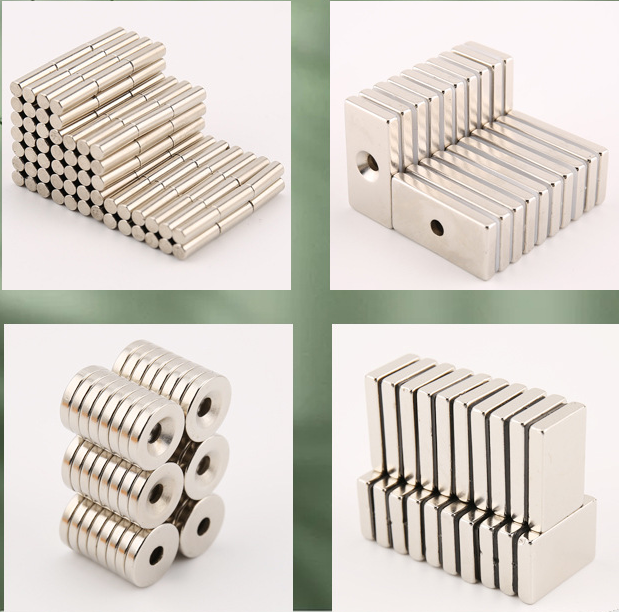
Además, los tipos de n38 imáns son: bloque n38 imáns, azulejo n38 imáns, con forma de n38 imáns, cilíndrico n38 imáns, anillo n38 imáns, disco n38 imáns, barra magnética n38 imáns, bastidor magnético n38 imáns, atributo n38 imáns: cobalto de samario n38 imáns, NdFeb n38 imáns (imanes fuertes), ferrita n38 imáns, aluminio níquel cobalto n38 imáns, hierro cromo cobalto n38 imáns, imanes ocupacionales: Componentes magnéticos, motor n38 imáns, caucho n38 imáns, plástico-magnético, etc. Diferentes tipos de n38 imáns se utilizan en distintos sectores y de diversas formas.
Métodos de medición de campos magnéticos y n38 imáns
1. La densidad de flujo magnético se mide en Tesla (T).
2. El método de medición de la densidad de flujo magnético adopta el elemento Hall, el método de comparación de campo magnético constante y otros métodos.
3. La medición de la densidad de flujo magnético deberá normalizarse para garantizar la precisión y fiabilidad de la medición, y el instrumento de medición deberá calibrarse.
El gauss de un neodimio n38 imán es la unidad del campo magnético, y que a menudo utilizan gauss como la unidad cuando se describe la fuerza magnética de un imán. Muchos clientes proporcionan el tamaño del imán se sumará el valor de Gauss necesidad de lograr cuánto, de hecho, esta es una sabia elección, algunas fábricas utilizarán bajo rendimiento como un imán de alto rendimiento, pero si se conoce el imán valor de Gauss, igual a usted ha seleccionado el nivel magnético fuerte correcta. ¿Cuál es el concepto de 2000 Gauss imán 2000 Gauss significa que el campo magnético más alto de este imán de neodimio es de 2000 Gauss. Tanto si es de 2000 Gauss como de 3000 Gauss, no hay un tamaño de especificación fijo, y los dos imanes circulares con tamaños muy diferentes pueden tener el mismo valor de Gauss. El Gauss del imán de NdFeb tiene una gran relación con su tamaño de área, grosor, grado, etc. Ejemplos de valores de Gauss para algunos círculos convencionales:
Imán N38 material, D10*3, ¿qué es Gauss? Alrededor de 2900 Gauss.
Imán N38 material, D15*3, ¿qué es Gauss? Alrededor de 2350 Gauss.
Imán N38 material, D20*3, ¿qué es Gauss? Alrededor de 1990 Gauss.
Imán N38 material, D10*1, ¿qué es Gauss? Unos 1500 Gauss.
Imán N38 material, D10*2, ¿qué es Gauss? Alrededor de 2300 Gauss.
Imán N38 material, D10*3, ¿qué es Gauss? Alrededor de 2800 Gauss.
Imán N38 material, D10*1, ¿qué es Gauss? Unos 1500 Gauss.
Material del imán N42, D10*1, ¿qué es Gauss? Unos 1700 Gauss.
Material del imán N52, D10*1, ¿qué es Gauss? Alrededor de 1900 Gauss.
En general, la superficie gaussiana del n38 imán es inversamente proporcional al área y proporcional al espesor.
El segundo es el grado de neodimio n38 imánCuanto mayor sea el grado, mayor será el Gauss, la premisa es que el imán del mismo tamaño.
Para medir los Gauss se suele utilizar un medidor de Gauss. Tenga en cuenta aquí que el valor real medido por diferentes marcas de medidores de Gauss puede variar mucho. Dos, 2000 Gauss imán dónde comprar
Many e-commerce platforms have 2000 Gauss magnets, but the premise is that you need to have a Gauss meter, if you have a large demand, it is recommended to customize directly from the magnet manufacturer. In the sample customization process, the supplier is required to take a video of the measurement of Gauss to ensure that the requirements are met. The same specifications, grades of magnets, the two factories may be very different prices, the main reason here is that some factories will misrepresent the performance of the n38 imán, as long as the two factories of the sample Gauss comparison, in fact, you can find the source of the problem. Therefore, magnet Gauss is a factor that needs attention in the process of daily customer procurement of strong magnetism.

Magnetization and demagnetization technology of magnet
What is the direction of magnetization?
The magnetization direction is the first step to obtain the magnetism of Ndfeb, samarium-cobalt magnets and other permanent magnet materials. It represents the position of the north and south poles in a magnet or magnetic assembly. The magnetic properties of permanent magnet materials mainly come from their easily magnetized crystal structure. Due to this deconstruction, the n38 imán can obtain very high magnetic properties under the action of a strong external magnetic field, and its magnetic properties will not disappear after the disappearance of the external magnetic field.
Can the direction of magnetization of the n38 imán be changed?
From the direction of magnetization, magnetic materials are divided into two categories: isotropic magnets and anisotropic magnets. As the name suggests:
Isotropic magnets have the same magnetic properties in any direction and can be drawn together arbitrarily.
Anisotropic permanent n38 imán materials have various magnetic characteristics in different directions, and the direction in which they can obtain the best/strongest magnetic characteristics is called the orientation direction of the permanent n38 imán material.
Orientation technology is a necessary process for the production of anisotropic permanent n38 imán materials. The new magnet is anisotropic. Magnetic field orientation of powder is one of the key technologies for manufacturing high performance Ndfeb n38 imáns. Sintered NdFeb is generally pressed by magnetic field oriented molding, so it is necessary to determine the orientation before production, which is the preferred direction of magnetization. Neodymium magnets, once made, cannot change the direction of magnetization. If the direction of magnetization is found to be wrong, the n38 imán needs to be re-customized.
What are the differences between axial and radial magnetization of n38 imáns?
Axial and radial magnetization are commonly used to indicate the direction of magnetization of cylindrical/disk, ring, and arc magnets. For axially magnetized magnets, the magnetic force is mainly on two end faces. For radially magnetized magnets, the magnetic field is mainly on the inner arc and the outer arc.
What is magnetization?
Magnetization is the process of applying a magnetic field to a permanent magnet material along the direction of the magnetic field orientation and gradually increasing the magnetic field intensity to achieve technical saturation.
Sintered NdFeb permanent magnet materials can be made into square, cylindrical, circular, arc and other forms, their magnetization direction is relatively simple, generally axial and radial magnetization.
In addition to the simple direction of magnetization, the sintered Ndfeb ring can also be multi-pole magnetized according to actual needs, that is, multiple N and S poles can be presented on a plane after magnetization. Multipole rings require the use of specially designed magnetizing clamps, thus incurring additional magnetizing clamp costs.
How to magnetize a n38 imán?
A magnetizer is a tool for magnetizing magnetic materials or magnetic components. Through it, we can apply a magnetic field to a permanent magnet product that requires magnetization.
The basic principle of magnetization is to place a magnetized object in a magnetic field formed by a coil, through which a direct current flows. There are two ways: DC magnetization and pulse magnetization.
If the magnetization field does not reach the technical saturation field, the remanent Bj and coercive Hcj of the permanent magnet material will not reach their appropriate values. So how do we determine the energy of the magnetizer?
First of all, according to the size of the magnetized product and the direction of magnetization to determine the size of the magnetization tooling. The magnetic field at the center of the tool is then calculated. The size of the magnetic field should be 3-5 times the coercive force of the magnet. The magnetizing current is then calculated. According to the current and voltage of the magnetizer, the capacity of the energy storage capacitor is finally determined. Finally, the energy of the magnetizer is determined.


Imán N38 maintenance and use precautions
The copyright belongs to the author. For commercial reprinting, please contact the author for authorization. For non-commercial reprinting, please indicate the source.
Came to the n38 imán factory I found that there is so much knowledge about the original magnet, how long can the magnetic ability of the magnet last? Imán N38 is a widely used item, its main role is to produce a magnetic field, so as to adsorb items or as a powerful magnetic source. In production, Ndfeb magnets are considered to be the strongest n38 imáns, which are often referred to as “permanent magnets”. So, how long does a permanent magnet last? Ndfeb magnets are very tough, with a very high coercive force, under normal circumstances, in the natural environment and general magnetic field conditions, permanent n38 imáns will not demagnetize and magnetic changes, which means that the magnetic force of permanent magnets can last for a long time. However, it should be noted that if the non-permanent magnet is heated to a certain temperature, it will lose its magnetism. Ndfeb n38 imáns will oxidize at high temperatures, resulting in magnetic attenuation. In general, when the magnet is at a temperature of about 80 ° C, (here tips: Ndfeb magnets can produce high temperature magnets 80 ° C 100 ° C 120 ° C 150 ° C 200 ° C and higher) magnetic force will decline in different degrees. If the heating temperature is too high, the magnetic force will be lost very quickly. Demagnetization by heating itself is caused by changing the microscopic condition of the magnet. In other words, like this. Heating is to aggravate the vibration of the atoms inside the object, to a certain extent, the collision between the atoms will make the atoms break free of the magnetic force constraints between each other, so that the magnetic field direction of each atom will no longer remain in the same direction, but in all directions (the atom will flip during the collision, so that its magnetic field direction will change), these magnetic fields with different directions will cancel each other. There’s no magnetic field outside. In addition, in the use of magnets also need to pay attention to some matters, such as to avoid the magnet for a long time by strong heat or strong magnetic field interference, do not collide with the n38 imán, to avoid the magnet and other magnets or magnetic sensitive elements close to, etc., these operations may affect the magnetic force and service life of the magnet. In general, the magnetic force of Ndfeb magnets can last a long time, but there are certain limitations. In the process of use, we need to carefully comply with the relevant use specifications and maintain the good condition of the n38 imán, so as to ensure the life and magnetic performance of the magnet.
Imán N38 use precautions:
1, temperature customers in the selection of NdFeb magnets should choose their own n38 imán brand according to its working temperature, if the working temperature is higher than the magnet brand to withstand the temperature, the magnet will slowly demagnetize until no magnetic. Before ordering, be sure to confirm the working temperature and the suitable brand for your own use.
2, environment if the magnet device used in the sealed state, you can consider choosing the surface of the magnet without electroplating or white zinc plating, which can save costs, if the magnet is exposed to humid air, especially in the state of salt spray, it is recommended to consider the surface nickel-plated magnet. Imán N38s should be stored in a dry, constant temperature environment, separated and wrapped with plastic, wood chips, cardboard, foam, etc. Keep away from iron and easily magnetized items, such as monitors, bank cards, computers, televisions, mobile phones, etc.
3, handling and stacking NdFeb strong magnetic material hard, brittle, strong magnetic field, to take lightly (especially large specifications and flakes), when the strong magnet itself or with other iron or separate, be careful not to impact. Otherwise, it is easy to damage the n38 imán or hurt the finger due to collision. Because Ndfeb is a polymetallic alloy material, the density is between 7.45, and it has heavy and brittle characteristics. So be especially careful when handling to avoid magnetic breakage. Storage should also keep the environment dry, do not pile directly on the ground, padded with cardboard or placed on the shelf.
4, When the magnets pull up each other can not be separated, it is recommended to push staggered, must not be hard to pry. Fix the whole magnet with your left hand, and use your right hand to coordinate with your index finger and thumb to remove the magnet horizontally. Do not immediately throw the removed magnet back into the magnet pile after removing it. Please isolate the magnet immediately. Handle gently, away from the iron or magnetic objects (about 16 cm) or paper the removed paper tightly wrapped, so that it is safer. If you need to put the magnet back inside the entire magnet, put it back slowly, moving in close from the edge. Be sure to hold the magnet in your hand until it has moved in. Magnet ordering precautions:
1. Magnet performance.
2. Dimensions and tolerances.
3. Do you want to magnetize? If you want to magnetize, in what way, axial? Radial? Magnetization direction
4. Temperature of the magnet operating environment.
5. Order quantity.
6. Surface treatment. Galvanizing, nickel plating?
7. If you have any other special requirements, please inform us.
8. Provide drawings
The relationship between n38 imáns and electromagnetic induction
The copyright belongs to the author. For commercial reprinting, please contact the author for authorization. For non-commercial reprinting, please indicate the source.
Introduction to Electromagnets Definition and working principle of electromagnets: The magnetic field generated by the coil electrification attracts or repeals the magnetic parts and the external mechanical work device called electromagnet, which uses the principle of electromagnetic induction to convert electrical energy into mechanical energy, can directly achieve linear movement, rotation, swing and linear plus rotation composite motion, in industrial automation is quite popular today, electromagnet has been widely used in all kinds of automatic devices. A linear electromagnet drives the load toward the core when it is energized, in this sense, the electromagnet is a pull device, but if a rod is installed in the section of the pole and through the hole deep in the core, when it is inhaled, the rod will be far away from the core to push the external load for a specified distance, so the electromagnet can provide force and pull. Determination of magnetic field direction: according to ampere’s right hand rule, the direction of the magnetic field generated by the current cycle can be determined by using the right hand rule, which considers the direction of the four fingers outside the thumb bending to the palm as the direction of the current, then the direction pointed by the thumb is the North Pole of the magnetic field. 1. Force: the thrust or pull force and suction generated by the electromagnet’s coil after it is energized; 2. Stroke: the distance from the starting point of slide rod movement to the final stopping position; 3. Holding force: the pull or thrust of the slide rod at the end of the stroke; 4. Working cycle: the ratio of the sum of power-on time and power-off time; 5. Continuous power: 100% working cycle; 6. Gap working cycle: less than 100% of the working cycle, it has a maximum allowable power time so that its temperature is not too high; 7. Remanence: the magnetic force remaining after the electromagnet is cut off; 8. Coil maximum operating temperature: coil maximum operating temperature can not adversely affect the organization and function of the material, this temperature is the sum of ambient temperature and coil temperature rise, usually 130 degrees Celsius; 9. Ampere-turns: the product of current and coil turns; 10 Response time: The time for the slide rod to pull into place after the power is switched on. The above is to introduce some basic knowledge of electromagnet magnet constant magnetic field source, I hope it will be helpful to you, you can also go to know more about the role of electromagnets, find more places where it can be applied, so that people’s lives can be more and more convenient.
Electromagnetic induction refers to magnetic generation of electricity: a conductor placed in a changing magnetic flux will generate an electromotive force. This electromotive force is called induced electromotive force or induced electromotive force, and if this conductor is closed into a primary circuit, the electromotive force will drive the flow of electrons to form an induced current (induced current).
In general, the magnetic field strength generated by the electromagnet is related to the size of the direct current, the number of coils and the center of the magnetic material, in the design of the electromagnet will pay attention to the distribution of the coil and the selection of the iron guide material, and the size of the direct current to control the magnetic field strength. However, the material of the coil has resistance and limits the size of the magnetic field that the electromagnet can produce, but with the discovery and application of superconductors, there will be opportunities to break through the existing limitations.
The application of n38 imáns in the medical field
Ancient homing pigeon enthusiasts are aware that even if they are released hundreds of kilometers away, they will always find their way back to the nest. What accounts for pigeons’ strong sense of place? It turns out that pigeons are sensitive to variations in the Earth’s magnetic field and may utilize such changes to locate their home. Pigeons will fly away if you put a n38 imán on their heads. If pigeons fly over radio towers, strong electromagnetic interference can also cause them to get confused. Nuclear magnetic resonance, which is more commonly known as magnetic resonance imaging technology, uses a positive charge and spin motion in the nucleus to identify aberrant human tissue and assess illness. This technique is used in medicine. The spatial orientation of the nuclear spin changes from being disordered to being ordered when it is exposed to an external magnetic field, contrary to how the nuclear spin axes are typically arranged. When the spin system approaches equilibrium, the magnetization intensity reaches a steady value as the magnetization vector steadily increases from zero. If the nuclear spin system is exposed to outside forces, such as a specific radio frequency stimulation of the nucleus, resonance effects may result. After the radio frequency pulse stops, the intensified nuclear spin system will return to its initial configuration of the magnetic field while releasing weak energy, which will turn into a radio signal. Once enough signals are detected and given enough spatial resolution, you can see the nuclear distribution image moving. The absence of the signal known as the flow effect or flow void effect from the flowing liquid characterizes NMR. Blood is unmarked black, but blood vessels are off-white tubular structures. This makes it simple for the blood vessels to divide the soft tissues.
Cerebrospinal fluid, which is black, surrounds the normal spinal cord, and there is a white dural that is separated from fat, giving the spinal cord a strong signal structure in white. Nuclear magnetic resonance has been used to diagnose numerous bodily systems using imaging techniques. The brain, spinal cord, heart vessels, joints, bones, soft tissues, and pelvic cavity are the areas that are most affected. When diagnosing cardiovascular diseases, it is superior to other X-ray methods in that it can perform ventricular analysis for qualitative and semi-quantitative diagnosis and create multiple sectional images with high spatial resolution that show the full picture of the heart and lesions as well as their relationship to the surrounding structure. superior to CT scans, nuclide imaging, two-dimensional ultrasonography, and other X-ray imaging. Diseases may be diagnosed and treated using magnetism. A traditional Chinese medicinal plant is called magnet. Red and white blood cells are distinguished from one another by magnetic variations between the various blood components. Magnetic therapy, which plays a special role in the treatment of a number of ailments and has been applied to magnetic therapy pillows and magnetic therapy belts, is another result of the interaction between the magnetic field and human meridians. magnetic water may prevent boiler scaling, magnetic seeds can partially boost crop productivity, and an iron remover composed of magnets can eliminate any iron particles that may be present in flour, among other things.

Environmental impact and sustainability of n38 imáns
There is a relationship between the environmental impact of n38 imáns and sustainable development. Here are some of the environmental impacts and sustainability issues associated with n38 imáns:
1. Resource consumption: The production of magnets requires a large number of resources, such as iron ore and rare earth elements. The collection and processing of these resources can cause irreversible damage to the environment, so it is necessary to find alternative resources or improve production processes to reduce resource consumption.
2. Electromagnetic radiation: magnetic fields and electromagnetic radiation generated by magnets may affect the surrounding organisms and the environment. For some sensitive organisms and ecosystems, the use of n38 imáns may need to be restricted or measures taken to reduce radiation.
3. Waste disposal: After the end of the n38 imán‘s life cycle, the disposal of waste is also an important environmental issue. Imán N38s may contain toxic or harmful substances that need to be properly handled and disposed of to prevent harm to the environment and human health.
In order to achieve sustainable development, the following measures can be taken:
1. Improve the efficiency of magnets: By improving the design and production process, n38 imáns can use resources and energy more efficiently, reducing resource consumption and environmental pollution.
2. Promote circular economy: in the life cycle of n38 imáns, promote the recycling and reuse of waste to minimize the generation of waste and the impact on the environment.
3. Explore alternative technologies: Research and development of alternatives 4. Green supply chain management: Reduce environmental impact during magnet production by selecting environmentally friendly materials, optimizing logistics and procurement strategies, and working with suppliers to promote sustainable development.
5. Raise awareness and education: strengthen the public’s understanding of the environmental impact and sustainable development of n38 imáns, promote the improvement of environmental awareness, and guide people to take environmental actions, such as reducing unnecessary n38 imán use and correctly disposing of discarded n38 imáns.
(6) Formulate regulations and policies: the government and relevant agencies should formulate corresponding regulations and policies to encourage and support the sustainable development of the n38 imán industry and promote the application of environmentally friendly production methods and technologies.
In summary, the environmental impact of n38 imáns is closely related to sustainable development. By improving n38 imán production processes, promoting waste recycling, promoting green supply chain management, enhancing awareness and education, and developing relevant regulations and policies, the magnet industry can achieve sustainable development and reduce the negative impact on the environmen.