









Neodym-Magnete have revolutionized various industries due to their exceptional strength. Made from a unique alloy of neodymium, iron, and boron (NdFeB), these permanent magnets pack a powerful punch in a compact size. But what if you could harness this strength in a magnet with only one magnetic pole? Enter the concept of the single pole neodymium magnet, a fascinating theoretical idea with practical applications in the real world.
This article delves into the intriguing world of single pole neodymium magnets, exploring the differences between them and their regular counterparts. We’ll begin by understanding the fundamental concept of magnetic poles in regular neodymium magnets.

Magnetic Poles: The Invisible Force of Attraction and Repulsion
Imagine a bar magnet. If you hold it near a box of metal pins, you’ll observe the pins clinging to specific ends of the magnet. These are the magnet’s poles – the regions where its magnetic force is concentrated. All regular magnets, including neodymium magnets, possess two poles: a north pole and a south pole.
The magic of magnetism lies in the interaction between these poles. Opposite poles attract each other, while like poles repel. This fundamental principle allows magnets to exert a force without physical contact. The strength of this attraction or repulsion depends on the magnet’s overall strength and the distance between the poles.
The Elusive Single Pole: A Scientific Quest
The concept of a single pole magnet, a magnet with only a north pole or a south pole, has captivated scientists for centuries. It goes against the established laws of magnetism, which dictate the existence of opposite poles in every magnet. This inherent duality, where north and south poles are inseparable parts of a whole, is a fundamental aspect of magnetic fields.
Despite the theoretical challenge, the quest for a single pole magnet continues to inspire research. Scientists have explored various avenues, from manipulating magnetic materials to studying exotic particles like monopoles predicted by some theoretical frameworks. However, creating a true single pole magnet remains elusive in our current understanding of physics.
Single-Pole Neodymium Magnets: The Power of Asymmetry
While achieving a perfect single pole magnet might be beyond our current capabilities, scientists have found ways to create neodymium magnets with a dominant pole effect. This involves engineering the magnet in such a way that one pole (north or south) is significantly stronger than the other. The weaker pole becomes almost negligible in comparison, creating a practical situation where the magnet behaves almost like a single pole.
How is this achieved? Several techniques are employed. One approach involves shaping the magnet in a specific way, influencing the distribution of the magnetic field within the material. Another strategy utilizes advanced material processing techniques to create an uneven distribution of the magnetic elements within the neodymium alloy.
The resulting magnet exhibits properties that approach those of a theoretical single pole. For instance, the dominant pole interacts much more strongly with materials of opposite polarity compared to the weak pole. This can be advantageous in specific applications, as we’ll explore later.
Regular vs. Single-Pole Neodymium Magnets: A Tale of Two Poles
Now that we’ve delved into the concepts of both regular and single-pole neodymium magnets, let’s summarize the key differences:
- Number of Poles: The defining characteristic. Regular neodymium magnets have two distinct poles, north and south. Single-pole neodymium magnets (in reality, magnets with a dominant pole effect) have one significantly stronger pole, mimicking the behavior of a single pole to a large extent.
- Magnetic Field Distribution: Regular neodymium magnets have a balanced magnetic field distribution, with both poles contributing equally to the overall field. Single-pole neodymium magnets exhibit an asymmetrical field distribution, with the dominant pole generating a much stronger magnetic field compared to the weaker pole.
- Applications: Regular neodymium magnets find widespread use in various applications due to their strong, balanced magnetic field. Single-pole neodymium magnets, with their dominant pole effect, offer potential benefits in specific areas where a more focused magnetic interaction is desired. We’ll explore these applications in more detail in the next section.
Unveiling the Potential: Applications for Single-Pole Neodymium Magnets
While the limitations of physics prevent a true single pole magnet, the concept of a dominant pole effect in neodymium magnets opens doors for innovative applications. Here are some potential areas where these magnets hold promise:
- Magnetic Levitation: One intriguing application lies in magnetic levitation systems. By using opposing dominant poles of two single-pole neodymium magnets, it’s possible to create a stable levitation effect. This can be beneficial for applications like frictionless bearings or magnetic levitation transportation systems.
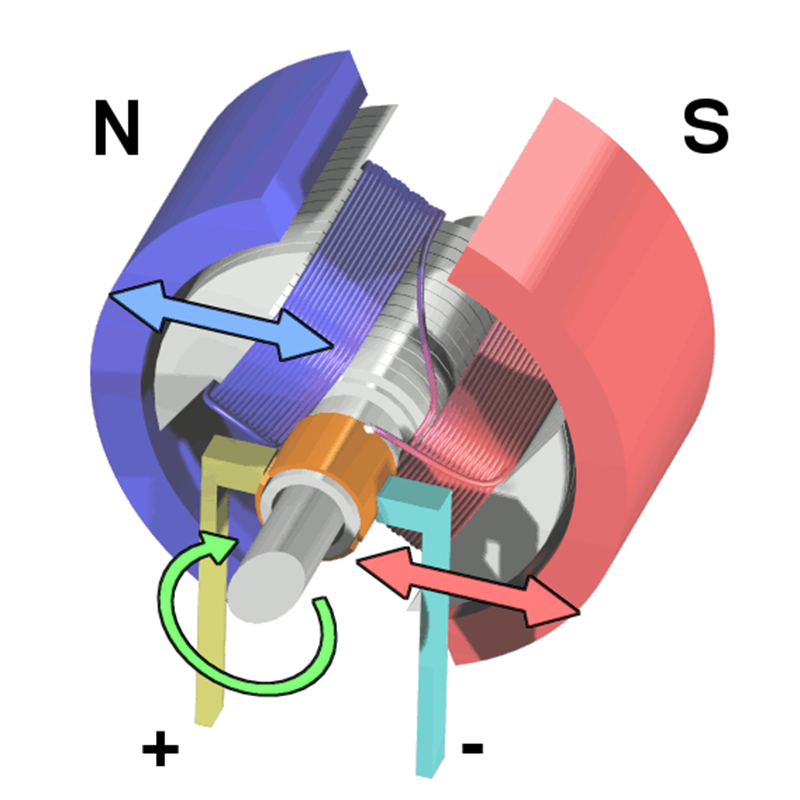
- Electric Motors and Generators: Traditional electric motors rely on the interaction between a rotor and a stator, each containing magnets with alternating poles. Single-pole neodymium magnets could potentially simplify motor designs by offering a more focused magnetic interaction, leading Unveiling the Potential: Applications for Single-Pole Neodymium Magnets (continued)
- Electric Motors and Generators (continued): Leading to potentially more efficient motor designs or novel motor configurations. However, challenges exist in terms of managing the forces within the motor and designing a complete system that leverages the single-pole effect effectively.
- Magnetic Sensors: The strong, directional magnetic field of single-pole neodymium magnets can be beneficial in designing magnetic sensors. These sensors could be used for applications like position sensing, speed detection, or non-contact current measurement. The dominant pole can provide a more precise and predictable signal compared to traditional sensors that rely on the interaction between two poles.
- Biomedical Applications: The field of biomedicine is constantly exploring new avenues. The focused magnetic field of single-pole neodymium magnets might hold promise for targeted drug delivery systems or magnetic microrobots for minimally invasive procedures. Careful research and development are needed to ensure the safety and efficacy of such applications in biological systems.
- Loudspeaker Design: Conventional loudspeakers rely on the movement of a coil within a magnetic field to produce sound. The focused magnetic field of a single-pole neodymium magnet could potentially lead to loudspeaker designs with improved efficiency or a more uniform sound distribution.
It’s important to remember that these are potential applications, and further research and development are required to bring them to fruition. The practical implementation of single-pole neodymium magnets requires careful consideration of factors like managing the forces within a system, balancing the strength of the dominant pole with the residual weaker pole, and ensuring cost-effectiveness compared to existing solutions.
Beyond the Basics: Considerations for Using Single-Pole Neodymium Magnets
While single-pole neodymium magnets offer exciting possibilities, some crucial considerations come into play when using them:
- Brittleness: Neodymium magnets, including those with a dominant pole effect, are inherently brittle. They can chip or shatter if dropped, potentially causing injuries or damaging surrounding components. Special care must be taken during handling and installation.
- Force Management: The strong, directional pull of a dominant pole can be difficult to manage in certain applications. Designing a system that effectively utilizes the single-pole effect while counteracting unwanted forces requires careful engineering.
- Cost-Effectiveness: Single-pole neodymium magnets can be more expensive to manufacture compared to regular neodymium magnets. The cost-benefit analysis for a particular application needs to be carefully considered.
Conclusion: A Glimpse into the Future of Magnetism
The concept of a einpoliger Neodym-Magnet pushes the boundaries of our understanding of magnetism. While a true single pole remains elusive, the ability to create neodymium magnets with a dominant pole effect opens doors for innovative applications. From magnetic levitation systems to next-generation motors and sensors, these magnets hold the potential to revolutionize various fields. As research continues to explore the possibilities, the future of magnetism promises to be an exciting journey filled with groundbreaking discoveries and novel applications.