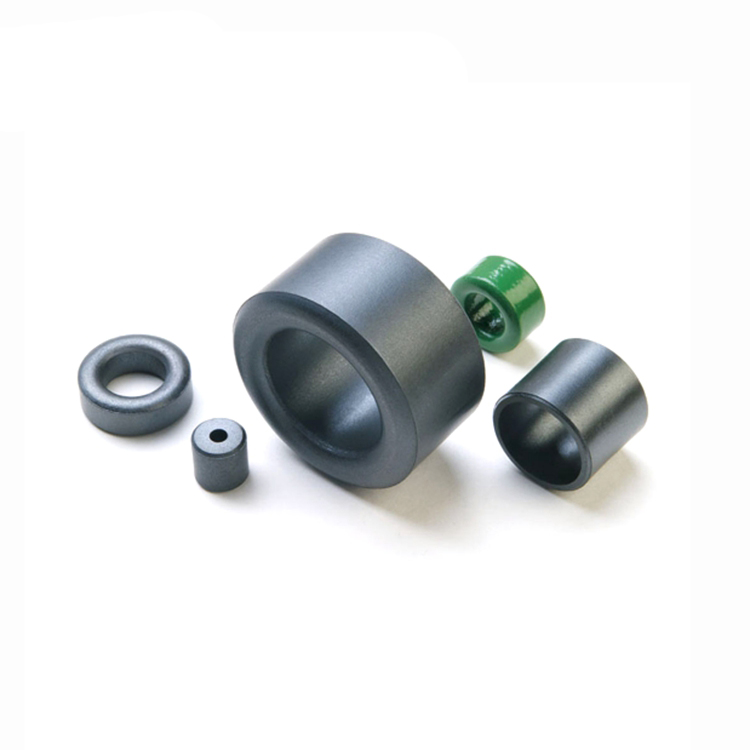
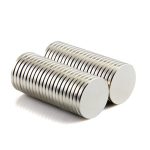
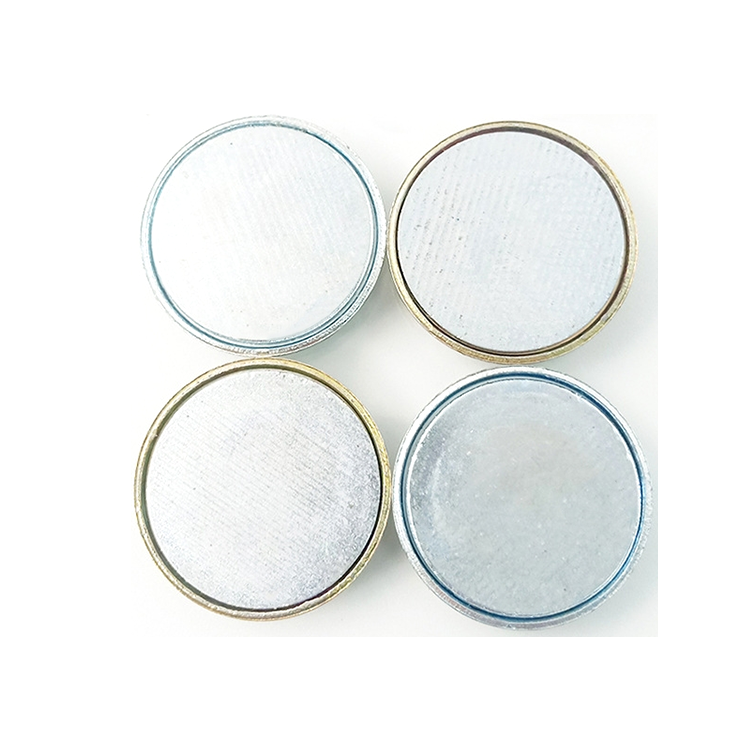
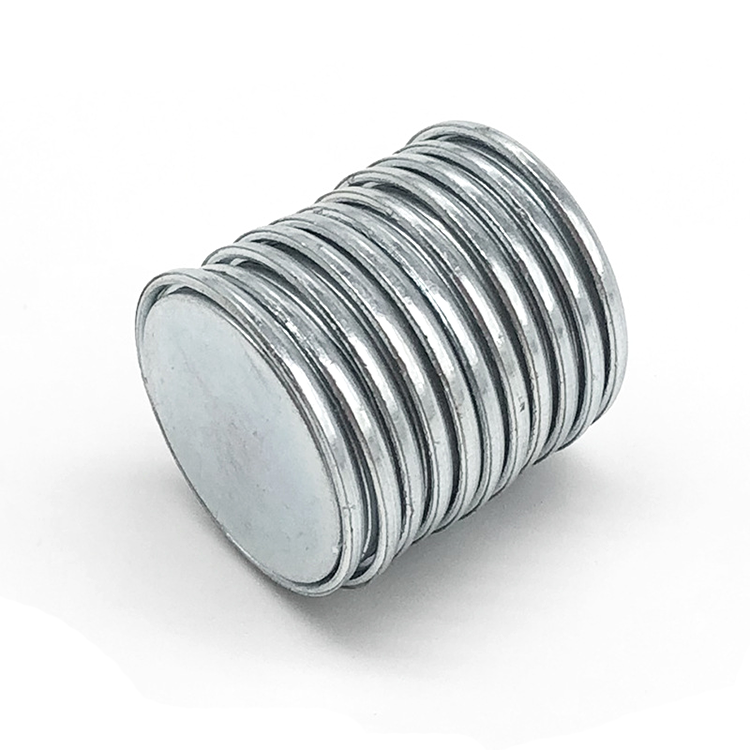
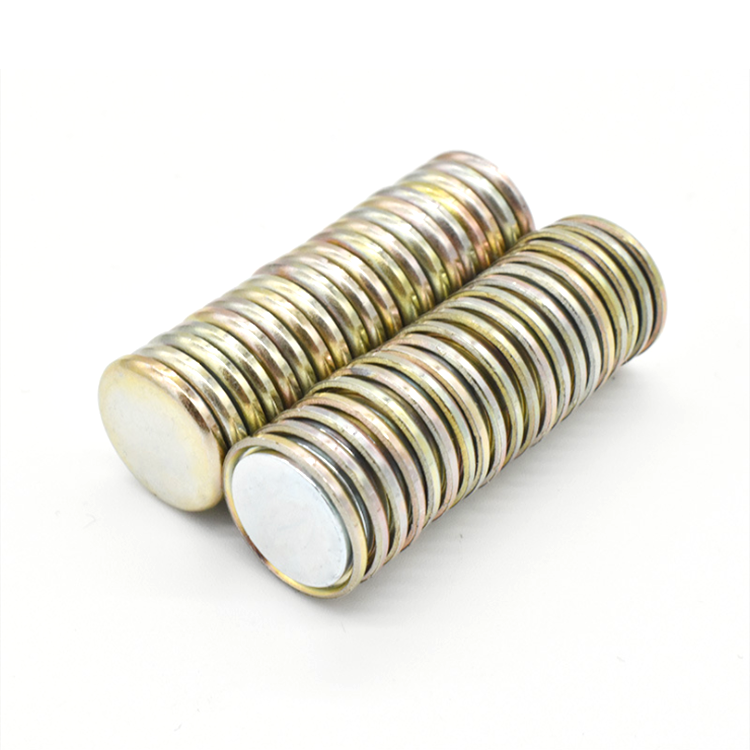
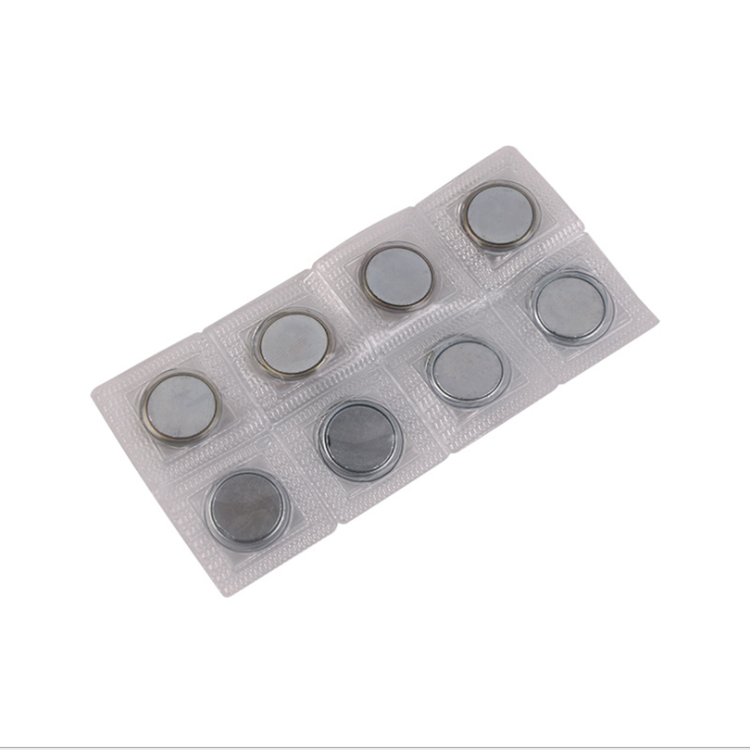
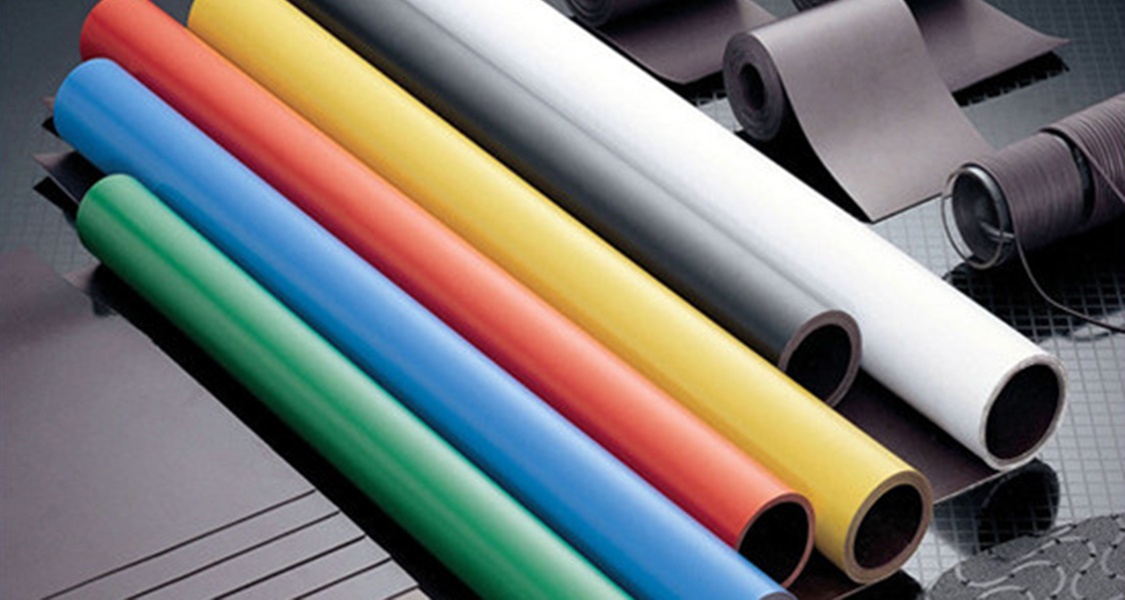
Description of the Ndfeb single side magnetic product
NdFeB single-side magnets are mostly used to insert customized supporting iron shells into sintered ndFeB molding products. The magnetic field is sent back to one side through the iron shell, strengthening and amplifying the utilized side’s magnetic field. Reduce spending. Examples of how iron and boron are used
Application instructions for Nd-fe-B single-sided magnets
Single-side The primary applications for NdFeb include color boxes, packaging boxes, hardware, toy plastic parts, door suction, magnetic sucker, and other items.
If you believe the single-side magnetic NdFeb batch crafts are nice, call consultation.
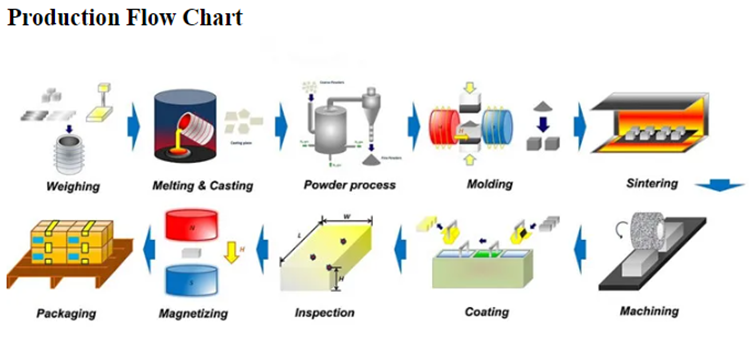
[NdFeb] Ferrite permanent magnet: Powder metallurgy production, tiny magnetic permeability recovery, low remanence.
Strong anti-demagnetization properties and high coercivity make it particularly ideal for the dynamic operating circumstances of magnetic circuit structures.
Materials that are hard and brittle can be utilized to make emery tools for cutting and processing. The primary raw ingredient is oxide, which makes it resistant to corrosion.
Operating range: -40 to 200 degrees Celsius. Excellent magnetic characteristics, light weight, affordable pricing, and a wide variety of
Applications is now the most cost-effective magnet material, sometimes known as the “magnetic king”.
Our business offers free samples, quick shipping, and consistent quality. One of the ferrite magnetic material series is rubber magnetic.
Through the use of extrusion molding, calendering molding, injection molding, and other techniques, ferrite powder and synthetic rubber composite were joined.
magnets that are soft, stretchy, and bent.
It is possible to produce NdFeB single-side magnetic crafts into strip, roll, sheet, and a variety of complicated forms.
Iron, cobalt, nickel, and other atoms make up the magnet’s composition, but its interior atomic structure is very unique.
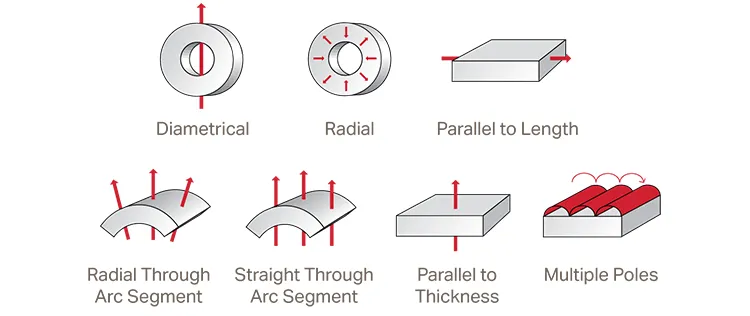
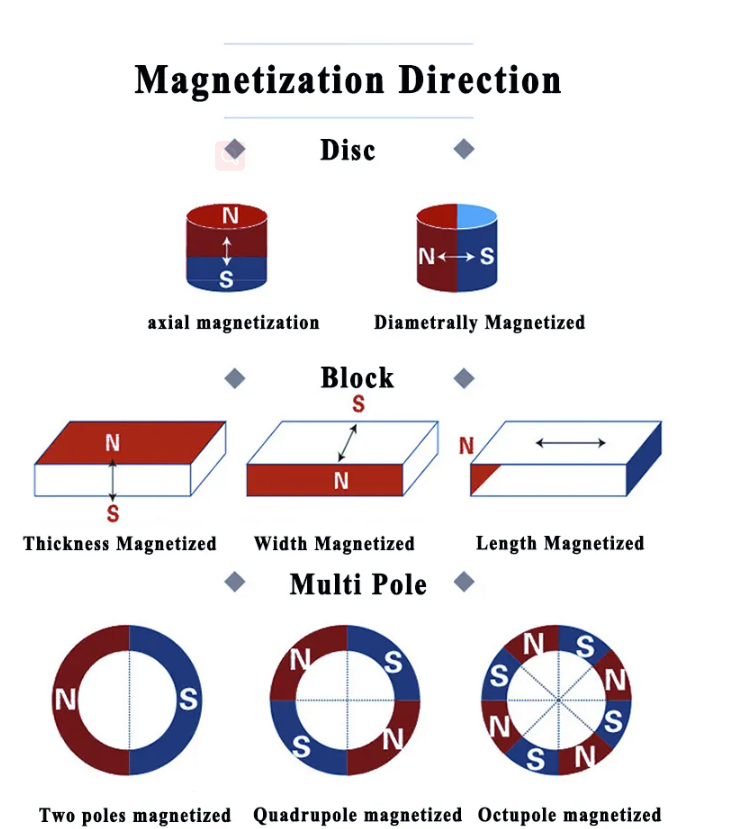
has a magnetic moment all by itself. the kind of magnet Shape magnets include block, tile, shaped, cylindric, ring, and disc magnets.
attribute magnet, magnetic bar magnet, and magnetic rack magnet
Aluminum nickel cobalt magnets, NdFeB magnets, ferrite magnets, iron chromium cobalt magnets, and samarium cobalt magnets are examples of industrial magnets.
Magnetic parts, such as rubber magnets, powerful magnets, plastic magnets, and motor magnets.
Among magnets, there are permanent magnets, soft magnetic materials, and strong magnetic materials.
so that the electronic angular momentum and magnetic material’s spin both point in the same direction,
Soft magnetic is positive current, which is also a way to add magnetic force, and other current, which is used to remove soft iron, causes the magnetism to gradually deteriorate.
EINFÜHRUNG
You should use these self-adhesive plates to permanently bond your non-metallic item to a steel surface.
Simply pull back the tab on the magnet to attach it to any product or advertising object, whether it is made of plastic, cardboard, wood, or metal.
to expose the glue behind a paper covering.
A strong 3M adhesive that can survive being repeatedly ripped off of steel surfaces is put on the reverse of the magnet.
A steel washer or metal plate can likewise function as an attraction point in the absence of steel surfaces.
But for the magnet to link to them, they would need to be secured, fastened, or even even sewn into place.
However, metal items such as tools and crafting materials can be properly stored away from workbenches or study tables.
Attach this disc magnet to a flat surface, such as a wall, so that these areas are maintained clean and uncluttered.
Before attaching the magnet, it is strongly encouraged to thoroughly clean the surface.
You can be certain that the adhesive will adhere as tightly as possible by doing this.
Neodymium magnetic tape with 3m adhesive
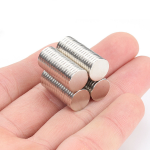
Adhesive Neodymium magnets are used to make the thin magnetic discs and magnetic blocks, both of which have 3M peel and stick glue already on them. Using this powerful adhesive-attached neodymium magnet, you can practically anywhere with the ease and dependability of neodymium magnets. Magnets were used as cabinet and door fasteners for a very long time. Our online magnet store offers strong, flat, and flexible self-adhesive neodymium disc and block magnets for reliable adhesion.
Single Pole Magnet
How Can I Tell the Two Poles Apart?
The two poles of a magnet are difficult to distinguish because they are identical when they are not designated. Here are some pointers to help you recognize the magnets’ sides.
The Earth’s polarity is one.
1. Since the Earth is a massive generator, its physical poles can be used to pinpoint its geomagnetic poles. Because the North geomagnetic pole is close to the South geographic pole, the South Pole of the earth could be generally viewed as the North geomagnetic pole of the earth. The South geomagnetic pole is located at 80.65°S107.32°E, and the North geomagnetic pole is located at 80.65°S72.68°W, according to a report from the year 2020. After verifying the magnetic poles of the earth, we can use the property that a free-suspended magnet’s north pole always faces the north of the earth to identify the magnetic poles of the magnets.
2. Labeled Magnets
With designated magnets, it is fairly simple to distinguish between a magnet’s two sides. A designated magnet typically has blue on the South Pole and red on the North Pole. Combine a designated magnet with an unlabeled magnet. The unlabeled magnet’s North Pole will be drawn to the designated magnet’s South Pole. Repulsion can be used to determine the poles of an unlabeled magnet.
3. Line up the unlabeled magnet and the compass so that the north poles of both objects point in the same direction.
This is possible because opposing poles are attracted to one another.
4. Pole Detectors, number
You can either use an electronic pole marker or a magnetic pole tracker. To display the orientation of unmarked magnets, the magnetic detector has a tiny painted bar magnet in the center. And the LED light in the electrical detector makes the orientation evident. Both of them are simple to use and run.
Can the magnet’s polarity be reversed?
A magnet typically has two sides, which hardly ever shift. However, under the following circumstances, the North Pole and the South Pole of various magnets can be protected.
1. The planet Earth
If the Earth’s hemispheres were to reverse, the consequences would be catastrophic. Numerous birds, owls, and other creatures rely on the Earth’s magnetic field to guide them home, for starters. If the polarity shit occurs, they’d be doomed. Another benefit is that the magnetic field of the Earth acts as a shield against radioactivity. A significant radiation flow would result from a phase change. Also impacted would be electronic gadgets.
2. Magnets that are permanent
The powerful magnetism of permanent magnets makes them challenging to alter. However, by doing the following, you can swap the two polarities. The magnet should first be heated to its Curie point. After that, place the fixed magnet for a brief period of time in a greater magnetic field.
3. the use of magnets
Magnets may readily change their direction compared to electromagnets. All you have to do is switch the direction of the electric current.
Magnetic parts are created to significantly boost magnetic force and keep fragile magnets from breaking.
The finest example of a product that combines these two advantages is pot magnets.
The components of conventional pot magnets are a fixed magnet, a steel case, and a spacer.
Ferrite magnets, AlNiCo magnets, sintered Samarium Cobalt magnets, and sintered Neodymium magnets are examples of sintered magnets.
There are several pure magnet magnetic field lines scattered throughout the environment.
Due to their significantly higher permeabilities than air, steel shells and attracted portions undoubtedly allow magnetic field lines to spread from them.
Pot magnets are made by enclosing a permanent magnet in a steel case, which produces a magnetic field that is intrinsic to the object that is magnetized.
On this circuit, the component and magnetic field lines merge.
make magnets with several times more attracting power than pure magnets.
Based on the process used to create the magnet, pot magnets can also be divided into two categories: turning type and stamping type.
steel body.
In terms of sheer quantity, stamping type is the most often used product since it is less expensive than turning design.
Spinning, especially large series like fishing magnets, provides a broader diversity of product series and requires no tools.
Turning type has superior machining precision than pressing type, which results in a somewhat stronger attractive force.
Along with the magnet’s grade, the material, make-up, and size of the test object have a direct bearing on the pot magnets’ attracting power. as well as structural features. As the air gap widened, the attractive force reduced,
Moreover, in practical applications, even a little air gap would significantly affect the attraction force. Contact between a pot magnet and something else cause an unfilled air gap.