


Smco Arc Magnet
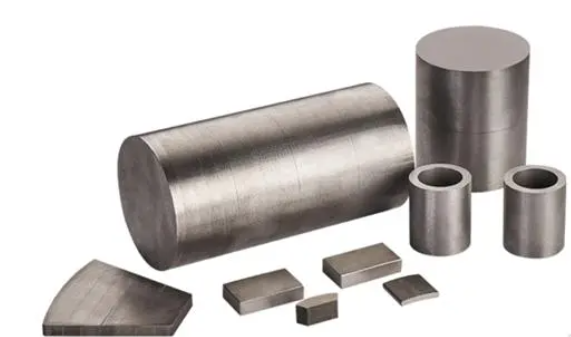
Samarium cobalt permanent magnets are mainly composed of metal samarium (Sm), metal cobalt (Co), copper (Cu), iron (Fe), zirconium (Zr) and other elements. They are divided into 1:5 type and 2:17 type in terms of structure, and belong to the first and second generation rare earth permanent smco arc magnet materials.
smco arc magnet permanent magnets have excellent magnetic properties (high remanence, high coercivity and high magnetic energy product), extremely low temperature coefficient, high operating temperature and strong corrosion resistance. smco arc magnets are currently the best temperature-resistant smco arc magnet permanent magnet materials and are widely used in microwave devices, electron beam devices, high power/high speed motors, sensors, magnetic components and other industries.

2:17 SmCo
2:17 smco arc magnet are also called Sm2Co17. The maximum magnetic energy product of each grade ranges from 20-35MGOe, and the maximum operating temperature is 500℃. 2:17 SmCo magnets have a lower temperature coefficient and better corrosion resistance.
At high temperatures, their magnetic properties exceed those of NdFeB magnets, so they are widely used in aerospace, military, high-temperature motors, automotive sensors, various magnetic transmissions, magnetic pumps, and microwave devices. 2:17 SmCo magnets are extremely brittle and difficult to process into complex shapes or particularly thin sheets and thin-walled rings. In addition, small corners are easily missing during the production process. Generally, as long as they do not affect the magnetic properties or functions, they can be considered qualified products.
In terms of performance characteristics, smco arc magnet permanent magnets can be divided into three types: high-performance series, high-stability series (low temperature coefficient), and high-temperature resistant series.


1:5 SmCo
1:5 smco arc magnet are also called SmCo 5 and SmCo5. The maximum energy product of each grade ranges from 16 to 25 MGOe, and the maximum operating temperature is 250°C. The maximum energy product is lower than that of 2:17 SmCo, but the mechanical properties and ductility are slightly better than those of 2:17. It is suitable for processing into shapes that are not easy to process with 2:17 SmCo, such as thin discs, squares, rings and various complex shapes with particularly thin thickness or walls.
The magnetizing magnetic field of 1:5 SmCo magnets is smaller than that of 2:17 SmCo. Generally, 40,000 Gauss magnetic field can be magnetized to saturation, while the magnetizing magnetic field of 2:17 high coercive force smco arc magnet requires 60,000 Gauss or higher. The rare earth content in the formula of 1:5 SmCo magnets is nearly 40%, so the price is higher than that of 2:17 SmCo magnets.

Bonded rare earth smco arc magnet permanent magnets use different organic adhesives and molding methods, and their magnetic properties and material properties vary greatly. The country has not given a unified standard.
Differences between SmCo and NdFeB
1. Different ingredients
NdFeB permanent magnets contain about 29% to 32.5% rare earth metal neodymium, 64% to 69% metal element iron, 1.1% to 1.2% non-metallic element boron, and a small amount of dysprosium, terbium, niobium, copper and other elements.
For SmCo magnets, taking the 2:17 type as an example, the rare earth metal smco arc magnet accounts for 23% to 28%, the rare earth metal cobalt accounts for 48% to 52%, the metal element iron accounts for 14% to 17%, and there are also a small amount of copper, zirconium and other elements.
2. Different performance and price
From the previous performance table, it can be found that the overall magnetic properties of SmCo smco arc magnets are lower than those of NdFeB permanent magnets. From the ratio of metal elements between the two, it can be seen that the iron content in NdFeB is the highest, while the content of samarium and cobalt in smco arc magnets accounts for about 70%. Therefore, compared with two SmCo and NdFeB magnets with the same magnetic energy product and volume, the price of SmCo is often slightly higher.
3. Different high temperature resistance, oxidation resistance and corrosion resistance.
An **SmCo magnet** refers to a type of permanent magnet made from an alloy of samarium (Sm) and cobalt (Co). These magnets are known for their strong magnetic properties and high resistance to oxidation and demagnetization.
Here are some key features of smco arc magnet:
1. **High Magnetic Strength**: SmCo magnets have high magnetic energy products, which means they can produce strong magnetic fields relative to their size.
2. **Temperature Stability**: They maintain their magnetic properties at high temperatures better than many other types of magnets. SmCo magnets typically remain effective up to around 300°C (572°F).
3. **Corrosion Resistance**: They are highly resistant to corrosion and oxidation, making them suitable for harsh environments without requiring additional coatings or treatments.
4. **Cost and Availability**: smco arc magnet are more expensive than other types of permanent magnets, such as Neodymium (NdFeB) magnets, due to the cost of the rare earth materials used and the complexity of their production.
5. **Brittleness**: smco arc magnet can be quite brittle, so they require careful handling to avoid chipping or cracking.
**SmCo** stands for Samarium-Cobalt, which is a type of rare-earth magnet. These magnets are composed primarily of samarium (Sm) and cobalt (Co), and are renowned for their exceptional magnetic properties and durability. Here’s a more detailed look at smco arc magnet:
### **Properties of smco arc magnet**
1. **High Magnetic Strength**: smco arc magnet exhibit very high magnetic energy products, which means they can produce strong magnetic fields. This makes them effective for applications requiring compact, powerful smco arc magnet.
2. **Temperature Stability**: One of the key advantages of SmCo magnets is their ability to maintain their magnetic properties at high temperatures. They can operate effectively at temperatures up to 300°C (572°F) or higher, making them suitable for high-temperature applications.
3. **Corrosion Resistance**: smco arc magnets are highly resistant to oxidation and corrosion, which makes them suitable for use in environments where they might be exposed to moisture or other corrosive elements.
4. **High Coercivity**: They have high coercivity, meaning they resist being demagnetized. This is important for maintaining magnetic performance over time and in varying environmental conditions.
5. **Brittleness**: smco arc magnets are relatively brittle and can break or chip if subjected to mechanical stress. They are typically not as ductile as other types of magnets like Neodymium Iron Boron (NdFeB) magnets.
### **Types of SmCo Magnets**
smco arc magnets are available in two main types:
– **SmCo (1:5) Magnets**: These have a lower magnetic strength compared to the 2:17 type but are generally less expensive.
– **SmCo (2:17) Magnets**: These have higher magnetic strength and better performance but are also more expensive.
### **Applications**
Due to their unique properties, SmCo magnets are used in a variety of high-tech and demanding applications:
– **Motors and Generators**: High-performance motors and generators in aerospace and other industries.
– **Sensors**: Magnetic sensors where stable and strong magnetic fields are required.
– **Medical Devices**: In equipment such as MRI machines.
– **Military and Aerospace**: In applications where high temperature stability and durability are critical.
Overall, smco arc magnets are chosen for their strength, stability at high temperatures, and resistance to corrosion, although their cost and brittleness are factors to consider.
These smco arc magnets are commonly used in various applications, including motors, sensors, and other devices where strong, stable magnetic fields are needed.
The working temperature of NdFeB permanent magnets is between 80℃~220℃, while the working temperature of SmCo permanent magnets can reach 250℃~350℃.
NdFeB magnets have a high iron content, so they are easily oxidized and corroded. Surface treatment is an essential process. The service life of the magnet depends largely on the effect of the coating; while SmCo magnets have a low iron content, which is basically a metal element that is not easily oxidized and corroded. Generally, surface treatment is not required, unless the working environment is relatively harsh or electroplating is done to beautify the appearance.
An SMCo arc magnet typically refers to a magnet made from Samarium-Cobalt (SmCo), which is a type of rare-earth magnet. These magnets are known for their high magnetic strength and excellent resistance to demagnetization, making them useful in various demanding applications.
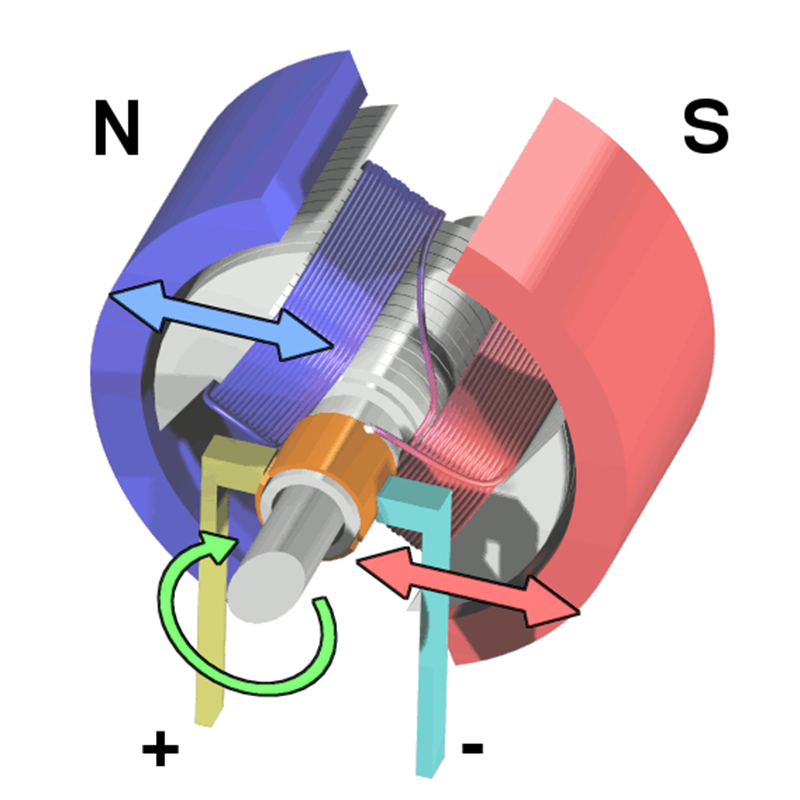
The term “arc” usually describes the shape of the magnet. In the context of SMCo magnets, an arc-shaped magnet might be used in applications such as electric motors, magnetic bearings, or magnetic couplings. This shape allows for efficient magnetic field interactions in devices where circular or rotational motion is involved.
An **SmCo magnet** is a type of rare-earth permanent magnet made from an alloy of samarium (Sm) and cobalt (Co). These magnets are known for their strong magnetic properties and high resistance to demagnetization and corrosion.
### Key Characteristics
1. **High Magnetic Strength**: SmCo magnets have high magnetic energy products, meaning they can produce powerful magnetic fields relative to their size. This makes them useful in applications where strong, compact magnets are needed.
2. **Temperature Stability**: One of the standout features of SmCo magnets is their ability to maintain magnetic performance at high temperatures. They can operate effectively at temperatures up to around 300°C (572°F) or even higher, which is much better than many other types of magnets.
3. **Corrosion Resistance**: They are highly resistant to oxidation and corrosion, so they can be used in harsh environments without additional protective coatings.
4. **Coercivity**: SmCo magnets have high coercivity, which means they resist being demagnetized. This property ensures that they retain their magnetic strength over time and under various conditions.
5. **Brittleness**: SmCo magnets are relatively brittle and can crack or chip if subjected to mechanical stress. This makes them less durable in terms of physical handling compared to other magnets like Neodymium (NdFeB).
### Types of SmCo Magnets
There are two primary types of SmCo magnets, based on their composition and magnetic properties:
– **SmCo (1:5) Magnets**: These have a lower magnetic energy product compared to the 2:17 type but are generally less expensive. They are composed of a samarium-cobalt alloy with a 1:5 ratio of samarium to cobalt.
– **SmCo (2:17) Magnets**: These have a higher magnetic energy product and are more powerful but also more expensive. They consist of a samarium-cobalt alloy with a 2:17 ratio of samarium to cobalt.
### Applications
SmCo magnets are used in various demanding applications, including:
– **Motors and Generators**: Especially in high-performance motors where size and weight constraints are important.
– **Sensors**: In magnetic sensors and other precision equipment requiring stable magnetic fields.
– **Medical Equipment**: Such as in MRI machines and other medical imaging devices.
– **Aerospace and Defense**: In applications where high temperature stability and durability are critical.
Overall, SmCo magnets are valued for their strength, stability at high temperatures, and resistance to corrosion, though their cost and brittleness are factors to consider in their application.
Key characteristics of SMCo magnets include:
– **High Magnetic Strength**: They have high magnetic energy products, making them very strong relative to their size.
– **Temperature Stability**: They perform well over a wide range of temperatures, often up to 250°C (482°F) or higher.
– **Corrosion Resistance**: They are highly resistant to oxidation and corrosion compared to other magnets.
If you have a specific application or need further details about SMCo arc magnets, let me know!