







Einführung
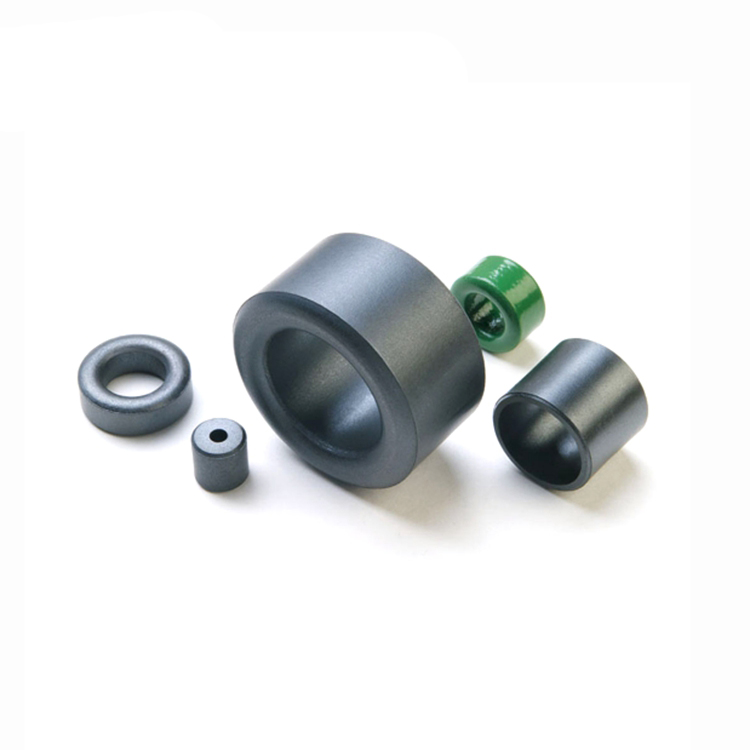
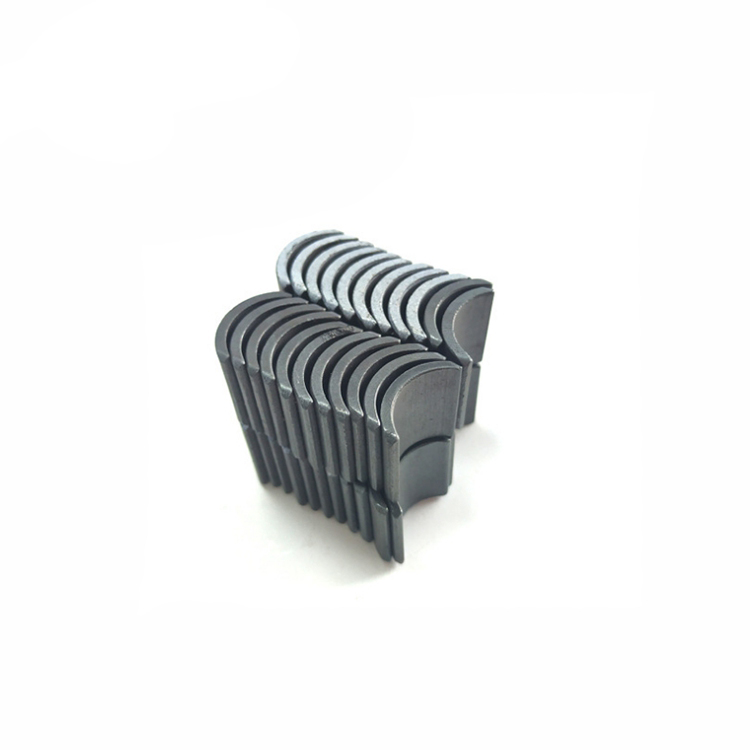
Neodymium magnets, renowned for their exceptional magnetic strength, are available in various shapes to cater to diverse applications. While cylindrical magnets are the most common, arc and wedge shapes offer distinct magnetic properties. This article delves into the nuances of these shapes, comparing their magnetic field distribution, pull force, magnetic moment, magnetization direction, and suitability for specific applications.
Magnetic Field Distribution
A cylindrical magnet exhibits a relatively uniform magnetic field, with field lines emanating from one pole and converging at the other. This symmetrical distribution is ideal for many applications where consistent magnetic force is required.
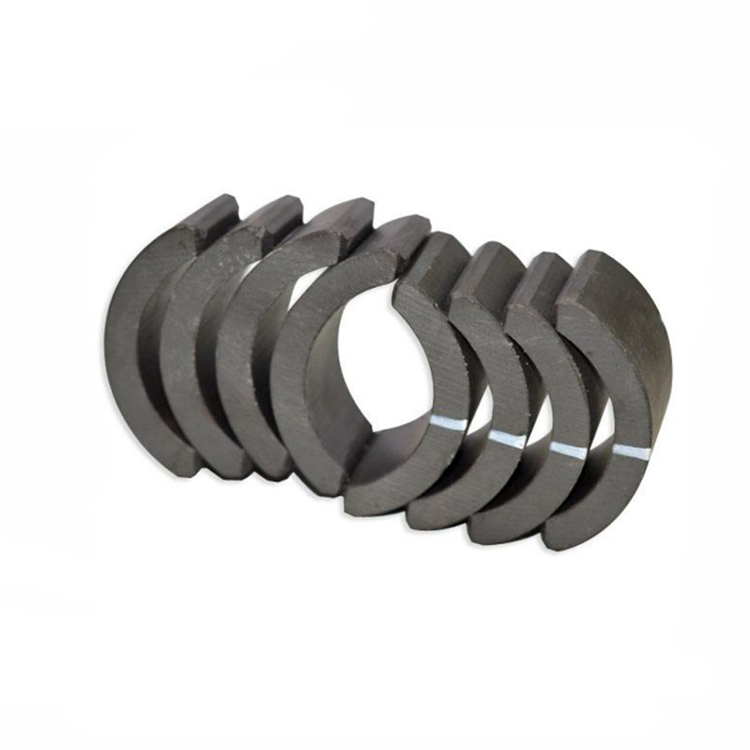
In contrast, arc magnets possess a focused magnetic field. The curvature of the arc concentrates the magnetic field lines at the tips, resulting in a stronger magnetic force in those regions. This characteristic is beneficial for applications demanding localized magnetic fields, such as magnetic couplings or sensors.
Wedge magnets, due to their asymmetrical shape, exhibit an uneven magnetic field distribution. The magnetic field is concentrated towards the thicker end of the wedge, leading to a gradient in magnetic force. This property finds utility in applications where a controlled variation in magnetic force is necessary, such as magnetic clamps or holding devices.
Pull Force and Magnetic Moment
Pull force, a measure of a magnet’s ability to adhere to a ferromagnetic surface, is influenced by various factors, including magnet grade, size, and shape. While cylindrical magnets often serve as a benchmark, arc and wedge magnets can exhibit different pull force characteristics.
The magnetic moment, a fundamental property representing the magnet’s overall magnetic strength, is also affected by shape. For a given volume of magnetic material, the magnetic moment of an arc or wedge magnet may differ from that of a cylinder due to the variations in shape and magnetization direction.
Richtung der Magnetisierung
Cylindrical magnets typically have a single magnetization direction, aligned with the magnet’s axis. This straightforward magnetization pattern results in a predictable magnetic field.
Arc and wedge magnets offer more flexibility in magnetization direction. They can be magnetized radially, axially, or in complex patterns to achieve specific magnetic field configurations. This versatility allows for tailored magnetic properties to suit specific applications.
Applications and Considerations
The choice of magnet shape is a critical decision that significantly impacts the performance and efficiency of a magnetic system. While cylindrical magnets offer a foundational geometry, arc and wedge magnets provide unique advantages for specific applications.
- Cylindrical Magnets
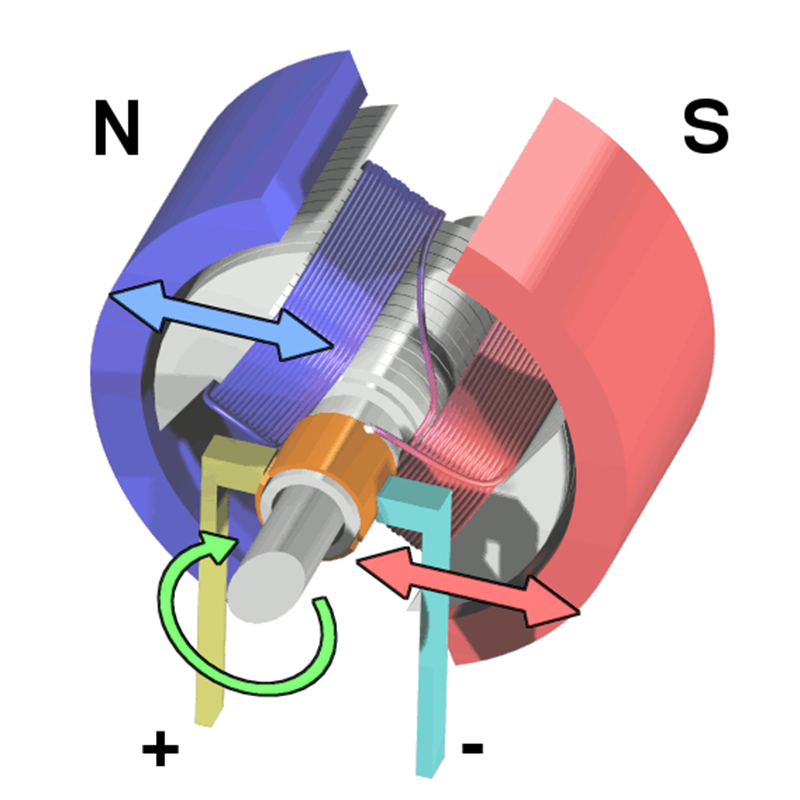
Motors and Generators: Cylindrical magnets are widely used in electric motors and generators due to their consistent magnetic field, which enables efficient energy conversion.
Magnetic Separation: The uniform field of cylindrical magnets is effective in separating magnetic materials from non-magnetic materials in various industrial processes.
Magnetic Levitation: While challenging, cylindrical magnets can be employed in magnetic levitation systems, although more complex configurations might be required.
- Arc Magnets
Magnetic Couplings: The focused magnetic field of arc magnets is ideal for transmitting torque between rotating shafts without physical contact, reducing wear and friction.
Magnetic Sensors: The sensitivity of arc magnets to changes in magnetic field makes them suitable for various sensing applications, including position, speed, and proximity detection.
Magnetic Actuators: Arc magnets can be used in actuators to generate precise and controlled linear or rotational motion.
Loudspeakers: The focused magnetic field of arc magnets can improve the efficiency and sound quality of loudspeaker systems.
- Wedge Magnets
Magnetic Clamps and Holding Devices: The asymmetrical field of wedge magnets provides a strong holding force, making them suitable for clamping and securing objects in various orientations.
Linear Actuators: Wedge magnets can be used in linear actuators to generate controlled linear motion.
Magnetic Bearings: While less common than cylindrical magnets, wedge magnets can be incorporated into magnetic bearing designs for specific applications.
Magnetic Levitation: Wedge magnets can contribute to complex magnetic levitation systems, providing additional degrees of freedom and control.
Considerations for Magnet Selection
When choosing between cylindrical, arc, and wedge magnets, several factors should be considered:
- Magnetic Field Requirements: The desired magnetic field distribution (uniform, focused, or gradient) is a primary consideration.
- Pull Force: The necessary pull force or holding capacity will influence the magnet’s size and shape.
- Cost: The manufacturing process and material requirements for different shapes can impact the overall cost.
- Design Constraints: The available space and geometric constraints of the application will limit the magnet’s dimensions.
- Performance Optimization: Careful consideration of magnet orientation, magnetization direction, and assembly methods is essential for maximizing performance.
By carefully evaluating these factors, engineers and designers can select the optimal magnet shape to achieve the desired functionality and efficiency in their applications.
Schlussfolgerung
The magnetic properties of arc and wedge magnets diverge significantly from those of cylindrical magnets. Understanding these differences is essential for selecting the appropriate magnet for a given application. While cylindrical magnets offer simplicity and consistency, arc and wedge magnets provide greater flexibility in tailoring magnetic field distribution and pull force. As technology advances, novel magnet shapes and magnetization patterns may emerge, expanding the possibilities for magnetic applications.