








Einführung
Magnets have become ubiquitous in our daily lives, from the magnets holding up our shopping lists on the fridge to those within electronic devices. Among the diverse types of magnets, neodymium magnets, specifically single-pole discs and rods, stand out due to their distinctive properties and applications. This article aims to dissect these differences and elucidate how these single-pole neodymium magnets discs and rods diverge from traditional magnets.
Properties of Regular Magnets
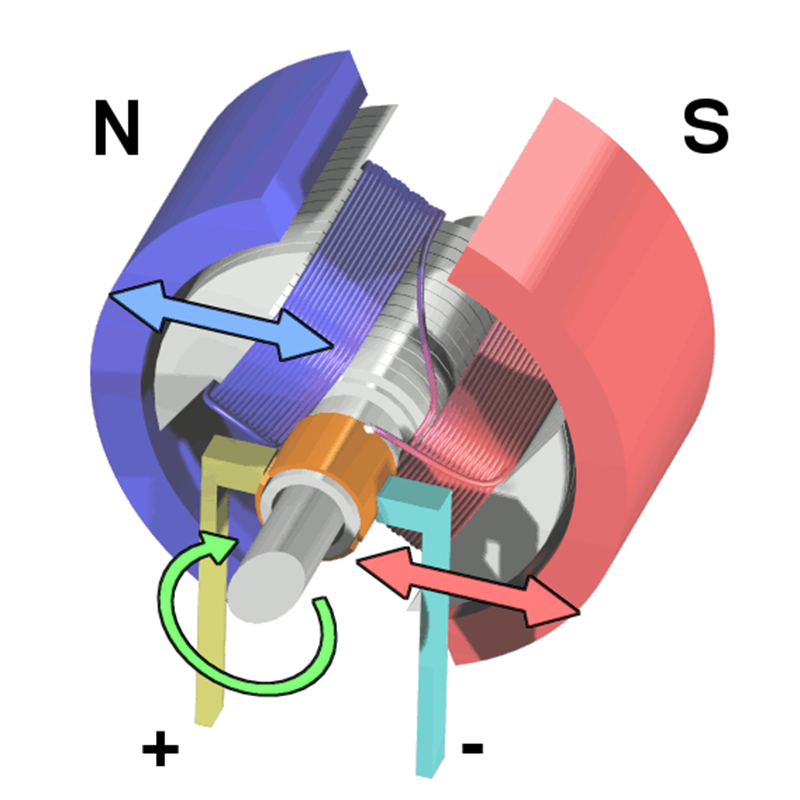
Traditional magnets, including bar magnets and horseshoe magnets, operate on fundamental principles of magnetism. They possess a dipole structure with two poles: north and south. Their magnetic fields flow from north to south, attracting or repelling based on the orientation of poles.
Characteristics of Single-Pole Neodymium Magnet Discs and Rods
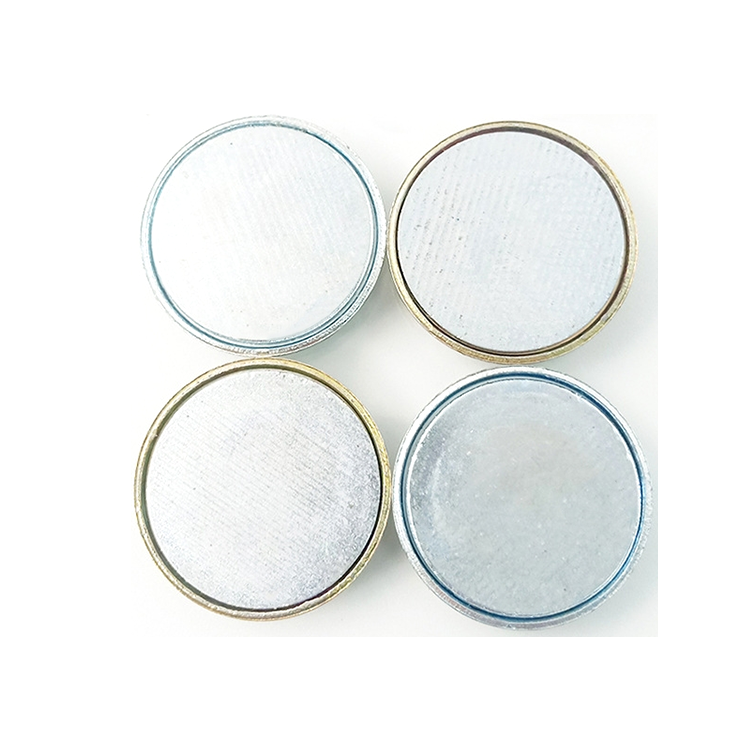
In contrast, single-pole neodymium magnets Discs and Rods possess an intriguing singular pole structure. These magnets exhibit a monopole-like behavior, seemingly defying the classic laws of magnetism by featuring only one pole, either north or south. Structurally, they often appear as discs or rods, enhancing their applications in various industries.
Differences between Single-Pole Neodymium Magnets Discs and Rods and Regular Magnets
The most striking divergence lies in their magnetic field orientation. Regular magnets wield opposing poles, attracting or repelling based on their pole alignment. In contrast, single-pole neodymium magnets have one pole, which can only attract or repel depending on the orientation of materials with different magnetic properties.
Additionally, the strength and intensity of the magnetic fields differ significantly. Neodymium magnets, particularly single-pole variants, are renowned for their immense magnetic strength compared to conventional magnets of similar size. This attribute renders them invaluable in applications demanding powerful magnetic fields.
Moreover, the unique properties of these magnets impact their applications across industries. Single-pole neodymium magnets Discs and Rods find uses in magnetic therapy, sensors, and magnetic separation due to their specialized magnetic field distribution, whereas traditional magnets cater to a broader spectrum of applications.
Factors Influencing Their Divergence
- Materialzusammensetzung
Single-pole neodymium magnets Discs and Rods are crafted from rare earth elements, notably neodymium, iron, and boron (NdFeB). This unique composition grants them extraordinary magnetic properties, including remarkable strength and stability. The integration of these rare earth metals in precise proportions during the manufacturing process plays a pivotal role in defining the magnet’s magnetic performance.
Regular magnets, on the other hand, encompass a broader spectrum of materials, including iron, nickel, cobalt, and various alloys. While these materials exhibit magnetic properties, they lack the exceptional strength and efficiency of neodymium magnets due to their differing composition.
- Manufacturing Techniques
The manufacturing process for neodymium magnets involves intricate procedures, such as powder metallurgy and sintering. Initially, the raw materials are melted and cast into molds to form ingots. Subsequently, the ingots are crushed into fine powder and pressed into shape within a strong magnetic field. The sintering process then solidifies the structure, inducing alignment of magnetic domains, ultimately resulting in the desired magnetic properties.
Contrastingly, regular magnets may undergo processes like casting or forging. These methods involve melting the raw materials and shaping them into the desired form. However, the absence of intricate alignment procedures often leads to a more randomized magnetic structure, diminishing their overall magnetic strength compared to neodymium magnets.
- Magnetization Techniques
Magnetization is a crucial phase that imparts specific magnetic properties to the magnets. Neodymium magnets undergo magnetization using advanced techniques such as multi-pole magnetization or radial magnetization. This process enables the creation of single-pole neodymium magnets, generating a unipolar magnetic field with a remarkable level of precision.
In contrast, regular magnets typically possess multiple poles due to the nature of their construction and magnetization process. Their bipolar magnetic orientation results in two distinct poles, north and south, influencing their interaction with other magnetic materials.
- Crystal Structure and Microstructure
Neodymium magnets exhibit a unique crystalline structure, known as a tetragonal crystal lattice. This crystal structure, combined with carefully controlled microstructures during the manufacturing process, allows for optimal alignment of magnetic domains. This alignment enhances the magnetic properties and contributes to the impressive strength of neodymium magnets.
Regular magnets, depending on their material composition and manufacturing techniques, may feature different crystal structures and microstructures. These structures impact their magnetic properties, often resulting in lower magnetic strength and less efficiency compared to neodymium magnets.
Understanding these intricacies offers insights into the fundamental disparities between single-pole neodymium magnet discs and rods compared to regular magnets, shedding light on their unique attributes and applications in various industries.
Similarities between Single-Pole Neodymium Magnets and Regular Magnets
Despite their apparent disparities, both single-pole neodymium magnets and regular magnets adhere to fundamental principles of magnetism. They share common ground in their ability to attract ferromagnetic materials and generate magnetic fields. Some applications might also allow for interchangeable usage based on specific requirements.
Schlussfolgerung
In conclusion, the comparison between single-pole neodymium magnet discs and rods versus regular magnets elucidates the fascinating differences in magnetic field orientation, strength, and applications. Understanding these distinctions not only expands our knowledge of magnetism but also paves the way for innovative applications across various industries. As technology progresses, further advancements in magnet manufacturing may unlock new potentials, harnessing the unique attributes of these magnets for diverse purposes.