


Choosing the right permanent magnet depends on several factors, including the application, environmental conditions, and required performance. Here’s a step-by-step guide to help you select the best magnet for your needs:
-
Identify the Application
What will the magnet be used for? (e.g., motors, sensors, holding applications, medical devices, etc.)
Does it require high magnetic strength, temperature resistance, or corrosion resistance?

-
Select the Magnet Type
Different materials offer varying properties:
Neodymium (NdFeB): Strongest magnetic force, but lower heat resistance and prone to corrosion unless coated.
Samarium Cobalt (SmCo): High temperature resistance, corrosion-resistant, and stable, but more expensive.
Alnico: Good temperature stability, lower strength, often used in sensors and instruments.
Ferrite (Ceramic): Cost-effective, corrosion-resistant, and widely used in speakers and motors.
-
Consider the Required Strength
Strength is measured by maximum energy product (MGOe).
If you need extreme magnetic force, go for Neodymium.
For moderate strength with stability, Samarium Cobalt or Alnico might work.
-
مقاومة درجات الحرارة
If operating in high temperatures (> 150°C), Samarium Cobalt or Alnico is ideal.
Neodymium magnets may demagnetize at high temperatures unless high-grade versions are used.
-
الظروف البيئية
Corrosion Risk? Use coated Neodymium or Samarium Cobalt.
Outdoor Use? Ferrite (Ceramic) or SmCo are more suitable due to corrosion resistance.
-
Shape & Size
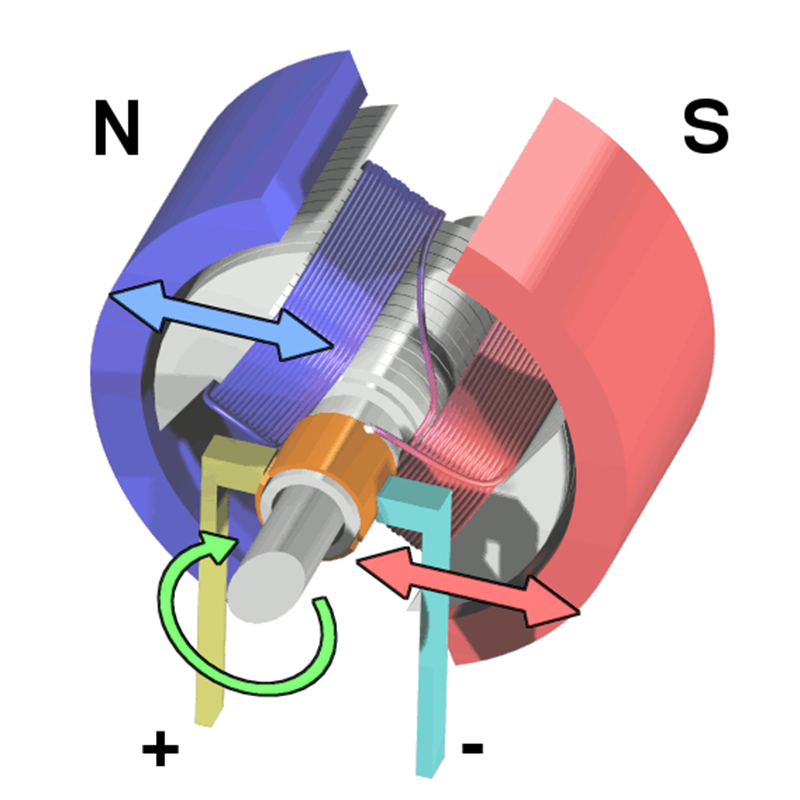
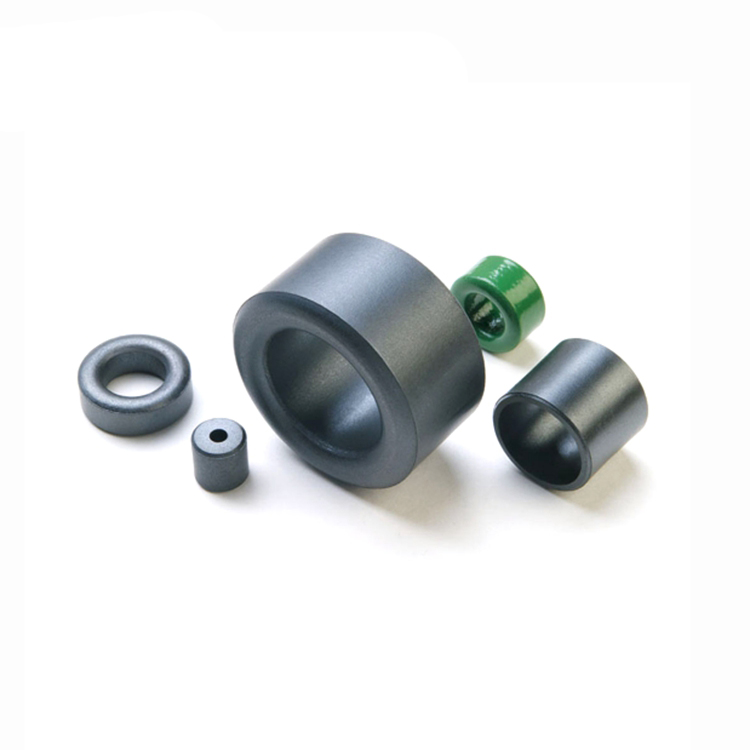
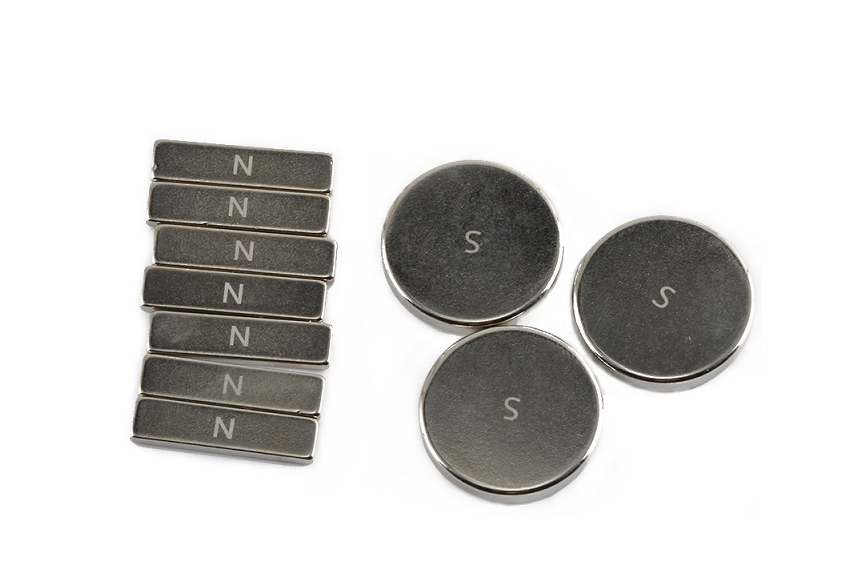
Common shapes: Discs, blocks, rings, cylinders, arcs (for motors).
The shape impacts how the magnetic field is distributed and applied.
-
Cost Consideration
Neodymium offers the best performance for its size but can be costly.
Ferrite magnets are affordable but weaker.
Samarium Cobalt is expensive but necessary for extreme conditions.