




مقدمة
Magnets play a crucial role in modern technology, finding applications across various industries such as electronics, automotive, medical devices, and industrial machinery. Among the different types of magnets available, ferrite, neodymium, alnico, and samarium-cobalt magnets are the most commonly used. Each type of magnet has unique properties that make it suitable for specific applications. This article aims to compare custom block ferrite magnets with other types of magnets, particularly focusing on performance and cost aspects.
Overview of Custom Block Ferrite Magnets
- Definition and Characteristics of Ferrite Magnets
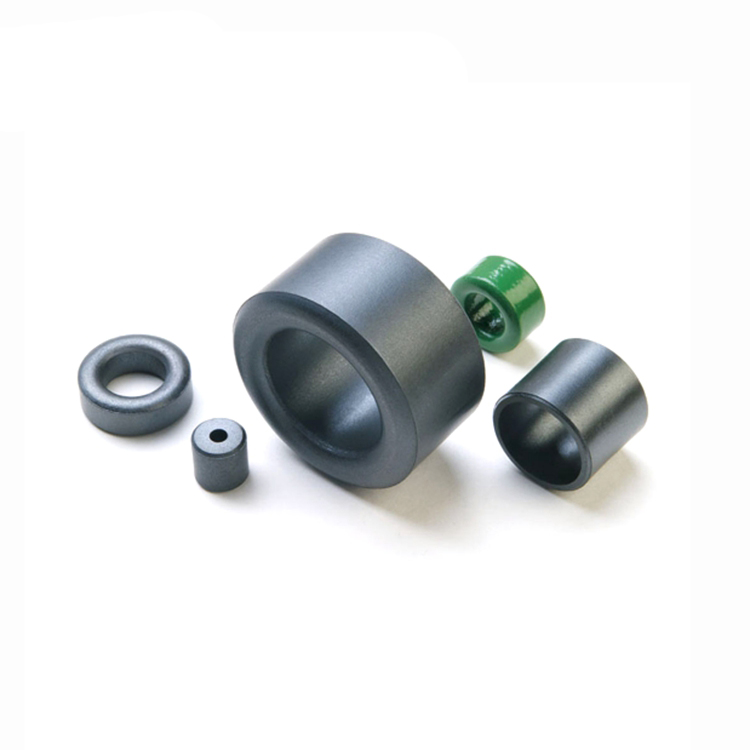
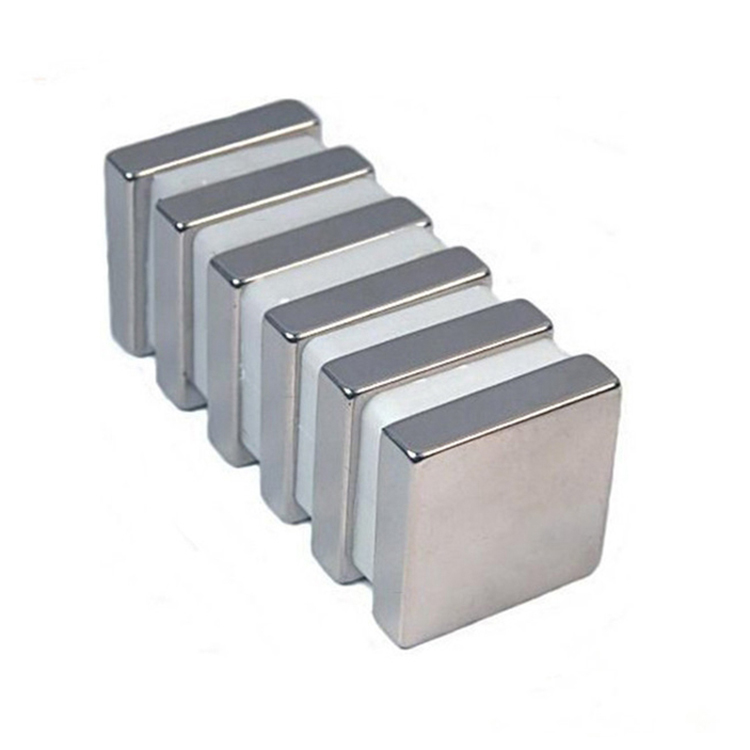
Ferrite magnets, also known as ceramic magnets, are composed of iron oxide combined with barium or strontium carbonate. They are manufactured through a process called sintering, where the raw materials are mixed, pressed into shape, and then heated at high temperatures to form a solid piece. Ferrite magnets are known for their hardness, brittleness, and resistance to demagnetization and corrosion.
- Common Applications of Ferrite Magnets
Ferrite magnets are widely used in various applications due to their affordability and reasonable performance. Common uses include:
مكبرات الصوت
فواصل مغناطيسية
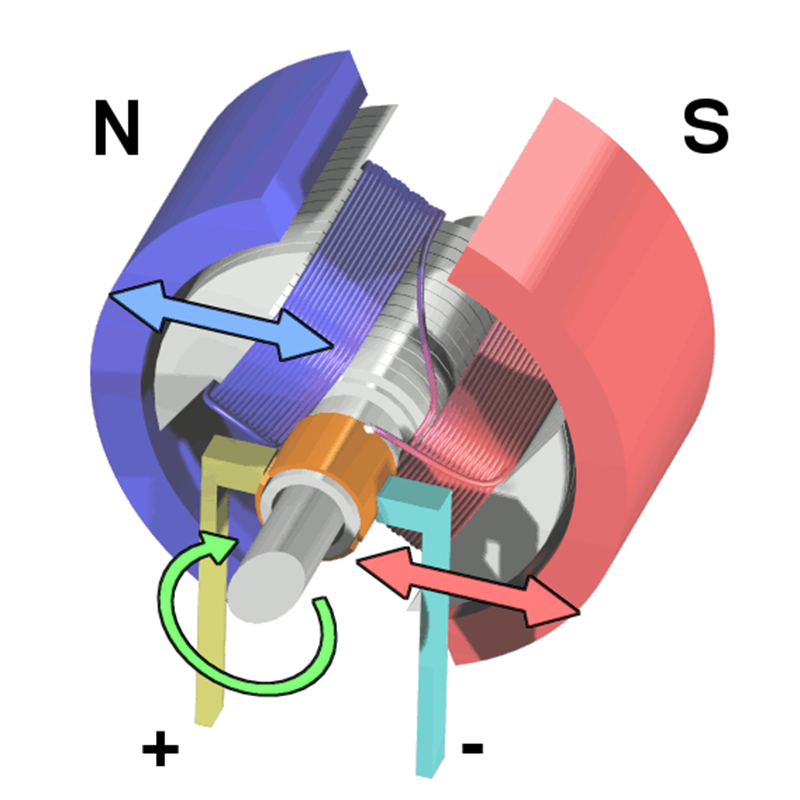
Motors
المستشعرات
Magnetic assemblies for holding, lifting, and separating
- Advantages of Using Ferrite Magnets
Ferrite magnets offer several benefits, including:
Low cost: Ferrite magnets are among the most cost-effective magnetic materials available.
Corrosion resistance: They do not rust, making them suitable for applications in harsh environments.
High coercivity: Ferrite magnets are resistant to demagnetization, maintaining their magnetic properties over time.
Comparison with Neodymium Magnets
- Performance
Magnetic Strength and Field Intensity
Neodymium magnets, also known as NdFeB or NIB magnets, are made from an alloy of neodymium, iron, and boron. They are the strongest type of permanent magnet available, offering superior magnetic strength and field intensity compared to ferrite magnets. This makes neodymium magnets ideal for applications requiring high magnetic force in a compact size.
Durability and Wear Resistance
While neodymium magnets have high magnetic strength, they are more prone to corrosion and can degrade over time if not properly coated. Ferrite magnets, on the other hand, are inherently resistant to corrosion and can withstand harsher environmental conditions without significant wear.
- التكلفة
Material Costs
Neodymium magnets are significantly more expensive than ferrite magnets due to the cost of raw materials, especially neodymium and other rare earth elements. This makes ferrite magnets a more economical choice for applications where extreme magnetic strength is not necessary.
Manufacturing Costs
The production process for neodymium magnets is more complex and costly than that for ferrite magnets. Neodymium magnets require precise alloying and coating processes to prevent corrosion and enhance performance, contributing to higher manufacturing costs.
- التطبيقات
Situations Where Neodymium Is Preferred
Neodymium magnets are preferred in applications that require strong magnetic fields in a small form factor, such as:
محركات الأقراص الصلبة
Magnetic resonance imaging (MRI) machines
محركات السيارات الكهربائية
High-performance speakers and headphones
Situations Where Ferrite Is Sufficient or Preferred
Ferrite magnets are often sufficient for less demanding applications where cost is a significant factor. They are preferred in:
Low-cost consumer electronics
General-purpose motors
Magnetic assemblies for holding and separation in industrial settings
Comparison with Alnico Magnets
- Performance
Magnetic Stability Over a Range of Temperatures
Alnico magnets, made from an alloy of aluminum, nickel, cobalt, and iron, offer excellent temperature stability. They can operate at temperatures up to 550°C without losing their magnetic properties, making them suitable for high-temperature applications.
Resistance to Demagnetization
Alnico magnets have high resistance to demagnetization from external magnetic fields, making them stable over time. However, they have lower coercivity compared to ferrite magnets, which means they can be more easily demagnetized by physical impacts.
- التكلفة
Raw Material Expenses
The cost of raw materials for alnico magnets is higher than for ferrite magnets, mainly due to the presence of cobalt, which is relatively expensive.
Production and Machining Costs
Alnico magnets are usually cast or sintered and require additional machining to achieve the desired shape and tolerance. This increases the production costs compared to ferrite magnets, which can be produced in large volumes at lower costs.
- التطبيقات
Ideal Uses for Alnico Magnets
Alnico magnets are ideal for applications requiring high temperature stability and good magnetic properties, such as:
المستشعرات
Electric guitar pickups
Relays and actuators
Microwave devices
Situations Where Ferrite Magnets Offer a Cost-Effective Alternative
Ferrite magnets provide a cost-effective alternative in applications where temperature stability is less critical, such as:
Basic motor applications
Consumer electronics
Magnetic assemblies for holding and separating
Comparison with Samarium-Cobalt Magnets
- Performance
High-Temperature Stability
Samarium-cobalt (SmCo) magnets are known for their exceptional stability at high temperatures, maintaining their magnetic properties up to 350°C or even higher. This makes them suitable for applications in extreme environments.
Magnetic Strength and Precision
SmCo magnets offer strong magnetic fields and high precision, although their magnetic strength is slightly lower than that of neodymium magnets. They are also highly resistant to corrosion and demagnetization.
- التكلفة
Expensive Raw Materials
Samarium and cobalt are both expensive raw materials, making SmCo magnets one of the costliest types of permanent magnets available.
Complex Manufacturing Processes
The manufacturing process for SmCo magnets involves sintering and precise alloying, which adds to the overall cost. Their brittleness also requires careful handling and machining.
- التطبيقات
High-Performance Applications Requiring Stability at Extreme Temperatures
SmCo magnets are used in high-performance applications where stability at extreme temperatures is essential, such as:
Aerospace and military applications
High-temperature sensors
Precision control systems
Comparison of Cost-Effectiveness in Less Demanding Applications
For less demanding applications where extreme temperature stability is not required, ferrite magnets offer a more cost-effective solution. Examples include:
Basic motor applications
Consumer electronics
General-purpose magnetic assemblies
Performance Factors
- Magnetic Strength and Field Generation
When comparing magnetic strength, neodymium magnets are the strongest, followed by samarium-cobalt, alnico, and ferrite magnets. Ferrite magnets, while not the strongest, provide sufficient magnetic strength for many everyday applications and are favored for their cost-effectiveness.
- Temperature Resistance and Operational Stability
Samarium-cobalt and alnico magnets excel in temperature resistance, making them suitable for high-temperature environments. Ferrite magnets have moderate temperature resistance but are generally sufficient for most common applications.
- Durability and Lifespan
Ferrite and samarium-cobalt magnets are highly resistant to corrosion, making them durable in harsh environments. Neodymium magnets require protective coatings to prevent corrosion, while alnico magnets, though stable, are more prone to physical damage due to their lower coercivity.
- Resistance to Corrosion and Environmental Factors
Ferrite and samarium-cobalt magnets offer excellent resistance to corrosion and environmental factors, making them ideal for outdoor and industrial applications. Neodymium magnets need protective coatings, and alnico magnets, though resistant to high temperatures, are more susceptible to corrosion if not properly protected.
Cost Factors
Raw Material Availability and Costs
Ferrite magnets are made from abundant and inexpensive raw materials, making them the most cost-effective option. Neodymium and samarium-cobalt magnets are more expensive due to the cost of rare earth elements.
Manufacturing Complexity and Expenses
The manufacturing process for ferrite magnets is relatively simple and cost-effective, allowing for mass production at low costs. Neodymium and samarium-cobalt magnets require more complex and costly manufacturing processes, including alloying and coating.
Lifecycle Cost Analysis (Initial Cost vs. Long-Term Value)
While ferrite magnets have a lower initial cost, the total cost of ownership depends on the specific application requirements. Neodymium and samarium-cobalt magnets, though more expensive initially, may offer better long-term value in high-performance applications due to their superior magnetic properties and durability.
Application-Specific Considerations
Industry-Specific Requirements
Automotive
In the automotive industry, neodymium magnets are often used in electric motors and sensors due to their high magnetic strength and compact size. Ferrite magnets are used in less demanding applications such as speakers and basic motors.
Electronics
Neodymium magnets are preferred in consumer electronics for their small size and high strength. Ferrite magnets are used in low-cost devices where strong magnetic fields are not required.
Medical Devices
Samarium-cobalt magnets are used in medical devices requiring stability at high temperatures, such as MRI machines. Ferrite magnets are used in less critical applications.
Industrial Machinery
Ferrite magnets are commonly used in industrial machinery for magnetic separation and holding applications due to their low cost and adequate performance. Neodymium magnets are used in high-performance machinery requiring strong magnetic fields.
Customization Capabilities and Flexibility
Ferrite magnets can be easily customized in various shapes and sizes at a lower cost, making them suitable for a wide range of applications. Neodymium and samarium-cobalt magnets can also be customized but at a higher cost due to the complexity of their production processes.
Long-Term Performance and Maintenance Requirements
Neodymium magnets require protective coatings to prevent corrosion, adding to their maintenance requirements. Ferrite and samarium-cobalt magnets are more durable and require less maintenance, offering cost savings in long-term applications.
الخاتمة
Custom block ferrite magnets offer a balance of cost and performance that makes them suitable for a wide range of applications. While they may not provide the same level of magnetic strength as neodymium or the temperature stability of samarium-cobalt and alnico magnets, their affordability, corrosion resistance, and adequate performance make them a practical choice for many everyday uses. When selecting the appropriate magnet for a specific application, it is essential to consider both the performance requirements and cost implications to make an informed decision. In summary, ferrite magnets provide a cost-effective solution for many applications, while neodymium, alnico, and samarium-cobalt magnets are preferred in high-performance and specialized applications where their unique properties offer significant advantages.