





Introdução
Neodymium magnets, known for their remarkable strength and versatility, have become indispensable in various industries, including electronics, healthcare, automotive, and renewable energy. Among the various grades of Neodymium magnets available, N40 stands out as a popular and widely used grade. This article aims to provide a comprehensive understanding of N40 Neodymium magnets and how they differ from other grades of Neodymium magnets.

What are Neodymium Magnets?
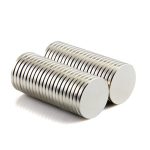
Neodymium magnets are a type of rare-earth magnet known for their exceptional magnetic properties, including high magnetic strength, excellent coercivity, and energy product. These magnets are composed mainly of Neodymium (Nd), Iron (Fe), and Boron (B), which are combined through a sintering process to form a powerful and durable magnetic material.
Brief history and development of Neodymium Magnets:
Neodymium magnets were first developed in the 1980s, following the discovery of rare-earth elements and their potential applications in magnet technology. Since their introduction, Neodymium magnets have revolutionized various industries due to their superior magnetic properties and compact size, making them an ideal choice for applications requiring high magnetic strength in a small and lightweight form factor.
Introduction to N40 Neodymium Magnets
N40 Neodymium magnets are a specific grade within the Neodymium magnet family, distinguished by their unique magnetic properties and performance characteristics.
Definition and specific characteristics of N40 Neodymium Magnets:
N40 Neodymium magnets are characterized by a specific magnetic energy product, which is a measure of their maximum magnetic strength. The “N40” grading system indicates that the magnet has a magnetic energy product of approximately 40 Mega Gauss Oersteds (MGOe).
Explanation of the “N40” grading system and its significance:
The “N” in N40 refers to Neodymium, while the number “40” denotes the magnetic energy product in MGOe. The higher the number, the stronger the magnet. Therefore, N40 Neodymium magnets are considered to be a high-strength grade with excellent magnetic properties suitable for a wide range of applications.
Comparison with Other Grades of Neodymium Magnets
- Propriedades magnéticas
Magnetic energy product (BHmax) comparison:
N40 Neodymium magnets typically have a magnetic energy product (BHmax) of around 40 MGOe, making them one of the high-performance grades within the Neodymium magnet family. In comparison, other grades may range from as low as 27 MGOe to as high as 52 MGOe, depending on the specific grade and composition.
Remanence (Br) and coercivity (Hc) comparison:
N40 Neodymium magnets exhibit excellent remanence (Br) and coercivity (Hc) values, indicating their ability to retain magnetism and resist demagnetization. While the exact values can vary between different grades, N40 magnets generally offer a good balance between magnetic strength and coercivity, making them suitable for a wide range of applications.
- Maximum Operating Temperatures
N40 Neodymium magnets have a maximum operating temperature of approximately 80°C (176°F), which is relatively high compared to some other grades. This temperature limit is crucial for applications where the magnet is exposed to elevated temperatures, as exceeding this limit can lead to a significant loss of magnetic strength and irreversible demagnetization.
Temperature limits and thermal stability comparison:
While N40 Neodymium magnets offer a relatively high maximum operating temperature, it is essential to consider the specific application requirements and choose a grade with the appropriate temperature resistance. Some higher-grade Neodymium magnets, such as N52, can withstand temperatures up to 150°C (302°F), whereas lower-grade magnets may have a maximum operating temperature as low as 80°C (176°F).
- Aplicações e adequação
N40 Neodymium magnets are widely used across various industries due to their excellent magnetic properties and performance characteristics.
Industries and applications where N40 Neodymium Magnets are commonly used:
Electronics: Speakers, headphones, and magnetic sensors
Healthcare: MRI machines, medical devices, and therapeutic magnets
Automotive: Electric motors, sensors, and actuators
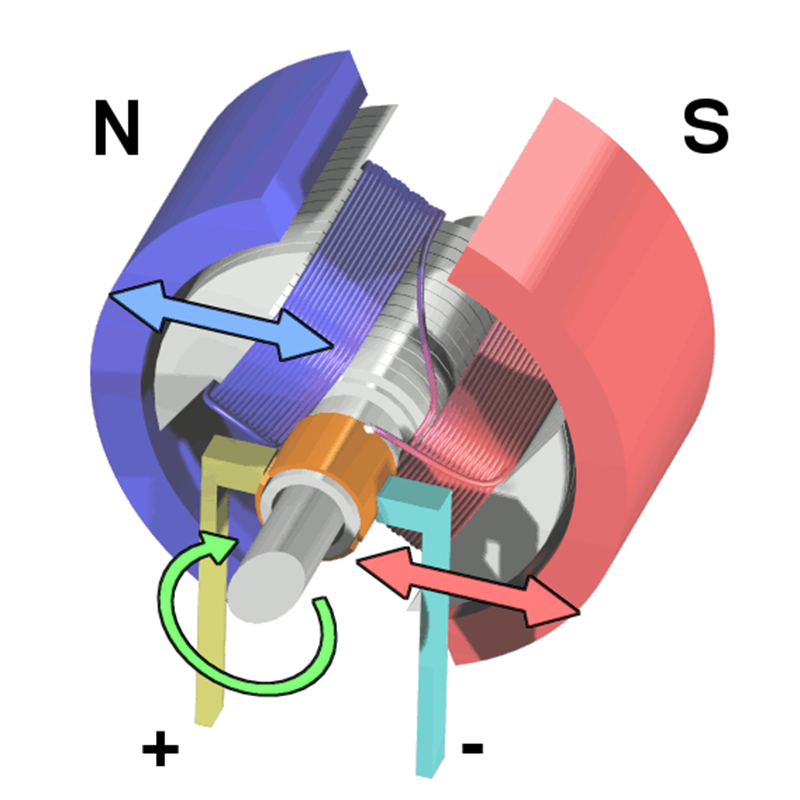
Renewable Energy: Wind turbines, generators, and magnetic couplings
Industrial Applications: Magnetic separators, lifting magnets, and magnetic assemblies
Comparação do desempenho e adequação a várias aplicações:
N40 Neodymium magnets are versatile and suitable for a wide range of applications, offering a good balance between magnetic strength, size, and cost. However, for applications requiring extreme magnetic strength, higher-grade Neodymium magnets such as N52 or N42 may be more suitable, while lower-grade magnets may suffice for less demanding applications.
- Price and Availability
N40 Neodymium magnets are generally more affordable and readily available compared to higher-grade Neodymium magnets.
Cost comparison and factors influencing the price difference:
The cost of Neodymium magnets varies depending on the grade, size, and quantity ordered. N40 Neodymium magnets are typically more affordable than higher-grade magnets due to their lower magnetic energy product and relatively lower demand. However, the price can fluctuate based on market conditions, availability of raw materials, and manufacturing costs.
Availability and popularity of N40 grade compared to other grades:
N40 Neodymium magnets are one of the most popular and widely used grades of Neodymium magnets due to their excellent balance of magnetic properties, affordability, and availability. While higher-grade Neodymium magnets may offer superior magnetic strength, they are often more expensive and less readily available, making N40 magnets a preferred choice for many applications.
Factors to Consider When Choosing Between N40 and Other Grades
- Requisitos de candidatura
When selecting a Neodymium magnet grade, it is essential to consider the specific application requirements, including the desired magnetic strength, operating temperature, size, and cost.
Matching the magnetic properties to the specific application needs:
High magnetic strength: Higher-grade Neodymium magnets (e.g., N52) are suitable for applications requiring extreme magnetic strength.
Temperature resistance: For applications exposed to elevated temperatures, choose a grade with a higher maximum operating temperature (e.g., N52 or N42).
Size and cost considerations: Balancing performance and cost to meet the application requirements and budget.
- Cost-Benefit Analysis
When choosing between N40 and other grades of Neodymium magnets, it is essential to conduct a cost-benefit analysis to evaluate the overall value and return on investment.
Balancing performance and cost considerations
Assessing the required magnetic strength and performance against the cost of the magnet
Considering the total cost of ownership, including maintenance, replacement, and downtime costs
- Availability and Lead Times
Availability and lead times can significantly impact the selection of a Neodymium magnet grade, especially for time-sensitive projects and applications.
Consideration of availability and lead times when selecting a grade:
Evaluating the availability of the desired grade and size from various suppliers
Considering lead times and production schedules to ensure timely delivery and project completion
Conclusão
Em conclusão, N40 Neodymium magnets offer a balanced combination of magnetic strength, size, and cost, making them a popular choice for various applications across multiple industries.
Recap of the key differences and advantages of N40 Neodymium Magnets compared to other grades:
Excellent magnetic properties and performance characteristics
Relatively high maximum operating temperature
Versatility and suitability for a wide range of applications
Affordability and availability compared to higher-grade Neodymium magnets
Summary of the factors to consider when choosing between N40 and other grades for specific applications:
Application requirements and desired magnetic properties
Cost-benefit analysis and total cost of ownership
Availability, lead times, and project timelines
As industries continue to innovate and develop new technologies, the demand for high-performance Neodymium magnets like N40 is expected to grow, driving further advancements in magnet technology and applications.