



Cost-Effective & Widely Used – Ferrite magnets are inexpensive to produce compared to other types like neodymium magnets, making them popular in everyday applications such as refrigerator magnets, speakers, and small motors.
Resistant to Corrosion & High Temperatures – Unlike metal-based magnets, ferrite magnets do not rust and can withstand high temperatures (up to 250°C or 482°F), making them ideal for outdoor and high-heat applications.
Brittle but Strong – Ferrite magnets are hard and brittle, meaning they can break or chip easily if dropped or struck, but they have strong magnetic properties that remain stable over time.
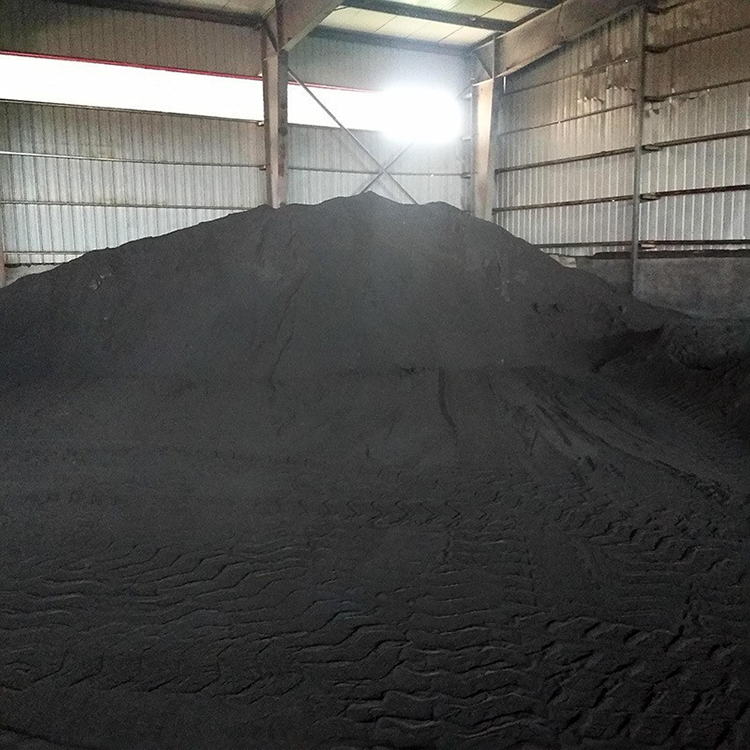
Made from Iron Oxide & Ceramic Materials – Composed mainly of iron oxide (Fe₂O₃) mixed with either barium or strontium carbonate, ferrite magnets are manufactured through pressing and sintering, giving them their characteristic dark gray or black appearance.

Why Are They Called Ceramic Magnets?
Ferrite magnets are called ceramic magnets because they are made using a process similar to traditional ceramic materials. Like ceramics, they are composed of non-metallic, inorganic materials—mainly iron oxide mixed with barium or strontium carbonate. The manufacturing process involves pressing and sintering (heating without melting), which gives them a hard, brittle, and durable structure similar to ceramic objects. Additionally, they are electrically insulating, another characteristic they share with traditional ceramics.

Ferrite Magnets Are Used in Several Applications
- Electronics & Electrical Devices
Loudspeakers & Microphones – Used in audio systems for sound production.
Magnetic Sensors & Reed Switches – Found in various electronic circuits.
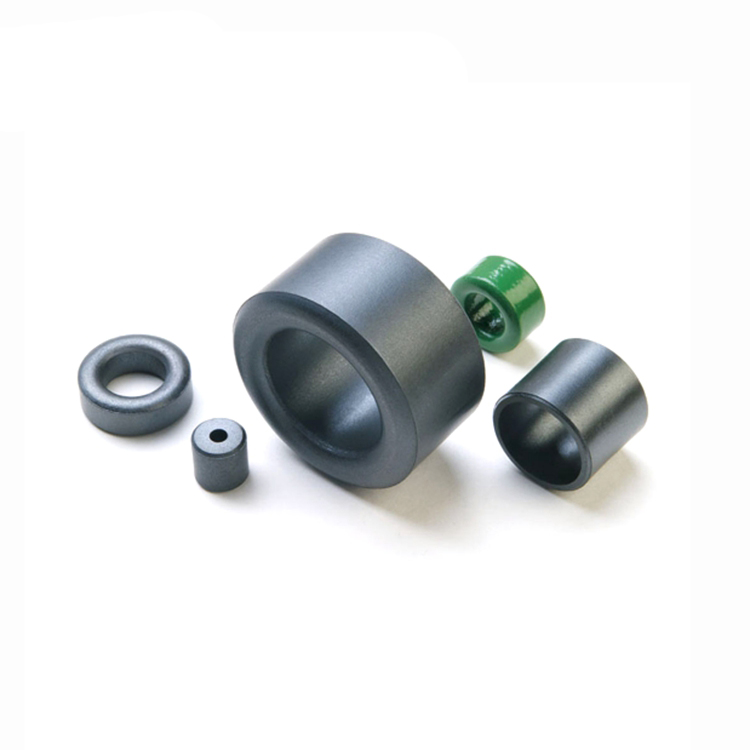
Transformers & Inductors – Ferrite cores are used in electrical transformers to reduce energy loss.
- Motors & Generators
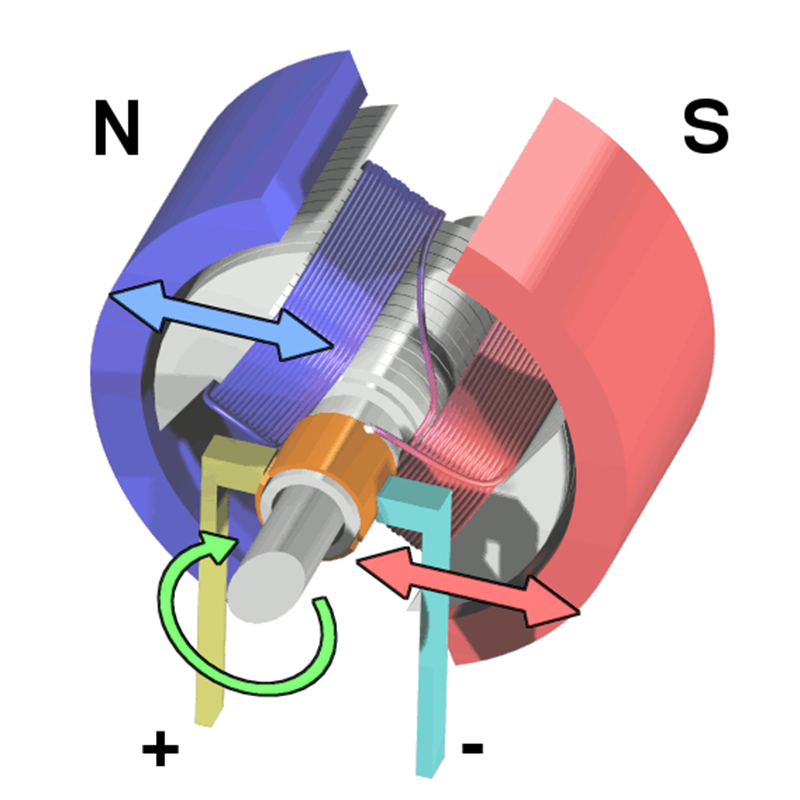
DC Motors – Common in household appliances, toys, and automotive applications.
Alternators & Generators – Used in power generation and automotive charging systems.

- Aplicações industriais
Magnetic Separators – Used to remove metallic contaminants in food processing and recycling industries.
Magnetic Holding Devices – Found in clamps, chucks, and lifting systems.
- Household & Commercial Uses
Refrigerator Magnets – Popular for decoration and holding papers.
Magnetic Door Catches – Used in cabinets and household doors.
Magnetic Strips & Labels – Found in retail security tags and barcode readers.
- Medical & Scientific Applications
Magnetic Therapy Devices – Used in alternative medicine for pain relief.
MRI Machines (Components) – Some parts in medical imaging use ferrite-based materials.
Because of their low cost, durability, and reliability, ferrite magnets remain one of the most commonly used magnets in the world.

There Are Two Types of Ferr
ite Magnets
- Ímanes de ferrite macios
Easily magnetized and demagnetized, making them ideal for applications where magnetic properties need to change frequently.
Used mainly in electronic components such as transformers, inductors, antennas, and ferrite cores.
Common materials include manganese-zinc (MnZn) and nickel-zinc (NiZn) ferrites, which have different electrical and frequency properties.
- Hard Ferrite Magnets (Permanent Magnets)
Retain their magnetism permanently after being magnetized.
Used in motors, loudspeakers, magnetic separators, and refrigerator magnets due to their strong and stable magnetic field.
Made primarily from strontium ferrite (SrFe₁₂O₁₉) or barium ferrite (BaFe₁₂O₁₉), offering high resistance to demagnetization.
Soft ferrites are crucial in electronics, while hard ferrites are essential for permanent magnet applications in everyday devices.