





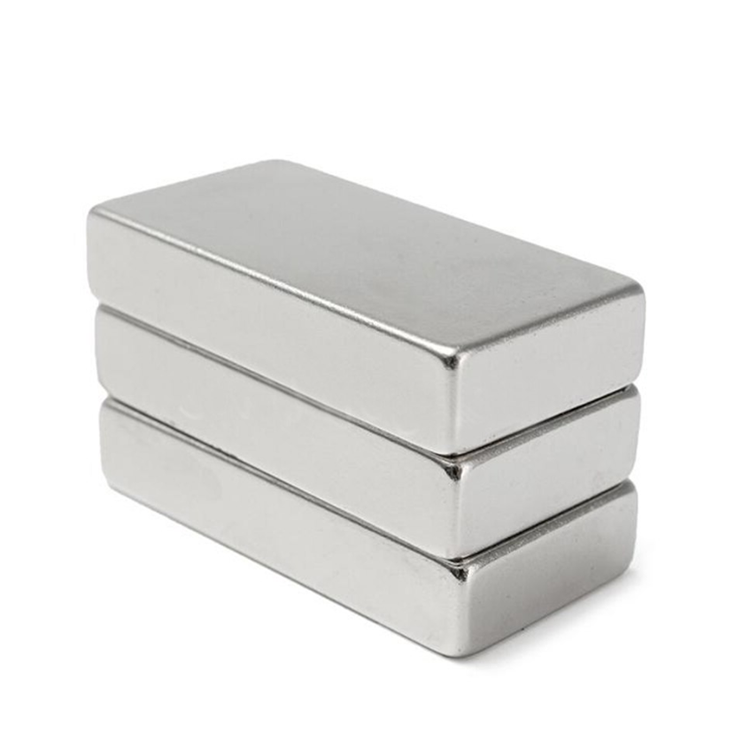
Magnets play an integral role in various industries, from electronics to automotive and beyond. Among the myriad of magnet types available, ceramic block ferrite magnets stand out for their distinctive properties and characteristics. In this exploration, we delve into what sets these magnets apart from others in the realm of magnetism.

Introduction
Magnets come in various compositions, including neodymium, samarium cobalt, alnico, and ceramic ferrites. Ceramic block ferrite magnets, composed of iron oxide and strontium or barium carbonate, possess unique features that distinguish them from other magnet types.
Magnetic Properties
Ceramic block ferrite magnets are renowned for their stability and resistance to demagnetization. While they might not match the magnetic strength of neodymium or samarium cobalt magnets, they offer considerable strength and coercivity. Their stable magnetic field makes them suitable for applications where consistent performance is crucial.
Compared to other magnet types, the magnetic strength of ceramic block ferrite magnets may be lower, but their coercivity—resistance to demagnetization—is notably high. This characteristic makes them ideal for applications where maintaining magnetism over time is critical.
Physical Characteristics
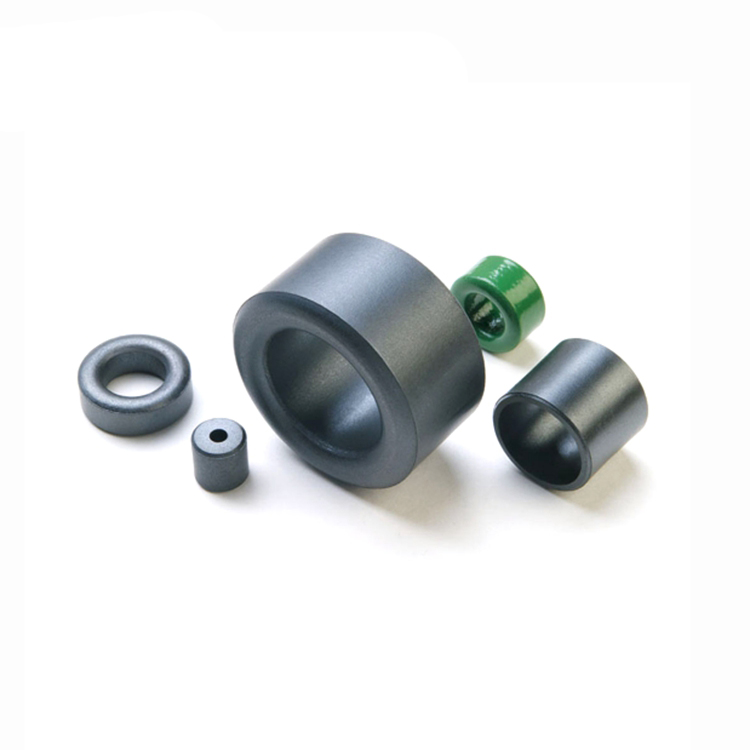
These magnets are often shaped in rectangular or block forms, providing versatility in applications where a specific shape is required. They come in various dimensions and sizes, offering flexibility in design and usage.
In terms of density and weight, ceramic block ferrite magnets are relatively lighter compared to other magnetic materials. Their resistance to corrosion makes them suitable for applications where exposure to harsh environments is a concern.
Manufacturing Process
Ceramic block ferrite magnets are produced through a complex manufacturing process that involves several key steps, resulting in their unique magnetic properties and shapes.
- Raw Material Preparation
The manufacturing process begins with the preparation of raw materials. Iron oxide, typically in the form of Fe2O3, is combined with strontium or barium carbonate. These raw materials undergo stringent quality control checks to ensure purity and precise chemical composition. The mixing process is crucial as it determines the magnetic properties of the final product.
- Forming
The prepared mixture undergoes a process called forming. This involves shaping the raw materials into the desired shape and dimensions. The most common method used for ceramic block ferrite magnets is the ceramic powder compaction technique. In this process, the mixed powders are pressed into molds at high pressures, forming compacted shapes resembling the final magnet form.
- Sintering
Once the raw materials are shaped, they proceed to the sintering stage, a critical step in the manufacturing process. The shaped magnets are placed in high-temperature furnaces under controlled atmospheres, typically at temperatures exceeding 1000°C (1832°F). During sintering, the particles fuse together, allowing the material to reach its final density and magnetic properties. This process ensures that the strontium or barium elements align with the iron oxide to form a crystalline structure.
- Machining and Finishing
Following the sintering process, the magnets may undergo additional machining or finishing processes to achieve precise dimensions and surface qualities. Machining techniques such as grinding, cutting, or lapping are employed to achieve the desired shapes and tolerances. Surface coatings, if required, such as protective layers against corrosion, are applied at this stage to enhance durability and resistance to environmental factors.
- Quality Control
Throughout the manufacturing process, rigorous quality control measures are implemented. Each stage undergoes thorough inspections and testing to ensure the magnets meet specific performance criteria, including magnetic strength, dimensional accuracy, and structural integrity. Any deviations from the required standards prompt adjustments or reprocessing to maintain quality consistency.
- Scalability and Cost-effectiveness
One of the significant advantages of the manufacturing process for ceramic block ferrite magnets is its scalability and cost-effectiveness. Mass production techniques can be employed due to the relative simplicity and efficiency of the process. This scalability allows for the cost-efficient production of ceramic block ferrite magnets, making them economically viable for various industrial applications.
Applications and Usability
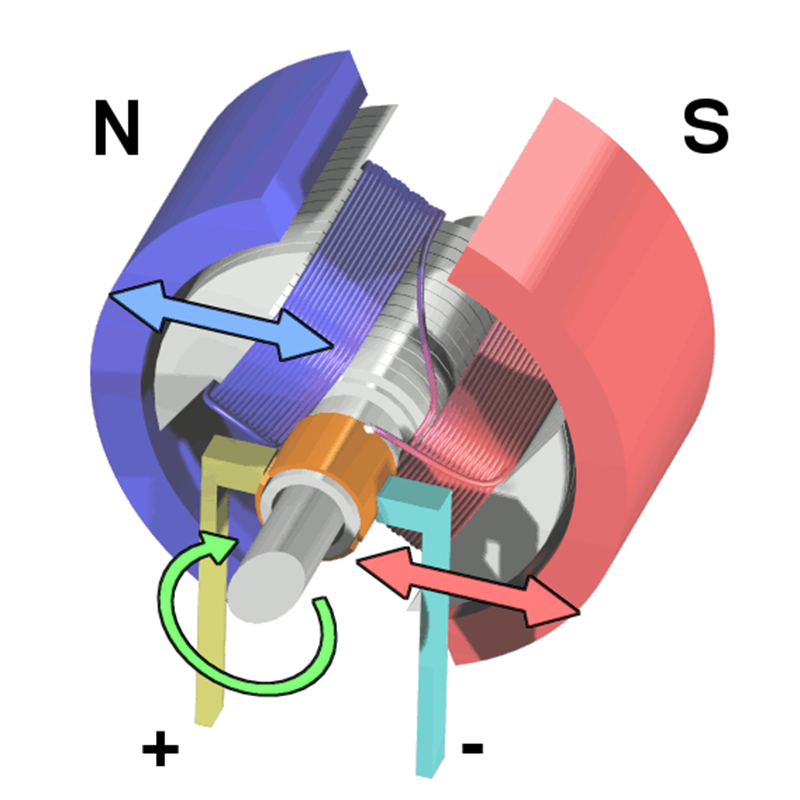
Ceramic block ferrite magnets find extensive use in diverse industries such as automotive, household appliances, speakers, and magnetic separators. Their stability, resistance to corrosion, and cost-effectiveness make them popular in these applications.
However, due to their lower magnetic strength compared to neodymium or samarium cobalt magnets, they might not be suitable for applications requiring high magnetic force.
Stability and Demagnetization
Ceramic block ferrite magnets exhibit remarkable stability under varying conditions. They are less susceptible to demagnetization caused by temperature changes or external magnetic fields compared to other magnets. This characteristic makes them reliable in applications where stability is paramount.
Conclusion
In conclusion, ceramic block ferrite magnets possess unique properties and characteristics that distinguish them in the realm of magnetism. Their stability, resistance to demagnetization, cost-effectiveness, and suitability for various applications make them indispensable despite their lower magnetic strength compared to some other magnet types.
Their reliability, affordability, and versatility ensure ceramic block ferrite magnets retain their relevance in industries seeking consistent magnet performance without requiring the highest magnetic force available.