



Neodymium Magnet Manufacturer
Several companies specialize in the production of neodymium magnets due to their widespread use in various industries. Here are some well-known neodymium magnet manufacturers:
Balin Ltd.: Magdev is a UK-based manufacturer and supplier of high-quality permanent magnets, including neodymium magnets. They offer a wide range of standard and custom magnet solutions for various applications.
Arnold Magnetic Technologies: Arnold is a global manufacturer of magnetic materials and components, including neodymium magnets. They provide custom-engineered magnet solutions for industries such as automotive, aerospace, and electronics.

Vacuumschmelze (VAC): VAC is a German company known for its expertise in magnetic materials and advanced manufacturing technologies. They produce neodymium magnets for applications ranging from automotive sensors to renewable energy systems.
Dura Magnetics: Dura Magnetics is a US-based manufacturer specializing in the design and production of custom magnetic assemblies and components. They offer neodymium magnets in various shapes, sizes, and grades to meet specific customer requirements.
Hangzhou Permanent Magnet Group (HPMG): HPMG is one of the largest manufacturers of rare earth magnets, including neodymium magnets, in China. They supply magnets to a wide range of industries worldwide and offer customized magnet solutions.
Hitachi Metals: Hitachi Metals is a Japanese multinational company that produces a wide range of magnetic materials, including neodymium magnets, for applications in automotive, electronics, and industrial sectors.
Magnet Applications, Inc.: Magnet Applications, Inc. (a division of Bunting Magnetics Co.) is a US-based manufacturer of custom magnetic assemblies and components. They produce neodymium magnets and magnetic assemblies for various industries, including medical, aerospace, and automotive neodymium magnet manufacturer.
China Rare Earth Magnet Limited: Based in China, China Rare Earth Magnet Limited specializes in the production and supply of rare earth magnets, including neodymium magnets, for global markets. They offer a wide range of standard and custom magnet solutions neodymium magnet manufacturer.
These are just a few examples of neodymium magnet manufacturers. The market for neodymium magnets is competitive, with many companies offering a variety of products and services to meet the diverse needs of industries worldwide neodymium magnet manufacturer.
Magnetic separators are devices used to separate magnetic materials from non-magnetic substances. They utilize the magnetic properties of certain materials to achieve separation. Permanent magnets play a crucial role in the operation of magnetic separators neodymium magnet manufacturer. Here’s a breakdown of both:
Magnetic Separators neodymium magnet manufacturer:
Types:
Overband Magnetic Separator: These separators consist of a belt that passes over a stationary magnet arrangement. Magnetic materials are attracted to the magnet and carried away from the non-magnetic materials neodymium magnet manufacturer.
Drum Magnetic Separator: In this type, a rotating drum containing magnets creates a magnetic field that attracts magnetic particles. Non-magnetic particles pass along with the drum and are discharged separately.
Magnetic Grate Separator: This separator consists of magnetic tubes or grids placed in a hopper or chute. Material flows through the magnetic field, and magnetic particles are attracted to the magnets, while non-magnetic particles pass through neodymium magnet manufacturer.
Suspension Magnetic Separator: These separators use suspended magnets above a conveyor belt to attract and remove magnetic materials from the conveyed material.
Applications:
Magnetic separators are used in various industries, including mining, recycling, food processing, pharmaceuticals, and manufacturing neodymium magnet manufacturer.
They are used to remove ferrous contaminants from products, such as removing metal particles from grain or separating magnetic materials in recycling facilities.
Design Considerations:
Magnetic separators are designed based on factors such as the type and size of the material being processed, the desired degree of separation, and the flow rate of the material.
Factors such as magnetic strength, magnetic field configuration, and the arrangement of magnetic elements influence the performance of the separator.
neodymium magnet manufacturer:
Composition:
Permanent magnets are made from materials that retain their magnetization even in the absence of an external magnetic field. Common materials include neodymium (NdFeB), samarium-cobalt (SmCo), and ceramic (ferrite) magnets neodymium magnet manufacturer.
Neodymium magnets are the strongest type of permanent magnets commercially available, while samarium-cobalt magnets offer high resistance to demagnetization at high temperatures.
Properties:
Permanent magnets have a stable magnetic field and can generate magnetic forces without the need for an external power source.
They exhibit north and south poles and attract or repel other magnets and magnetic materials based on their polarity.
Applications:
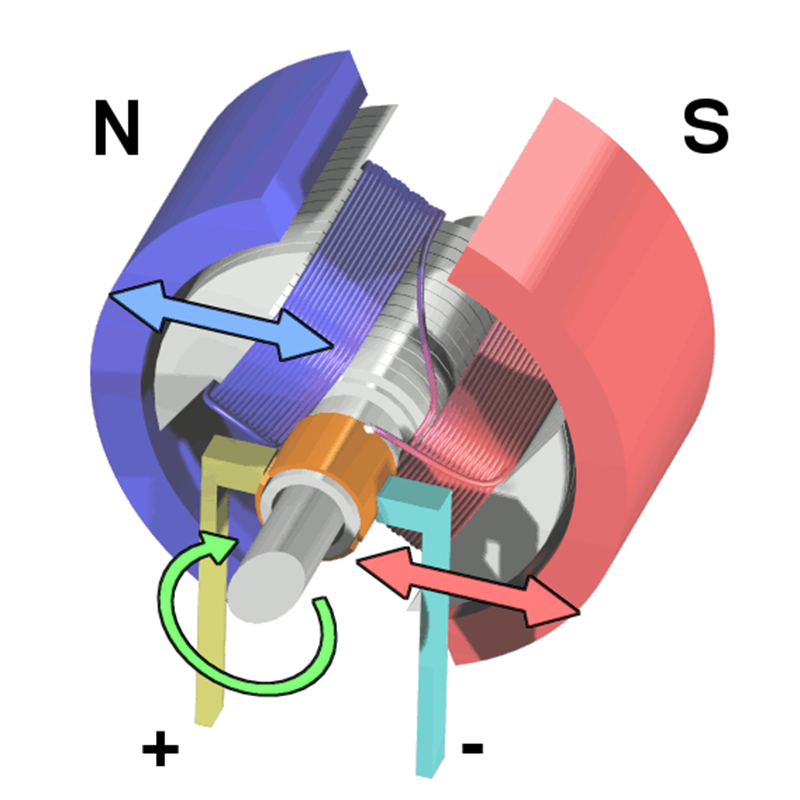
Permanent magnets have diverse applications in various industries, including electric motors, generators, magnetic resonance imaging (MRI) machines, magnetic separators, sensors, speakers neodymium magnet manufacturer, and magnetic levitation systems. Neodymium magnets, in particular, are used in applications requiring strong magnetic fields, such as electric motors, speakers, and magnetic separators.
Manufacturing:
Permanent magnets are manufactured using processes such as sintering, casting, and extrusion, depending on the material and desired magnet shape.
The magnets are then magnetized to establish their north and south poles.
In summary, magnetic separators utilize the magnetic properties of materials to achieve separation, with permanent magnets playing a crucial role in generating magnetic fields. Permanent magnets find diverse applications in various industries due to their stable magnetic properties and ability to generate magnetic forces without the need for an external power source neodymium magnet manufacturer.
Magnetic separators use the magnetic differences between minerals for sorting, which can improve the grade of ores, purify solid and liquid materials, and recycle waste. It is one of the most widely used and highly versatile models in the industry. one.
Magnetic separators are widely used in mining, timber, kiln, chemical, food and other industries. For mining, the magnetic separator is suitable for wet or dry magnetic separation of manganese ore, magnetite, pyrrhotite, roasted ore neodymium magnet manufacturer, ilmenite, hematite and other materials with a particle size of less than 50mm. It is also used for coal. , iron removal operations and waste treatment operations for non-metallic minerals, building materials and other materials.
The structure and working principle of magnetic separator
The magnetic separator (taking the wet permanent magnet drum magnetic separator as an example) is mainly composed of 6 parts: cylinder, roller, brush roller, magnetic system, tank body and transmission part. The cylinder is made of 2-3mm stainless steel plate and is rolled and welded into a cylinder neodymium magnet manufacturer. The end cover is a cast aluminum part or workpiece, and is connected to the cylinder with stainless steel screws. The motor drives the cylinder, magnetic roller and brush roller to rotate through a reducer or directly using a stepless speed regulating motor.
After the slurry flows into the tank body through the ore feeding box, under the action of the water flow from the ore feeding water spray pipe, the ore particles enter the feeding area of the tank body in a loose state. Under the action of the magnetic field, the magnetic mineral particles gather together to form “magnetic clusters” or “magnetic links”. The “magnetic clusters” or “magnetic links” are affected by the magnetic force in the slurry, move toward the magnetic poles, and are adsorbed on the cylinder.
Since the polarity of the magnetic poles are alternately arranged along the rotation direction of the cylinder and are fixed during operation, the “magnetic cluster” or “magnetic link” will be mixed due to the magnetic stirring phenomenon caused by the alternating magnetic poles when the cylinder rotates.
The gangue and other non-magnetic minerals in the “magnetic cluster” or “magnetic link” fall off during the turning, and the “magnetic cluster” or “magnetic link” that is finally attracted to the surface of the cylinder is the concentrate neodymium magnet manufacturer. The concentrate moves with the cylinder to the weakest magnetic force at the edge of the magnetic system, and is unloaded into the concentrate tank under the action of the flushing water sprayed from the unloading water pipe. The non-magnetic or weakly magnetic minerals are left in the slurry and are discharged out of the tank. , which is tailings.
Classification of magnetic separators
Magnetic separators are classified in many ways according to different characteristics and standards.
According to the strength of the magnetic field and the strength of the magnetic field force, it can be divided into:
Weak magnetic field magnetic separator: the magnetic field strength of the working gap is (0.6~1.6)×105A/m, used to select strong magnetic minerals; medium magnetic field magnetic separator: the magnetic field strength of the working gap is (1.6~4.8)×105A/m m, used to select medium magnetic minerals; strong magnetic field magnetic separator: the magnetic field strength of the working gap is (4.8~20.8)×105A/m, used to select weakly magnetic minerals.
According to the selection medium, it can be divided into:
Dry magnetic separator: Separates in the air, mainly used to separate large, coarse-grained strong magnetic ores and fine-grained weakly magnetic ores. At present, it is also trying to be used to separate fine-grained strong magnetic ores; wet magnetic separator: to separate in water or magnetic liquid. It is mainly used to separate fine-grained strong magnetic ores and fine-grained weakly magnetic ores.
In addition, it can also be classified according to the way in which magnetic mineral particles are selected, the direction of movement of the feed material, the method of discharging the selected products from the selection zone, and the structural characteristics of the discharged magnetic products.
Magnetic circuit design and magnet of magnetic separator
The closed loop through which the magnetic flux is concentrated is called a magnetic circuit. The magnetic system of the magnetic separator needs to generate a magnetic field of a certain intensity, and most of the magnetic flux in the magnetic field is required to be concentrated through the sorting space neodymium magnet manufacturer.
The height, width, radius and number of poles of the magnetic system, the magnetic potential difference between adjacent magnetic poles, the pole pitch, the ratio of the pole surface width and the pole gap width, the shape of the magnetic poles and magnetic end surfaces, and the distance from the magnetic extreme surfaces to the center of their arrangement Distance, etc. have a considerable impact on magnetic field characteristics.
The magnetic separator shown in the figure below is an example. The magnetic circuit part adopts a five-pole magnetic system. Each magnetic pole is bonded by a ferrite and NdFeB permanent magnet block. It is fixed to the magnetic guide plate with screws through the center hole of the magnet block. On the machine, the magnetic guide plate is fixed on the axis of the cylinder through the bracket, the magnetic system is fixed, and the cylinder can rotate. The polarity of the magnetic poles is alternately arranged along the circumference, and the polarity is the same along the axis. The outside of the magnetic system is a roller made of stainless steel non-magnetic material.
The non-magnetic material is used to prevent magnetic lines of force from entering the selected area through the cylinder and forming a magnetic short circuit with the cylinder neodymium magnet manufacturer. The parts of the tank body close to the magnetic system should also be made of non-magnetic conductive materials, and the rest should be made of ordinary steel plates or hard plastic plates.
For the permanent magnet separator, the permanent magnet is the most important component, and the quality of the permanent magnet determines its performance characteristics. The permanent magnets of magnetic separators are generally made into a certain size (for example, length × width × height = 85 × 65 × 21 mm) neodymium magnet manufacturer, so it is customary to call it a permanent magnet block or simply a magnet block.
The permanent magnet materials that can be used as the magnetic system of the magnetic separator include permanent magnet ferrite, alnico, iron-chromium-cobalt and manganese-aluminum, samarium-cobalt permanent magnet materials neodymium magnet manufacturer, and neodymium-iron-boron permanent magnet materials. At present, the mainstream permanent magnet materials used in domestic magnetic separation equipment are mainly permanent magnet ferrites (strontium ferrite, barium ferrite), followed by neodymium iron boron permanent magnet materials.
In the design of the magnetic system, it is necessary to choose which permanent magnet material to use based on the specific conditions of various aspects. The influencing factors can be summarized as the following aspects:
Magnetic field strength: A constant magnetic field must be generated in a designated working space. The strength of this magnetic field determines what kind of permanent magnet material needs to be used. The magnetic properties of NdFeB permanent magnets are much higher than those of ferrites neodymium magnet manufacturer. Requirements for magnetic field stability, that is, the impact of permanent magnet materials on environmental factors such as temperature, humidity, vibration and impact, and adaptability of mechanical properties, such as the toughness, flexibility and compressive strength of the magnet; price factors