









Introduction
Magnets are fundamental components of modern technology, playing crucial roles in various industries and applications. Among the plethora of magnets available, neodymium single pole monopole magnets stand out for their unique properties and capabilities. In this article, we delve into the differences between neodymium single pole monopole magnets and traditional magnets, exploring their composition, magnetic properties, manufacturing processes, applications, advantages, disadvantages, and future trends.
Composition and Structure
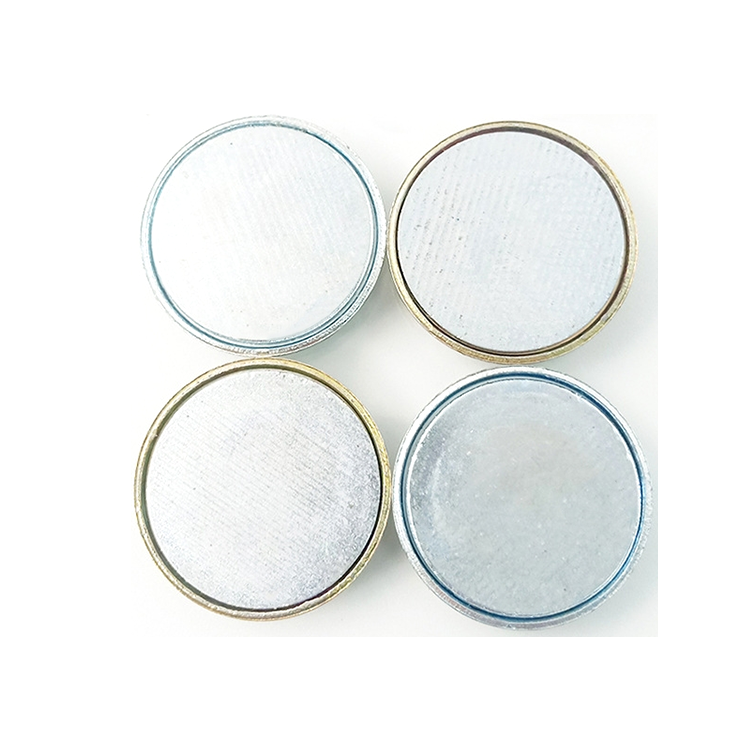
Neodymium single pole monopole magnets are composed primarily of neodymium, iron, and boron (NdFeB), making them part of the rare earth magnet family. Traditional magnets, on the other hand, encompass a broader range of materials, including ferrite (ceramic) magnets and alnico magnets. The structure of neodymium single pole monopole magnets is characterized by a highly organized crystal lattice, which contributes to their exceptional magnetic properties. In contrast, traditional magnets may have a less uniform structure, affecting their magnetic strength and performance.
Magnetic Properties
One of the most significant differences between neodymium single pole monopole magnets and traditional magnets lies in their magnetic properties. Neodymium magnets exhibit unparalleled magnetic strength, often referred to as the strongest permanent magnets available commercially. Their magnetic field orientation is highly uniform, contributing to their suitability for precision applications. Traditional magnets, while offering respectable magnetic properties, generally fall short of the strength and consistency exhibited by neodymium magnets.
Manufacturing Process
The manufacturing processes for neodymium single pole monopole magnets and traditional magnets differ significantly. Neodymium magnets are typically produced through a process involving powder metallurgy, where raw materials are melted, cooled, and ground into fine powder before being compacted in a magnetic field and sintered. In contrast, traditional magnets such as ferrite magnets are manufactured using ceramic processing techniques, while alnico magnets are cast into specific shapes. These disparate manufacturing methods result in distinct structural characteristics and performance attributes for each type of magnet.
Applications
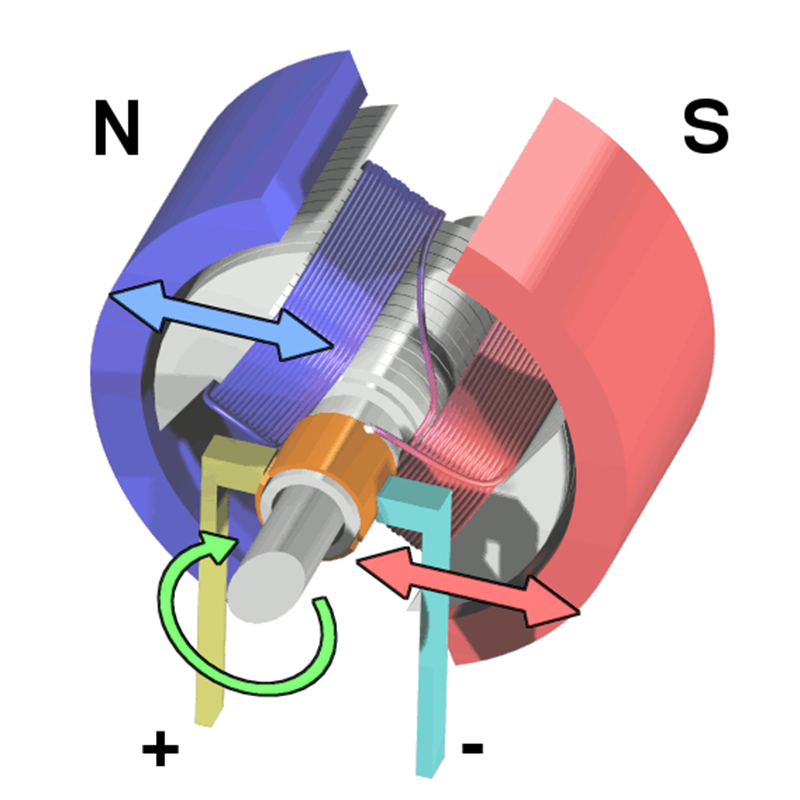
Neodymium single pole monopole magnets find widespread use across various industries and applications, including electric motors, generators, magnetic resonance imaging (MRI) machines, magnetic separators, and consumer electronics. Their exceptional magnetic strength and stability make them indispensable in high-performance systems where precision and reliability are paramount. Traditional magnets, while less powerful than neodymium magnets, still serve vital roles in applications such as speakers, magnetic sensors, refrigerator magnets, and magnetic toys.
Advantages and Disadvantages
The advantages of neodymium single pole monopole magnets are evident in their unmatched magnetic strength, high coercivity, and compact size. They offer superior performance in demanding applications where space and weight constraints are critical factors. However, neodymium magnets are susceptible to corrosion and require protective coatings to prevent degradation. Traditional magnets may lack the magnetic strength of neodymium magnets but often exhibit better corrosion resistance and cost-effectiveness in certain applications.

Future Trends and Developments
The landscape of magnet technology is dynamic, with ongoing research and development driving advancements in both neodymium single pole monopole magnets and traditional magnets. Looking ahead, several key trends and developments are poised to shape the future of magnet technology:
- Enhanced Magnetic Performance: Researchers are continuously exploring novel materials and manufacturing techniques to improve the magnetic performance of neodymium single pole monopole magnets. Efforts are focused on increasing magnetic strength, enhancing coercivity, and optimizing magnetic field uniformity. These advancements will enable the development of smaller, more efficient devices across a wide range of applications, from electric vehicles to medical devices.
- Sustainability and Recycling: As the demand for rare earth metals such as neodymium continues to rise, there is growing interest in developing sustainable and environmentally friendly magnet technologies. Researchers are investigating alternative materials and recycling methods to reduce reliance on rare earth elements and minimize environmental impact. By implementing circular economy principles, the magnet industry aims to create closed-loop systems for reclaiming and reusing magnet materials, thereby reducing waste and conserving valuable resources.
- Integration with Emerging Technologies: Neodymium single pole monopole magnets and traditional magnets are poised to play integral roles in emerging technologies such as renewable energy, quantum computing, and advanced medical imaging. In the renewable energy sector, magnets are essential components of wind turbines, electric vehicle motors, and magnetic energy storage systems. In quantum computing, ultra-precise magnets are used to manipulate qubits and control magnetic spin states. Additionally, advancements in magnetic resonance imaging (MRI) technology rely on high-performance magnets for improved resolution and sensitivity.
- Miniaturization and Microscale Magnets: The trend towards miniaturization and microscale devices is driving demand for smaller, more powerful magnets. Researchers are exploring new fabrication techniques, such as additive manufacturing and nanoscale lithography, to produce magnets with dimensions on the order of micrometers or even nanometers. These microscale magnets have applications in fields such as microelectronics, biomedical implants, and microfluidic systems, where precise control and integration are critical.
- Magnetic Levitation and Transportation: Magnetic levitation (maglev) technology holds promise for revolutionizing transportation systems by enabling frictionless, high-speed travel. Neodymium single pole monopole magnets and traditional magnets are key components of maglev propulsion systems, providing the magnetic levitation and propulsion forces necessary for levitating and propelling vehicles along guideways. As research and development in maglev technology continue to advance, we can expect to see increased adoption of maglev systems for passenger transportation, cargo logistics, and urban mobility solutions.
Conclusion
In conclusion, the differences between neodymium single pole monopole magnets and traditional magnets extend beyond their composition and magnetic properties to encompass their manufacturing processes, applications, advantages, and disadvantages. While neodymium magnets excel in terms of magnetic strength and performance, traditional magnets offer alternative solutions with their own set of attributes. Understanding these differences is crucial for selecting the most suitable magnet for a given application and driving innovation in magnet technology for the future.