




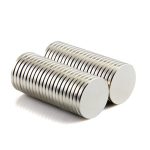
Characteristics of Plastic and Rubber Magnets
Plastic and rubber magnets are known for their versatility and durability, making them suitable for a wide range of applications. Whether you need corrosion resistance for underwater environments, enhanced grip, or a vibrant and aesthetically pleasing appearance, our plastic and rubber coated magnets offer a variety of solutions to meet your needs. Check out the following characteristics to find the best magnet for your project:
Corrosion Resistance – Suitable for underwater or humid environments
Impact Resistance – Plastic and rubber coated magnets are more durable than nickel-plated magnets and will not be damaged by impacts or drops
Aesthetics – Available in a variety of vibrant colors
Surface Protection – Prevents scratching or abrasion of steel surfaces
Enhanced Grip – Rubber coated magnets provide high friction to prevent slipping
Reduced Friction – Plastic coated magnets have lower friction, improving movement performance in certain applications
Chemical Resistance – Resistant to corrosion from certain chemicals or cleaning agents
Practical Applications of Plastic and Rubber Coated Magnets
In many cases, standard nickel-plated magnets cannot meet the requirements, while plastic or rubber coated magnets can. Below are some examples and images of practical applications showcasing the uses of plastic and rubber coated magnets.
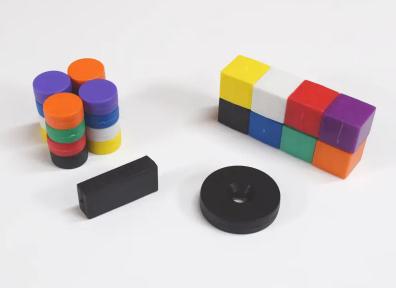
Flexible Rubber Magnets: Applications in Everyday Life
People typically think of magnets as hard blocks of metal or ceramic, but one of the most commonly used magnets today is the flexible rubber magnet. Flexible rubber magnets, also known as bonded magnets or magnetic sheets, are made by mixing magnetic powder material with a polymer binder (usually synthetic rubber or plastic).
The resulting rubber-like flexible magnets can be stamped, printed, rolled, and molded to suit a variety of applications. While rubber magnets are not as strong as hard magnets like neodymium or ferrite ceramics, they offer distinct advantages in applications where flexibility, cost-effectiveness, and ease of design are more important than magnetic strength.
Composition and Production of Rubber Magnets
Flexible rubber magnets are made by mixing ferrite powder (typically strontium ferrite or barium ferrite) with a polymer (such as neoprene or thermoplastic elastomer). This mixture forms a composite material that can be extruded, rolled into sheets, or injection molded.
The manufacturing process typically involves the following steps:
- Mixing – The magnetic powder is mixed with the rubber or plastic binder in a specific ratio.
- Forming – The mixture is rolled into sheets, strips, or profiles by extrusion or calendering.
- Magnetization – The formed material is placed in a strong magnetic field to orient the ferrite particles. Depending on the design, simple multipolar magnetization or isotropic magnetization methods can be used.
- Post-processing – The sheets can be coated with vinyl, paper, or adhesive backing for printing or easy installation.
This manufacturing process allows for low-cost mass production of rubber magnets, and the thickness, shape, and surface treatment can be easily modified.
Everyday Uses of Flexible Rubber Magnets
Advertising and Promotional Products
One of the most widespread uses of rubber magnets is in advertising. Refrigerator magnets, business card magnets, and custom-printed magnetic signs are common promotional items. The printable paper or vinyl surface can be printed with logos, phone numbers, or full-color images, and the magnetic backing allows them to easily adhere to metal surfaces. Unlike stickers, magnetic advertisements don’t leave residue when moved, making them a great promotional item.
Shelf and Point-of-Sale Displays
Rubber magnets are sometimes used in point-of-sale displays, packaging closures, and shelf labeling systems. Because rubber magnets are flexible and can stretch and conform to different shapes and surfaces, their average holding power is sufficient to securely hold lightweight packaging or signage. For example, magnetic strips can be embedded in the flaps of boxes to provide an aesthetically pleasing and reusable closure without the need for complex mechanical fasteners.
Educational Tools and Toys
Rubber magnets are widely used in schools around the world. Thin magnetic sheets are used to create letters, numbers, charts, and whiteboard accessories. Magnetic puzzles, children’s toys, and building blocks are often based on rubber magnets because they are inexpensive, safe, and easily molded into various bright shapes. Their relatively weak magnetic force also makes them safer compared to high-energy rare-earth magnets, which can be harmful if swallowed.
Home and Office Use
Rubber magnets quietly play a versatile role in homes and offices. Some common uses include:
- Refrigerator magnets for holding notes, calendars, and pictures.
- Magnetic picture frames and decorations.
- Whiteboard accessories, such as marker and eraser holders.
- Magnetic stickers for filing cabinets and storage bins.
Because they can be cut, people can easily create custom shapes or strips of magnets for home organization projects.
Automotive and Industrial Applications
Beyond practical consumer goods, flexible rubber magnets also find applications in industrial and automotive sectors. Magnetic gaskets and seals are often made from rubber magnets, particularly in refrigerator doors and heating, ventilation, and air conditioning (HVAC) equipment, where flexible and airtight seals are required. In the automotive industry, they can be used for temporary car signage, magnetic fuel tank caps, and even positioning aids on assembly lines.
Rubber magnets can also be used as sensors and motor components in certain low-power devices, their flexibility and elasticity making them easier to integrate into equipment than hard magnets.
Advantages of Rubber Magnets
Flexible magnets are popular due to their unique combination of properties:
- Flexibility – They can be bent, rolled, and conform to irregular surfaces.
- Customizability – Easily cut into any shape and printed on.
- Low Cost – Significantly cheaper than rare earth magnets.
- Safety – Weaker magnetic force eliminates the risk of equipment damage or personal injury.
- Lightweight – Ideal for disposable or portable applications.
These characteristics are what make them dominant in markets such as promotional products and magnetic signage.
Limitations to Consider
Of course, rubber magnets are not suitable for all applications. Compared to neodymium or ceramic magnets, their magnetic strength is only moderate at best, limiting their use in high-load or high-precision applications. They also have poor heat resistance – typically only functioning reliably at temperatures of around 80-100°C before beginning to fail. In harsh environments requiring high magnetic field strength, high durability, or extremely small sizes, other types of magnets are more suitable.
Rubber magnets, due to their unique flexibility, lightweight structure, and strong magnetic force, have become the preferred choice for professionals across various industries.
Unlike rigid magnets such as ceramic and metal alloys, rubber magnets are composed of magnetic powder (primarily ferrite) and a synthetic rubber or plastic binder. This combination allows these magnets to be bent, twisted, cut, squeezed, or rolled into almost any shape without affecting their magnetic properties.
These magnets are easy to use and inexpensive to manufacture. They also possess properties such as corrosion resistance, moisture resistance, and resistance to physical damage. Therefore, they are widely used in applications such as signage, display stands, home appliances, packaging, automotive parts, and educational equipment.
If you need magnets that conform to curved surfaces, or lightweight magnets for light-duty applications, rubber magnets are always a reliable and versatile option. This guide will provide you with a comprehensive understanding of the definition, manufacturing methods, types, advantages, applications, quality parameters, and import sources of rubber magnets.
Part 1: What are Rubber Magnets?
Rubber magnets, also known as flexible magnets, are a type of permanent magnet made by mixing magnetic powder (typically strontium ferrite or barium ferrite) with a flexible binder (such as synthetic rubber or plastic resin). The resulting material is soft and elastic while retaining its magnetic properties, offering high flexibility and ease of use.
Unlike traditional rigid magnets, rubber magnets can be easily cut, bent, twisted, or shaped without cracking or losing their magnetism. They are typically produced in sheet, strip, or roll form and magnetized in different directions depending on the application requirements.
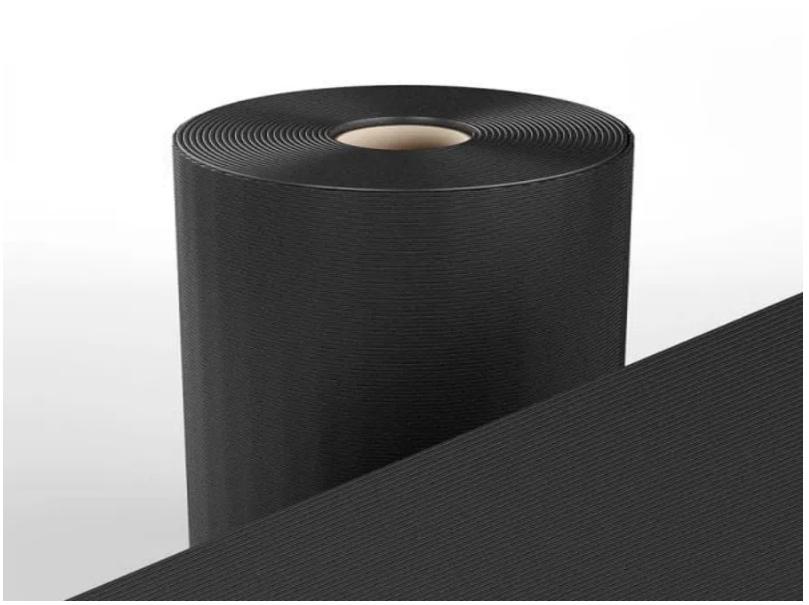
Due to their versatility, rubber magnets are widely used in commercial and industrial applications. Some applications include refrigerator magnets, magnetic signs, labels, and crafts. Rubber magnets are particularly valuable in applications where lightweight, corrosion-resistant, and customizable materials are needed, and traditional rigid magnets are unsuitable.
Part 2: How are Rubber Magnets Manufactured?
The manufacturing process involves a series of precise steps that combine magnetic materials with flexible polymers to create durable and pliable magnetic products.
Here are the steps in the production of rubber magnets:
- Material Preparation
This is the first step in the production process: selecting the raw materials. The main magnetic material is typically strontium ferrite or barium ferrite powder. These magnetic powders are ground to a specific particle size to ensure uniformity of magnetic properties.
The powder is then mixed with a flexible binder, such as synthetic rubber (nitrile rubber) and thermoplastic resins (e.g., PVC). Other additives, such as stabilizers, plasticizers, and processing aids, may also be added to improve processing performance and lifespan.
- Mixing and Compounding
After the raw materials are selected, they will be thoroughly mixed in a high-shear mixer to create a homogeneous mixture. The principle of mixing is to uniformly disperse the magnetic particles in the rubber matrix to obtain a stable magnetic effect.
- Magnet Forming
Once the mixture is prepared, it will be processed into sheets, rolls, or strips using one of the following processes:
Calendering: The mixture is calendered through a series of rollers to form continuous sheets or strips of a specific thickness.
Extrusion: The material is extruded through a die to form a specific shape and cross-section, producing long, flexible magnetic extrusions.
- Magnetization
After forming, the material will be magnetized using a strong magnetic field. There are two types of magnetization:
Isotropic magnetization: The material is magnetized in multiple directions, resulting in weaker magnetic force.
Anisotropic magnetization: During the production process, force is applied in only one direction, causing the particles to align in that direction, resulting in a stronger magnetic force in that direction.
- Cutting and Post-processing
After magnetization, the rubber magnets will be cut into various shapes and sizes as needed. Lamination or coatings can then be applied to improve appearance or other properties. The result is a flexible, lightweight, and customizable magnetic product with a wide range of applications.
Part 3: Types of Rubber Magnets
The growth in demand for rubber magnets is due to their adaptability and wide variety. Some of the most commonly used types of rubber magnets include:
- Threaded Rod Rubber Magnets
Threaded rod rubber magnets feature a metal threaded rod for easy mounting onto surfaces or objects. This makes them highly practical for applications requiring secure and semi-permanent fastening.
They are known for their strong magnetic force and durability, suitable for both indoor and outdoor environments. Common applications include securing signage, display panels, and use in assembly processes.
- Internally Threaded Rubber Magnets
Internally threaded magnets have a threaded hole in the center for mounting bolts and fasteners. The internal thread is ideal for quick installation of temporary fixtures and protective covers that require frequent removal. Another important factor is their corrosion resistance, making them suitable for harsh environments such as factories and outdoor facilities.
- Countersunk Hole Rubber Magnets
Countersunk hole rubber magnets have a countersunk hole in the center for flush mounting. This design ensures that the bolt head does not protrude, and objects can be mounted neatly and securely.
They are commonly used for mounting signs, fixtures, or decorative items, especially where a flat surface is required. Their design significantly enhances the appearance and functionality of the mounted items.
- Threaded Bushing Rubber Magnets
Threaded bushing rubber magnets cleverly combine the features of both threaded bushings and threaded rods. This dual functionality provides great flexibility in mounting and securing objects. They are very robust and reliable, suitable for heavy-duty applications requiring various mounting configurations.

Part 4: What are the advantages of rubber magnets?
Here are some of the main advantages:
- Versatility and Flexibility
The flexibility of rubber magnets is one of their most significant advantages. Unlike brittle ceramic or neodymium magnets, rubber magnets can be easily bent, twisted, or cut into various shapes without cracking or losing their magnetic properties. These characteristics make them ideal for custom designs and for use on curved or irregular surfaces.
- Lightweight and Portable
Rubber magnets are significantly lighter than metal magnets, making them easier to install, store, and transport. This lightweight nature is particularly important for applications where weight reduction is crucial, such as signage, crafts, and portable display stands.
- Cost-Effective
Compared to other types of permanent magnets, rubber magnets have a relatively simple manufacturing process. This makes them an economical choice for high-volume or disposable applications, such as labels, packaging, and promotional products.
- Non-Brittle and Safe
Unlike brittle, hard magnets, rubber magnets are non-brittle and safe to use. They are ideal for use in toys, educational materials, and any application where safety is paramount.
- Weather and Corrosion Resistant
Rubber magnets are highly resistant to moisture, chemicals, and weather elements, especially when coated with a vinyl or protective coating. This makes them suitable for both indoor and outdoor environments.
- Highly Customizable
Rubber magnets offer a high degree of customization in terms of size, thickness, magnetization patterns, and surface coatings. They can be laminated with printable materials or adhesive backings for easy branding and integration into products.
- Easy to Process
Rubber magnets can be cut, punched, or drilled using basic tools, reducing complexity and manufacturing time. This also allows users and manufacturers to customize the magnets to specific application needs.
Part 5: Applications of Rubber Magnets
Due to their unique properties, rubber magnets are widely used in various fields. Below are some of the most common and effective applications of rubber magnets across multiple industries:
- Advertising and Signage
Rubber magnets are commonly used in advertising and signage. Magnetic signs, banners, and vehicle decals all rely on rubber magnets because they can be easily attached and removed without damaging surfaces. Due to their reusability and convenience, retailers sometimes use magnets for promotional displays, price tags, or seasonal marketing materials.
- Home and Office
In home and office environments, rubber magnets are commonly found on refrigerators, magnetic calendars, whiteboards, and bulletin boards. They are lightweight and flexible, making them suitable for everyday use and safe and reliable. They are also used in magnetic door and window seals, helping to improve insulation and energy efficiency.
- Education and Art
In the field of education, rubber magnets play an important role in early childhood education. Magnetic letters, educational games, and puzzles all utilize rubber magnets, providing children with interactive and safe learning experiences. They are also a common material for crafts and DIY projects.
- Automotive Industry
In the automotive industry, rubber magnets are ideal for tool racks, sensor mounts, and temporary vehicle signage. They are temperature and corrosion resistant, making them suitable for both interior and exterior applications. Magnetic strips and seals made from rubber magnets are also used in car doors and storage compartments.
- Manufacturing and Industrial
In industrial settings, rubber magnets can be used as magnetic holders, separators, and fasteners. They can be die-cut and processed to precisely match the needs of production processes. They are commonly found in automation systems, packaging equipment, and assembly lines.
- Retail and Packaging
Retailers use rubber magnets for shelf labels, product tags, and display stands. In packaging, magnetic closures made from rubber magnets offer a stylish and reusable alternative to traditional fasteners.
Part 6: Important Quality Testing Indicators for Rubber Magnets
Evaluating the quality of rubber magnets is crucial to ensuring they meet performance standards for specific applications. The following are the most important criteria for assessing their quality:
- Magnetic Strength or Magnetic Flux Density
Magnetic strength, typically measured in Gauss or millitesla (mT), is one of the most important criteria for measuring magnet quality. Surface magnetic field is measured using a fluxmeter or gaussmeter. Higher magnetic strength means better performance, especially in applications requiring strong holding power, such as signage or industrial fixtures.
- Pulling Force Strength
Pulling force strength (sometimes called adhesive force) measures the weight or force a magnet can withstand on a horizontal surface. This can be tested using a tensile testing machine. This key indicator determines the magnet’s holding strength and its suitability for heavy-duty applications.
- Bend Resistance and Flexibility
Flexible rubber magnets are highly desirable. Bend testing assesses the material’s ability to maintain its structure and magnetic properties after deformation; high-quality rubber magnets should be able to withstand multiple bends, rolls, or twists without breaking or losing magnetism.
- Dimensional Stability
This indicator measures the magnet’s ability to maintain its shape, size, and thickness under varying environmental conditions. Poor dimensional stability can lead to the magnet deforming or warping over time, reducing its effectiveness.
- Surface Finish and Quality
The magnet surface should be free of cracks, clean, and smooth. For improved durability and aesthetics, high-quality magnets may include protective coatings or laminations (e.g., adhesives, vinyl, or printable films).
- Temperature and Weather Resistance
Thermal stability testing ensures the magnet functions correctly within a specific temperature range without losing magnetism. Similarly, weather resistance testing assesses the magnet’s durability when exposed to rain, UV radiation, and outdoor environments.
Part 7: Where to Import Rubber Magnets?
If you are looking to import rubber magnets, several reputable suppliers and platforms offer a variety of high-quality products suitable for various applications.