







Introduzione
N35 magnets, known for their strength and versatile applications, are pivotal components in various industries. Understanding the factors that contribute to their pricing is crucial for buyers and enthusiasts seeking these powerful magnets for their projects and applications. This article delves into the multifaceted aspects that influence the pricing of N35 magnets.

Magnet Grade and Strength
- Explanation of Magnet Grades
N35 magnets belong to a classification system defining the strength and magnetic properties of permanent magnets. The “N” denotes neodymium, the primary rare-earth element used in these magnets, while the number represents the maximum energy product, a measure of their magnetic strength. Other grades like N52, N42, etc., represent magnets with varying strength levels.
- Impact of Higher Grades on the price of N35 magnets
Higher-grade magnets, such as N52, exhibit stronger magnetic fields compared to lower grades like N35. The increased magnetic strength of higher grades often correlates with a higher the price of N35 magnets due to the specialized manufacturing processes and the use of additional rare-earth elements required to achieve superior magnetic properties.
- Correlation Between Strength and Cost
The correlation between magnetic strength and cost is significant in the pricing of N35 magnets. While stronger magnets deliver enhanced performance, they typically come at a higher the price of N35 magnets point due to the increased material cost, manufacturing complexity, and the specific alloy compositions needed to achieve higher-grade magnets.
- Manufacturing Precision and Costs
Manufacturing high-grade magnets demands strict precision and meticulous control over material composition and production processes. The need for tighter tolerances and refined techniques in fabricating stronger magnets contributes to increased manufacturing costs, subsequently impacting the final price of these magnets.
- Application Considerations
The selection of magnet grades often depends on the application requirements. While higher-grade magnets offer superior strength and performance, the choice between different grades should be based on balancing performance needs with cost-effectiveness.
- Market Demand and The price of N35 magnets Variation
The demand for specific magnet grades can influence their pricing dynamics. Higher grades might experience fluctuating prices due to market demand and supply conditions, as industries seek varying magnetic strengths for their applications.
- Customer Preferences and Pricing
Consumer preferences also play a role in the pricing of magnet grades. Some applications may prioritize higher-strength magnets, allowing suppliers to set a premium the price of N35 magnets for such demand-driven products.
- Quality Consistency and Price Premiums
Manufacturers often invest in maintaining consistent quality for higher-grade magnets, ensuring that they meet specified performance standards. This adherence to quality consistency can contribute to premium pricing for more reliable and consistent magnets.
- Innovation and Future Trends
Advancements in magnet technology and material science may influence future trends in pricing. Innovations leading to cost-effective methods for producing higher-grade magnets could impact their pricing in the future.
- Environmental and Sustainability Factors
As the sourcing of rare-earth materials used in high-grade magnets involves environmental considerations, potential shifts in environmental regulations or sustainable extraction practices could influence future magnet pricing.
Size and Dimension
- Influence of Size on the price of N35 magnets
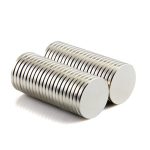
The physical dimensions of N35 magnets play a vital role in pricing. Larger-sized magnets often cost more due to the increased material usage and manufacturing complexity.
- Cost Variation Based on Dimensions
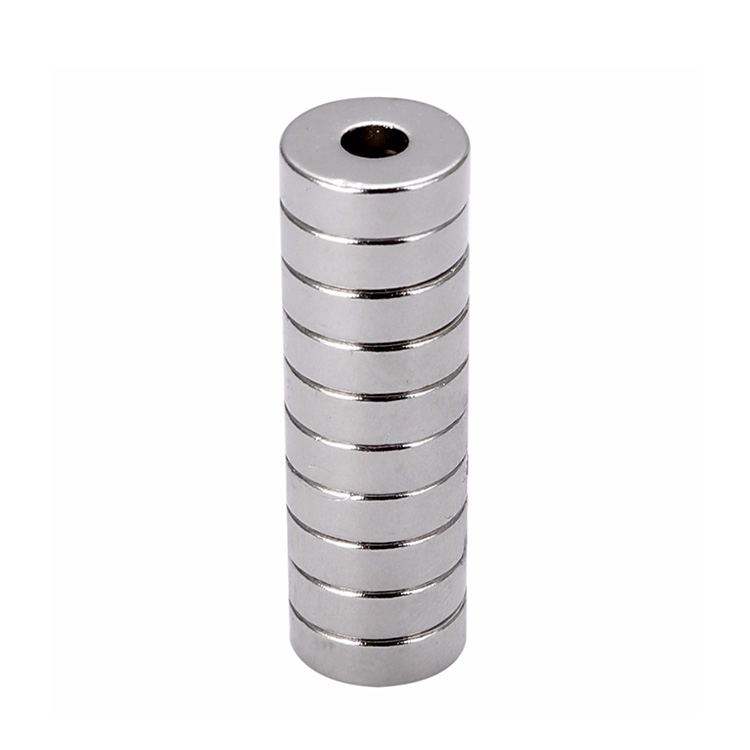
Different sizes and shapes, such as variations in diameter and thickness, result in varying costs. Smaller magnets may be more cost-effective for certain applications compared to larger ones.
- Relationship Between Size and Pricing
The direct relationship between magnet size and pricing is evident. Manufacturers consider material usage and processing efforts when pricing magnets of varying sizes.
Quantity Purchased
- Bulk Purchase Advantages
Bulk purchases offer cost advantages due to economies of scale. Suppliers often provide discounts for larger quantities, making bulk orders more economical.
- Price Discounts for Larger Quantities
The cost per unit decreases as the quantity increases. Bulk orders allow manufacturers to optimize production, resulting in reduced per-unit costs for buyers.
- Impact of Volume on Manufacturing Costs
Increased volume affects manufacturing costs. Suppliers adjust pricing based on production efficiency and cost savings achieved through larger production runs.
Coating or Plating
- Role of Coatings on N35 Magnets
Coatings such as nickel, zinc, or epoxy provide protection and enhance performance. Different coatings have varying effects on functionality and cost.
- Impact of Coatings on Magnet Functionality and Cost
Certain coatings add value to magnets, offering corrosion resistance or improved durability, but they may increase the final cost due to additional processing and material expenses.
- Differential Pricing Based on Coating
Coated magnets often have a higher price compared to uncoated ones. The benefits of coatings justify the increased cost for specific applications.
Supplier and Market Factors
Influence of Supplier Pricing Strategy
Different suppliers may have varied pricing strategies influenced by factors such as brand reputation, production capabilities, and market positioning.
Market Demand and Supply Dynamics
Market dynamics significantly impact magnet prices. Fluctuations in demand and supply can cause price variations based on market conditions.
Competition Among Suppliers
Competition among suppliers can drive the price of N35 magnets down as they vie for market share. This competition benefits buyers as they may find competitive prices from different suppliers.
Quality and Certification
- Importance of Quality Standards
Quality assurance and certifications, such as ISO standards, influence the pricing of N35 magnets. Certified high-quality magnets might command a premium price due to their reliability.
- Influence of Quality Assurance on Pricing
Magnets manufactured under stringent quality standards might have higher prices, reflecting the investment in quality control measures.
- Premium Pricing for High-Quality Magnets
High-quality, certified magnets often come with a higher price tag, justified by their superior performance and reliability.
Conclusione
Understanding the diverse factors influencing the pricing of N35 magnets is essential for making informed purchasing decisions. From magnet grade and size to coatings, supplier strategies, and quality considerations, multiple factors contribute to the final price of these powerful magnets. Buyers can navigate the market more effectively by considering these influential factors when sourcing N35 magnets for their applications.