






Introduzione
In the realm of magnetism and magnetic applications, the Halbach array in magnetic stands as a revolutionary concept, offering a myriad of advantages over traditional magnet configurations. While conventional magnet arrangements have served various industries well, the Halbach array in magnetic introduces a new paradigm with its unique magnetic field orientation. This article delves into the myriad advantages of employing Halbach arrays in magnetic applications compared to traditional configurations.
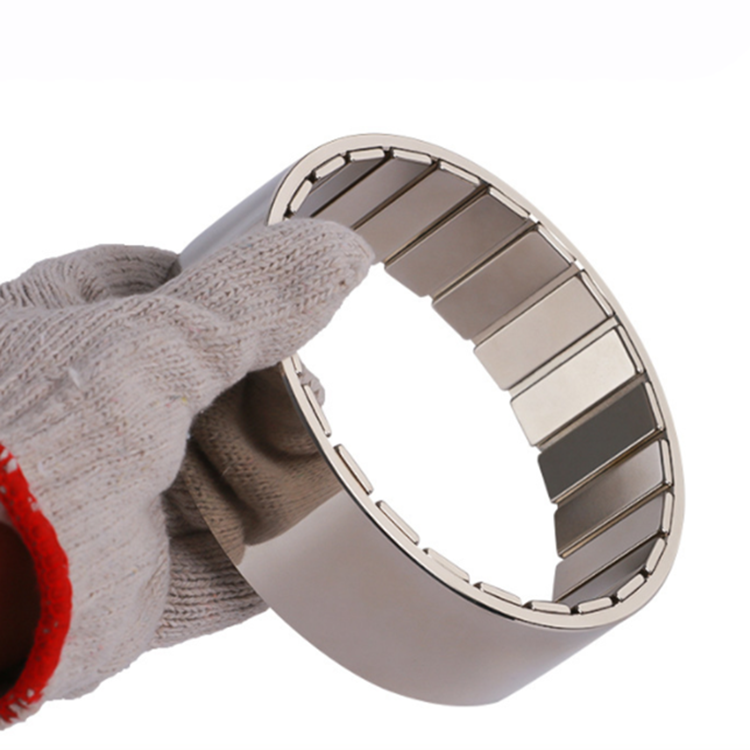
Enhanced Halbach array in magnetic Field Strength
The hallmark characteristic of Halbach arrays lies in their unparalleled ability to concentrate magnetic flux, resulting in significantly enhanced magnetic field strength compared to traditional magnet configurations. This enhancement is a game-changer in numerous magnetic applications, where the strength and uniformity of the Halbach array in magnetic field are critical factors influencing performance and efficiency.
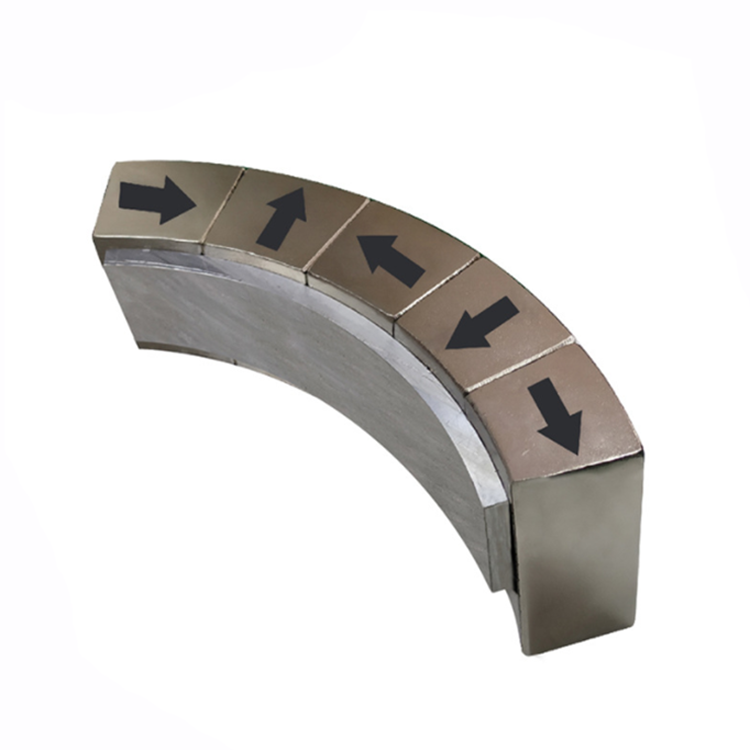
To appreciate the significance of enhanced magnetic field strength, it’s essential to understand the underlying principles of Halbach arrays. Unlike conventional magnet arrangements, which disperse magnetic flux in multiple directions, Halbach arrays employ a strategic arrangement of magnets to create a unique field orientation. By configuring magnets in a specific pattern, with alternating orientations, Halbach arrays produce a constructive interference pattern on one side and a destructive interference pattern on the other. This ingenious design concentrates Halbach array in magnetic flux on the intended side while minimizing it on the opposite side, resulting in a significantly stronger and more uniform magnetic field.
In practical terms, the enhanced magnetic field strength afforded by Halbach arrays translates into tangible benefits across various applications. In the realm of electric motors and generators, for example, the ability to generate a stronger magnetic field enables higher torque output and increased power density. This is particularly advantageous in electric vehicles, where compactness and efficiency are paramount. By harnessing the enhanced magnetic field strength of Halbach arrays, engineers can design motors that deliver superior performance while occupying less space and requiring fewer materials.
Moreover, in magnetic resonance imaging (MRI) systems used in medical diagnostics, the strength and uniformity of the magnetic field directly influence image quality and diagnostic accuracy. Halbach arrays, with their ability to generate highly uniform magnetic fields, play a crucial role in ensuring precise imaging and reliable diagnoses. The concentrated Halbach array in magnetic flux also enables faster imaging sequences, reducing scan times and improving patient throughput in clinical settings.
Beyond traditional applications, the enhanced magnetic field strength of Halbach arrays opens up new possibilities in emerging technologies such as magnetic levitation and magnetic confinement fusion. In magnetic levitation systems, for instance, the ability to generate strong magnetic fields with minimal energy losses enables stable levitation of objects with unprecedented precision. Similarly, in magnetic confinement fusion experiments, where intense magnetic fields are used to contain and control plasma, Halbach arrays offer a compact and efficient solution for generating the required Halbach array in magnetic fields.
Improved Efficiency and Performance
In the realm of magnetic applications, efficiency and performance are paramount considerations that directly impact the functionality and viability of various systems. Halbach arrays stand out for their ability to enhance both efficiency and performance, offering a range of advantages over traditional magnet configurations.
One of the primary ways in which Halbach arrays improve efficiency is by minimizing magnetic flux leakage. Traditional magnet configurations often suffer from significant flux leakage, where a portion of the magnetic flux escapes into the surrounding environment, resulting in energy losses and reduced efficiency. In contrast, Halbach arrays are designed to concentrate magnetic flux on one side while minimizing it on the other, effectively trapping the flux within the desired region. This results in more efficient utilization of magnetic flux, maximizing the effectiveness of magnetic systems and reducing energy losses.
The concentrated Halbach array in magnetic field generated by Halbach arrays also contributes to improved performance in various applications. In systems such as electric motors and generators, where the interaction between magnetic fields and conductive materials is critical, the enhanced magnetic field strength provided by Halbach arrays translates into higher torque, increased power density, and smoother operation. This allows for the development of more compact and powerful motors that deliver superior performance compared to their traditional counterparts.
Moreover, in applications where precise control and manipulation of magnetic fields are required, such as magnetic resonance imaging (MRI) and magnetic separation systems, the uniformity and strength of the magnetic field play a crucial role. Halbach arrays excel in generating highly uniform magnetic fields with minimal variation, ensuring consistent performance and reliable results. This is particularly advantageous in MRI, where image quality and diagnostic accuracy depend on the uniformity and stability of the magnetic field. By harnessing the enhanced performance of Halbach arrays, MRI systems can produce clearer images in less time, improving patient care and diagnostic capabilities.
Furthermore, the efficiency gains afforded by Halbach arrays extend beyond traditional applications to emerging technologies such as magnetic levitation and magnetic confinement fusion. In magnetic levitation systems, for example, the ability to generate strong magnetic fields with minimal energy losses enables stable levitation of objects with precision and control. This has applications in transportation, where Halbach array in magnetic levitation trains can achieve high speeds while consuming less energy compared to conventional rail systems.
In magnetic confinement fusion experiments, where intense magnetic fields are used to contain and control plasma, Halbach arrays offer a compact and efficient solution for generating the required magnetic fields. By maximizing the strength and uniformity of the Halbach array in magnetic field, Halbach arrays contribute to more stable and sustainable fusion reactions, bringing us closer to realizing the potential of fusion energy as a clean and abundant power source.
Weight and Size Reduction
One of the most compelling advantages of Halbach arrays over traditional magnet configurations is their ability to achieve significant reductions in both weight and size without compromising magnetic performance. This characteristic is particularly advantageous in applications where space and weight constraints are critical factors influencing design, efficiency, and functionality.
Traditional magnet configurations often rely on bulky arrangements of magnets to generate the desired magnetic fields. However, this approach comes with inherent limitations in terms of size and weight, making it challenging to integrate into compact and lightweight systems. In contrast, Halbach arrays offer a more streamlined and efficient solution by concentrating Halbach array in magnetic flux in a specific direction while minimizing it on the opposite side.
By optimizing the arrangement and orientation of magnets, Halbach arrays can achieve the same or even greater magnetic field strength compared to traditional configurations using significantly fewer materials. This reduction in material usage translates directly to weight savings, making Halbach arrays ideal for applications where weight reduction is a priority, such as in aerospace, automotive, and portable electronics.
Furthermore, the compactness of Halbach arrays allows for more efficient use of available space, enabling engineers to design systems with smaller footprints and greater flexibility. In electric vehicles, for example, where every kilogram of weight savings translates to improved energy efficiency and extended range, the use of Halbach arrays in motors and powertrain components can make a significant difference in overall performance.
Moreover, the reduced size and weight of Halbach arrays contribute to improved handling, installation, and maintenance, further enhancing their appeal in various applications. Whether in medical devices, robotics, or consumer electronics, the compactness and lightweight nature of Halbach arrays offer advantages in terms of portability, ease of integration, and overall system efficiency.
In addition to direct weight and size reductions, the compactness of Halbach arrays also opens up new possibilities for innovative design solutions. For example, in magnetic levitation systems, the ability to generate strong magnetic fields with minimal material usage enables the development of sleek and efficient levitation platforms that are both visually appealing and technologically advanced.
Minimized Interference and Eddy Currents
In addition to their advantages in enhancing magnetic field strength and efficiency, Halbach arrays also excel in minimizing electromagnetic interference (EMI) and eddy currents, two common challenges associated with traditional magnet configurations. The unique design of Halbach arrays mitigates these issues, ensuring smoother operation and improved performance in various Halbach array in magnetic applications.
Electromagnetic interference (EMI) arises when stray magnetic fields interfere with sensitive electronic equipment, leading to signal distortion, noise, and potential malfunctions. Traditional magnet configurations, with their dispersed magnetic flux patterns, are prone to generating significant EMI, especially in systems with high-power magnets or rapidly changing magnetic fields. However, Halbach arrays offer a solution to this problem by concentrating magnetic flux in a specific direction, thereby reducing stray Halbach array in magnetic fields and minimizing EMI.
By focusing magnetic flux on one side while minimizing it on the other, Halbach arrays confine the magnetic field within a controlled region, reducing the likelihood of interference with nearby electronic devices. This makes Halbach arrays particularly well-suited for applications where EMI must be minimized, such as in medical devices, communication systems, and precision instrumentation. In medical imaging equipment like MRI machines, for example, the ability of Halbach arrays to generate highly uniform magnetic fields with minimal EMI ensures accurate imaging and reliable diagnoses, free from electromagnetic interference artifacts.
Another significant advantage of Halbach arrays is their ability to mitigate eddy currents, which are induced currents that circulate within conductive materials in response to changing Halbach array in magnetic fields. Eddy currents can lead to energy losses, heating, and undesirable effects in rotating machinery, such as vibrations and instability. Traditional magnet configurations, with their alternating magnetic field patterns, often exacerbate the problem of eddy currents, particularly in high-speed applications.
Halbach arrays address this issue by minimizing variations in the magnetic field and reducing the intensity of alternating magnetic flux. The concentrated magnetic field generated by Halbach arrays results in smoother and more uniform Halbach array in magnetic fields, thereby minimizing the generation of eddy currents and associated losses. This makes Halbach arrays particularly advantageous in high-speed rotating machinery, where efficiency, stability, and reliability are paramount.
Moreover, the reduced occurrence of eddy currents in systems employing Halbach arrays contributes to longer equipment lifespan and reduced maintenance requirements. By minimizing energy losses and reducing mechanical stress on components, Halbach arrays help to optimize the performance and longevity of magnetic systems in a wide range of applications.
Versatility and Customization
One of the most notable features of Halbach arrays is their versatility and customization capabilities. Unlike traditional magnet configurations, which are often limited in their adaptability, Halbach arrays allow for tailored Halbach array in magnetic field profiles to suit specific application requirements. By adjusting the arrangement and orientation of magnets, engineers can optimize the performance of Halbach arrays for a wide range of applications, from magnetic levitation systems to particle accelerators. This flexibility enables innovative solutions to complex engineering challenges, opening up new possibilities in diverse fields.
Conclusione
In conclusion, the advantages of using Halbach arrays in magnetic applications are vast and compelling. From enhanced magnetic field strength and improved efficiency to weight and size reductions, minimized interference, and enhanced versatility, Halbach arrays offer a superior alternative to traditional magnet configurations. As technology continues to advance, the versatility and customization capabilities of Halbach arrays will undoubtedly play a crucial role in driving innovation across various industries. By harnessing the power of Halbach arrays, engineers and researchers can unlock new possibilities and push the boundaries of what is possible in the realm of magnetism and Halbach array in magnetic applications.