



Permanent magnets are materials that can maintain a magnetic field over time without needing an external power source. They are widely used in various industries and everyday applications due to their ability to produce consistent magnetic fields.
Introduzione
Generally speaking, a magnet is any material that can attract ferromagnetic objects. These ferromagnetic objects include iron, nickel, cobalt, and many more. Magnets generate magnetic fields that attract ferromagnetic objects. Although magnetic fields are invisible to the naked eye, they can be detected by the magnetic force they generate.
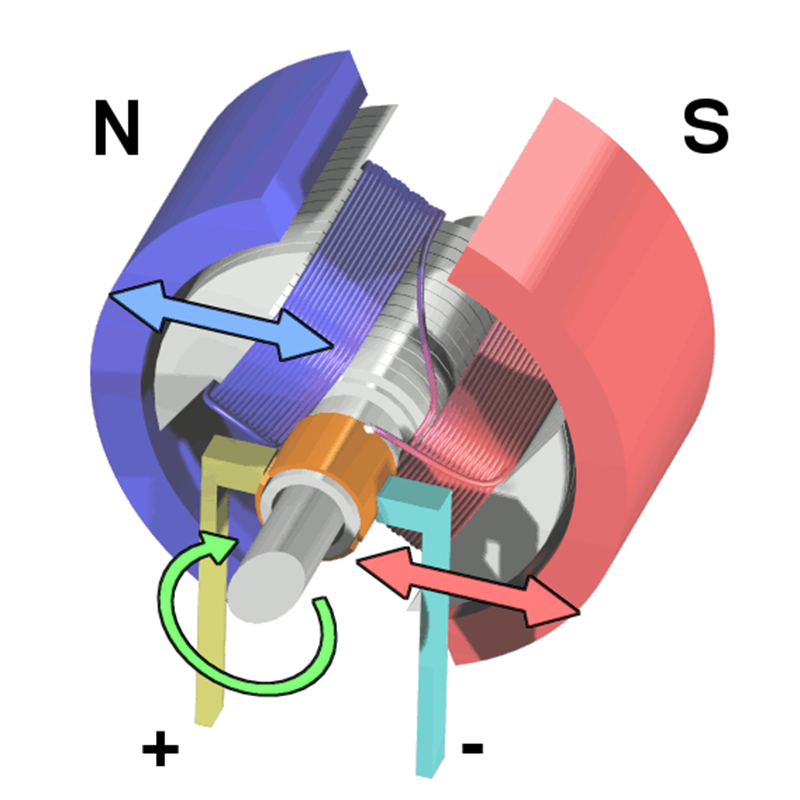
Permanent magnets are objects made of magnetized materials. They are not easily demagnetized and can generate magnetic fields. Permanent magnets can be found everywhere around us. They come in many types and are used in a wide range of applications.
Types of Permanent Magnets
Permanent magnets are usually classified based on the materials or methods they are made of. The four most common types of magnets include: Neodymium Iron Boron Magnets (NdFeB), which are known for their strong magnetic properties; Samarium Cobalt Magnets (SmCo), which are known for their high temperature and corrosion resistance; Alnico Magnets (Alnico), which have excellent magnetic stability; and Ferrite Magnets (Ferrite), which are cost-effective and widely used in daily applications.
—— Ferrite Magnets
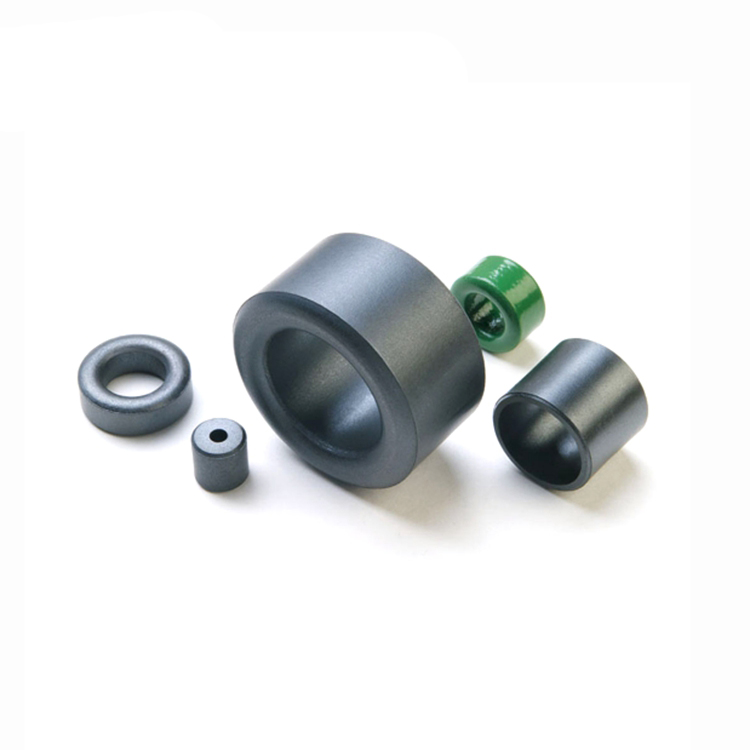
Ferrite magnets are also called ceramic magnets. It is usually made of iron oxide mixed with barium carbonate or strontium carbonate. The advantage of this magnet is that it is cheaper to manufacture than most other types of magnets because the materials required to make it are not expensive. This magnet is fairly brittle and has a low magnetic strength. However, it is highly resistant to corrosion. Ferrite magnets are available in grades 1, 5, and 8. Each grade has a different magnetic strength.

— Alnico magnets
As the name suggests, this permanent magnet is made of aluminum (Al), nickel (Ni), and cobalt (Co). However, when producing Alnico magnets, small amounts of other elements are added to improve their properties. It is highly resistant to corrosion and remains stable even at high temperatures. This permanent magnet is made using a sintering and casting process. The sintering process gives Alnico magnets extremely high mechanical strength.

— Samarium Cobalt Magnets
Samarium Cobalt permanent magnets are made from the rare earth permanent magnet material samarium cobalt. This magnet is highly resistant to corrosion and can withstand temperatures up to 300°C. It has a high coercivity and is often used in high-energy products. Despite this, this permanent magnet is expensive and brittle. Therefore, they are rarely used except for equipment used in high temperature environments.
– Neodymium Magnets
Although similar to SmCo magnets, Neodymium magnets have poor corrosion resistance (unless coated). It also has lower temperature resistance and mechanical strength, up to 50MGOe. The materials used to produce such magnets are quite expensive. Therefore, their use is mainly selective.

Types of Permanent Magnets
Neodymium Iron Boron (NdFeB or Neo Magnets)
Composition: Neodymium, Iron, and Boron.
Strength: Extremely strong (strongest available permanent magnet).
Pros: High magnetic strength, compact size.
Cons: Brittle, susceptible to corrosion (often coated), loses strength at high temperatures.
Utilizzi:
Hard disk drives
Electric vehicle motors
Headphones and loudspeakers
Wind turbines
Samarium Cobalt (SmCo)
Composition: Samarium and Cobalt.
Strength: Very strong, though less than neodymium.
Pros: High temperature resistance, corrosion-resistant.
Cons: Expensive, brittle.
Utilizzi:
Aerospace applications
Military systems
High-temperature motors
Medical devices
Alnico
Composition: Aluminum, Nickel, Cobalt, and Iron.
Strength: Moderate.
Pros: High temperature stability, durable.
Cons: Easily demagnetized compared to rare-earth magnets.
Utilizzi:
Guitar pickups
Microfoni
Sensori
Motors and generators
Ceramic or Ferrite Magnets
Composition: Iron oxide and strontium or barium carbonate.
Strength: Weaker than rare-earth magnets.
Pros: Inexpensive, corrosion-resistant, good temperature stability.
Cons: Brittle, low magnetic strength.
Utilizzi:
Refrigerator magnets
Altoparlanti
Magnetic separators
Small motors