



Neodymium and ceramic (ferrite) magnets are two of the most commonly used types of permanent magnets, but they have distinct differences in terms of strength, durability, cost, and applications. Here’s a breakdown of their key differences:
-
Strength & Magnetic Performance
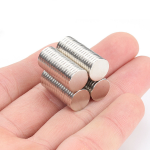
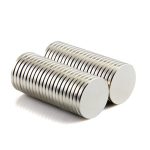
Neodymium Magnets (NdFeB): Extremely powerful, offering the highest magnetic strength per unit volume. They can hold much more weight compared to ceramic magnets of the same size.
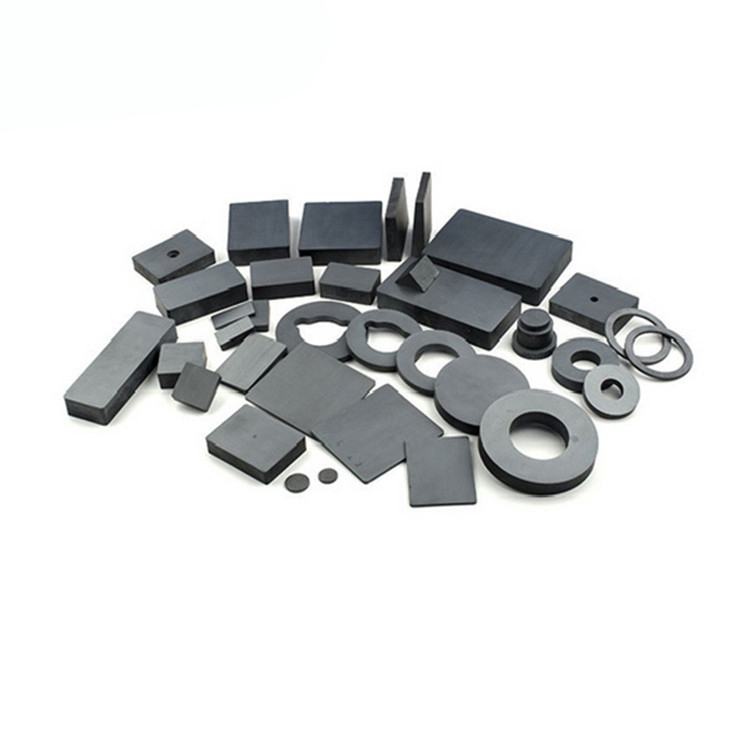
Ceramic Magnets (Ferrite): Considerably weaker than neodymium magnets. However, they still provide a good magnetic field for many applications at a lower cost.

-
Composizione del materiale
Neodymium Magnets: Composed of neodymium, iron, and boron (NdFeB). They require a protective coating (nickel, epoxy, etc.) to prevent rust.
Ceramic Magnets: Made from iron oxide and strontium carbonate, making them naturally rust-resistant.
-
Durability & Brittleness
Neodymium Magnets: Very brittle and prone to breaking or chipping if dropped or impacted. The protective coating can wear off over time.
Ceramic Magnets: Also brittle but generally more durable against corrosion since they do not require coating.
-
Temperature Resistance
Neodymium Magnets: Lose their magnetism at high temperatures (above 176°F or 80°C for standard grades), but high-temperature variants exist.
Ceramic Magnets: Perform better in high temperatures and can operate up to 450°F (232°C) without significant loss of magnetism.
-
Costo
Neodymium Magnets: More expensive due to their rare-earth elements and manufacturing process.
Ceramic Magnets: Much cheaper to produce, making them ideal for cost-sensitive applications.
-
Applicazioni
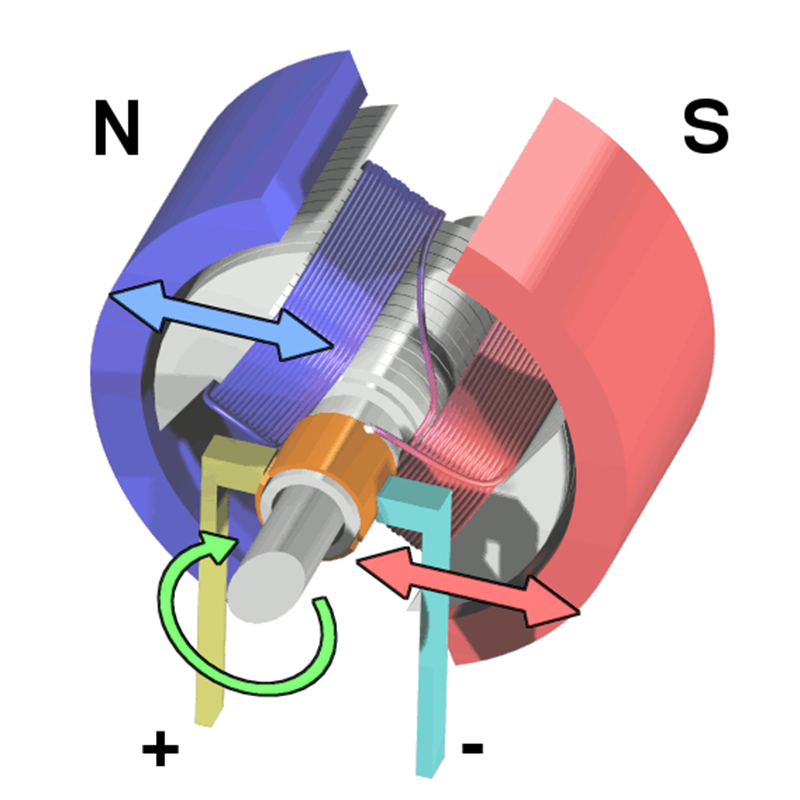
Neodymium Magnets: Used in hard drives, headphones, electric motors, wind turbines, MRI machines, and high-performance industrial applications.
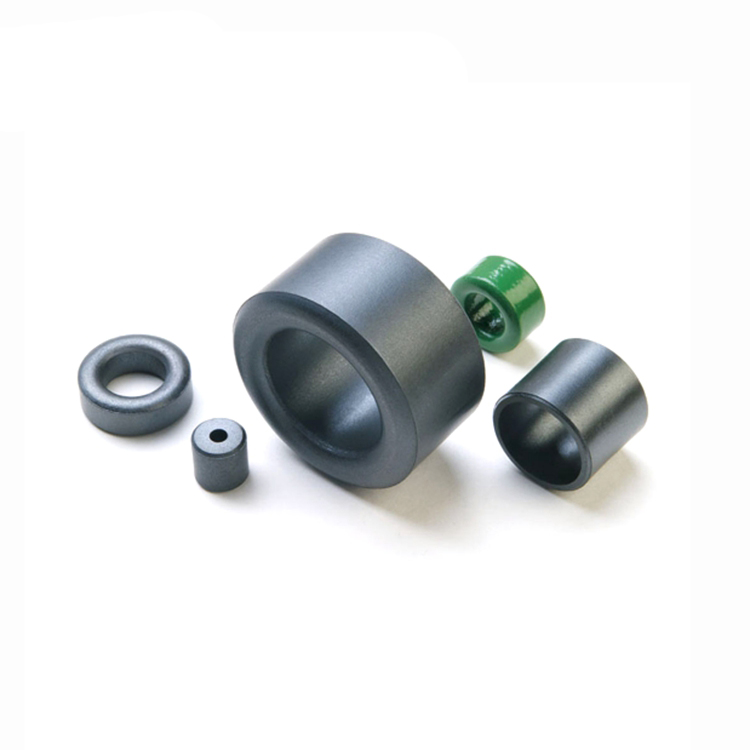
Ceramic Magnets: Found in refrigerator magnets, speakers, small motors, and simple hobbyist projects.
-
Considerazioni sulla sicurezza
Neodymium Magnets: Can snap together forcefully, posing a risk of injury or damage to nearby objects. Small neodymium magnets are dangerous if swallowed.
Ceramic Magnets: Less dangerous due to their lower strength, but still brittle and can break into sharp pieces.
Conclusione
If you need maximum strength in a small size, neodymium magnets are the way to go. However, if cost, corrosion resistance, and durability are more important, ceramic magnets are a better choice.
Material Specifications
Let’s compare the key specifications of ceramic magnets and sintered neodymium magnets. Rather than listing all the “grades” available, we will provide a range of grades and their specifications.

What do these mean (please explain in layman’s terms)?
BHmax – A single number that describes the strength of a magnet. It also happens to be the “N” number in the grades of neodymium magnets (N35, N42, N52, etc.).
Coercivity – Resistance to demagnetization. The higher the number, the greater the resistance to demagnetization.
MaxOpTemp – Also known as the maximum use temperature, this is the temperature that a magnet can be continuously exposed to without significant long-term instability or structural changes. Above the maximum operating temperature, the magnet will begin to lose strength.
Curie Temperature – The temperature at which a magnet loses all magnetic properties.
Coating – What a magnet can be coated/plated with to avoid corrosion.

Why Neodymium?
While ceramic magnets do have their place (yes… in the trash!), the development of neodymium magnets has transformed the industry. Neodymium magnets are the key to making products like motors, hard drives, electronics, business equipment, and more more efficient and smaller. Neodymium magnets are much stronger, which means higher output for the same input in a motor or generator.
More force can also be provided in less space, so products can be made smaller – which means less material is used, which is good for cost and our limited resources. Neodymium magnets will also last forever, so there is less waste.
For these reasons (and more), K&J Magnetics has chosen to only supply sintered neodymium magnets. We are proud of the products we offer and how they make the products we use better. Magnets are everywhere and are key to the development of key technologies for the future.
Interested in replacing ceramic magnets with neodymium magnets? Send one of our engineers an email and we’ll be happy to discuss potential options and advantages.