



The attraction of magnets and magnetic devices neodymium door magnets.
Currently, many applications of magnets are based on the principle that like poles repel and opposite poles attract each other and adsorb ferromagnetic substances, such as various magnetic devices, magnetic connection structures, magnetic separation equipment, and magnetic transmission equipment. wait.
For magnetic applications, everyone pays great attention to the attraction of magnets. The attraction force of a magnet can be calculated. The following formula can be used for reference neodymium door magnets.
However, it should be noted that the default conditions of the formula are very ideal, that is, the magnetic field distribution is very uniform and the magnetic permeability of the attracted object is very high (weakly magnetic materials such as 300 series Stainless steel and some other ferrous alloys are not applicable), the thickness and adsorption area are sufficient (increasing the thickness and area suction force will not increase, that is, regardless of magnetic leakage), even so the calculated value can only be used as a reference and cannot be used as an accurate calculation neodymium door magnets .
F(N)=2*S(m²)*B(T)²/μ0
Among them, S represents the adsorption area, B represents the air gap magnetic flux density, and μ0 is the positive air magnetic permeability (it is a constant, μ0=4π*10-7).
How to improve the attraction of neodymium door magnets?
From the formula, we can see that the attraction of a magnet is proportional to the adsorption area and air gap flux density. It can be seen that increasing the adsorption area and increasing the air gap flux density are the two major ways to improve the attraction of the neodymium door magnets.
1. Increase adsorption area
The object to be attracted should at least cover the adsorption surface of the magnet, and the thickness of the object to be attracted can be increased if conditions permit.
When a magnet attracts an iron plate:
The larger the area of the iron plate, the greater the suction force between the magnet and the iron plate; when the adsorption area is equal to the area of the magnet, the tendency of the suction force to increase will gradually slow down. When the iron plate is large enough, increase the area of the iron plate neodymium door magnets. The suction power may not be improved;
When the area of the iron plate is the same, when the thickness of the iron plate is thin, increasing the thickness of the iron plate can increase the suction force. When the iron plate is thicker neodymium door magnets, the increase in suction force by increasing the thickness of the iron plate will gradually level off until there is no increase.
2. Increase the air gap magnetic flux density
When the adsorption area S remains unchanged, it is a more effective method to increase the suction force by increasing the air gap magnetic flux density and reducing magnetic leakage neodymium door magnets. Multi-pole magnetization can effectively reduce magnetic leakage.

From the magnetic field simulation diagram, we can see that after the magnet is changed to bipolar magnetization, the magnetic flux leakage is significantly reduced, and a large part of the magnetic field lines form a closed magnetic circuit loop inside the adsorbed iron piece.

If the number of poles is further increased and a magnetic conductive sheet is added to the bottom of the neodymium door magnets, the magnetic flux leakage will be further reduced and the suction force will be further improved.

The current design trend of magnetic parts is to maximize the utilization of the magnetic field. Through the design of multi-pole magnetic circuits or Halbach magnetic circuits, or with the guidance of some materials with high magnetic permeability, the magnetic field can pass through as much of the object as possible neodymium door magnets. Attracting objects forms a closed loop of magnetic circuit. Typical applications include:
Rubber magnets are designed for multi-level magnetization, some are double-sided multi-pole, and some are single-sided multi-pole. The magnet performance of rubber magnets is very low neodymium door magnets, but after multi-pole magnetic circuit design, the magnetic field is densely distributed on the surface. The magnetic leakage is very small during adsorption, resulting in better adsorption effect;

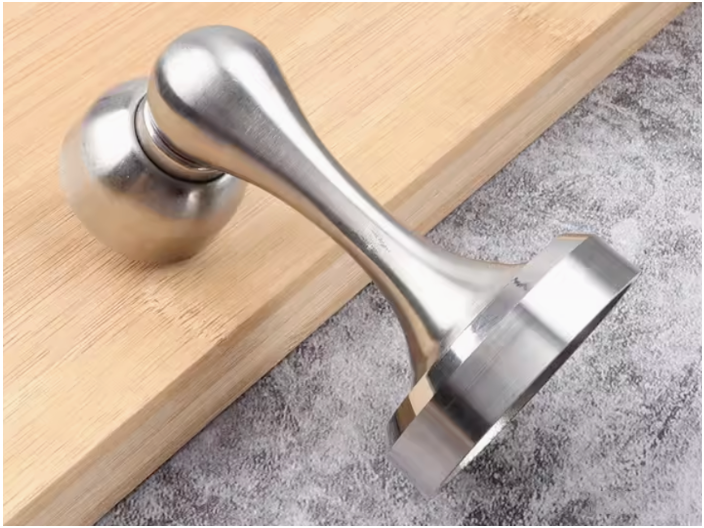
Magnetic devices such as door suction devices are guided by magnetic permeable sheets. When adsorbing, the magnetic circuit is almost formed from the object to be adsorbed. In this way, the utilization rate of the magnetic field is very high neodymium door magnets. The intuitive experience is that of a small magnetic suction device. (Some still use ferrite), and the suction force is huge when in direct contact.


The design of magnetic parts is inseparable from the consideration of the adsorption distance. The above-mentioned adsorption is based on direct contact. If the distance changes, the suction force often changes greatly neodymium door magnets. The following figure shows several typical single magnet magnetic attractions. Devices and multi-pole magnetic components have a similar rule. The more poles there are, the greater the suction force is at 0 spacing, but the attenuation becomes more obvious as the spacing increases.

Magnet attraction and magnetic devices play crucial roles in various aspects of modern life, from everyday household items to advanced technologies neodymium door magnets. Here’s an overview of magnet attraction and some common magnetic devices:
Magnetic Attraction:
Magnetism is a fundamental force of nature, characterized by the attraction or repulsion between magnetic materials.
Magnets have two poles: North (N) and South (S). Like poles repel each other, while opposite poles attract.
The strength of magnetic attraction depends on factors such as the material’s magnetic properties, distance between magnets, and external influences.
Common Magnetic Devices:
Refrigerator Magnets: These are small neodymium door magnets used to attach notes, photos, and other items to refrigerators and metal surfaces. They typically use ferrite magnets due to their low cost and sufficient strength.
Magnetic Door Catches: neodymium door magnets are commonly used in door catches to securely hold doors closed. These magnets provide strong magnetic force in a compact size.
Magnetic Toys: Various toys utilize magnets for educational and entertainment purposes. Magnetic building blocks, for example, allow users to create structures by attracting and repelling magnetized pieces neodymium door magnets.
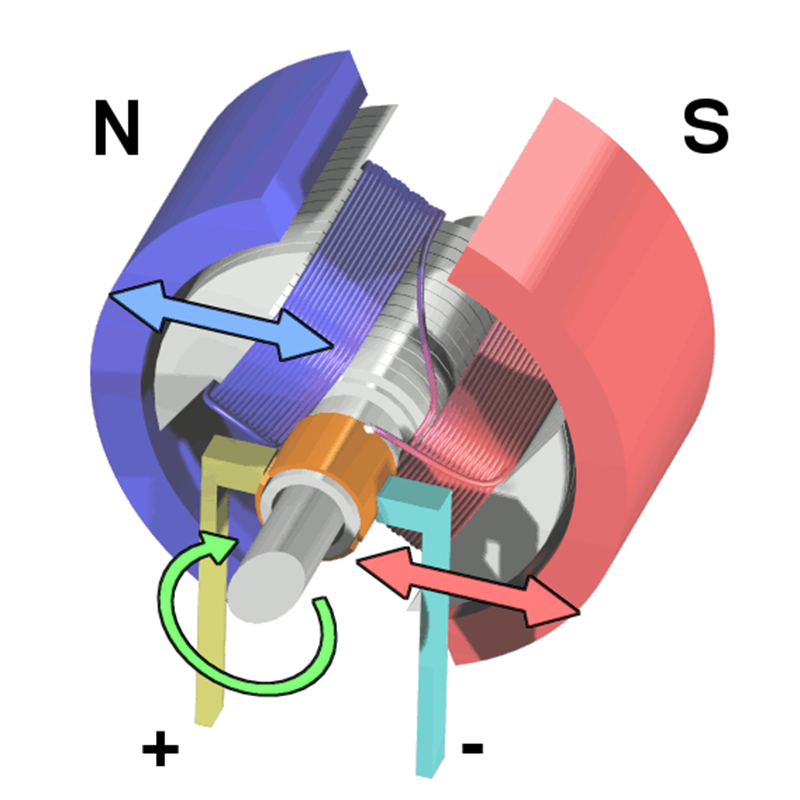
Electric Motors and Generators: These devices rely on magnetic fields to convert electrical energy into mechanical energy (motors) or vice versa (generators). They typically contain electromagnets or permanent magnets to generate the required magnetic fields.
Magnetic Hard Drives: In computing, hard disk drives (HDDs) use magnets to store and retrieve digital data neodymium door magnets. The data is encoded onto a magnetic medium (usually a thin magnetic coating on a metal disk) using a read/write head that generates and detects magnetic fields.
MRI Machines: Magnetic Resonance Imaging (MRI) machines utilize powerful magnets and radio waves to create detailed images of internal body structures. These magnets are typically superconducting magnets cooled to extremely low temperatures to achieve high magnetic fields.
Magnetic Levitation (Maglev) Trains: Maglev trains use magnetic levitation to float above the tracks, reducing friction and allowing for high-speed travel. They employ powerful electromagnets to create magnetic fields that repel against the track’s magnets, lifting the train off the ground.
These are just a few examples of how magnet attraction and magnetic devices are integral to various aspects of modern society neodymium door magnets, from household items to advanced technological applications.
Using a magnet is quite straightforward, but depending on your specific needs, there are several ways to use them effectively. Here’s a general guide:
Understanding Magnet Orientation:
Magnets have two poles: North (N) and South (S). These poles attract each other when opposite and repel each other when like.
To identify the poles of a magnet, you can use a compass (the needle points towards the North pole of the magnet), or if you have another neodymium door magnets, they will attract if the opposite poles are facing each other.
Basic Uses:
Attracting Magnetic Materials: You can use neodymium door magnets to attract ferromagnetic materials like iron, nickel, and cobalt. Simply bring the neodymium door magnets close to the material, and it will attract.
Testing for Magnetism: You can use a magnet to test if an object is magnetic. If the object is attracted to the magnet, it likely contains ferromagnetic materials.
Magnetic Pick-Up: Small neodymium door magnets can be used as tools to pick up metal objects, such as screws, nails, or paper clips, especially in hard-to-reach places.
More Advanced Uses:
Creating Magnetic Fields: Magnets can be used to create magnetic fields for various purposes, such as in electric motors, generators, and speakers.
Magnetic Storage: Magnets are used in devices like hard disk drives (HDDs) and magnetic tapes for data storage. They encode data by aligning magnetic particles on a surface.
Magnetic Levitation: neodymium door magnets can be used for magnetic levitation (Maglev) applications, such as in Maglev trains, where they repel against each other to lift and propel objects.
Safety Precautions:
Be cautious when handling strong magnets, especially rare-earth magnets like neodymium door magnets, as they can pinch fingers or attract to each other forcefully, potentially causing injuries.
Keep magnets away from electronic devices, credit cards, and pacemakers, as they can interfere with their operation.
Proper Storage:
Store magnets away from electronic devices and credit cards to avoid unintended interactions.
Store strong neodymium door magnets away from each other or with a non-magnetic spacer to prevent them from attracting forcefully and potentially damaging themselves or nearby objects.
By understanding the properties of magnets and following safety precautions, you can effectively use them for various purposes in your everyday life or in more specialized applications.