


Introduction
Strong single pole neodymium magnets represent a technological marvel, boasting unparalleled magnetic strength and versatility. However, harnessing their power requires careful consideration and adherence to safety precautions. In this article, we delve into the risks associated with handling and storing these magnets and outline essential precautions to ensure safe utilization.
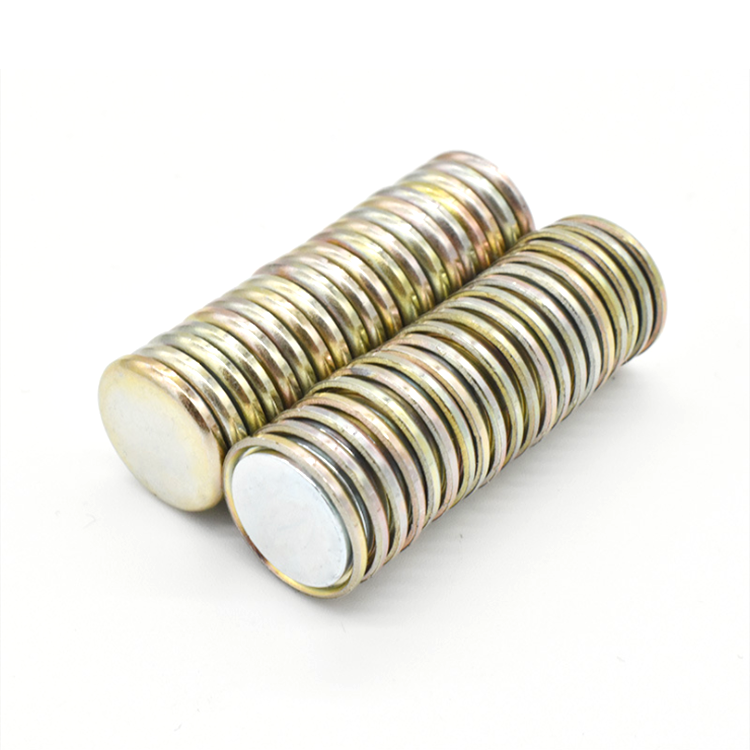
Understanding the Risks
Strong single pole neodymium magnets are renowned for their remarkable magnetic strength, which far surpasses that of conventional magnets. This inherent strength, while advantageous in many applications, also brings with it a set of potential risks and hazards that must be carefully understood and managed to ensure safe handling and utilization.
One of the primary risks associated with strong neodymium magnets is their ability to exert powerful forces over considerable distances. Unlike weaker magnets, which may only attract ferromagnetic objects in close proximity, strong neodymium magnets can attract objects from a considerable distance away. This poses a risk of pinch injuries or trapping if fingers, hands, or other body parts come into contact with the magnets, especially during handling or manipulation.
Furthermore, the magnetic field generated by strong neodymium magnets can interfere with electronic devices and equipment, leading to malfunctions, data loss, or permanent damage. This interference is particularly problematic in environments where sensitive electronics are present, such as laboratories, medical facilities, or manufacturing facilities. Additionally, the magnetic field of neodymium magnets can induce currents in conductive materials, which may lead to heating, electrical hazards, or interference with nearby electronic devices.
Another important consideration is the risk of attraction to ferromagnetic objects, such as steel tools, equipment, or machinery. Strong neodymium magnets have a strong affinity for ferromagnetic materials, and if not properly controlled, they can inadvertently attract and collide with nearby objects, posing a risk of injury or damage.
Moreover, the small size and high magnetic strength of neodymium magnets can make them difficult to handle and manipulate safely, especially for individuals who are not familiar with their properties or potential hazards. Accidental ingestion of neodymium magnets, particularly by children, can result in serious health complications, including intestinal blockages, perforations, or necrosis.
It is essential for individuals working with strong neodymium magnets to be aware of these risks and hazards and to take appropriate precautions to mitigate them. This includes implementing safety measures such as wearing protective equipment (e.g., gloves and safety goggles) to prevent pinch injuries, maintaining a safe distance from ferromagnetic objects to avoid accidental attraction, and ensuring proper shielding or isolation of sensitive electronic devices to prevent interference.
Additionally, proper training and education on magnet safety are essential for all individuals who handle or interact with strong neodymium magnets. This includes understanding how to safely handle, manipulate, and store magnets, as well as recognizing the signs of potential hazards and knowing how to respond in case of an emergency.
By understanding the risks associated with strong neodymium magnets and implementing appropriate safety measures, individuals can ensure the safe and responsible use of these powerful magnets in a wide range of applications.
Precautions during Handling
Handling strong single pole neodymium magnets requires careful attention to safety protocols to mitigate the risks of injuries and accidents associated with their powerful magnetic fields. By implementing appropriate precautions, individuals can minimize the risk of pinch injuries, avoid accidental attraction to ferromagnetic objects, and prevent interference with sensitive electronic devices.
Personal safety measures are paramount when handling strong neodymium magnets. Protective equipment, such as gloves and safety goggles, should be worn to shield against potential pinch injuries and protect against projectiles. These precautions are especially important when handling multiple magnets or when working in environments where magnets are manipulated frequently.
Furthermore, maintaining a safe distance from ferromagnetic objects is essential to avoid accidental attraction. Strong neodymium magnets have a strong affinity for ferromagnetic materials, such as steel tools or equipment, and can exert significant forces over considerable distances. By being mindful of their surroundings and keeping magnets away from ferromagnetic objects, individuals can reduce the risk of unintentional attraction and potential collisions.
Proper gripping techniques are also crucial to prevent pinch hazards when handling strong neodymium magnets. Magnets should be grasped firmly and securely, using flat, non-ferromagnetic tools or surfaces to manipulate them whenever possible. Avoiding direct contact with the magnet surface reduces the risk of fingers or skin getting trapped between magnets, minimizing the potential for injuries.
Moreover, precautions should be taken to prevent accidents involving sensitive electronic devices. Strong neodymium magnets can interfere with the operation of electronic equipment, including pacemakers, credit cards, and medical devices. To prevent damage or malfunction, magnets should be kept away from electronic devices and equipment, and appropriate shielding or demagnetizing techniques should be employed when necessary.
In addition to these precautions, it is essential to handle strong neodymium magnets with care and attention to detail. Avoiding sudden movements or impacts and being mindful of the potential hazards associated with their powerful magnetic fields can help prevent accidents and injuries. Individuals should also be cautious when working with multiple magnets or when handling magnets of different sizes or strengths, as their interactions can increase the risk of accidents.
By following these precautions during handling, individuals can minimize the risks associated with strong single pole neodymium magnets and ensure the safe and responsible use of these powerful magnets in various applications. Taking proactive measures to prioritize personal safety and implement appropriate handling protocols is essential to prevent accidents and injuries in the workplace or at home.
Precautions during Storage
Handling strong single pole neodymium magnets requires careful attention to safety protocols to mitigate the risks of injuries and accidents associated with their powerful magnetic fields. By implementing appropriate precautions, individuals can minimize the risk of pinch injuries, avoid accidental attraction to ferromagnetic objects, and prevent interference with sensitive electronic devices.
Personal safety measures are paramount when handling strong neodymium magnets. Protective equipment, such as gloves and safety goggles, should be worn to shield against potential pinch injuries and protect against projectiles. These precautions are especially important when handling multiple magnets or when working in environments where magnets are manipulated frequently.
Furthermore, maintaining a safe distance from ferromagnetic objects is essential to avoid accidental attraction. Strong neodymium magnets have a strong affinity for ferromagnetic materials, such as steel tools or equipment, and can exert significant forces over considerable distances. By being mindful of their surroundings and keeping magnets away from ferromagnetic objects, individuals can reduce the risk of unintentional attraction and potential collisions.
Proper gripping techniques are also crucial to prevent pinch hazards when handling strong neodymium magnets. Magnets should be grasped firmly and securely, using flat, non-ferromagnetic tools or surfaces to manipulate them whenever possible. Avoiding direct contact with the magnet surface reduces the risk of fingers or skin getting trapped between magnets, minimizing the potential for injuries.
Moreover, precautions should be taken to prevent accidents involving sensitive electronic devices. Strong neodymium magnets can interfere with the operation of electronic equipment, including pacemakers, credit cards, and medical devices. To prevent damage or malfunction, magnets should be kept away from electronic devices and equipment, and appropriate shielding or demagnetizing techniques should be employed when necessary.
In addition to these precautions, it is essential to handle strong neodymium magnets with care and attention to detail. Avoiding sudden movements or impacts and being mindful of the potential hazards associated with their powerful magnetic fields can help prevent accidents and injuries. Individuals should also be cautious when working with multiple magnets or when handling magnets of different sizes or strengths, as their interactions can increase the risk of accidents.
By following these precautions during handling, individuals can minimize the risks associated with strong single pole neodymium magnets and ensure the safe and responsible use of these powerful magnets in various applications. Taking proactive measures to prioritize personal safety and implement appropriate handling protocols is essential to prevent accidents and injuries in the workplace or at home.
Procédures d'intervention en cas d'urgence
Despite the implementation of precautionary measures, accidents involving strong neodymium magnets may still occur. Establishing emergency response procedures is crucial to mitigate risks and ensure prompt and effective intervention in case of accidents or injuries. First aid measures for injuries related to magnetic attraction, such as pinched fingers or trapped body parts, should be clearly outlined and readily accessible.
Additionally, protocols for magnet removal in the event of accidental ingestion should be established. Proper steps to prevent further ingestion or complications and guidance on seeking medical assistance should be communicated to all individuals involved in handling or interacting with strong neodymium magnets.
Compliance with Regulations and Guidelines:
Adherence to relevant safety regulations and guidelines is essential for ensuring the safe handling and storage of strong neodymium magnets. Organizations should familiarize themselves with occupational safety standards, such as those set forth by the Occupational Safety and Health Administration (OSHA), and adhere to recommendations provided by magnet manufacturers or industry associations.
Moreover, investing in employee training and education on magnet safety is crucial for promoting a culture of safety and risk awareness. Regular review and reinforcement of safety protocols help ensure that individuals remain vigilant and proactive in mitigating risks associated with strong neodymium magnets.
Conclusion
Strong single pole neodymium magnets offer unparalleled magnetic strength and versatility, but harnessing their power requires careful consideration of associated risks and implementation of appropriate safety precautions. By prioritizing personal safety, adhering to proper handling and storage practices, establishing emergency response procedures, and complying with relevant regulations and guidelines, organizations can ensure the safe and responsible use of these powerful magnets.