




Introduction
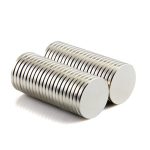
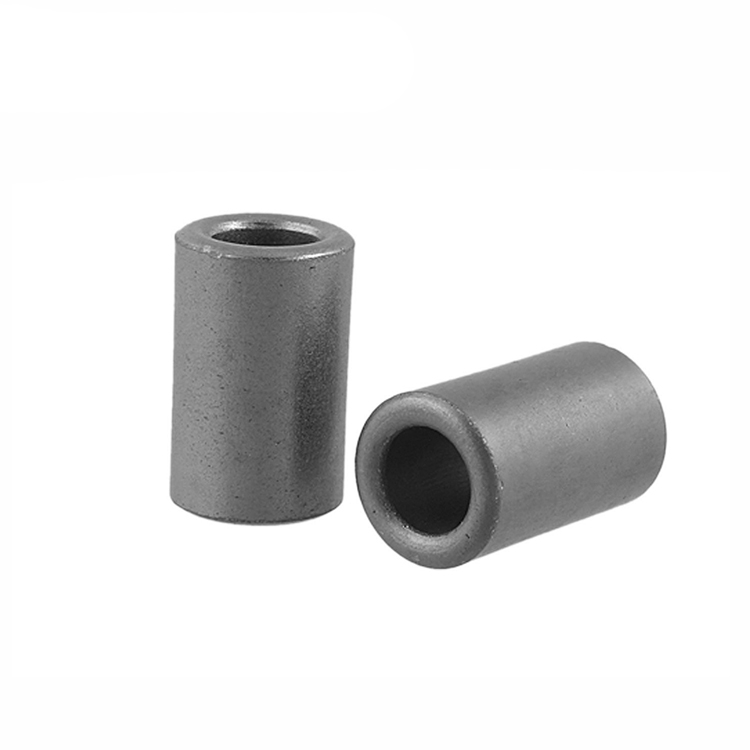
Ferrite magnets, renowned for their unique magnetic properties, have found widespread use across diverse industries. Paired with ferrite cores, these materials play a pivotal role in various electronic and electrical applications. This article aims to elucidate the characteristics, applications, and future potential of ferrite magnets and cores.

Understanding Ferrite Magnets
- Composition and Structure of Ferrite Magnets
Ferrite magnets, commonly known as ceramic magnets, consist primarily of iron oxide and ceramic materials. Their crystalline structure and specific composition determine their magnetic properties, such as high magnetic permeability and low electrical conductivity. The manufacturing process involves sintering the raw materials at high temperatures.
- Magnetic Properties and Characteristics
Ferrite magnets exhibit excellent resistance to demagnetization, making them suitable for various applications. They possess high coercivity and are highly stable in magnetic fields, retaining their magnetic strength over time.
- Manufacturing Process of Ferrite Magnets
The production of ferrite magnets involves powder metallurgy techniques, including mixing the raw materials, pressing the mixture into shape, and sintering at high temperatures. The resulting magnets undergo grinding and finishing processes to achieve the desired dimensions and surface properties.
Types of Ferrite Magnets
- Soft Ferrite Magnets
Soft ferrite magnets possess low coercivity, making them suitable for applications requiring magnetic permeability and high-frequency electromagnetic properties. They find extensive use in transformers, inductors, and magnetic cores for various electronic devices.
- Hard Ferrite Magnets (Ceramic Magnets)
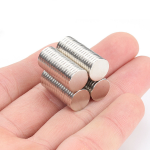
Hard ferrite magnets exhibit high coercivity and are widely utilized in permanent magnet applications. Their robustness, low cost, and resistance to corrosion make them suitable for speakers, refrigerator magnets, and magnetic assemblies.
- Comparison Between Soft and Hard Ferrite Magnets
The distinctive properties of soft and hard ferrite magnets cater to different applications. Soft ferrites excel in electromagnetic applications due to their low coercivity, while hard ferrites provide strong, permanent magnetism.
Applications of Ferrite Magnets
- Electrical and Electronics Industry
Ferrite magnets play a crucial role in electronic devices, serving as magnetic cores in transformers, inductors, and chokes. Their use ensures efficient power transmission, noise suppression, and signal conditioning in various electronic circuits.
- Automotive Industry
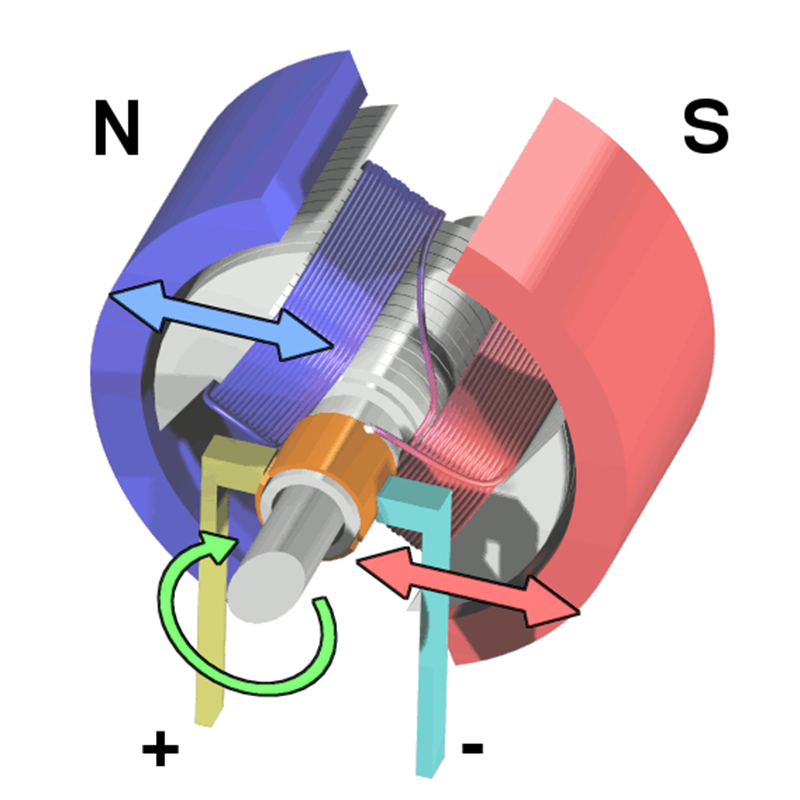
In the automotive sector, ferrite magnets are employed in motors, alternators, and sensors due to their durability and stability in high-temperature environments. They contribute to the functionality of various automotive components.
- Household Appliances and Magnetic Tools
Ferrite magnets are integral to numerous household appliances such as speakers, magnetic latches, refrigerator magnets, and magnetic assemblies. Their cost-effectiveness and magnetic properties make them indispensable in everyday applications.
Ferrite Cores and Their Uses
- Composition and Structure of Ferrite Cores
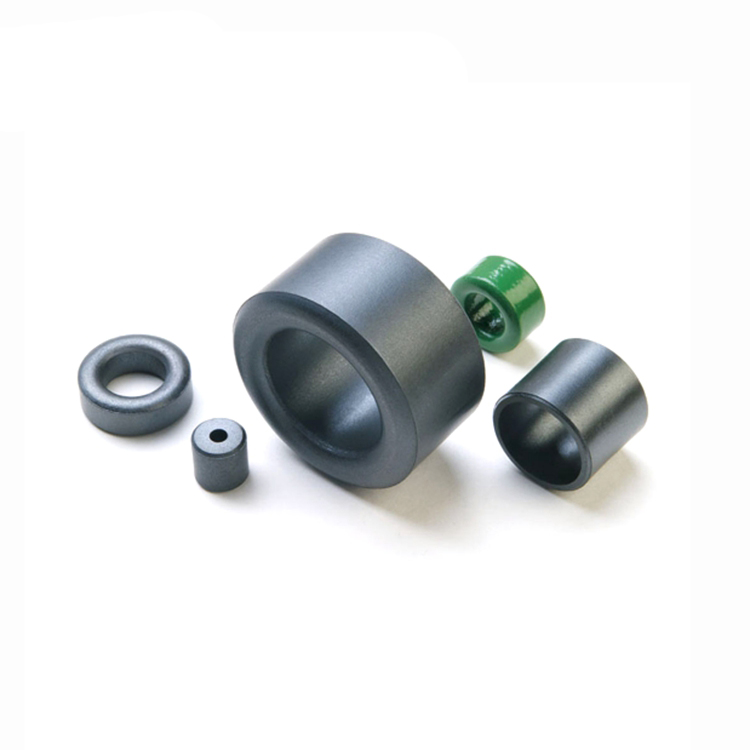
Ferrite cores, crafted from powdered ferrite materials, possess high magnetic permeability and low electrical conductivity. Their toroidal, cylindrical, or E-shaped structures provide efficient magnetic flux paths.
- Role of Ferrite Cores in Electronics and Electrical Engineering
Ferrite cores are vital components in inductors, transformers, and chokes, contributing to the efficient operation of electronic devices by controlling magnetic fields, reducing electromagnetic interference, and improving energy efficiency.
- Applications in Communication Devices and Power Supplies
Ferrite cores find extensive use in communication devices, power supplies, and converters. They aid in RF devices by enhancing signal transmission and in power converters by regulating voltage and current.
Advantages and Limitations of Ferrite Magnets and Cores
- Advantages of Ferrite Magnets and Cores
High magnetic permeability and stability in varying conditions.
Cost-effectiveness and widespread availability.
Superior resistance to corrosion and demagnetization.
- Limitations and Constraints
Relatively lower magnetic strength compared to other magnets like neodymium.
Brittle nature and limited temperature stability compared to certain metallic magnets.
Reduced performance in high-frequency applications compared to other materials.
Future Trends and Innovations in Ferrite Magnet Technology
Advancements in Ferrite Magnet Manufacturing
Ongoing research to enhance magnetic properties and increase energy density.
Innovations in production techniques to improve performance and reduce costs.
Integration in Emerging Technologies
Exploration of ferrite materials in renewable energy systems and wireless power transmission.
Utilization in advanced magnetic data storage and memory technologies.
Sustainable and Eco-Friendly Ferrite Magnet Development
Efforts to develop greener manufacturing processes and explore recyclable materials.
Utilization in eco-friendly technologies to support sustainable practices.
Conclusion
Ferrite magnets and cores, with their distinctive properties and diverse applications, continue to play a pivotal role in numerous industries. As technology advances, ongoing research and development promise further innovations, expanding the scope of ferrite materials in emerging technologies while addressing their limitations. Understanding the versatility and potential of ferrite magnets and cores ensures their continued significance across various fields, driving advancements and shaping future technological landscapes.