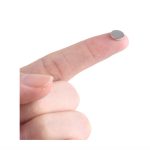
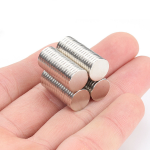
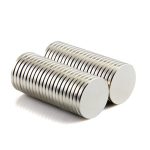
An item that can generate a magnetic field, attract unlike poles, and repel like poles is referred to as a magnet.
Features of Permanent Magnet Definition
The fundamental characteristics of a magnet are as follows:
We can see that when a Permanent Magnet Definition is covered in iron filings, the iron filings stick to the end of the magnet because there is the strongest attraction. These points are referred to as the magnets’ poles.
There are always two magnetic poles.
Anytime a Permanent Magnet Definition is suspended unrestrained in the air, it always faces north and south. The North Pole is the pole that points in the direction of the geographic north, while the South Pole is the pole that points in the direction of the geographic south.
How Do You Define Magnetic?
A thing is said to be “magnetic” if it has the ability to draw other magnetic materials to it. Which substances are magnetic? Ferromagnetic materials like iron, nickel, and cobalt are regarded as magnetic materials according to the definition of magnetic. Steel and other rare earth elements (such as samarium and Permanent Magnet Definition) are examples of metal alloys that may create powerful magnetic fields that can draw in other magnetic materials.
All magnetic materials are not created equal. Permanent Permanent Magnet Definitions are among those that keep their magnetism for a longer period of time, whereas temporary magnets lose their magnetism quickly after the removal of the external magnetic field.
Course Quiz for the Lesson 7.2K views
Features of a Permanent Magnet
In the sections that follow, you may read more about the features of permanent magnets.
Field Markers
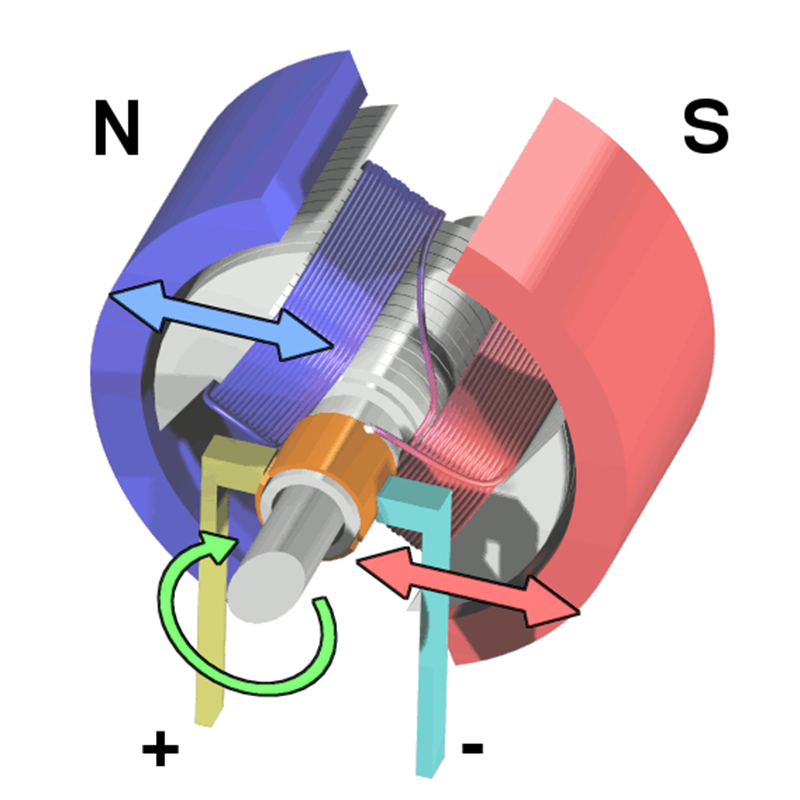
How does a magnet function? In the beginning, all magnets—temporary or permanent—have two poles:
Magnetic North Pole
magnetic south pole
Even if a huge magnet is broken down into its tiniest pieces, these poles cannot be separated from one another. A permanent magnet may be divided into two smaller magnets, each of which has its own north and south magnetic poles.
This rule also applies to all magnets: Permanent Magnet Definition with opposite poles attract and those with the opposite polarity repel. It means that a permanent magnet’s north magnetic pole is always drawn to its south magnetic pole and always drawn away from the north magnetic pole of another magnet. Iron filings, for example, can be drawn to both poles by other magnetic materials that are not magnetized.
Last but not least, every magnet also generates its own magnetic field, which surrounds the materials invisibly. The magnitude of the magnetic force acting on other magnetic materials when put inside the specified zone is represented by the magnetic field.
Magnetic field lines serve as a visual representation of the magnetic field’s direction and strength. From the north magnetic pole to the south magnetic pole, they create complete loops. The thick magnetic field lines in Figure 1 demonstrate that a permanent magnet has the greatest magnetic field near its poles.
Permanent magnets have magnetic fields created by spinning electron alignment. When electrons spin and circle around the nucleus, they generate a magnetic field. The electrons’ orbits and spin trajectories determine the direction of the magnetic field.
The majority of materials have paired electrons, Permanent Magnet Definition results in a net magnetic moment of zero when two electrons spin and orbit in the opposite directions. However, unpaired electrons capable of creating a net magnetic moment are frequently present in ferromagnetic materials. In ferromagnetic materials, the magnetic moments of several atoms are parallel to one another and cause significant magnetization.
Magnetic domains are regions of the ferromagnetic material that include billions of aligned atoms. These domains are arbitrarily oriented when they are not magnetized, but when magnetized, they can readily align and create a powerful magnetic field.
Permanent Magnet Definition Magnetic Power
The intensity of the magnetic field describes how powerfully the magnet produces magnetism. The following are some of the elements influencing the magnetic pull of the permanent magnet:
Neodymium, iron, and boron Permanent Magnet Definitions produced of sintered metal are more powerful than those made of aluminum, nickel, and cobalt.
Larger magnets often have more magnetic domains that can align and create a higher magnetic field. But even with smaller quantities, magnets made of rare earth materials like neodymium and samarium may produce powerful magnetic fields.
Magnet shape: Permanent Magnet Definition with sharper angles have magnetic fields that are greater there than elsewhere on the aimant.
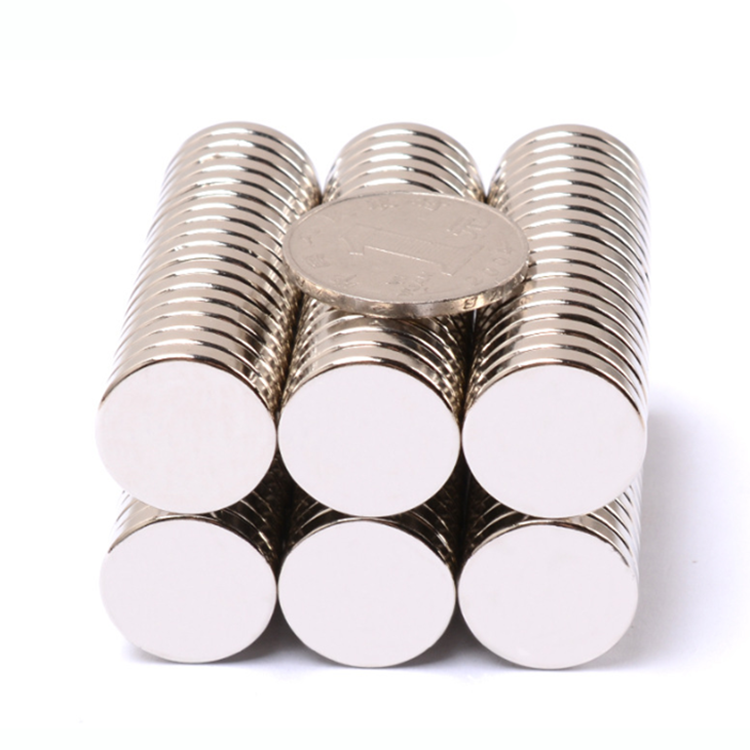
Permanent magnets composed of neodymium, iron, and boron are known as neodymium magnets or NIB. NIB is one of the strongest permanent magnets available, stronger than samarium-cobalt and ferrite magnets despite its small weight.
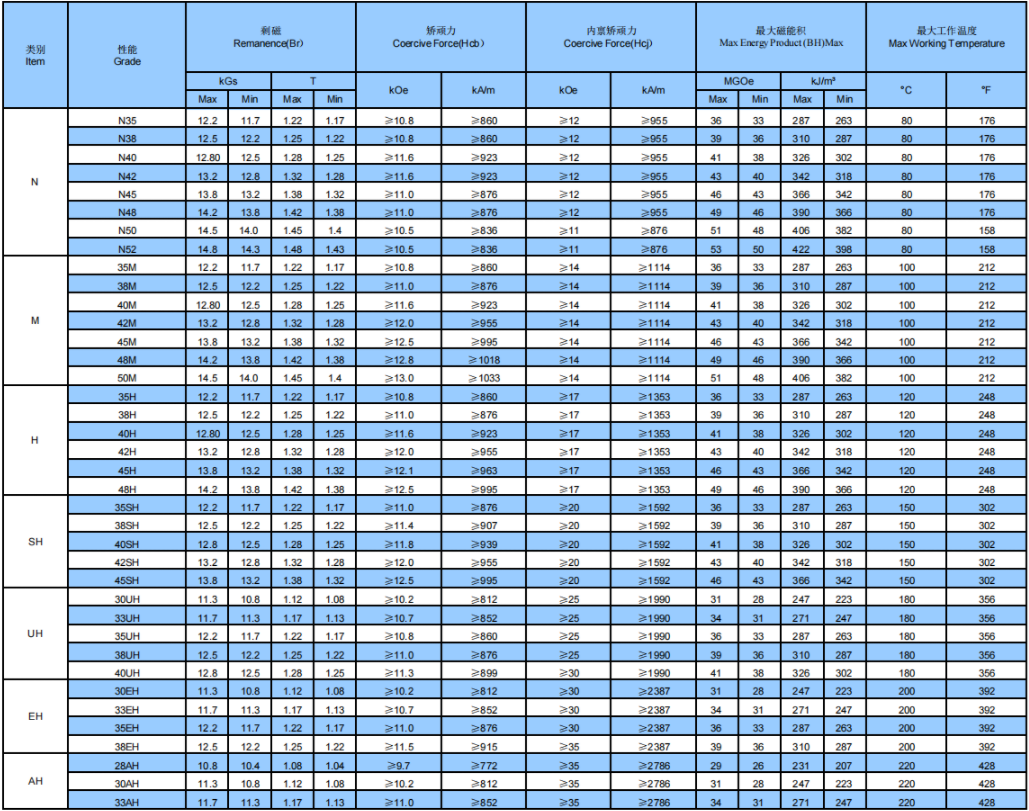
The usage of NIB even in extremely low temperatures is one of its benefits. Additionally, it has a high coercivity that prevents demagnetization but needs a coating to prevent corrosion. In temperatures exceeding 150°–180°C, samarium–cobalt alloy Permanent Magnet Definition are preferred.
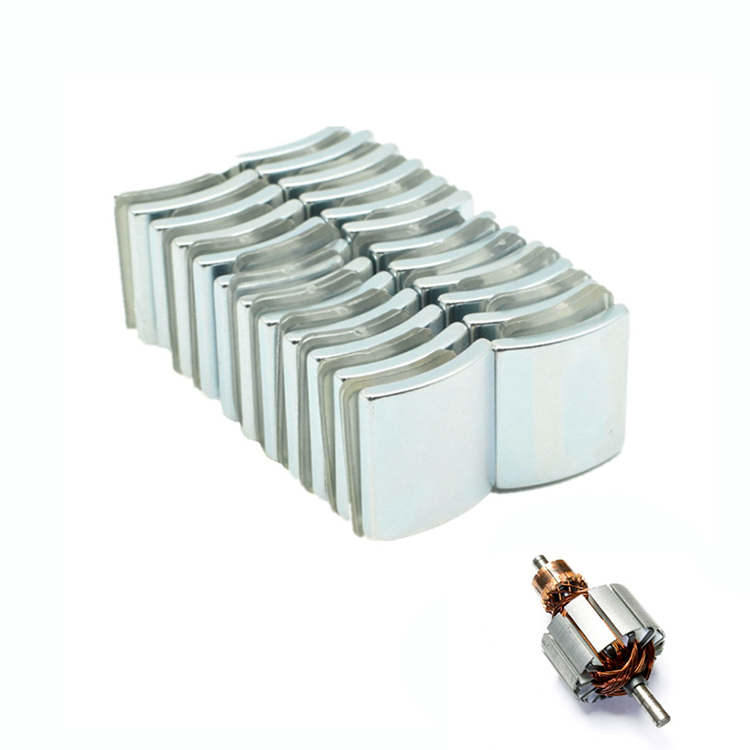
Numerous products, including headphones, microphones, disc drives, printers, turbine motors, and microphones and generators, employ NIB.
Permanent Magnet Definition enduring magnets
Magnets are items that create a magnetic field. A magnet is referred to as permanent when certain magnetic characteristics do not change over time.
Additionally, ferromagnetic material exhibits magnetism. Several iron and nickel alloys are used to make some materials. A ferromagnetic substance’s magnetic property determines how the domains are orientated.
When the domains are orientated randomly, the magnetic fields that are generated separately cancel one another out. By affecting the domain with an electrical field, one may reduce the domain’s randomness and create a collective magnetic field. This is one of the methods used to create electromagnets. However, if the domains are already positioned so that they all face the same way, They will generate a collective magnetic field even in the absence of an outside force. Permanent Magnet Definition are what these are.
Magnetic Conductivity
When ferromagnetic materials are exposed to a magnetizing field, the domains organize to create magnetism and do not return to their initial configuration. Remanence is the length of time it takes for a substance to demagnetize or stay magnetized when the driving force is zero and even then the domains have not reorganized themselves to normality.
Coercivity is the measure of how much of a reverse field must be applied to a substance in order to demagnetize it in order to return its magnetic property to zero. Hysteresis is the inability of a material to retain its magnetic properties.
Have you ever observed that an iron nail that has been in contact with a aimant for a while may temporarily attract other iron nails that aren’t magnetic? This attraction persists even after the iron nail is removed from the magnet. This is as a result of a reorientation of the iron nail’s domains. This impact is hardly strong and quickly wears off. An iron nail will not be regarded as a Permanent Magnet Definition as a result.
The fundamental benefit of a permanent magnet over any other kind is that magnetism may occur without a constant source of external energy, such as electricity in the case of electromagnets. As compass needles, Permanent Magnet Definition are one example.
A permanent magnet is what? What categories exist?
Two important parameters—remanence and coercitivity—define a permanent magnet, which is a material that can produce magnetic flux when magnetized by an external magnetic field.
Typically, a Permanent Magnet Definition’s intrinsic coercitivity (Hcj) is more than 300kOe (in the CGS unit) or 24kA/m (in the SI unit). A permanent magnet’s ability to resist demagnetization, such as thermal demagnetization of the operating temperature in various motors and/or electrical machine applications, as well as electric or magnetic circuit field demagnetization, increases with coercitivity.
Compared to an electromagnet, which only acts like a magnet when an electric current passes through it, a commercial permanent magnet requires relatively high remanence and compulsion at a reasonable cost.
What components make up a Permanent Magnet Definition?
Permanent Magnet Definitions are made from hard ferromagnetic materials, which are those that, once magnetized, retain their magnetic properties until they are demagnetized, a phenomenon that happens when a magnetic field that is the opposite of the initial field is applied.
A permanent magnet is made of the following materials:
The well-known NdFeB, NIB, and Neo are made from the neodymium, iron, and boron alloy.
It is an alloy made of aluminum, nickel, and cobalt; copper, iron, and titanium are also occasionally added.
Cobalt-Samarium. It is comprised of the samarium and cobalt alloy, as its name indicates.
It is a cubic system of crystalline iron.